

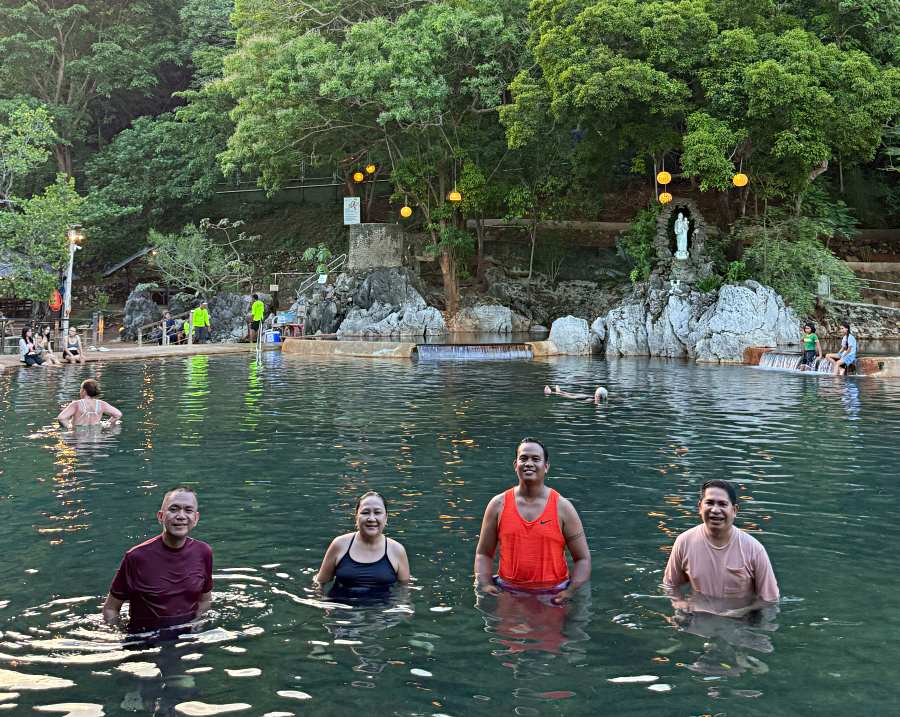
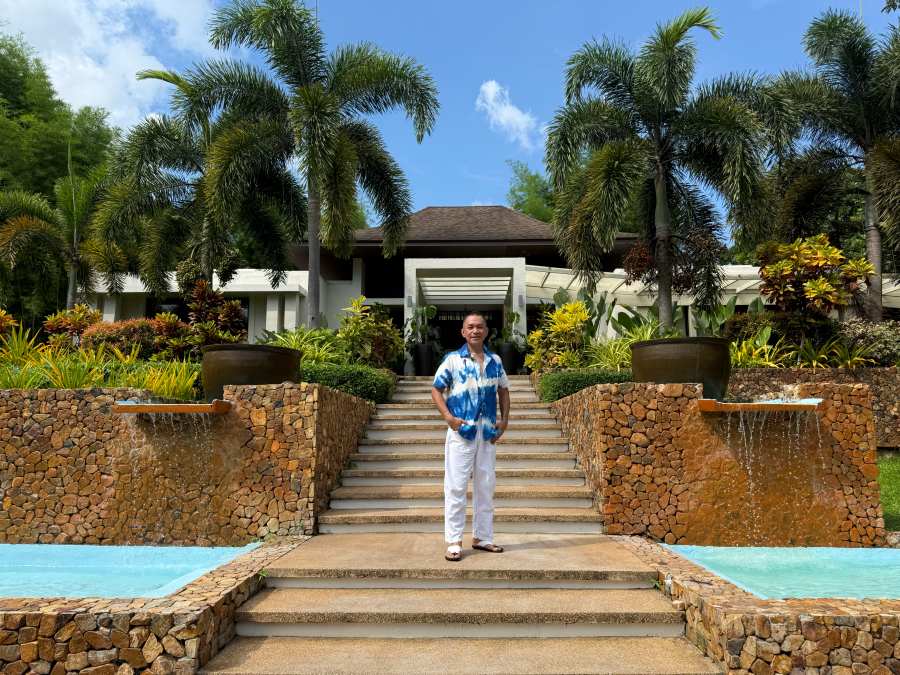
[ Sustainable Tourism in the Philippines ] – L-R: Yours Truly ; Mark Canieso ,Lei Lani Dusaban and CG Hisona
Sustainable Tourism in the Philippines: Lessons from Coron and Beyond
Contents
There Is a Side of Coron Many Travelers Never See
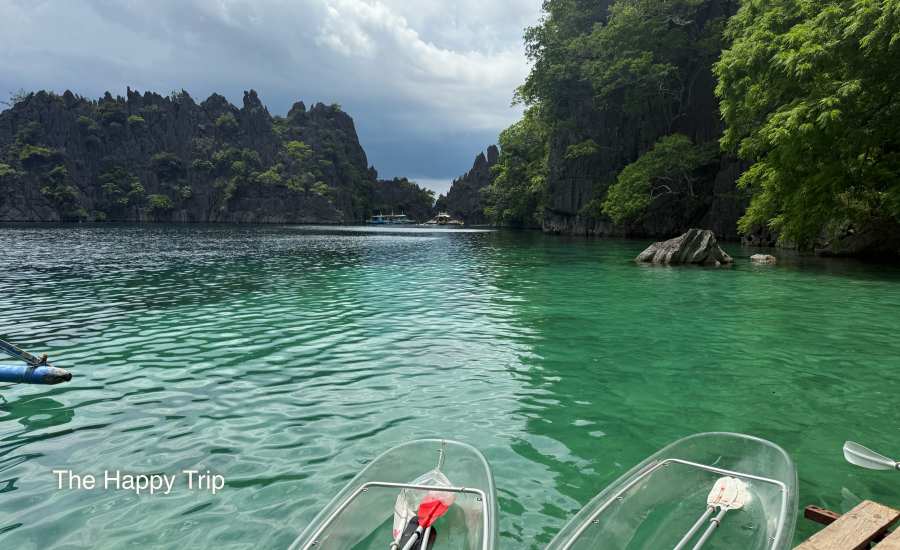
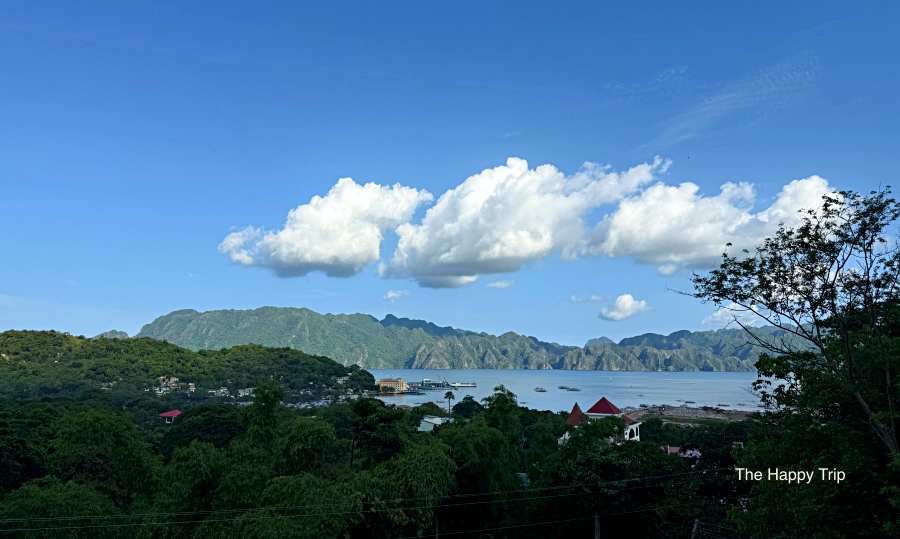
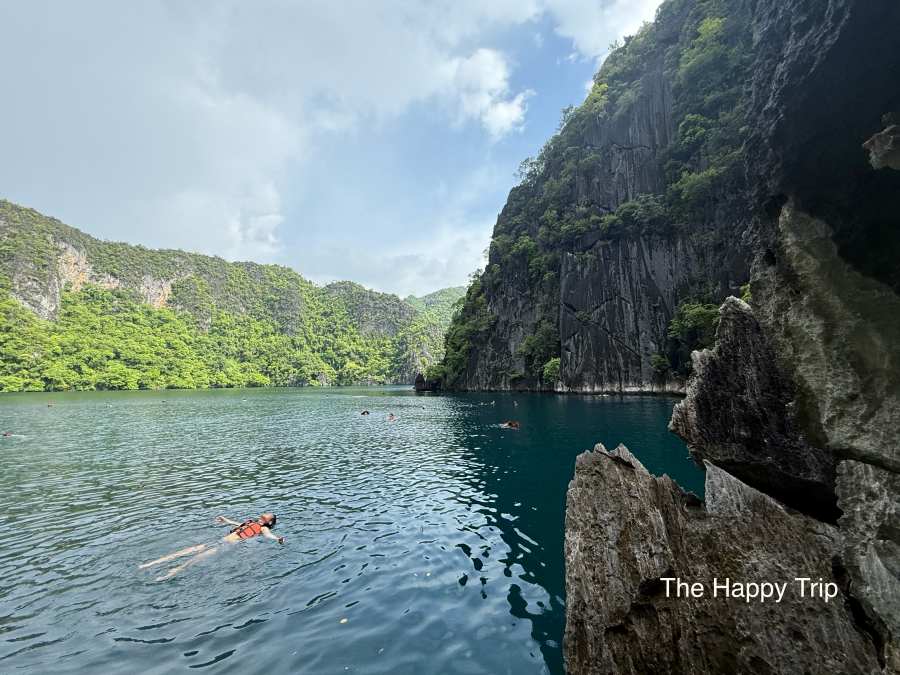
When people talk about Coron, they often describe its emerald lagoons, towering limestone cliffs, crystal-clear waters, and world-class diving sites. They remember snorkeling among colorful reefs, kayaking through calm coves, or watching the sunset paint the sky over Palawan.
I had the privilege of experiencing all of these during my recent visit. Yet this time, I found myself paying attention to something different.
Beyond the postcard-perfect scenery, I began observing how tourism actually works when the crowds are gone.
I spoke with hotel staff, restaurant owners, tour operators, and local residents. I noticed how businesses adapted during the quieter months. I watched how visitors moved around protected lagoons. I paid attention to the small decisions that shape the visitor experience—some encouraging, others revealing opportunities for improvement.
It reminded me that the future of Philippine tourism will not be determined by how many people visit our destinations. Rather, it will depend on how well we protect these places while ensuring that local communities continue to thrive long after tourists have gone home.
That future is already taking shape.
The Philippine government’s National Tourism Development Plan 2023–2028 identifies sustainability, resilience, competitiveness, and inclusive growth as the foundation of the country’s tourism strategy. Instead of focusing solely on increasing visitor arrivals, the plan emphasizes protecting destinations, improving visitor experiences, strengthening local enterprises, and ensuring that tourism benefits communities across the country.
That vision deserves our full support. But like every journey, there is still room to go further.
Beyond Visitor Numbers [ Sustainable Tourism in the Philippines ]
For decades, success in tourism was often measured by one number: arrivals.
More tourists meant more flights, more hotel bookings, more restaurants, and higher revenues.
Today, destinations around the world are asking a different question.
How many visitors can a destination welcome without sacrificing the very qualities that make people want to visit in the first place?
From Venice to Barcelona, from Bali to Maya Bay in Thailand, the conversation has shifted from tourism growth to tourism management. The goal is no longer simply attracting more travelers but creating destinations that remain attractive for generations.
The Philippines is no exception.
Our islands possess some of the world’s richest marine biodiversity, spectacular coastlines, and vibrant cultural heritage. These assets are also fragile. Coral reefs recover slowly from damage. Mangrove forests protect coastal communities from storms. Freshwater resources are finite. Tourism infrastructure must grow without overwhelming local ecosystems.
Sustainability, therefore, is no longer an environmental slogan. It has become an economic necessity.

Coron During the Quiet Months [ Sustainable Tourism in the Philippines ]
One of the most revealing aspects of my trip was that I visited Coron during the off-season.
Many travelers intentionally avoid this period, preferring the sunny months between March and May. Yet traveling during the quieter season offered a perspective that peak-season visitors rarely experience.
Several hotel managers shared that occupancy rates had dropped dramatically after the summer months. Some larger properties were operating at only around 10 to 20 percent occupancy, based on conversations with their staff. Others had reduced operations, placing even regular employees on alternating work schedules until visitor numbers improved.
Restaurants that would normally be bustling during peak season had only a handful of diners.
Tour vans waited patiently for guests.
Even souvenir shops experienced noticeably lighter foot traffic.
These observations are anecdotal rather than official industry statistics, but they point to an important reality: tourism in many island destinations remains highly seasonal.
When visitor demand fluctuates dramatically, local livelihoods become equally unpredictable.
A sustainable tourism industry should not only protect coral reefs and beaches. It should also create stable economic opportunities for the people who depend on tourism throughout the year.

Sustainability Is Also About Livelihoods
One misconception about sustainable tourism is that it focuses only on environmental conservation.
In reality, sustainability rests on three interconnected pillars: environmental protection, economic resilience, and community well-being.
If hotels struggle to remain viable for several months each year, employees work fewer days, restaurants receive fewer customers, and suppliers lose business. Even destinations blessed with extraordinary natural beauty can face economic vulnerability if they rely too heavily on a single tourism season.
This is where Coron presents both a challenge and an opportunity.
Fishing remains an important livelihood, but there is room to further diversify the local economy. Expanding agricultural production, encouraging farm-to-table partnerships, and supporting local food processing could reduce dependence on imported products while creating additional income streams for residents.
During my visit, I noticed that many products sold in local establishments were sourced from outside Coron. Increasing local production where practical could strengthen the local economy, shorten supply chains, and allow more tourism spending to remain within the community.
Tourism becomes more sustainable when local businesses, farmers, fishers, artisans, and entrepreneurs all benefit—not only hotels and tour operators.
The Asian Development Bank has similarly emphasized strengthening local enterprises, improving environmental services, and building resilient tourism infrastructure in destinations such as Coron and El Nido as part of sustainable tourism development initiatives.
Small Changes That Make a Big Difference [ Sustainable Tourism in the Philippines ]
One feature of Coron particularly impressed me.
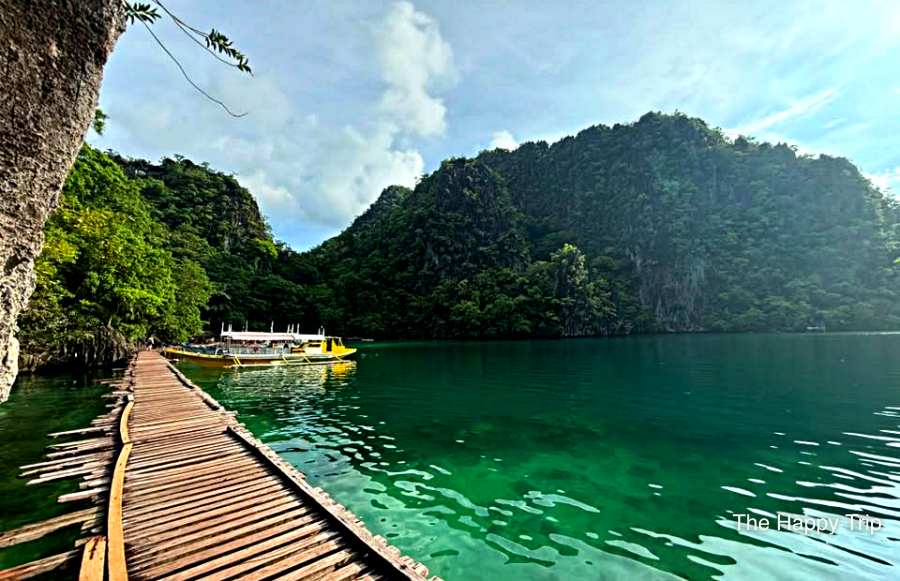
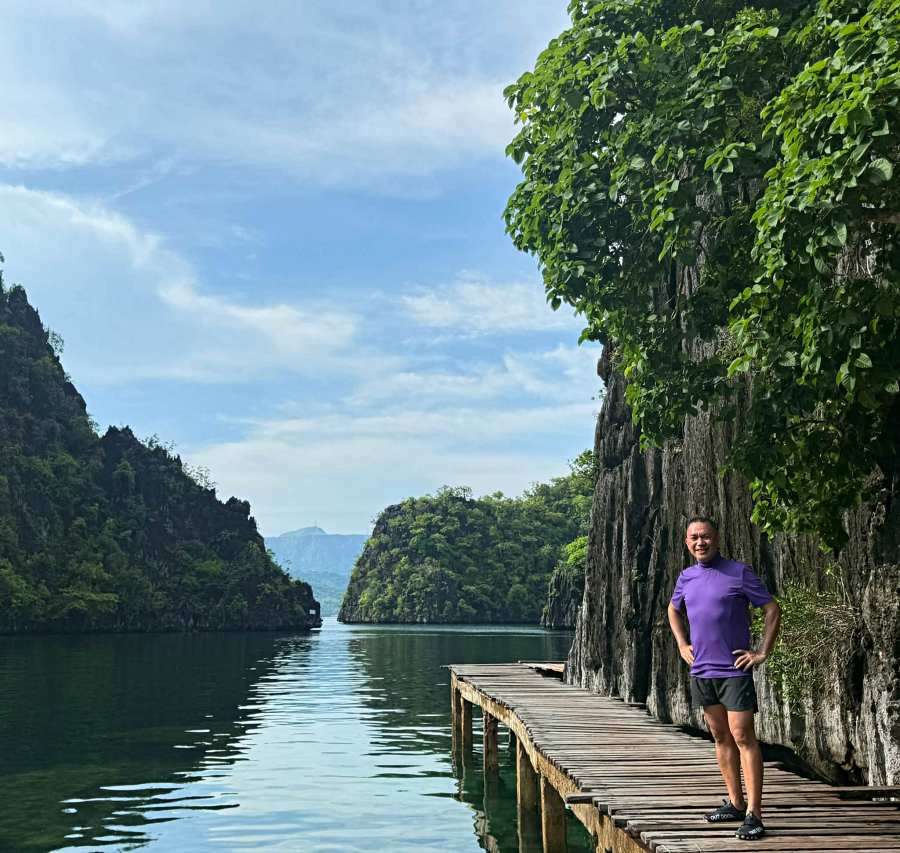
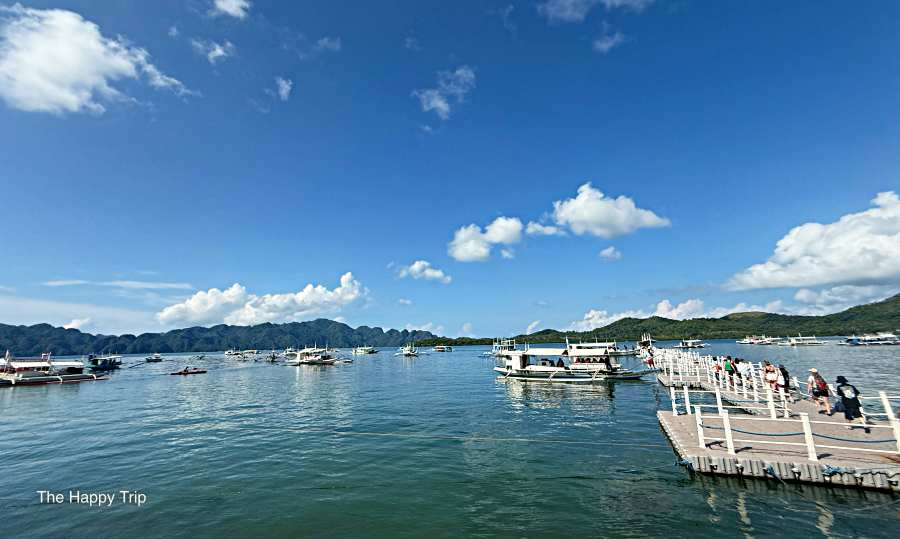
At several lagoons, elevated walkways and bridges guide visitors across sensitive areas instead of requiring everyone to step directly onto the seabed.
It is a simple intervention, yet remarkably effective.
Visitors enjoy easier access.
Marine habitats receive greater protection.
The overall experience feels more organized.
It demonstrates that sustainability is often achieved not through dramatic interventions but through thoughtful design.
Years earlier, during one of my visits to El Nido, I observed boats docking directly onto beaches, requiring passengers to disembark over shallow coral areas. While tourism practices have continued to evolve, experiences like that reinforced how important visitor management infrastructure can be in protecting fragile marine ecosystems.
Coron’s approach offers a practical model that other island destinations may wish to study and adapt where appropriate.
Sustainability Requires Investment, Not Just Good Intentions
One lesson became increasingly clear during my stay in Coron.
Many tourism stakeholders genuinely want to become more sustainable. The challenge is not always a lack of awareness—it is often the cost of making that transition.
Take renewable energy, for example.
Given Palawan’s abundant sunshine, one might expect rooftop solar panels to be a common sight across hotels, resorts, restaurants, and tourism establishments. Yet during my visit, relatively few businesses appeared to have invested in solar energy systems.
This is understandable.
Installing solar panels requires significant upfront capital, something many small and medium-sized tourism enterprises simply cannot afford, particularly after years of recovering from the pandemic and facing seasonal fluctuations in visitor arrivals.
Instead of asking businesses to shoulder the burden alone, this presents an opportunity for government to become an active partner in building a more sustainable tourism industry.
The Philippines already has policies that encourage renewable energy investments through the Renewable Energy Act and investment incentives for qualified projects. The challenge now is ensuring these opportunities become more accessible to tourism enterprises, especially small and medium-sized hotels, resorts, restaurants, and tour operators.
Imagine if tourism establishments that invest in renewable energy could receive:
- low-interest green financing;
- accelerated tax deductions for sustainability investments;
- tax credits for installing solar panels;
- simplified permitting for renewable energy projects;
- grants for energy-efficient equipment; and
- technical assistance for smaller tourism businesses.
These are not simply environmental initiatives.
They are business investments.
Lower electricity costs improve profitability.
Cleaner energy reduces dependence on imported fossil fuels.
Savings can eventually be redirected toward employee development, facility improvements, and better visitor experiences.
A more sustainable tourism industry is also a more competitive tourism industry.
One of Coron’s Best Ideas Isn’t Found in a Lagoon [ Sustainable Tourism in the Philippines ]
One of the things I appreciated most in Coron had nothing to do with its famous lakes.
It was the growing use of electric tricycles.
They may seem like a small detail, but they significantly improve the overall visitor experience.
They are noticeably quieter.
They reduce local emissions.
They create less noise pollution.
They also project an image of a destination that is looking toward the future.
As travelers, we often talk about beaches and sunsets.
Yet sustainability is equally reflected in everyday experiences—how we move around a destination, how clean the streets feel, and how comfortable it is simply walking through town.
Transportation is often overlooked in tourism discussions, but it is one of the most visible demonstrations of a community’s commitment to sustainability.
I hope more island destinations consider similar low-emission transport solutions in the years ahead.

Sustainability Is Also About Buying Local
Another observation stayed with me throughout the trip.
Many products sold in Coron—from packaged goods to some restaurant supplies—appear to come from outside the island.
Of course, geography presents real challenges.
Island destinations naturally rely on imports for many products.
But perhaps there is an opportunity to produce more locally.
Imagine if more hotels sourced vegetables from nearby farms.
If restaurants highlighted locally grown ingredients.
If souvenir shops featured more locally crafted products.
If farmers, fishers, artisans, and tourism businesses worked more closely together.
Tourism dollars would circulate longer within the local economy instead of quickly flowing elsewhere.
This is where sustainability becomes much broader than environmental conservation.
It becomes community development.
It becomes economic resilience.
It becomes Strategic Corporate Social Responsibility in its most practical form.
Rather than viewing CSR as occasional donations or beach cleanups, businesses create shared value by strengthening the very communities that support tourism.
That is a model worth pursuing.

We Need to Rethink Peak Season [ Sustainable Tourism in the Philippines ]
One lesson I have learned over years of traveling is surprisingly simple.
Sometimes the best thing we can do for a destination is change when we travel.
Many Filipinos automatically plan vacations during Holy Week, long weekends, Christmas, or summer.
Naturally, everyone arrives at almost exactly the same time.
The result?
Long queues.
Traffic.
Fully booked hotels.
Overwhelmed restaurants.
Delayed tours.
Crowded beaches.
And unfortunately, a visitor experience that often falls short of expectations.
I experienced this firsthand during a previous trip to Siquijor during Holy Week.
Everywhere we went, there were crowds.
Hotels were operating at full capacity.
Restaurants struggled to keep up with demand.
Service staff were doing their best, but no destination can provide its finest experience when it is stretched beyond comfortable capacity.
Ironically, the same destination can feel completely different just a few weeks later.
Less crowded.
More relaxing.
More enjoyable.
Often at a lower cost.

Perhaps the Smartest Traveler Is the One Who Travels Differently [ Sustainable Tourism in the Philippines ]
This is where I believe Philippine tourism policy can become even more innovative.
For years, tourism campaigns have focused on attracting more visitors.
Perhaps the next step is encouraging better distribution of visitors throughout the year.
Imagine national or local campaigns promoting a “Green Season” for domestic travel.
Hotels could offer special resident rates.
Airlines could introduce discounted packages during traditionally slower months.
Local governments could organize cultural festivals outside peak travel periods.
Restaurants and tour operators could create value-added experiences designed specifically for Filipino travelers.
Instead of everyone competing for limited hotel rooms during Easter or long weekends, visitor demand would be spread more evenly across the calendar.
The benefits would be significant.
Businesses would enjoy more stable revenue throughout the year.
Employees could experience more consistent work schedules.
Communities would receive a steadier economic flow.
Travelers would enjoy lower prices and a far more relaxed experience.
This idea aligns with recent studies highlighting the growing importance of domestic tourism to the Philippine economy. In fact, domestic travelers account for the largest share of tourism spending, making them a vital pillar of the industry’s resilience and long-term growth.
Rather than concentrating demand into just a few busy weeks each year, encouraging year-round domestic travel could strengthen both businesses and communities.
It is a win for travelers.
A win for tourism enterprises.
And ultimately, a win for the destinations themselves.
Learning from Boracay—Without Repeating History
There was a time when discussions about sustainable tourism in the Philippines almost always centered on Boracay.
Today, I believe the conversation should be different.
The real lesson from Boracay is not simply that rehabilitation was necessary.
It is that other destinations do not have to wait for a crisis before acting.
Coron.
El Nido.
Siargao.
Camiguin.
Siquijor.
Bohol.
All have an opportunity to protect what makes them special before environmental pressures become irreversible.
Preventive action will always be less costly than rehabilitation.
Good planning will always be more sustainable than emergency intervention.
And thoughtful destination management will always provide a better visitor experience than uncontrolled growth.
That may be Boracay’s greatest contribution—not merely its recovery, but the reminder that sustainability should become part of every destination’s long-term strategy from the very beginning.
Travelers Are Part of the Solution
It is easy to assume that sustainability is solely the responsibility of governments, hotels, airlines, or tour operators.
In reality, every traveler plays a role.
Every plastic bottle left behind on a beach.
Every coral touched while snorkeling.
Every piece of marine life disturbed for a photograph.
Every unnecessary use of disposable plastics.
These seemingly small actions, multiplied by millions of visitors each year, leave lasting impacts on the destinations we love.
Fortunately, the opposite is equally true.
Choosing refillable water bottles.
Supporting locally owned restaurants.
Buying handcrafted products instead of mass-produced souvenirs.
Respecting designated walkways and protected marine areas.
Traveling during less crowded periods whenever possible.
These choices may seem insignificant individually, but collectively they help preserve the very experiences we travel to enjoy.
As UN Tourism reminds us, sustainable tourism is not a destination but a continuous process that requires governments, businesses, communities, and travelers to work together in managing tourism’s economic, social, and environmental impacts.
Looking Beyond Coron [ Sustainable Tourism in the Philippines ]
One of the privileges of being a travel writer is returning to destinations over the years.
You begin to notice changes that first-time visitors might overlook.
Some are encouraging.
Others serve as reminders that growth must always be accompanied by responsibility.
Boracay, for example, reminds us that environmental problems become far more expensive to solve once they reach a crisis point.
Coron demonstrates how thoughtful visitor management—such as elevated walkways over sensitive marine areas and the gradual introduction of electric public transport—can improve both conservation and the visitor experience.
El Nido continues to showcase one of the country’s most spectacular natural landscapes, while also reminding us that tourism infrastructure must continually evolve alongside visitor demand.
Next month, I will visit Siargao once again—not simply to enjoy its famous surf breaks, but to observe how another rapidly growing destination is balancing tourism growth with environmental stewardship and community well-being.
Each destination has its own story.
Yet all of them are asking the same question:
How do we remain beautiful without being overwhelmed by our own success?
That question may well define the next chapter of Philippine tourism.
The Future Is Not More Tourism—It Is Better Tourism [ Sustainable Tourism in the Philippines ]
Around the world, tourism has rebounded strongly since the pandemic.
That recovery has brought welcome economic opportunities, but it has also renewed concerns about overcrowding, environmental degradation, and pressure on local communities.
A Reuters report noted that several of Asia’s most popular destinations are once again grappling with overtourism, prompting governments to rethink visitor management, waste reduction, and long-term sustainability. Interestingly, Boracay is now frequently cited internationally—not simply as a famous beach destination—but as a reminder of what can happen when tourism growth outpaces environmental management.
The lesson is clear.
The Philippines should never aspire to become the country with the most tourists.
Instead, we should aspire to become the country that manages tourism the best.
That means measuring success not only by arrivals, but also by:
- healthier coral reefs;
- cleaner coastlines;
- thriving local businesses;
- meaningful employment;
- renewable energy adoption;
- reduced waste;
- satisfied visitors; and
- communities that genuinely benefit from tourism.
The World Travel & Tourism Council projects continued long-term growth for Philippine tourism, underscoring the importance of ensuring that expansion is matched by investments in sustainability, infrastructure, and resilience.
Growth, after all, is only meaningful if it can be sustained.
A Personal Reflection
As I flew home from Coron, I found myself thinking less about the breathtaking lagoons and more about the conversations I had with people who depend on tourism every day.
The hotel employee hoping occupancy improves next month.
The restaurant owner waiting for the next wave of visitors.
The tricycle driver adapting to cleaner electric vehicles.
The boatmen carefully guiding tourists through protected waters.
The local entrepreneur trying to build a livelihood in a place blessed with extraordinary beauty.
They reminded me that tourism is ultimately about people.
Beautiful beaches may inspire us to visit.
But it is the communities behind those destinations that give every journey its meaning.
Perhaps that is the future we should all be working toward—not simply attracting more visitors, but creating destinations where nature is protected, businesses thrive responsibly, and local communities share in tourism’s success.
The Philippines has never lacked beautiful places.
Our greatest challenge now is ensuring they remain beautiful—not only for today’s travelers, but for future generations who deserve to experience them just as we have.
That, to me, is what sustainable tourism is really about.
And perhaps, that is the true future of Philippine tourism.
[ Sustainable Tourism in the Philippines ]
Travel Smarter: Five Ways Every Traveler Can Help
Before ending this conversation, here are five simple ways each of us can contribute to a more sustainable tourism industry:
✔ Travel during the off-season whenever weather conditions allow.
You’ll often enjoy lower prices, less crowded attractions, and better service while helping local businesses earn income beyond the traditional peak months.
✔ Support local businesses.
Choose locally owned accommodations, restaurants, guides, and artisans whenever possible so that more tourism revenue stays within the community.
✔ Bring your own reusable essentials.
A refillable water bottle, reusable shopping bag, and reusable utensils can significantly reduce plastic waste, especially on islands where waste disposal is more challenging.
✔ Respect nature.
Stay on designated walkways, avoid touching corals or marine life, and follow environmental guidelines established by local authorities and tour operators.
✔ Be a responsible storyteller.
Share not only beautiful photographs but also stories that encourage responsible travel and inspire others to protect the destinations they visit.
References
- UN Tourism – Sustainable Development
- Philippine National Tourism Development Plan 2023–2028
- Asian Development Bank – Sustainable Tourism Development in Coron and El Nido
- World Bank – Sustainable, Inclusive and Resilient Tourism Project (Philippines)
- World Travel & Tourism Council – Philippines Travel & Tourism Outlook
- Reuters – Post-COVID Tourism Boom Sparks Overtourism Concerns in Asia
- Department of Tourism, Philippines
More Stories
- CARAMOAN ISLAND, CAMARINES SUR TRAVEL GUIDE
- GUERRERO FARM AND NATURE PARK | TALISAY CITY
- STONEPEAK CAFE DON SALVADOR BENEDICTO
- SINIGAYAN FESTIVAL SCHEDULE OF ACTIVITIES
- SIARGAO RESORTS AND HOTEL
- SUBIC TOURIST SPOTS | TRAVEL GUIDE
- SAN CARLOS CITY, NEGROS OCCIDENTAL TRAVEL GUIDE
- NATAASAN BEACH RESORT SIPALAY, NEGROS OCCIDENTAL
- PLAZA DE MASSKARA AT THE UPPER EAST
- Belmont Hotel Iloilo: My Honest Stay & Travel Guide (2026)
- Luk Foo Palace Bacolod: Where Great Food Brings Family & Friends Together
- Guimaras Tourism Is Growing Up: A Repeat Visitor’s Honest View

Question 1: Should Governments Prioritize Tourist Growth or Destination Carrying Capacity?
I believe governments should prioritize a destination’s carrying capacity rather than simply trying to attract more tourists. While tourism brings many benefits, such as creating jobs, increasing business opportunities, and generating income for the economy, too much tourism can also create serious problems. Popular destinations can become overcrowded, natural resources may be damaged, and cultural or historical sites can lose their value because of overuse. Local residents may also experience higher living costs and a lower quality of life.
Instead of focusing only on increasing tourist arrivals, governments should aim for a balance between tourism growth and sustainability. They can do this by setting visitor limits in sensitive areas, investing in better infrastructure, protecting the environment, and involving local communities in tourism planning. In the long run, taking care of a destination will benefit both visitors and the people who live there, ensuring that future generations can continue to enjoy it.
Question 2: Who Bears the Greatest Responsibility for Sustainable Tourism—Government, Businesses, Communities, or Tourists?
Sustainable tourism is everyone’s responsibility, but I believe governments have the biggest role because they create the laws and policies that guide the tourism industry. They have the authority to protect natural and cultural attractions, regulate tourism activities, and ensure that tourism development benefits both the economy and local communities.
That said, governments cannot do everything on their own. Businesses should operate responsibly by reducing their environmental impact, supporting local communities, and treating their employees fairly. Local communities should also take part in protecting their culture and natural resources while working with tourism stakeholders. At the same time, tourists have a responsibility to travel respectfully by following local rules, respecting traditions, reducing waste, and supporting businesses that promote sustainable practices.
In the end, sustainable tourism is successful only when everyone works together. Governments may lead the way by creating policies and enforcing regulations, but businesses, communities, and tourists all have an important part to play. When each group does its share, tourism can continue to provide economic opportunities while preserving the environment and protecting the culture and identity of local communities.
1. Should Governments Prioritize Tourist Growth or Destination Carrying Capacity?
Governments should prioritize destination carrying capacity because tourism growth is only sustainable when environmental, cultural, and social resources remain protected.
Excessive tourism may generate short-term economic gains, but it often results in environmental degradation, overcrowding, declining visitor satisfaction, and deterioration of local quality of life. Sustainable tourism emphasizes balancing economic development with ecological preservation and community welfare. Similar policy directions have been adopted in destinations that now integrate sustainability into tourism governance.
Carrying capacity represents an investment in long-term competitiveness. Destinations that preserve their natural and cultural assets maintain stronger tourism resilience than those pursuing unrestricted visitor growth.
Therefore, governments should shift from measuring tourism success solely through visitor arrivals toward indicators such as environmental quality, resident satisfaction, visitor experience, and community benefits.
________________________________________
2. Who Bears the Greatest Responsibility for Sustainable Tourism—Government, Businesses, Communities, or Tourists?
Sustainable tourism is a shared responsibility among all stakeholders, although governments hold the primary responsibility because they establish policies, regulations, and institutional frameworks.
Governments create zoning laws, environmental standards, infrastructure investments, and enforcement mechanisms. Businesses translate these policies into sustainable operations through responsible resource management and ethical business practices. Communities preserve local culture and participate in destination planning, while tourists contribute through responsible consumption and respect for local environments.
Sustainable tourism functions as an interconnected governance network rather than a hierarchy of isolated actors. When one stakeholder fails, the entire tourism ecosystem becomes vulnerable.
Thus, while governments provide leadership, sustainable tourism ultimately succeeds through collaborative governance where businesses, communities, tourists, and public institutions work toward common sustainability objectives.