Sustainable Tourism Operations
Contents
“The true measure of a successful destination is not how many visitors it attracts, but how well it sustains the people, businesses, and places that make those visits possible.”
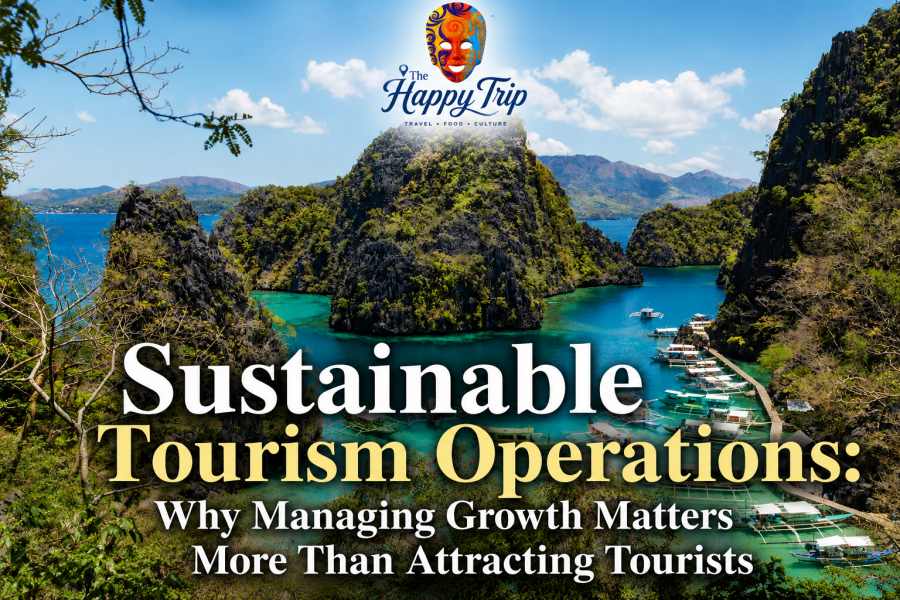
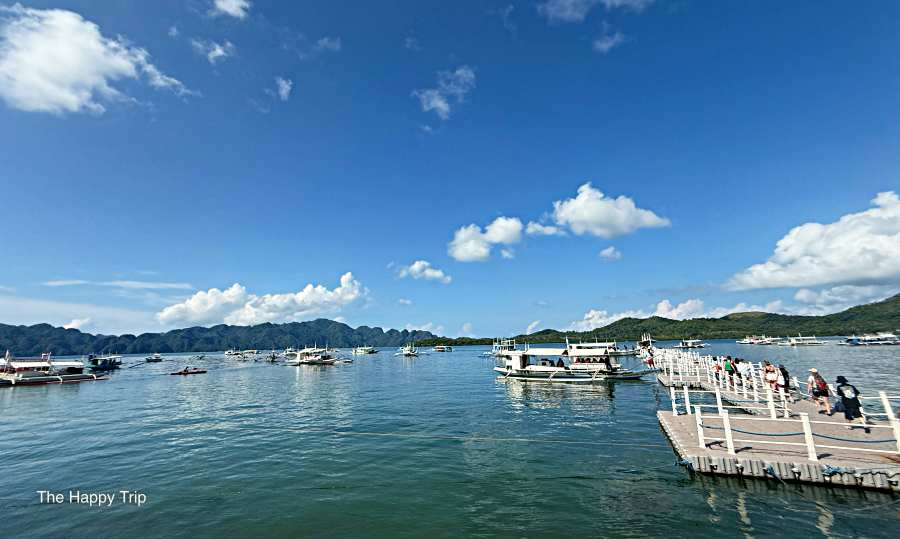
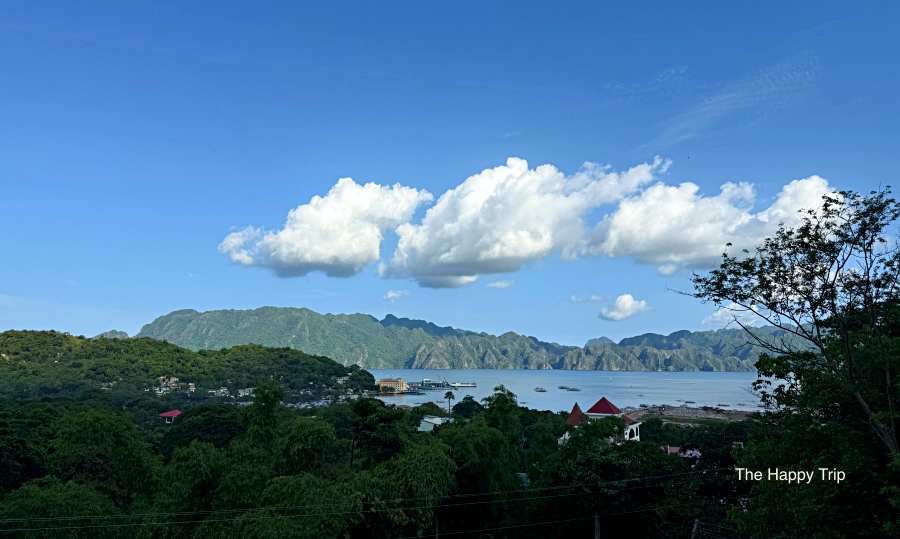
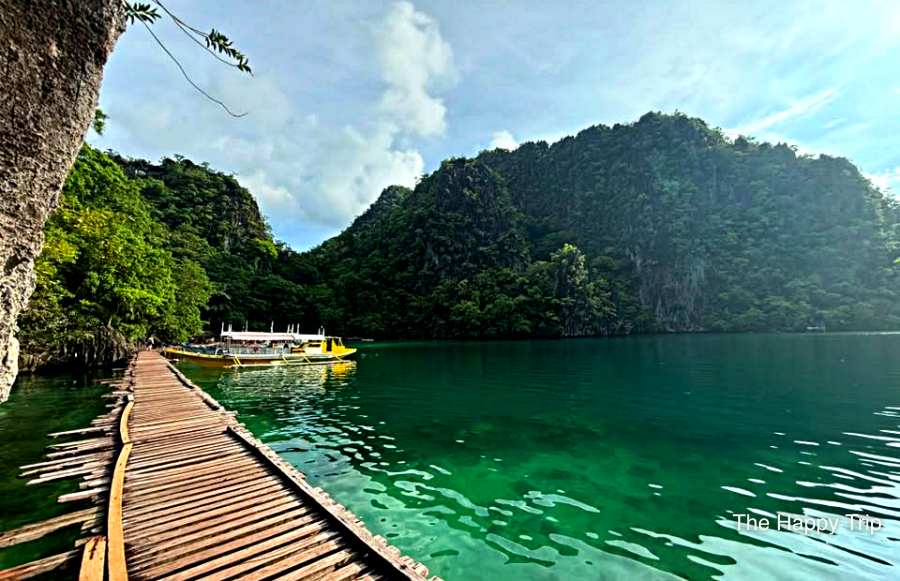
Standing on the viewing deck of our boat in Coron, Palawan, I couldn’t help but admire the towering limestone cliffs rising dramatically from crystal-clear waters. The scenery was exactly what travelers dream about. Tourists snapped photographs, boats moved from one island to another, and everything appeared to be thriving.
It was only later, while talking with several hotel operators and tourism workers, that I discovered a different story.
Despite Coron’s world-class attractions, many businesses were operating with skeletal staff because it was the lean season. Some hotels had significantly lower occupancy. Employees worked fewer hours. Boat operators waited longer between bookings, hoping another group of visitors would arrive before the day ended.
Nothing about this was immediately visible to tourists.
That conversation reminded me that sustainability is not always something we can see.
Sometimes the greatest challenges facing a destination happen quietly, behind hotel reception desks, inside restaurant kitchens, or in the lives of workers whose livelihoods depend on tourism.
It also changed the way I think about sustainable tourism.
Whenever people hear the phrase sustainable tourism, environmental protection usually dominates the conversation.
We think about keeping beaches clean, protecting coral reefs, preserving forests, reducing plastic waste, and conserving wildlife. These are undoubtedly important because healthy ecosystems are among tourism’s greatest assets.
But sustainability extends far beyond environmental conservation.
According to UN Tourism, sustainable tourism considers not only environmental impacts but also the economic, social, and cultural dimensions of tourism, ensuring that destinations continue to benefit visitors, businesses, host communities, and future generations.
Similarly, the Global Sustainable Tourism Council (GSTC) identifies four pillars of sustainable tourism:
This broader perspective recognizes that a destination cannot be considered sustainable simply because its natural attractions remain beautiful.
If tourism workers struggle to earn stable incomes…
If local businesses survive only during peak seasons…
If communities begin feeling excluded from tourism’s benefits…
…then sustainability remains incomplete.
For me, this represents one of the most important lessons in modern tourism.
A destination succeeds when everyone involved in creating the visitor experience succeeds together.
Many people think tourism consists primarily of hotels, airlines, and attractions.
In reality, tourism operates much like an ecosystem.
Every visitor experience depends upon a network of interconnected people and organizations.
Neil Leiper’s Tourism System, first introduced in 1979, explains that tourism functions through relationships among travelers, transportation providers, accommodation establishments, governments, host communities, and supporting industries.
That interconnectedness becomes obvious once we start paying attention.
The seafood served in a beachfront restaurant began with local fishermen.
Fresh vegetables were supplied by nearby farmers.
Transportation providers moved visitors throughout the destination.
Housekeepers prepared hotel rooms.
Guides shared stories that brought history and culture to life.
Local governments maintained roads, regulated businesses, and managed public services.
Every memorable holiday depends on hundreds of people whom tourists may never meet.
When one part of this system weakens, the effects eventually reach everyone.
Poor waste management affects beaches.
Traffic congestion frustrates visitors.
Staff shortages reduce service quality.
Inadequate transportation limits mobility.
Weak local supply chains reduce business competitiveness.
Tourism, therefore, cannot be managed in isolation.
Every stakeholder influences the destination experience.
For decades, tourism success was measured almost entirely by visitor arrivals.
The larger the number, the more successful the destination appeared.
Today, that way of thinking is gradually changing.
According to UN Tourism (2024), international tourism has largely recovered to pre-pandemic levels. Many destinations once again welcome millions of visitors each year.
While this recovery is encouraging, it has also revived familiar challenges.
Roads become congested.
Public facilities experience greater pressure.
Popular attractions become crowded.
Environmental management becomes more difficult.
Service quality becomes harder to maintain.
Recognizing these realities, the OECD Tourism Trends and Policies 2024 report encourages destinations to move beyond simply increasing arrivals and instead focus on resilience, quality, and long-term sustainability.
I believe this shift is overdue.
Tourism growth should never become an end in itself.
The objective is not simply attracting more visitors.
It is ensuring that destinations remain enjoyable for visitors while continuing to improve the lives of residents.
Growth without preparation eventually becomes a liability.
Well-managed growth becomes an asset.
Most travelers naturally prefer visiting during peak season.
Festivals create excitement.
Hotels are lively.
Restaurants are busy.
Everything feels vibrant.
Yet my visit to Coron reminded me that tourism tells a different story during quieter months.
While visitors enjoy lower prices and fewer crowds, many tourism businesses face difficult operational decisions.
Hotels reduce staffing.
Restaurants operate with fewer employees.
Boat operators wait longer between bookings.
Souvenir shops experience fewer customers.
For tourism workers, this often means reduced working hours and lower incomes.
The World Travel & Tourism Council (WTTC) identifies seasonality as one of tourism’s most significant operational challenges because businesses must continue paying many fixed expenses even when visitor numbers decline.
This experience changed my perspective.
Traveling during the lean season offers benefits beyond lower prices and shorter queues.
It also provides opportunities to support destinations precisely when they need visitors the most.
No individual traveler can solve seasonality.
However, encouraging year-round tourism, promoting shoulder-season travel, and developing experiences beyond traditional peak periods can create more stable employment and stronger local economies.
From an operations perspective, sustainability means creating value throughout the year—not only during holidays and festivals.
As travelers, we often judge destinations by what we see.
Beautiful beaches.
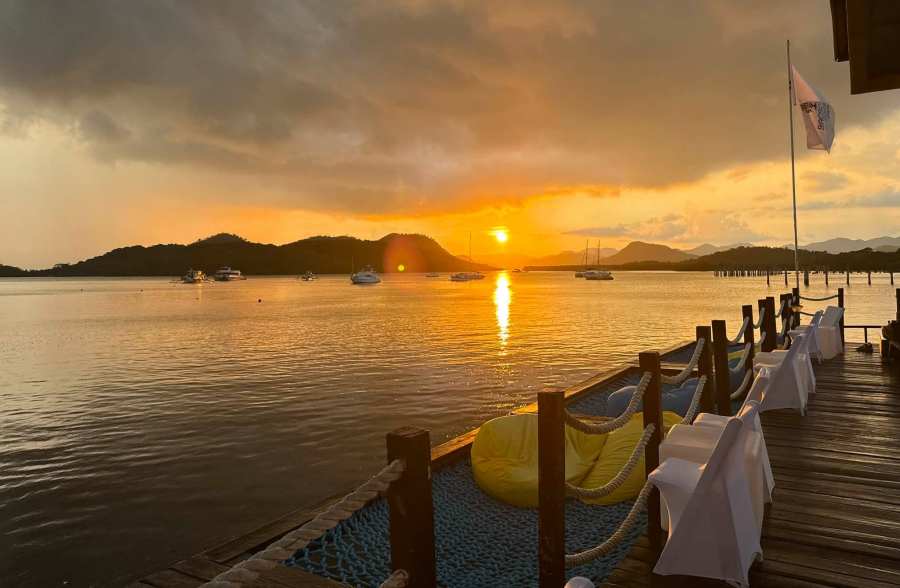
Spectacular sunsets.
Historic landmarks.
Luxury resorts.
But sustainable tourism invites us to look beyond the postcard.
It asks us to consider the people who prepare our meals, clean our hotel rooms, guide our tours, drive our vehicles, and create the products we bring home.
Those people are just as important as the attractions themselves.
When tourism creates opportunities for businesses, provides stable livelihoods for workers, protects natural resources, and earns the support of local communities, destinations become stronger and more resilient.
That, to me, is what sustainable tourism operations truly mean.
They are not simply about protecting destinations.
They are about ensuring that tourism continues creating value—for visitors, businesses, communities, and future generations.
Creative Bacolod ' Creative Bacolod: A New Reason to Travel, Explore and Fall in…
Mynt IPO Opens to Filipino Retail Investors Through GStocks PH Mynt IPO Opens to Filipino…
Create Custom Sticker Sheets to Boost Your Travelling Event Stickers have a way of turning…
Bacolod Public Plaza & NGC Fountain Redevelopment Bacolod Public Plaza & NGC Fountain Redevelopment: Did…
Experience MassKara 2026 Experience MassKara 2026: Where Bacolod’s Smile Reaches the World There is a…
What a Local Trekking Company Checks Before Sending a Group to Annapurna Base Camp Annapurna…
View Comments
1. As an Operations Manager in Coron, I would keep a flexible workforce during periods of fluctuating demand by maintaining a core team and assigning employees to multiple roles when tourist arrivals are low. A practical strategy is to maintain a small core workforce and cross-train employees.
I would also collaborate with local fishermen, farmers, artisans and tour guides to create affordable experiences for tourists who still visit during the off-season. Through this, it helps generate income not only for the business but also for local residents offering their services.
And to manage costs, I would adjust business operating hours, control inventory purchases, and reduce unnecessary utility consumption while maintaining quality service. I believe that during lean season can also be used for staff training, facility maintenance, and developing new tourism packages.
2. To balance demand and capacity, I would use demand management strategies such as promoting visits during lean seasons, implementing booking and reservation systems for popular attractions. I would also recommend effective capacity planning through expansion of infrastructure only to where it's necessary and sustainable and forecast tourist arrivals accurately. I would also use sustainable resource management through establishing visitor limits in environmentally sensitive areas or sites, and also through investing in renewable energy, water conservation, and waste reduction programs. And lastly, I would recommend community-centered operations through supporting community-based tourism initiatives.
1.STRATEGIES TO MANAGE CAPACITY, STAFFING AND OPERATING COST DURING FLUCTUATING DEMAND?
A.FORECASTING - In order to estimate the number of customers/ tourists during lean season. You may ask the front lines ( Security guards, information desk, waiters/servers, customer associates etc., how often and how many customers dine in different seasons. Gathering last year data is still helpful as your basis.
B.CAPACITY PLANNING / SCHEDULING - You may hire additional part time or on call employees in order to sustain the manpower. Give your employees enough time to prepare but efficient, divide the workloads equally, and make sure the number of staff is enough to cater the guests and tourists.
C.INVENTORY MANAGEMENT/ LEAN MANAGEMENT - Balance the necessary stocks available to cater the projected number of customers. Avoid unnecessary materials, time, wastes, job. Make sure the stocks purchase, inventory,time are monitored and should balance to Accounting
2.OPERATING STRATEGIES TO BALANCE THE INCREASING DEMAND WITH LIMITED INFRASTRUCTURE, SERVICE CAPACITY, ENVIRONMENTAL RESOURCES, AND COMMUN ITIES NEEDS.
A.FACILITY LAYOUT - Try to figure out / positioning of different facilities to cater customer, check available areas, inside or outside, you can use also the ground and make it aesthetic, neat and organized to cater customers with out spending too much to create additional infrastructure.
B.PROCESS DESIGN / SCHEDULING - process flow will help customers to catered conveniently. While the customers is waiting in the area someone will interview and list down the customers preferred menu or food, give the list so that if its their turn in the cashier, the cashier will only click and type their chosen menu without taking time in a long conversation. Schedule the staffs and balanced their workloads.
C.PHILANTHROPIC ACTIVITIES/ OUTREACH PROGRAM/ SUSTAINING THE ENVIRONMENT- As a giveback to our mother earth for giving the beautiful sceneries for free while businesses are making revenues. Protect and save the whole area/ environment like trees, habitats, animals. Educate the public about sustaining the environment,let them involve in segregation, coastal clean up, tree planting, and more. Give the people with their livelihood like example; Making bags , collection, personalized, dress, slipper out of rattan, leaves and different sources while they earn money. Allocate funds or budget for environment and people they are the reason why we earn.
by : ALEXANDEE REMADA
Q1 Answer:
As an operations manager, I would prioritise a flexible operating system rather than simply reducing costs during the lean season. This includes cross-training employees to perform multiple roles, enabling efficient workforce utilisation while maintaining service quality. The lean season should also be used for preventive maintenance, staff training, and process improvements to enhance operational readiness. Capacity can be managed by consolidating facilities based on occupancy levels to reduce operating costs without affecting the guest experience. Lastly, collaborating with local tourism stakeholders to develop off-season packages can help stabilise demand, generate revenue, and strengthen the destination's overall tourism ecosystem.
Q2 Answer:
A destination can balance increasing tourist demand by applying operations management principles that maximise resource efficiency rather than simply increasing visitor numbers. Capacity planning, such as implementing visitor limits and reservation systems, helps prevent overcrowding and protects infrastructure and environmental resources. Demand management strategies, including promoting off-peak travel and alternative attractions, distribute visitor flow more evenly throughout the year. In addition, technology integration, such as digital bookings and real-time visitor monitoring, improves operational efficiency and decision-making. Finally, strong collaboration among government, businesses, and local communities ensures tourism growth remains sustainable, benefiting both residents and future generations.
-Mikko Garceniego
1. As an operations manager in Coron, I recommend five strategies to mitigate lean-season fluctuations. First, implement flexible staffing using part-time, seasonal, or cross-trained employees to scale labor with demand. Second, manage capacity by adjusting operating hours or temporarily closing underutilized facilities to cut overhead. Third, use dynamic pricing and off-peak promotions to stimulate revenue. Fourth, control costs by adopting energy-efficient systems and renegotiating vendor contracts to lower fixed expenses. Finally, diversify offerings with year-round cultural or community events to smooth demand.
2. To balance rising demand with limited resources, destinations can apply five key Operations Management strategies. First, use capacity planning to forecast demand and align infrastructure to prevent overcrowding. Second, implement demand management via visitor caps and dynamic pricing to spread arrivals evenly. Third, apply process optimization to streamline transport, housing, and waste management for maximum efficiency. Fourth, adopt sustainable operations practices like energy efficiency and waste reduction to protect ecosystems. Finally, utilize community integration to secure local jobs and preserve culture.
1. As an operations manager, I will implement the following strategies:
a. Cost Control and Resource Optimization
b. Demand Management
c. Flexible Staffing
e. Flexible Capacity Management
2. Operations Management emphasizes the efficient use of resources to achieve organizational goals while maintaining quality and sustainability. In tourism, success should focus on managing demand effectively rather than simply increasing visitor numbers.
Recommended Operational Strategies:
a. Demand Forecasting and Visitor Distribution
b. Capacity Management
c. Quality Management
d. Community Engagement & Environmental Sustainability
My suggestions for operational strategies to be used in Coron Palawan is to create hard & soft carrying capacity limits or simply quotas-implement strict daily visitor caps and time-slotted booking reservations for ecologically sensitive sites. Charge higher environmental fees and entry prices during peak hours/seasons, while discounting off-peak slots. Redesign physical pathways and tour itineraries into single-direction loops and enforce staggered departure schedules for tour boats. Require tourism operators to implement rainwater harvesting, solar integration, and strict zero-single-use-plastic policies. Prioritize local sourcing for food, crafts, and guidance, and allocate a portion of entry fees to local municipal infrastructure funds.
1. To manage fluctuating tourism demand in a destination like Coron, businesses should reduce costs while maintaining essential operations. This can be achieved by closing unused wings or facilities to lower utility expenses, scheduling major maintenance and repairs during the off-season, and cross-training employees so a smaller workforce can perform multiple roles efficiently. Rather than relying on heavy discounts to fill rooms, businesses should attract alternative market segments, such as remote workers and corporate groups, to diversify demand. At the same time, improving inventory management and coordinating supplier orders more carefully can help minimize waste and reduce unnecessary operating costs.
2. To balance growing tourist demand with limited resources, Coron needs to move away from a mass tourism approach and adopt a more organized operations management strategy. Instead of simply accepting more visitors, the destination should set andenforce environmental carrying capacity limits for its most sensitive sites. This can be done through timed entry schedules, mandatory advance bookings, and variable pricing during peak periods to better manage visitor flow and reduce overcrowding. At the same time, Coron should strengthen its infrastructure by investing in better waste management systems, wastewater treatment facilities, and renewableenergy solutions such as solar microgrids. These improvements can help the destination handle tourism demand more sustainably. Visitor traffic can also bespread more evenly by promoting lesser-known inland and secondary attractions, reducing pressure on the area's most popular sites. Tour operators also have an important role in protecting the environment. Following clear standard operating procedures, such as using designated mooring buoys and enforcing zero-plastic policies, can help minimize environmental damage. In the long run, Coron should measure success not only by the number of touristarrivals but also by the health of its ecosystems, the capacity of its infrastructure, and the well-being of local communities. Focusing on these indicators will allow the destination to support tourism while preserving its natural resources for the future.
1. As an operations manager, I would recommend using flexible staffing, cross-training employees, adjusting operating capacity, offering seasonal promotions, and improving inventory management to reduce costs, maximize resources, and maintain service quality during periods of fluctuating demand.
2. Rather than focusing solely on increasing tourist arrivals, tourism destinations should adopt operational strategies such as capacity management, demand forecasting, resource optimization, and community-based planning to ensure sustainable growth, efficient operations, and long-term benefits for both visitors and residents.
Question 1
1.Implement flexible staffing models – retain a small core team and hire part‑time/temporary workers during peaks; reduce hours or offer voluntary time‑off in lean periods.
2.Cross‑train employees so they can perform multiple roles (e.g., front desk, housekeeping, basic maintenance), enabling leaner crews to cover essential tasks without overworking.
3.Use lean season for maintenance and training – schedule facility upgrades, equipment repairs, and staff skill‑development programmes when occupancy is low, converting idle time into productivity.
4.Adopt dynamic pricing and off‑peak promotions – lower rates, package deals, or local‑resident discounts to attract price‑sensitive travellers and smooth demand across the year.
5.Diversify revenue streams – develop shoulder‑season events, workshops, or corporate retreats that appeal to non‑traditional segments, reducing reliance on peak tourism.
Question 2
1.Establish carrying capacity limits – set daily or hourly caps for attractions, enforce through reservation systems, and monitor visitor flows to prevent overcrowding and infrastructure strain.
2.Implement spatial and temporal dispersal – promote alternate routes, secondary sites, and off‑peak visiting hours to redistribute pressure from congested hotspots to underused areas.
3.Invest in resilient infrastructure – prioritise waste management, water supply, and transport upgrades that match sustainable growth targets, not just peak visitor numbers.
4.Strengthen local supply chains and community partnerships – procure goods and services locally, involve residents in planning, and ensure that tourism revenue directly funds community projects (e.g., schools, health clinics).
5.Adopt real‑time performance monitoring – track environmental indicators (e.g., water usage, waste per visitor) alongside visitor satisfaction and resident sentiment, and adjust operations dynamically to stay within ecological and social limits.
6.Shift focus from volume to value – target higher‑spending, longer‑staying visitors and encourage repeat visits, reducing the need for endless arrivals while improving economic yield per visitor.
Girlie Cataraja- MBA Operational Management
Question 1: Managing Fluctuating Demand in Coron
Recommended strategies:
1. Adjust staffing by hiring seasonal or part-time employees during peak seasons.
2. Cross-train employees so they can handle different tasks when staff is limited.
3. Reduce operating costs by cutting unnecessary expenses and operating only needed facilities during the lean season.
4. Use demand forecasting to plan staffing and resources based on expected tourist arrivals.
5. Offer off-season promotions to attract more visitors during slow periods.
A destination can balance increasing demand by managing the number of visitors and using resources efficiently. This helps maintain service quality, protect the environment, and benefit the local community.
Question 2: Balancing Demand with Limited Resources
Recommended operational strategies:
1. Set visitor limits to avoid overcrowding.
2. Use reservation or booking systems to control visitor flow.
3. Improve infrastructure and services to match demand.
4. Practice sustainable resource management, such as proper waste disposal and conservation.
5. Support local businesses and involve the community so tourism benefits both residents and visitors.