
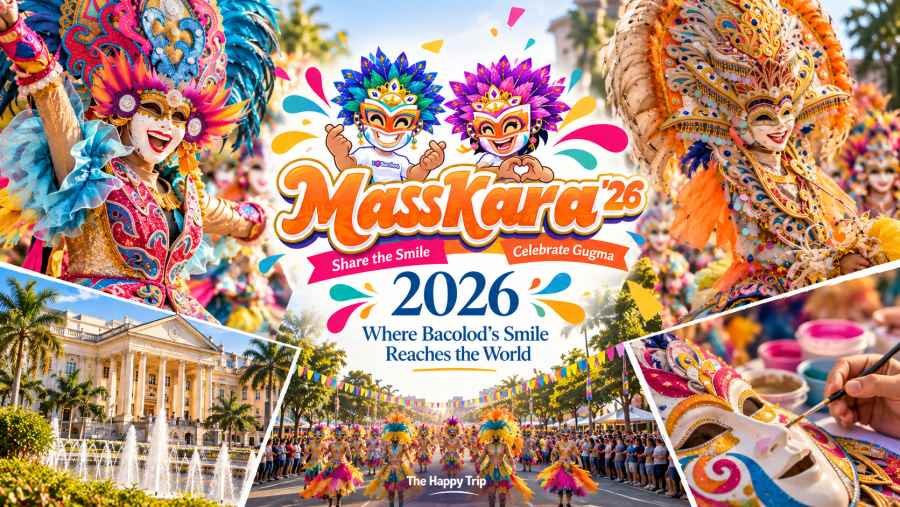
Experience MassKara 2026
Experience MassKara 2026: Where Bacolod’s Smile Reaches the World
Contents
There is a particular moment before MassKara begins when Bacolod starts to feel different.
The masks have not yet filled the streets. The dancers have not yet taken over the avenues. The music has not yet reached its festival volume. But the signs are everywhere: new faces appearing on posters, candidates stepping into the spotlight, costumes being prepared, performers rehearsing, artists creating, organizers holding press conferences, and social media feeds slowly turning into a preview of what is coming.
Experience MassKara 2026, and you will discover that the festival is not something that simply happens on one spectacular weekend.
It builds.
This year, the 47th MassKara Festival runs from October 1 to 18, with major activities from October 9 onward and the biggest competitive and street celebrations taking place October 16 to 18. The closing and awarding ceremonies are scheduled for October 25.
And as of this writing, MassKara is already very much in motion.
The festival has been launched. Its visual identity has been revealed. The Miss Bacolod MassKara candidates have been introduced. Performers are rehearsing. Artists and communities are preparing.
The festival has not started.
But Bacolod is already preparing to smile.
And this year, that smile is ready to reach even farther.

Photo courtesy of the Bacolod MassKara 2026 official page.
Meet Max and Kara [ Experience MassKara 2026 ]
One of the first things visitors will notice about MassKara 2026 is its new visual identity.
For the first time, the festival has twin characters: ’To Max and ’Day Kara, created by Bacolod illustrator Mark Lester Jarmin around this year’s theme, “Share the Smile. Celebrate Gugma.”
’To Max represents the familiar Bacolod—the city people know, love and proudly share. ’Day Kara brings a younger, more contemporary personality, reflecting the youthful energy and gugma, or love, associated with the celebration.
Look at the two together and another detail emerges: their silhouettes form a heart.
Their lettering also pays homage to the original MassKara logo created by artist Ely Santiago, connecting the new identity with the festival’s artistic roots.
So Max and Kara are more than new characters for a new edition.
A new face, but the same smile.
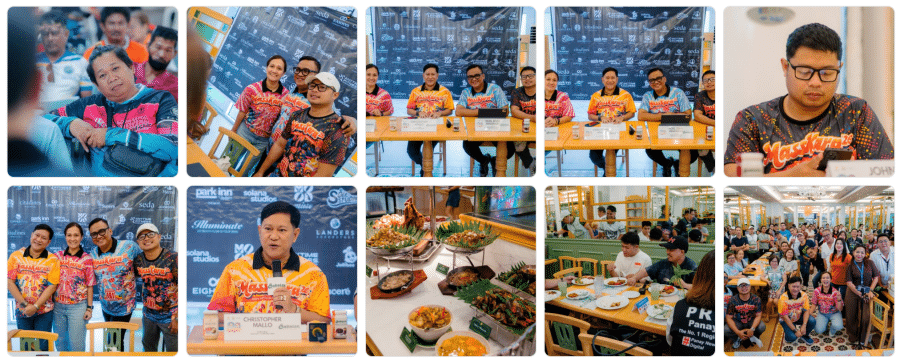
Photo courtesy of the Bacolod MassKara 2026 official page.
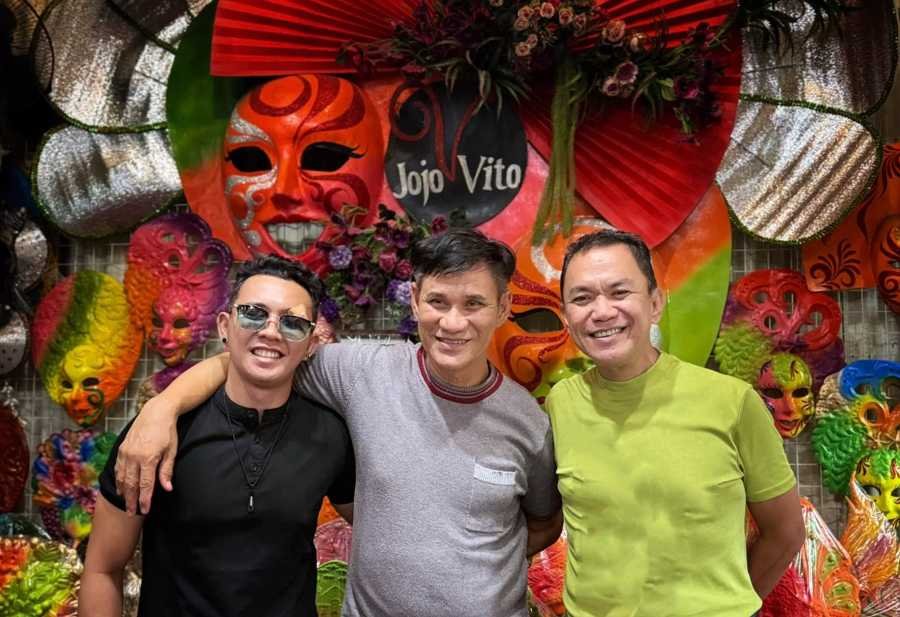
The Artists Behind the Spectacle [ Experience MassKara 2026 ]
MassKara is easy to photograph.
It is harder—and more rewarding—to appreciate the number of artists who make those photographs possible.
Behind every spectacular presentation are choreographers, dancers, mask makers, costume designers, visual artists, musicians, logo and creative designers, production teams, community organizers and volunteers.
The mask is only one part of the picture.
A MassKara performance is an entire visual composition—mask, headdress, costume, movement, music and character coming together on the street.
And behind each element is someone creating it.
If you want to go deeper into the artistic history behind the festival, The Happy Trip has explored the artists and creative forces that helped shape MassKara over the years.
The spectacle may last minutes. The creativity behind it takes months.

Photo courtesy of the Bacolod MassKara 2026 official page.
Meet the Women Carrying Their Barangays [ Experience MassKara 2026 ]
If you want to see how MassKara connects with the communities of Bacolod, look at Miss Bacolod MassKara 2026.
This year, 15 candidates represent different barangays, including Alijis, Barangay 29, Taculing, Mandalagan, Sum-ag, Estefania, Granada, Tangub, Mansilingan, Bata, Singcang, Barangay 32, Cabug, Villamonte and Pahanocoy.
That changes the way the pageant can be experienced.
A visitor may watch a coronation.
A Bacolodnon may be watching someone carry the name of her own community onto the stage.
The candidates will go through a series of activities leading to the Miss Bacolod MassKara coronation on October 11 at the STI West Negros University Gymnasium.
So if pageants are part of your itinerary, don’t wait only for coronation night.
Follow the journey.
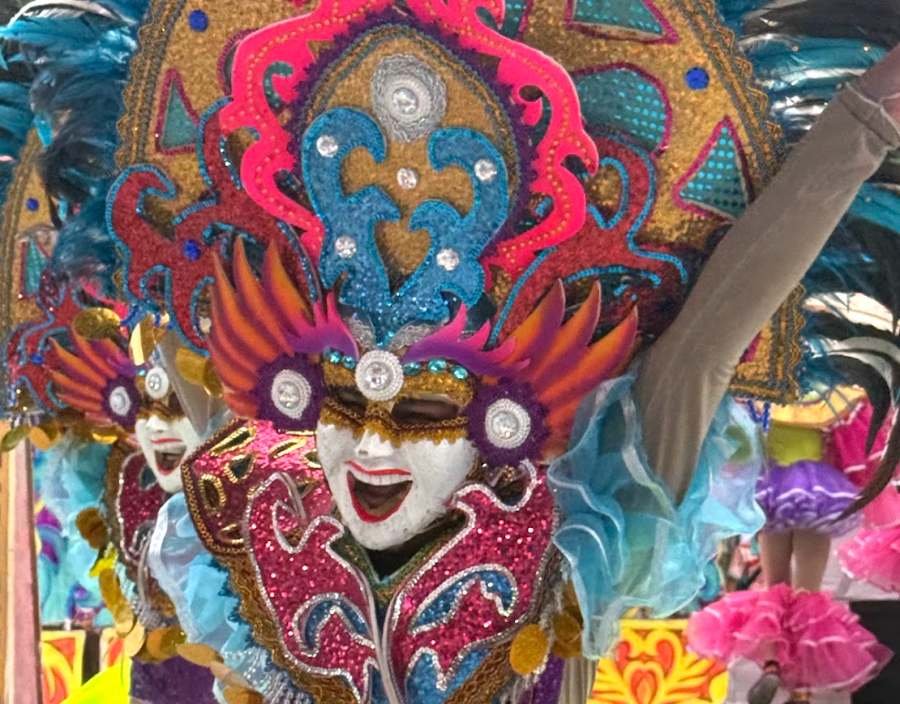
Don’t Arrive Only for the Big Parade
This may be the biggest mistake a first-time MassKara visitor can make.
Arrive for the finale and you will see the spectacle.
Arrive earlier and you can see how Bacolod becomes MassKara.
The first week already offers activities before the festival reaches its most intense stretch—food kiosks, MassKareppin, the MassKara Job Fair, pageant activities, mask painting, and school displays.
That is the quieter side of the festival.
Watch people paint masks.
Look at costumes before they are worn in competition.
Talk to vendors.
Walk through exhibits.
Follow the pageant activities.
Then, as October progresses, the volume rises.
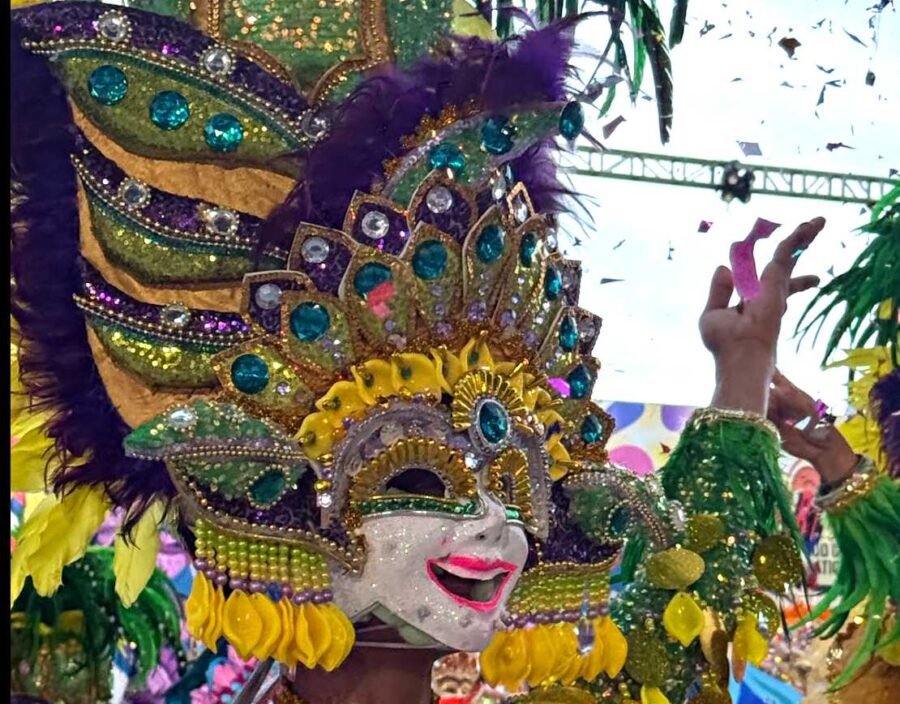
October 9: The Festival Turns Up the Volume [ Experience MassKara 2026 ]
By October 9, Bacolod begins to feel unmistakably like MassKara season.
The schedule includes another MassKareppin elimination, the MassKaraP Battle, the Choreographers Showdown, and evening festivities.
The following days bring PetsKara, the Drum and Lyre Corps Competition, ZumdiGras, Market Day, Super KidsKara, SingKara and the Miss Bacolod MassKara coronation.
This is why staying several days changes the experience.
You are not simply checking events off a list.
You are watching the city change tempo.
Taste MassKara
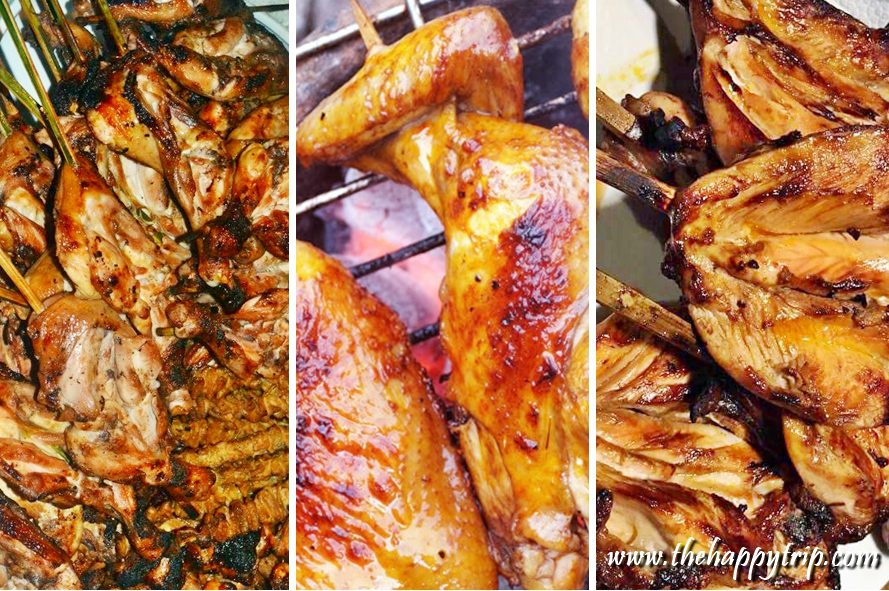
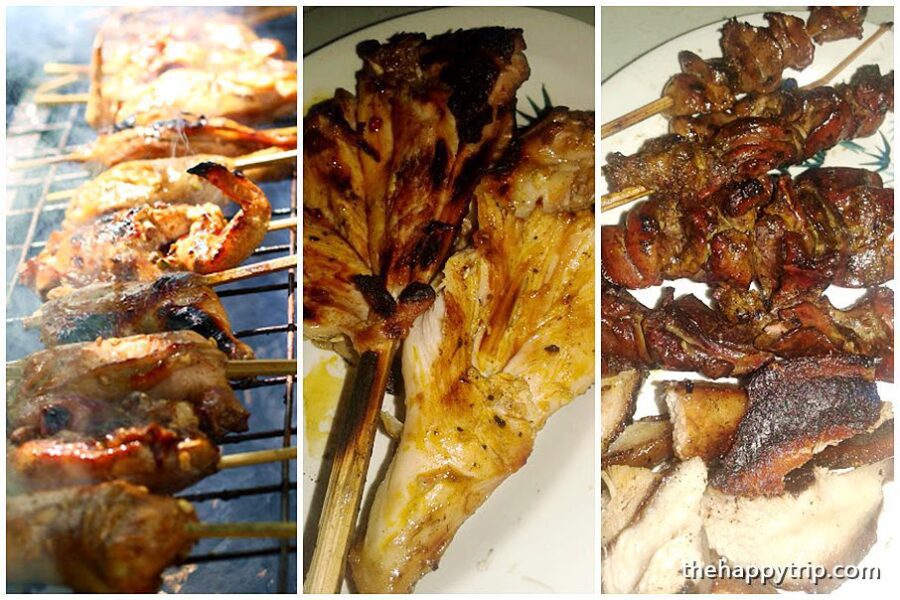
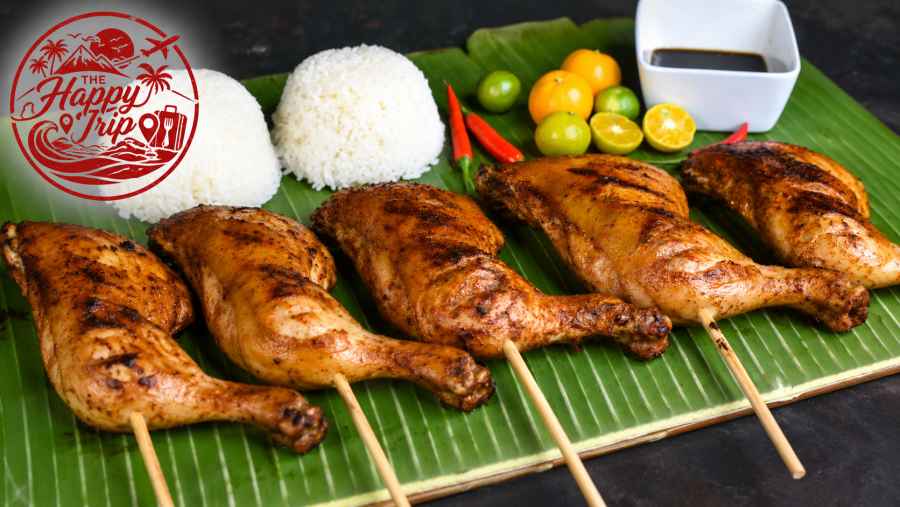
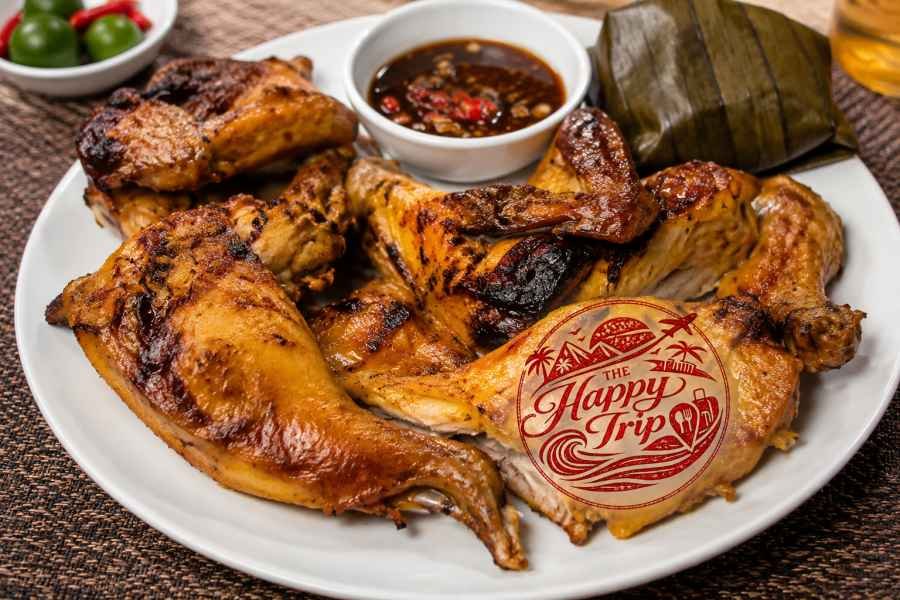
For travelers who want something beyond performances, Market Day deserves space on the itinerary.
Festivals are often remembered through their biggest photographs, but people also remember the food they discovered, the handmade item they brought home, the conversation with a vendor, or the unexpected local product they had never seen before.
Market Day gives MassKara another texture.
It feels less like a stage and more like a city marketplace.
And Bacolod is, after all, a place where food is part of the conversation.
Don’t make your MassKara trip only about watching.
Eat your way through it, too.
The Weekend When Bacolod Becomes MassKara
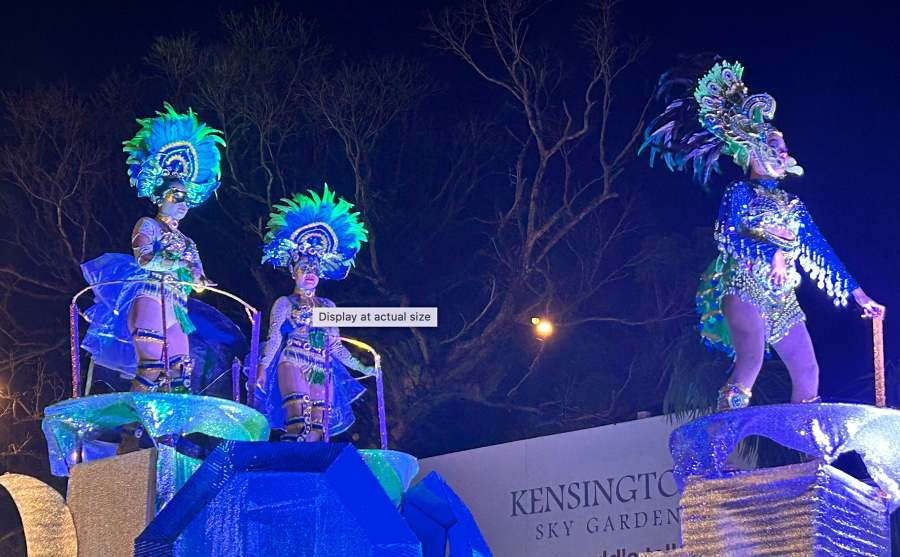
If your goal is to experience the most concentrated version of MassKara 2026, keep October 16 to 18 open.
This is the festival’s major weekend.
On October 16 comes Electric MassKara.
Then comes the dance weekend.
The school category of the Street Dance and Arena Competition is scheduled for October 17, followed by the barangay category on October 18. The competitions also move to new settings, including the Reclamation Area near SM City Bacolod and Araneta Street.
This is where MassKara’s community character becomes impossible to miss.
The costumes are spectacular.
The choreography is precise.
But underneath the glitter are schools and barangays competing under their own names.
That is the part worth watching closely.
Watch the Dancers. Watch the Crowd. [ Experience MassKara 2026 ]
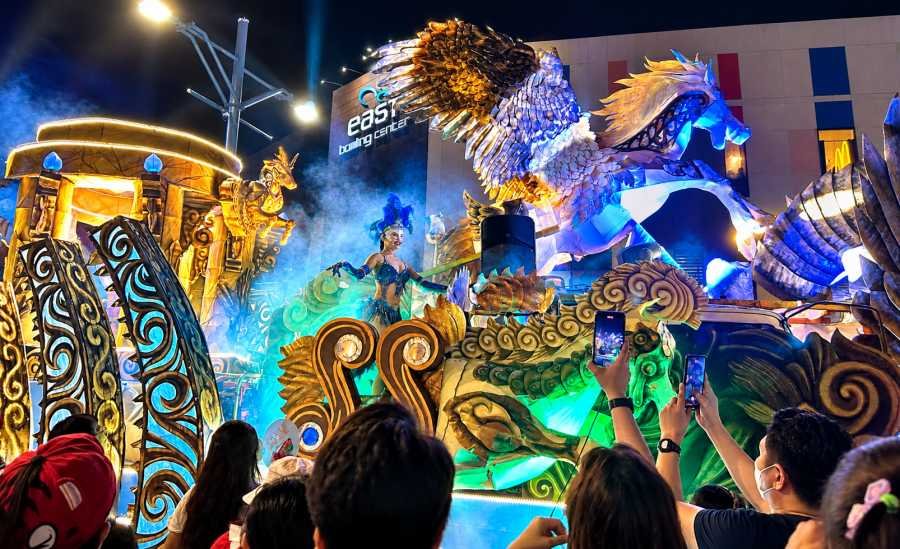
The easiest way to experience the street-dance competition is to focus on the performers.
Try looking sideways.
Watch the parents.
Watch the teachers.
Watch the barangay supporters.
Watch the people holding phones above their heads.
Watch someone recognize a dancer in the middle of the crowd.
The competition is not only a contest between performers.
It is a gathering of communities.
That community spirit also runs through the wider “MassKara for All” direction, with activities involving artists, children, women, PWDs, families, athletes, pet lovers and other sectors.
MassKara is spreading itself across the city rather than asking everyone to gather in one place.
When Bacolod’s Smile Reaches the World
This is where MassKara 2026 becomes bigger than a local celebration.
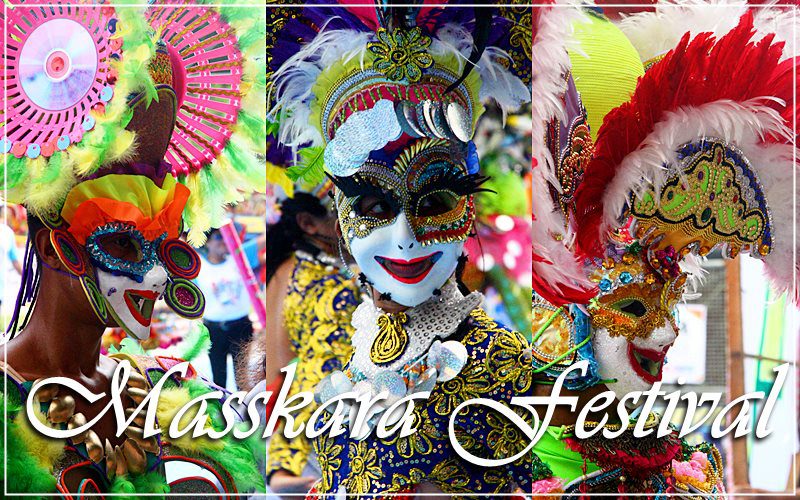
Every October, Bacolod welcomes visitors from different parts of the Philippines, international travelers discovering the City of Smiles, and balikbayans returning home for the celebration.
For many balikbayans, MassKara is part of a homecoming—a chance to reconnect with family, friends, food, and memories.
For international visitors, it offers an introduction to Bacolod through one of the city’s most colorful expressions.
And this year, that international flavor becomes even more visible. At the same time, MassKara continues to travel beyond the Philippines.
In 2026, about 40 MassKara dancers from Barangay Tangub represented Bacolod at the Cathay International Chinese New Year Night Parade in Hong Kong, marking the dancers’ second appearance at the international event.
But Hong Kong is only part of the story. In recent years, MassKara dancers have also performed in Kaohsiung, Taiwan; Busan, South Korea; and New York City, bringing Bacolod’s culture and colorful dance tradition to audiences abroad.
So the exchange works both ways.
Bacolod goes out into the world. The world comes to Bacolod.
International performers bring their music and movement.
International visitors discover the city.
Balikbayans come home.
And Bacolod shares its food, creativity, hospitality, and unmistakable smile.
MassKara does not have to become less local to become more international.
Its distinctly Bacolodnon character is exactly what gives the world something to discover.
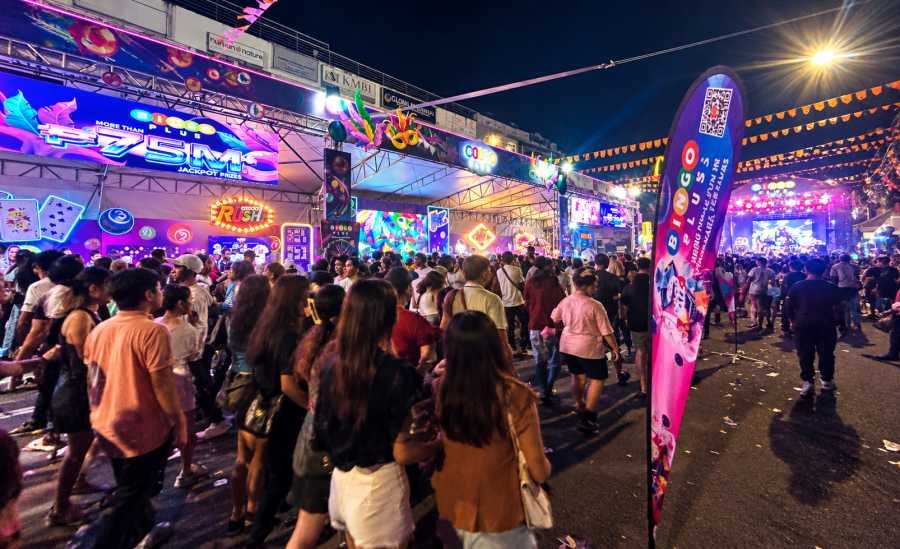
Give Yourself Time to Get Lost—in the Right Way [ Experience MassKara 2026 ]
The temptation during MassKara is to plan every minute.
Don’t.
Choose two or three things you absolutely want to see each day, then leave room for everything else.
A morning might begin with food and a market.
An afternoon might take you to a mall activity or art event.
The evening could bring music, a competition or a pageant activity.
Then one night, you may find yourself somewhere you did not originally plan to visit, watching a performance surrounded by strangers who suddenly feel like fellow revelers.
That is often the moment a festival stops being an itinerary.
It becomes an experience.
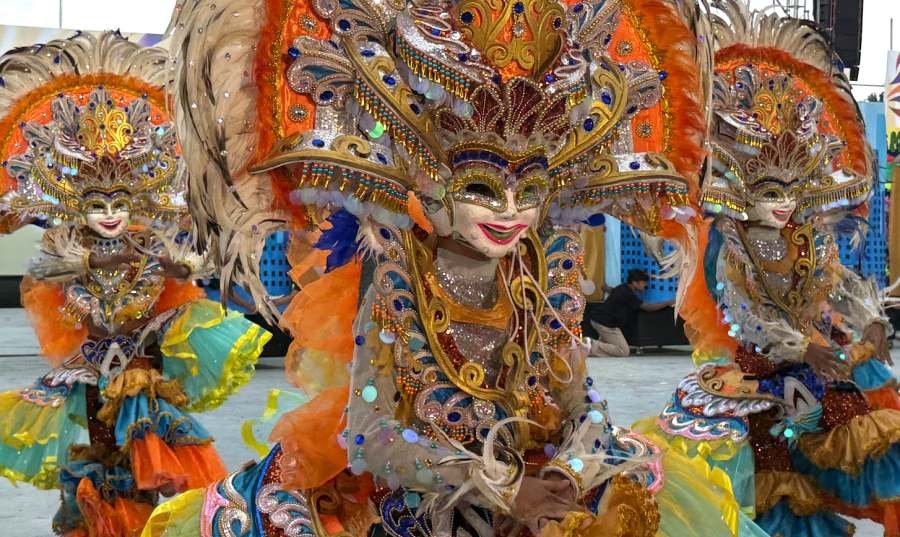
So, How Do You Experience MassKara 2026?
Don’t experience it as one event.
Experience it as a progression.
Start with the masks.
Meet Max and Kara.
Follow the Miss Bacolod MassKara candidates.
Look for the artists behind the masks and costumes.
Watch the choreographers and dancers.
Walk through Market Day.
Eat.
Listen to local musicians.
Watch the children.
Follow the community competitions.
Then, when October 16 arrives, step into Electric MassKara.
On October 17, watch the schools.
On October 18, watch the barangays.
And when the dancers finally arrive—masks shining, costumes moving, drums pushing through the crowd—don’t just take the photograph.
Look at the person wearing the mask.
Somewhere behind that smile is an artist, a choreographer, a costume maker, a teacher, a parent, a barangay and a community that has spent months preparing for this moment.
That is how to experience MassKara 2026.
Not from a distance.
Not as a checklist.
But from inside the celebration.
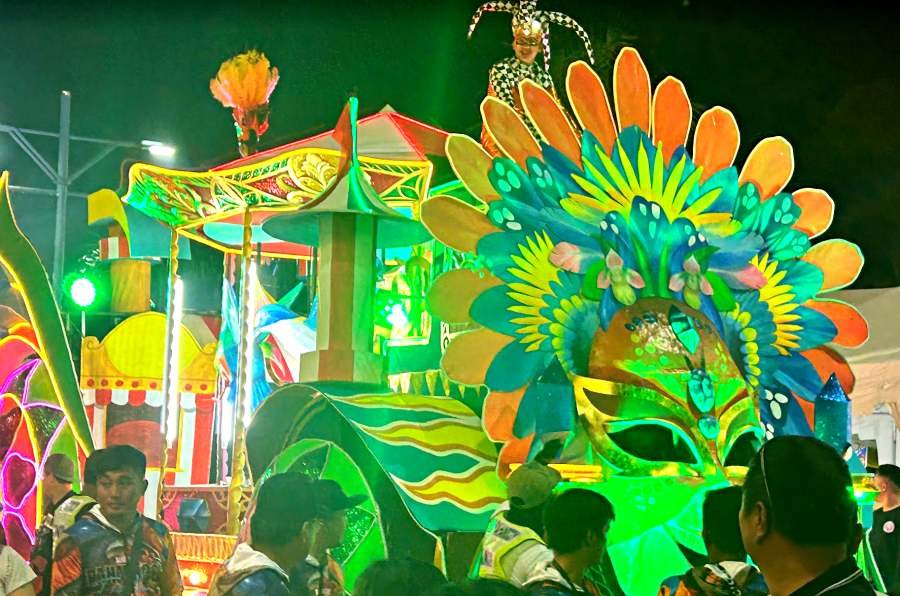
Bacolod’s Smile, Shared with the World
Bacolod has already started preparing.
The masks are coming.
The dancers are coming.
The music is coming.
The visitors are coming.
Some will come from nearby cities. Some from other parts of the Philippines. Some will be balikbayans returning home. And some will arrive from much farther away.
International performers will share the stage.
International visitors will experience the streets.
Bacolodnons will welcome them.
And the city’s dancers will continue carrying that smile beyond the Philippines.
MassKara begins in Bacolod.
But it does not have to end there.
Its dancers can cross borders.
Its visitors can come from around the world.
Its stories can travel home with them.
And every photograph, souvenir, meal, performance and memory becomes another little piece of Bacolod carried somewhere else.
That is how Bacolod’s smile reaches the world.
Experience MassKara 2026.
Where Bacolod’s Smile Reaches the World.
More Stories
- LA CARLOTA CITY TRAVEL GUIDE | TOURIST SPOTS
- THE SPECTACULAR PASALAMAT FESTIVAL
- Merci, Team Burbucks Summer Fun
- Strawberry Picking in La Trinidad, Benguet
- AWED BY THE PASALAMAT FESTIVAL GRAND PARADE
- PASALAMAT FESTIVAL SCHEDULE OF EVENTS | La Carlota City
- What a Local Trekking Company Checks Before Sending a Group to Annapurna Base Camp
- Beyond the Stadium: A Travel and Leisure Guide to Aichi-Nagoya During the 2026 Asian Games
- Anyag Leisure Farm & Resort | Granada, Bacolod: A Review
- Bacolod Hotels on Tripadvisor: What Travelers Really Say
- How to Turn Travel Photos into Cinematic Video Stories
