
Negros Occidental Food Trail
Negros Food Trail: Famous, Forgotten and Emerging Flavors
Contents
From Mountain to Sea: A Personal Culinary Journey Through the Island’s Famous, Forgotten, and Emerging Flavors
I have always believed that one of the best ways to understand a place is through its food.
You can visit its landmarks, take photographs of its beautiful landscapes, explore its heritage sites, and meet its people. But somehow, it is often the food that gives you a more intimate understanding of a destination. A dish tells a story. Sometimes it tells you about the land, sometimes about a family’s tradition, and sometimes about the resourcefulness of people who learned to make something delicious out of whatever was available to them.
As someone who has spent years traveling and writing about destinations, I have learned to look beyond the usual tourist attractions. I enjoy discovering the little things that make a place different. And when it comes to Negros, I know there is so much more to discover than what usually appears on a traveler’s food itinerary.
I come from Bago City, Negros Occidental. Growing up in Negros gave me a familiarity with many of the flavors that outsiders might consider discoveries. Some are so ordinary to us that we hardly think of them as something special. We eat them, share them, buy them from local vendors, and bring them home without realizing that these everyday delicacies could be interesting to someone visiting our province.
That is one of the things I find fascinating about local food.
Sometimes, what is ordinary to the people of a place is precisely what makes it special to a visitor.
When people talk about Negros, the usual food recommendations quickly come up: chicken inasal, cansi, piaya, napoleones, and other familiar favorites. Of course, these deserve their popularity. But I often wonder: Are these really the only flavors that Negros has to offer?
What about the delicacies that are known only in certain towns? What about the food traditions that have survived through generations but have not found their way into mainstream tourism? And why is it that some products with so much character remain relatively unknown outside their communities?
For this story, I want to take you on a journey beyond the familiar. From the sugarcane fields to the uplands, from traditional bakeries to coastal communities, and from well-known dishes to the delicacies that deserve a little more attention.
This is my personal exploration of the flavors of Negros.
1. A Sweet Beginning: Understanding Negros Through Sugar [ Negros Occidental Food Trail ]
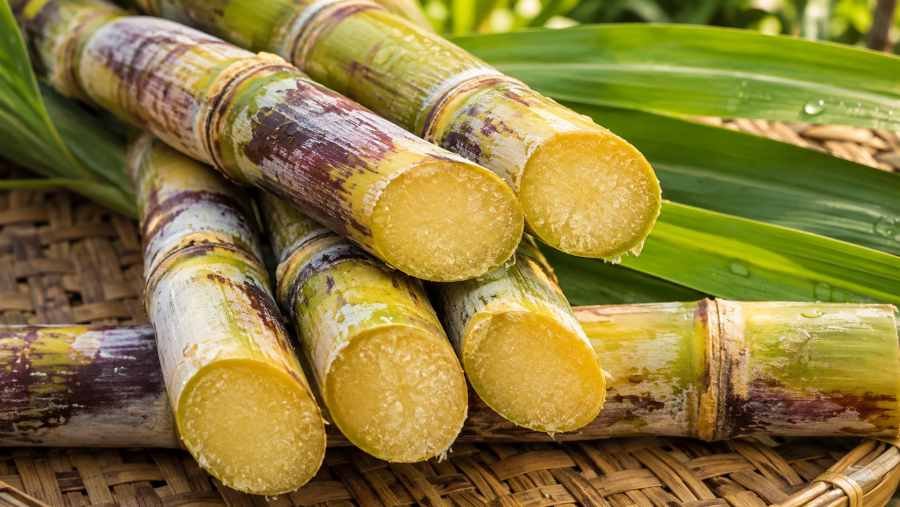
If there is one ingredient that has shaped the identity of Negros Occidental, it is sugar.
You cannot talk about the province without acknowledging its long relationship with the sugar industry. For generations, sugarcane has influenced the landscape, economy, architecture, and even the way communities developed.
I have always found the sugarcane landscape interesting. When you travel through parts of Negros, particularly during certain months, the fields become a familiar part of the journey. Behind that landscape is a long history of haciendas, sugar mills, workers, families, and communities whose lives were shaped by the industry.
The UNESCO World Heritage Centre has included the Sugar Cultural Landscape of Negros and Panay Islands in its Tentative List. This recognizes the cultural and historical importance of the sugar industry, although it is important to clarify that the area is not yet inscribed as a UNESCO World Heritage Site. (UNESCO ).
But I am particularly interested in how sugar has found its way into our food.
The influence of sugar is everywhere: in pastries, candies, native delicacies, sweetened rice products, and desserts that have become part of the Negrense identity.
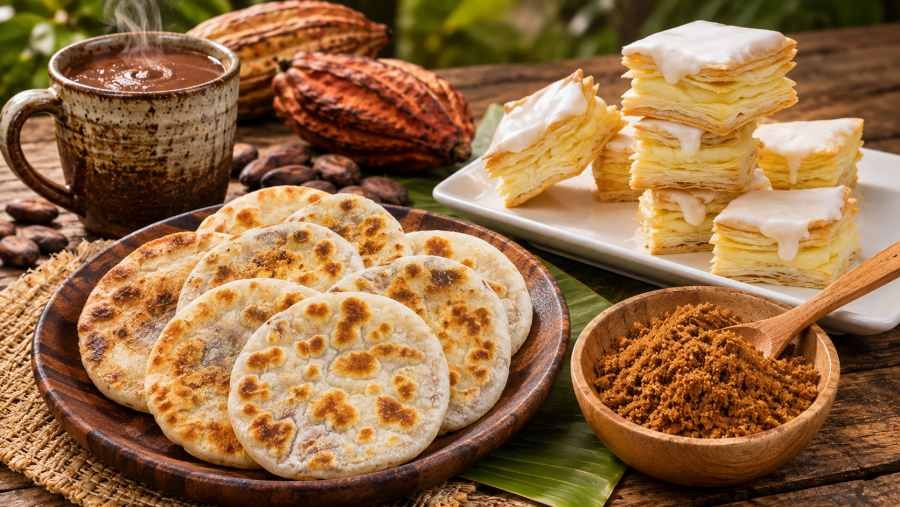
Think of piaya, the familiar flat pastry filled with muscovado. Then there is napoleones, with its layers of flaky pastry and cream, which has become one of Bacolod’s most recognizable sweet treats. Barquillos, pinasugbo, and guapple pie have also become familiar names in the province’s pasalubong culture.
These are products that visitors already know and look for. They have become part of the experience of visiting Negros.
But I sometimes wonder whether we have become too comfortable promoting the same familiar delicacies.
There are many other traditional sweets and rice-based products that deserve attention. Some are sold in local markets, some are prepared in family kitchens, and others are known mainly within their respective communities.
Perhaps we should start looking at these ordinary local delicacies with a little more appreciation. After all, food heritage does not always come in attractive boxes or carry a popular brand name.
Sometimes, it comes wrapped in banana leaves.
2. The Negrense Table: More Than Chicken Inasal [ Negros Occidental Food Trail ]
Let’s begin with the dishes that have already earned their place in the hearts—and stomachs—of visitors.
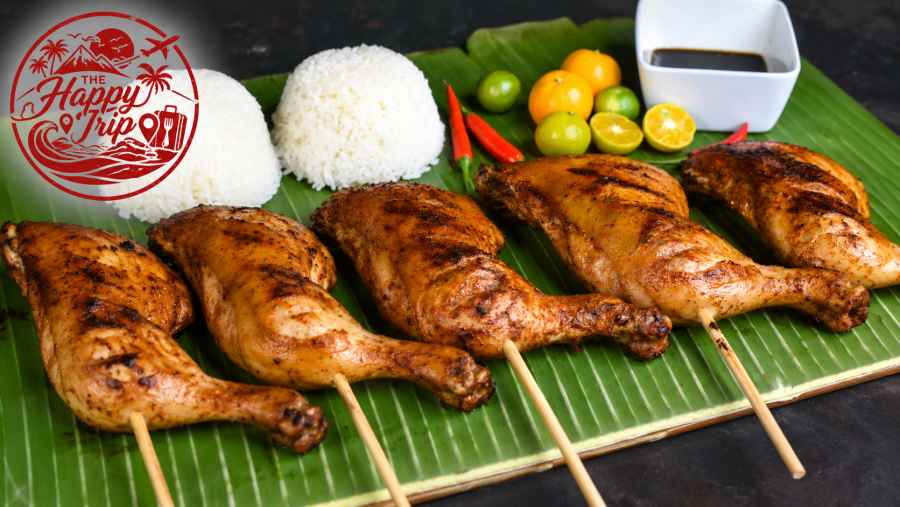
Chicken inasal is probably one of the first foods that comes to mind when people mention Bacolod. The aroma of chicken grilling over charcoal, the familiar basting, the rice, and the dipping sauces all contribute to an experience that is difficult to separate from the city’s food identity.
It is one of those dishes that can make you hungry even before the food reaches your table.
Then there is cansi, the comforting beef shank and bone marrow soup with its distinctive sourness, traditionally associated with batwan. It is often compared with bulalo and sinigang, but I think cansi deserves to be appreciated on its own.
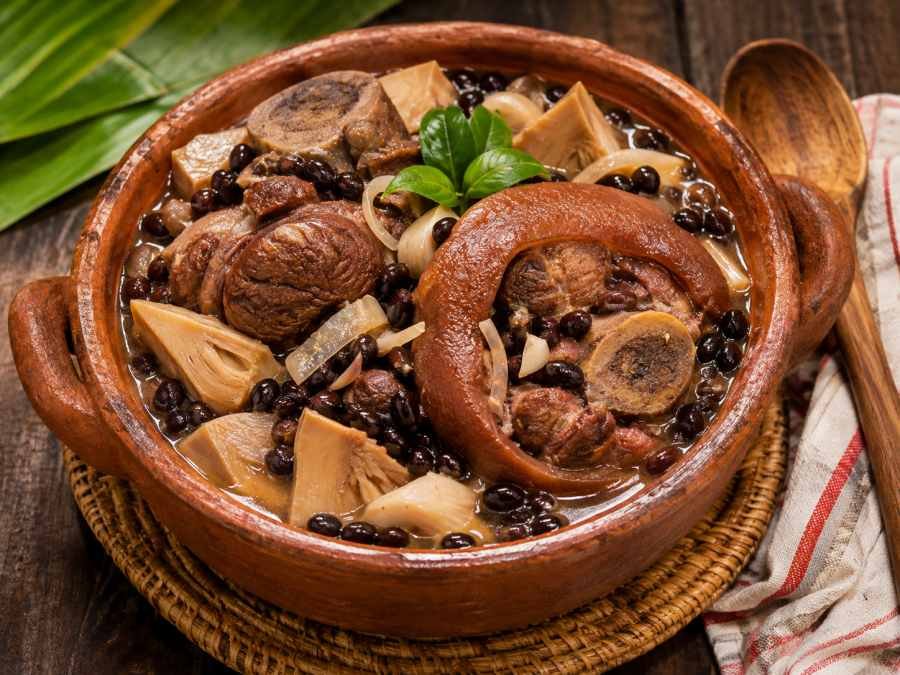
Another dish I would never leave out is KBL—kadyos, baboy, langka. This combination of pigeon peas, pork, and unripe jackfruit is a familiar part of Negrense cooking. Its flavor is built around ingredients that are deeply connected to local food traditions.
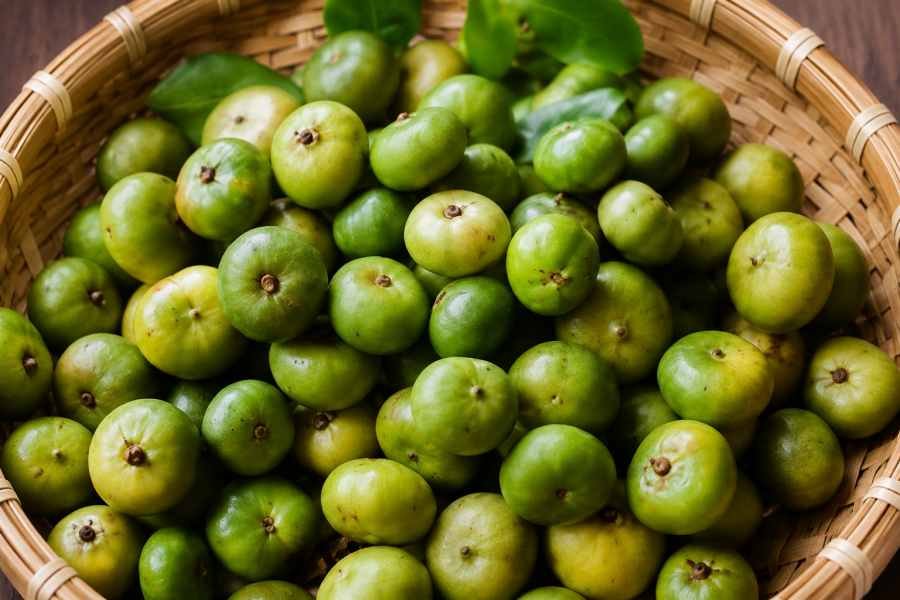
And speaking of ingredients, batuan deserves special mention. This souring fruit is important in several dishes in Negros and Panay. It gives food a distinctive flavor that is difficult to replicate using other souring ingredients.
Kinilaw is another familiar favorite. Like many Filipino dishes, it has variations across the country. In Negros, fresh fish is prepared with vinegar or citrus and seasonings that reflect local tastes.
There are also lumpia ubod, empanada de kaliskis, and many kinds of grilled meat and seafood that complete the Negrense table.
I would not claim that every dish found in Negros originated here. Food traditions travel. Some dishes are shared with Iloilo and other parts of Western Visayas. Batchoy and pancit molo, for instance, have strong associations with Iloilo, even though they are also enjoyed in other places.
And that is part of what makes food interesting. It does not always follow provincial borders. Recipes move with families, traders, travelers, and changing communities.
For visitors, these familiar dishes are a wonderful introduction to Negros. But I would encourage them not to stop there.
Ask the locals what they eat at home. Visit the markets. Look for the small food stalls. Try the delicacies that do not always make it into travel guides.
You might discover something that becomes your favorite part of the trip.

3. Bago City: Where Rice Becomes a Delicacy [Negros Occidental Food Trail ]
Being from Bago City, I have a soft spot for the food traditions of this place.
Bago is known as one of the rice-producing areas of Negros Occidental, so it is not surprising that rice has found its way into many of its local delicacies.
One that I particularly want to introduce to readers is kwakoy.
For those unfamiliar with it, kwakoy is a rice-based delicacy associated with Bago. It is one of those foods that may not immediately attract the attention of someone looking for the most popular pasalubong, but it is part of the local food culture that I believe deserves more recognition.
I have not encountered it being commonly produced elsewhere. In my experience, it is a Bago delicacy, and that makes it especially interesting to me.
I sometimes think about how many local delicacies remain within the boundaries of the communities that created them. We know them because we grew up with them. We know where to buy them, when they are available, and how they are usually enjoyed. But visitors may leave Bago without even knowing that kwakoy exists.
That is a missed opportunity.
Bago has other rice-based delicacies as well, including bitso-bitso, ibus, suman latik, and but-ong. These are part of a wider tradition of using rice, coconut, and sugar to create affordable and satisfying native snacks.
I find these delicacies particularly meaningful because they remind me that food does not have to be sophisticated or expensive to be memorable.
But perhaps we should ask ourselves: How can we introduce these foods to visitors? Could they be included in local food stops? Could visitors see how they are prepared? Could local producers make them more accessible without losing their traditional character?
We often talk about promoting local products, but sometimes the first thing we need to do is make people aware that these products exist.
4. Salbaro: A Traditional Bread Worth Looking For [ Negros Occidental Food Trail ]
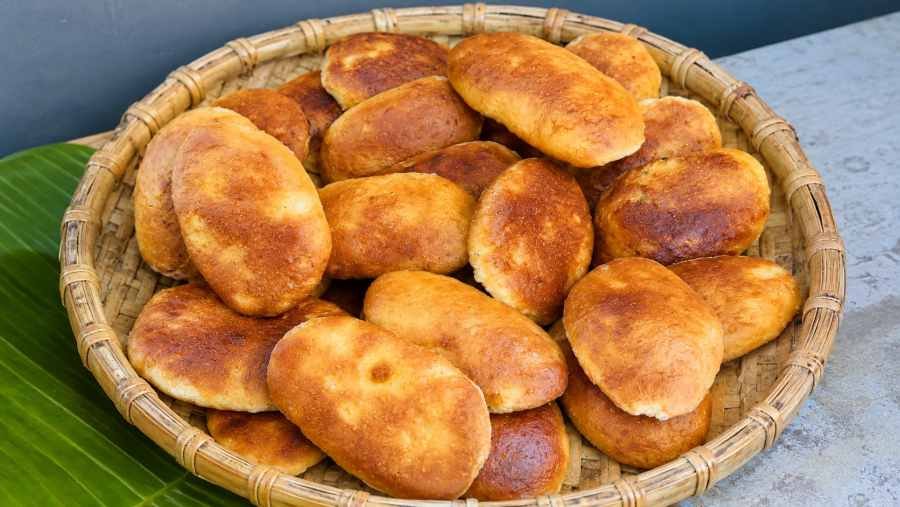
One of the delicacies I enjoy discovering in northern Negros is salbaro.
I have tried salbaro in Sagay and in other neighboring cities and municipalities. So, while San Carlos has recognized it as a heritage delicacy, I would not limit its presence to that city. I have encountered it in other communities as well.
What makes salbaro interesting is not only its taste but also the way it is traditionally prepared.
The bread is made with flour, sugar, and grated coconut. In the documented traditional preparation in San Carlos, it is placed on banana leaves and baked using a makeshift oven, with coconut husks used as fuel.
The Philippine News Agency has featured salbaro as a heritage delicacy of San Carlos (PNA).
I like food stories such as this because they allow us to appreciate the people behind the product. A traditional baking method may look simple, but it represents knowledge and practices passed down through generations.
And yet, I cannot help asking: Why isn’t salbaro more widely known?
Is it because production is limited? Is it because visitors do not know where to buy it? Is it because it is not yet consistently available in tourism establishments and pasalubong centers?
These are questions worth asking.
A delicacy can be delicious and culturally significant, but if people cannot find it, it will remain a local discovery. There is an opportunity to improve its visibility, packaging, and market access while keeping the traditional preparation alive.
I would love to see more travelers discover salbaro, not because it has been turned into a trendy product, but because it is genuinely part of the food culture of northern Negros.

Negros Occidental Food Trail
5. Toboso and Bichokoy: A Morning Worth Waking Up For
Another delicacy worth looking for is bichokoy of Toboso.
According to the University of the Philippines Visayas Cultural Mapping project, bichokoy is a fried pastry with a crispy exterior and chewy interior. Its preparation begins at night, with vendors preparing the dough before cooking early in the morning. It is particularly popular on Sundays, when people buy it after church (UP Visayas Cultural Mapping – Bichokoy).
What I find appealing about this story is how closely the food is connected to everyday community life.
It is not something created specifically for tourists. It is a familiar snack enjoyed by residents, often with coffee. Its popularity comes from its taste, affordability, and the routine of buying freshly cooked food.
Imagine making a stop in Toboso early in the morning, looking for freshly prepared bichokoy, and enjoying it with a cup of coffee.
For me, that is a lovely travel experience.
Not every culinary adventure has to involve an expensive restaurant or a carefully curated tasting menu. Sometimes, it is enough to sit somewhere local, eat what the residents eat, and appreciate the simple pleasures of the place.
The challenge is making these small discoveries easier for visitors to find.
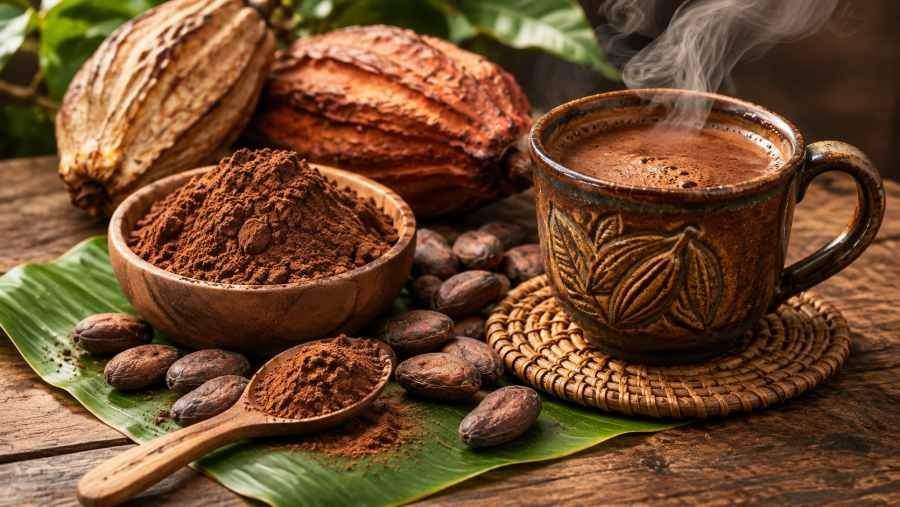
6. From the Uplands: Coffee, Cacao, and the Flavors of the Farm [ Negros Occidental Food Trail ]
Negros is often associated with sugarcane and seafood, but there is another side to the island that deserves more attention: its uplands.
There are coffee growers, cacao producers, vegetable farmers, and communities cultivating ingredients that find their way into local kitchens.
I find the connection between food and agriculture particularly interesting. When we eat a dish, we sometimes forget the work behind its ingredients. We enjoy the coffee without thinking about the farmer who grew the beans, or we appreciate the chocolate without knowing how much work goes into producing cacao.
One place worth exploring is Minoyan in Murcia, where coffee farming has become part of an emerging farm-based experience.
Coffee is more than a beverage. It has a story that begins with the variety, the farm, harvesting, processing, roasting, and brewing.
Slow Food has documented work with coffee farmers in Minoyan to improve quality and help producers access markets more effectively (Slow Food – An Aromatic Adventure).
Cacao is another promising product. Negros has producers working with Criollo cacao, and there are opportunities for visitors to learn about cacao cultivation, processing, and the making of tablea.
Then there are local ingredients such as batuan, kadyos, and adlai. These may be familiar to Negrense households, but they can be interesting discoveries for travelers who want to understand the ingredients behind regional cooking.
Cassava-based delicacies such as alupi, prepared with coconut milk and sugar, also demonstrate how local agricultural products become part of the everyday food culture.
I think there is so much potential here.
Imagine visiting a coffee farm, learning how the beans are processed, and enjoying a freshly brewed cup while looking out over the countryside. Or discovering how cacao is transformed into tablea. Or sharing a meal prepared with vegetables and ingredients grown just a few steps away.
These are experiences that allow visitors to appreciate not only the food but also the people who produce it.
Of course, the experience must be organized properly. Farm visits need accessible arrangements, willing community partners, visitor facilities, and clear information. Not every farm is automatically ready to receive tourists.
But the possibility is exciting.

7. From Mountain to Sea: The Seafood Story [ Negros Occidental Food Trail ]
Now, let us move toward the coast.
For an island province like Negros, seafood is an essential part of the culinary story. Its coastal communities have long depended on fishing, shellfish gathering, and seafood processing.
And if you ask me, one of the pleasures of traveling around Negros is discovering how different communities prepare what the sea provides.
Fish can be grilled, fried, steamed, or cooked in sour broth. Squid, crabs, shrimp, oysters, mussels, clams, and other seafood appear in local markets and dining tables, depending on availability and season.
Kinilaw is one of the familiar preparations. Fresh fish is combined with vinegar or citrus and seasonings, creating a dish that highlights the freshness of the seafood.
But I think we should look beyond restaurant menus.
The seafood story is also about the people who catch the fish, gather shellfish, clean the catch, preserve it, dry it, ferment it, and bring it to market.
In Sagay, the connection between coastal communities and food is particularly interesting. Local food traditions include shellfish and other seafood gathered from nearby waters. The National Commission for Culture and the Arts’ Talapamana resource documents local delicacies such as pakinhason, bulaw, and seaweeds (NCCA – Talapamana Visayas).
Hinigaran and Himamaylan also have a documented history of oyster production. The Bureau of Fisheries and Aquatic Resources’ Philippine Shellfish Industry Roadmap discusses oyster culture in these areas, including the early development of oyster culture in Hinigaran.
For me, this is an opportunity to tell a more complete story of coastal Negros.
A visitor may come to these towns for the beaches, marine attractions, or a seafood meal. But there is so much more to appreciate when we understand how local communities have built their lives around the sea.
Of course, this also comes with responsibility. We cannot promote seafood tourism without considering sustainable fishing, responsible harvesting, food safety, and the protection of marine resources.
The sea provides, but it also needs our care.
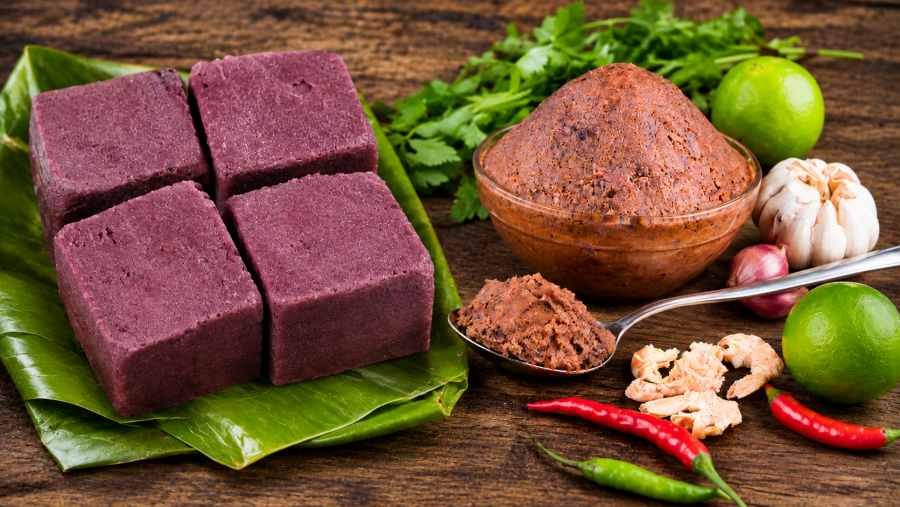
Negros Occidental Food Trail
8. Pulupandan: A Taste of Home in Every Spoonful of Ginamos
Some foods are more than just food. They bring back memories of home.
For me, ginamos from Pulupandan is one of those products.
I have brought home plenty of ginamos from Pulupandan, and it is something I personally associate with the coastal food culture of the area. Neighboring municipalities also produce similar fermented seafood products, so I would not claim that it belongs exclusively to one town.
Ginamos is fermented fish mixed with salt and left to develop its distinct flavor. It is salty, strong, and unmistakable. It may not be for everyone, especially those who are not accustomed to fermented seafood, but for people who grew up eating it, it is a familiar part of the table.
A little ginamos can go a long way. Pair it with rice, enjoy it with green mangoes, or use it as a condiment.
The Slow Food Foundation’s Ark of Taste documents traditional ginamos as part of the food heritage of communities in the Philippines (Slow Food Foundation – Ginamos)
I find products like ginamos interesting because they have a very strong identity. They are not generic souvenirs. They have a distinct taste, preparation, and cultural context.
But I also recognize that they can be challenging products to introduce to visitors.
The aroma may be unfamiliar. The taste can be intense. Packaging and transport need careful attention.
Rather than trying to make ginamos appeal to everyone, I think we should help people understand it. Explain how it is prepared, how it is eaten, and why it is valued by local households.
After all, culinary tourism is not about making every food universally appealing. It is about introducing people to the flavors and traditions that make a destination different.
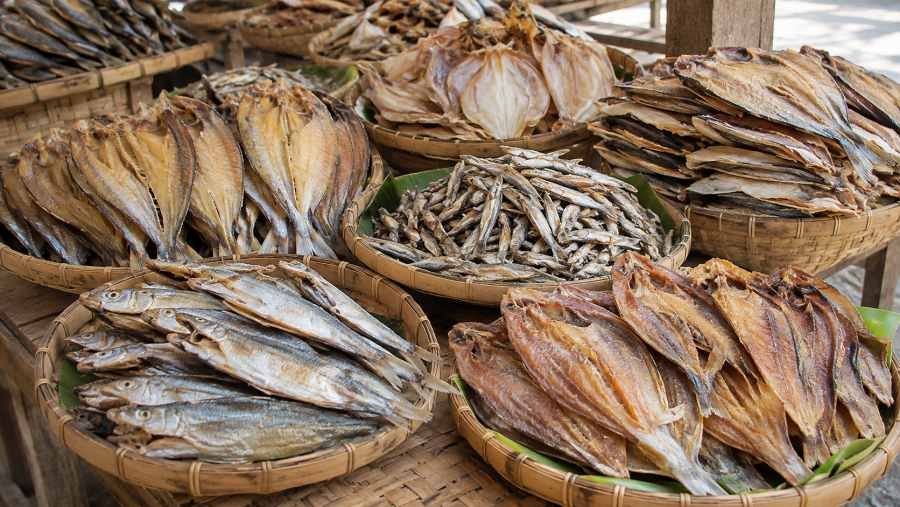
Negros Occidental Food Trail
9. Cadiz: Uga and the Art of Preserving the Catch
Another coastal product that deserves recognition is the dried fish of Cadiz City, locally known as uga.
Dried fish may not be the first thing that comes to mind when someone thinks of an exciting food destination. It may not have the visual appeal of a seafood platter or the sweetness of a famous pastry. But I believe it is one of the products that tells an important story about coastal life.
Drying fish is a practical way of preserving the catch. It requires knowledge of preparation, salting, drying, handling, and storage.
Cadiz has made efforts to strengthen its dried fish industry. Reports have documented its processing facilities, export activity, and plans to improve packaging, sanitation, labeling, and vacuum sealing for dried fish producers. (SunStar, Daily Guardian ).
This is where I think the conversation about local food becomes more interesting.
A product can be popular within its community and still need improvements before it can reach a wider market.
For dried fish, cleanliness, proper processing, moisture control, packaging, labeling, and shelf life all matter. These details influence whether visitors feel comfortable bringing the product home and whether retailers are willing to carry it.
The product itself is important, but the experience of buying and transporting it matters too.
I would like to see visitors discover Cadiz not only through its seafood restaurants but also through the people and products behind its dried fish tradition.
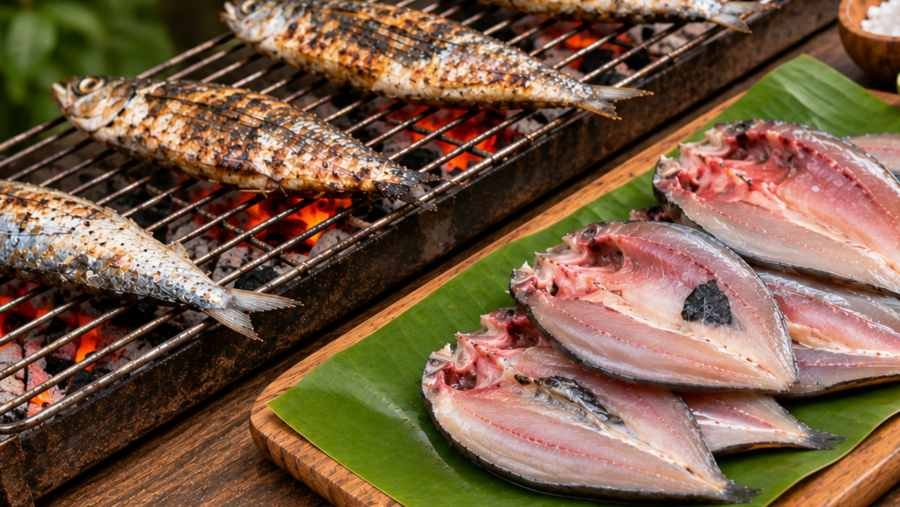
Barongoy [ Negros Occidental Food Trail ]
10. Sipalay: Barungoy and the Opportunity to Create Something New
Sipalay is widely appreciated for its beautiful coastal scenery, beaches, and marine attractions. But there is another reason to pay attention to its food culture: Barungoy, or flying fish.
For me, this is one of the interesting examples of how a local resource can become a distinctive food product.
A fishermen’s association in Sipalay has developed different Barungoy preparations, including Spanish-style Barungoy, burgers, and lumpia. A 2024 report by Brigada News documented these product development efforts. (Brigada News).
There has also been community work involving processed Barungoy products, including bottled preparations, with assistance for equipment and packaging (NVC Foundation).
I find this particularly encouraging because it shows that a traditional local fish can be developed into products that go beyond the usual fresh or dried preparation.
But I also think we should be honest about the challenges.
Are these products consistently available? Is the taste the same from one batch to another? Is the packaging attractive and durable enough for pasalubong? Is the shelf life properly established? Can the producers accommodate larger orders without compromising quality?
And perhaps the most important question: Do visitors even know that Barungoy is something they should look for when they visit Sipalay?
Developing a product is one thing. Making it consistently available, trusted, and recognizable is another.
I would love to see Barungoy become one of those products that travelers automatically associate with Sipalay. But that will require more than a successful product launch. It will require sustained production, quality assurance, effective promotion, and access to markets.
The good news is that the story has already begun.
11. The Uncomfortable Question: Why Are Some of Our Best Local Foods Still Unknown? [ Negros Occidental Food Trail ]
This is perhaps the part of the story I find most interesting.
After looking at the food traditions of Negros—from rice delicacies and traditional breads to coffee, cacao, ginamos, uga, and Barungoy—I cannot help asking:
Why are some of these foods still not popular?
We have the ingredients. We have the people who know how to prepare them. We have recipes and traditions that have been passed down through generations. We even have products that could become interesting pasalubong items.
Yet many remain known only within their respective communities.
I do not think the answer is simply that these foods are not good enough. In many cases, the issue is that they have not been given the opportunity to reach a wider audience.
First, people cannot buy what they cannot find.
A visitor may hear about salbaro or kwakoy but have no idea where to purchase it. Some delicacies are available only at certain times of the day or on specific days of the week. Others are sold directly by producers and may not be found in regular tourism establishments.
For a traveler, convenience matters. If a product is difficult to find, it may never become part of the itinerary.
Second, small producers have limitations.
Many traditional delicacies are made by families or small community producers. Their production depends on available ingredients, labor, equipment, and time.
A product may be delicious, but the producer may not be able to supply it consistently.
We should not expect every home-based producer to suddenly become a large manufacturer. But perhaps there are ways to help them coordinate production, improve facilities, and reach customers without sacrificing traditional methods.
Third, packaging and shelf life matter.
I have always believed that a good product deserves good presentation. But packaging is not only about looking attractive.
For food products, it also involves protection, cleanliness, proper labeling, storage, and shelf life.
Some native delicacies are best eaten fresh. Others may need improved packaging if they are to be brought home by visitors traveling several hours.
This is particularly important for seafood products such as ginamos, uga, and processed Barungoy.
Fourth, we may be promoting the same products over and over again.
There is nothing wrong with promoting chicken inasal, piaya, and napoleones. They are popular for good reasons.
But perhaps we need to give other local delicacies more opportunities to be seen.
A trade fair is useful, but what happens after the fair? Are the products available in local pasalubong centers? Can hotels and restaurants feature them? Can visitors find them through tourism information channels? Are they promoted beyond a single festival?
Promotion should not end when the event ends.
Fifth, some traditional flavors need to be introduced properly.
Not every visitor is familiar with fermented seafood or certain native ingredients. Some products may have strong aromas or flavors that are unfamiliar to people from other regions.
That does not mean we should change them to suit everyone.
Instead, we can tell their stories, explain how they are prepared, offer tastings, and show visitors how locals enjoy them.
A little context can make a big difference.
And finally, we must remember the people behind the products.
The farmer, fisherfolk, baker, home-based producer, and market vendor are not simply part of the tourism experience. They are the people who keep these traditions alive.
If local food becomes popular but the people who make it do not benefit, then something important is missing.
I believe we should promote our local food not only because it can attract visitors, but also because it can create better opportunities for the communities behind it.
12. Can We Turn These Flavors Into Experiences? [ Negros Occidental Food Trail ]
This is where I see exciting possibilities for Negros.
Imagine a traveler exploring Bago and discovering its rice delicacies. A stop in northern Negros to watch traditional salbaro being baked. An early morning visit to Toboso for freshly prepared bichokoy. A trip to Minoyan to learn about coffee. A visit to a cacao farm to understand how tablea is made.
Then, as the journey moves toward the coast, the traveler discovers the food traditions of Sagay, the ginamos of Pulupandan, the uga of Cadiz, and the Barungoy products of Sipalay.
These are examples of experiences that could be developed with local producers and communities. They are not all established bookable tours today, and their readiness will depend on the availability of partners, facilities, and visitor arrangements.
But the concept is worth pursuing.
In November 2025, Slow Food announced Negros Island as the Philippines’ first Slow Food Travel destination. The initiative highlights experiences connecting travelers with farmers, fisherfolk, local ingredients, food traditions, and communities (Slow Food ).
I welcome this kind of direction because it recognizes that a food journey does not have to begin and end in a restaurant.
It can begin in a farm, a fishing community, a traditional bakery, or a local market.
And perhaps that is what makes culinary tourism meaningful. It allows visitors to understand the connection between the food on their plate and the people, places, and traditions behind it.

13. Preserve the Tradition, But Give It a Future [ Negros Occidental Food Trail ]
As we talk about promoting local delicacies, I think we must be careful not to turn every traditional food into a mass-produced commercial product.
Some foods are special because they are made in small quantities. Some are best enjoyed fresh. Others are connected to family practices and local routines that cannot easily be replicated in a factory.
We should respect that.
At the same time, preserving a tradition should not mean leaving it invisible or allowing its producers to struggle.
There is room for both tradition and innovation.
We can document recipes and preparation methods. We can improve packaging without changing the character of the product. We can introduce traditional foods through tastings and demonstrations. We can help small producers understand food safety, pricing, distribution, and marketing.
We can also connect them with restaurants, hotels, tourism operators, and pasalubong centers.
The important thing is to involve the people who own and preserve these traditions.
Because at the end of the day, a local delicacy is not just a product to be sold. It is part of a community’s identity.

14. The Flavors That Stay With Us [ Negros Occidental Food Trail ]
When people ask me what they should eat when visiting Negros, I will always recommend the familiar favorites.
Try the chicken inasal. Enjoy a bowl of cansi. Bring home piaya and napoleones. Explore the local restaurants and discover the many ways Negrenses prepare their food.
But I would also tell them to go beyond the usual list.
Ask about kwakoy when you are in Bago. Look for salbaro as you travel through northern Negros. Try bichokoy in Toboso. Discover the coffee of Minoyan. Explore the seafood traditions of Sagay and other coastal communities. Bring home ginamos from Pulupandan. Look for uga in Cadiz. And when you are in Sipalay, ask about Barungoy.
These are not all the same kind of food. Some are everyday snacks, others are traditional breads, agricultural products, preserved seafood, or emerging food innovations. But together, they reveal something important about the island.
Negros is more than its famous dishes.
Its culinary identity is found in the rice fields of Bago, the traditional ovens of northern Negros, the coffee farms of Murcia, the kitchens where batuan and kadyos are prepared, the fishing communities along the coast, and the small producers who continue making delicacies that their families and neighbors have enjoyed for generations.
As someone who comes from this province and has spent years exploring destinations through travel, food, and culture, I find it exciting that there are still so many flavors to discover—even in a place I already know.
Perhaps that is the beauty of traveling.
You can return to a familiar destination and still find something new. You can eat a food you have known since childhood and suddenly appreciate its story in a different way. You can meet a producer whose work has been part of the community for years and realize that their product deserves a much bigger audience.
I hope that when more people visit Negros, they will not simply ask where to find the best chicken inasal or where to buy the most famous pasalubong.
I hope they will also ask: What do the people here eat? What do they make? What food traditions have survived? And what local delicacies have I not discovered yet?
Because sometimes, the best travel discoveries are not found in the usual tourist guide.
They are found in a small bakery, a roadside stall, a local market, a fishing village, or a family kitchen.
And sometimes, the most memorable souvenir is not something you bring home in a box.
It is a flavor that stays with you long after the journey is over.
That is the Negros I want visitors to discover—one local flavor at a time.
Negros Occidental Food Trail
More Stories
- Siargao Beyond Paradise: When Tourism Success Calls for a More Thoughtful Strategy
- Barangay Taculing Grand Champion | MassKara 2026 Barangay Category
- MassKara 2026 Elementary Champion: Mandalagan Wins
- Creative Bacolod: A New Reason to Explore the City of Smiles
- SYMPHONY OF LIGHTS
- STAR FERRY CRUISE EXPERIENCE
- VICTORIA PEAK
- OCEAN PARK
- TIPS TO TRAVEL MACAU FOR FREE
- LADIES MARKET
- MACAU TRAVEL GUIDE
- Mynt IPO Opens to Filipino Retail Investors Through GStocks PH, Starting at ₱660
- Create Custom Sticker Sheets to Boost Your Travelling Event
- Bacolod Public Plaza & NGC Fountain Redevelopment: Did TIEZA Deliver?
