Bacolod Public Plaza & NGC Fountain Redevelopment
Bacolod Public Plaza & NGC Fountain Redevelopment: Did TIEZA Deliver?
Contents
The ₱300-million tourism infrastructure project meets its first major test as MassKara 2026 brings visitors, vendors and expectations to two of Bacolod’s most important public spaces.
There are public spaces that simply occupy land.
And there are public spaces that become part of a city’s identity.
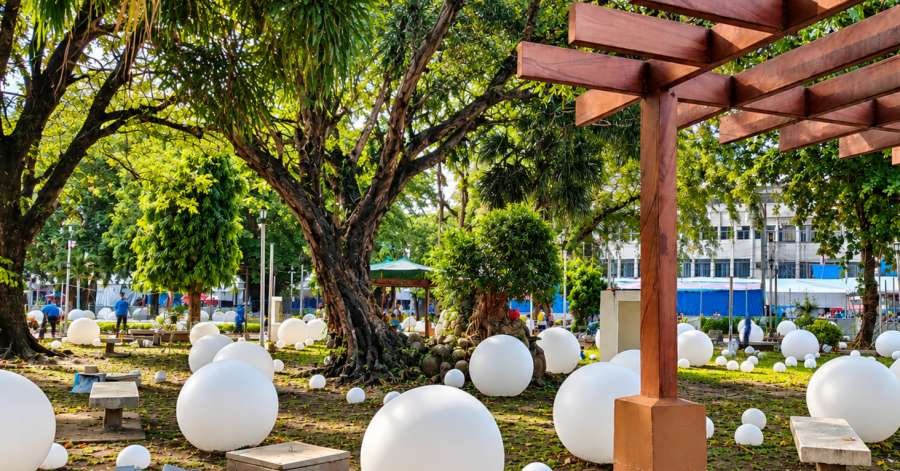
In Bacolod, the Public Plaza and the New Government Center (NGC) Fountain and grounds belong to the second category. One carries generations of memories and civic life; the other has become a contemporary venue for events, gatherings and large-scale celebrations.
Together, they are at the center of a ₱300-million tourism infrastructure project funded by the Tourism Infrastructure and Enterprise Zone Authority (TIEZA). The project covers approximately ₱80 million for the Heritage Plaza and ₱220 million for the Bacolod City Government Center grounds. The first phase began in July 2025. (Philippine News Agency, 2023; Bacolod City Government, 2026)
That is a substantial investment.
But tourism infrastructure is ultimately not measured only by how much is spent.
It is measured by what people experience when they arrive.
And with MassKara 2026 now underway, Bacolod has been given an unusually visible opportunity to ask a simple question:
Did the project deliver what the city expected?
Two Spaces, One Tourism Story [ Bacolod Public Plaza & NGC Fountain Redevelopment ]
The Public Plaza and NGC grounds serve different purposes, but they are connected by the same tourism ecosystem.
The Plaza is a heritage and civic space. It is centrally located, familiar to generations of Bacolodnons and closely associated with community gatherings and festivals.
The NGC grounds, meanwhile, provide a larger contemporary setting for events and public activities.
During MassKara, both become economic spaces.
The numbers from 2025 demonstrate this clearly.
MassKara Festival 2025 generated ₱17.06 million in declared food-park sales across the Public Plaza and Bacolod City Government Center grounds. The Public Plaza accounted for ₱11.87 million, while the BCGC generated ₱5.19 million. More than 130 vendors participated across the two locations. (SunStar Bacolod, October 23, 2025)
These were not tourism receipts in the broader sense; they were declared food-park sales from participating concessionaires. But they illustrate the economic role these public spaces can play during a major festival.
A plaza is not merely a backdrop for photographs.
A fountain is not merely decoration.
When thousands of people gather in these spaces, they become part of a working tourism economy—supporting vendors, entrepreneurs, event organizers and other local businesses.
Why the Investment Matters [ Bacolod Public Plaza & NGC Fountain Redevelopment ]
Bacolod’s tourism numbers show why these spaces deserve attention.
The city welcomed 873,573 local and foreign visitors in 2025, up 4.8 percent from 2024, while tourism receipts reached approximately ₱6.55 billion. October was among the city’s peak tourism months, driven largely by the annual MassKara Festival. (Philippine News Agency, February 17, 2026)
This makes tourism infrastructure more than a beautification exercise.
It becomes part of the city’s capacity to receive visitors.
The Bacolod Public Plaza & NGC Fountain Redevelopment was conceived to transform two prominent public spaces through upgraded facilities, landscaping, modern lighting, water features and other infrastructure improvements. (Bacolod City Government, June 2026)
The larger objective is therefore not simply to make the spaces look newer.
It is to make them work better as public and tourism spaces.
That is where expectations become important.
The MassKara Deadline [ Bacolod Public Plaza & NGC Fountain Redevelopment ]
Timing became the first major challenge.
In June 2026, TIEZA said it was targeting completion of the Bacolod City Government Center and Heritage Plaza projects by September or October. The city, however, had hoped for completion and turnover by the end of September. (Bacolod City Government, June 2026; Panay News, September 30, 2026)
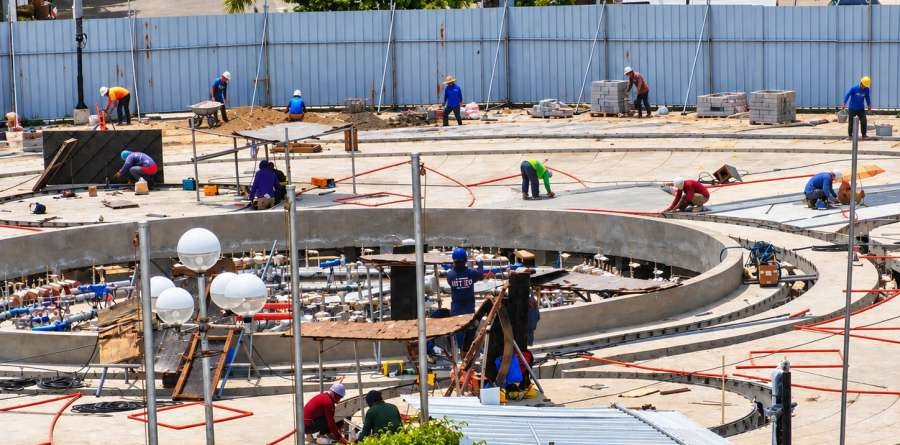
By September 28, Mayor Greg Gasataya said Bacolod would not accept the Public Plaza redevelopment until it was fully finished. Portions of the plaza could be made accessible for MassKara, but incomplete areas would remain restricted. The city also offered assistance with cleaning and with repairs or additions outside the TIEZA project budget. (Negros Now Daily, September 28, 2026)
Then MassKara arrived.
The festival could not simply wait for the construction schedule.
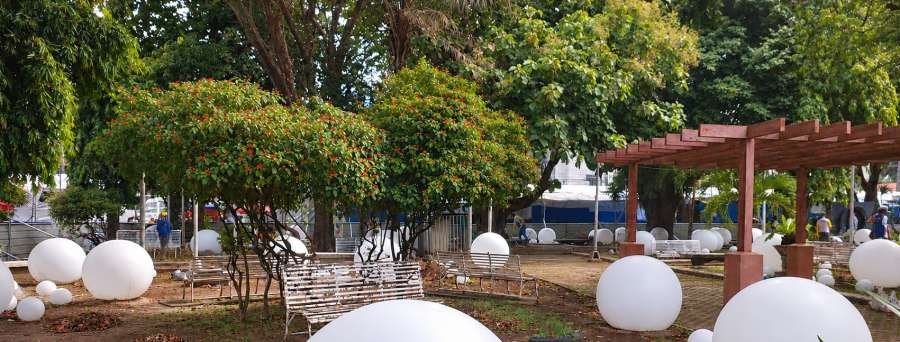
Instead, the plaza was prepared for partial use while work continued.
This distinction is important: the Plaza was being used for MassKara, but the redevelopment had not been formally accepted as a completed project. (Panay News, September 30, 2026)
When Functionality Becomes the Issue
The strongest concerns raised by the city were not simply about appearance.
Following a technical inspection with the City Engineer’s Office, Gasataya’s September 30 letter to TIEZA cited reported drainage failures, surface ponding, unsecured fountain nozzles, absent float valves, nonfunctional lighting, unfinished installations, protruding deteriorated manholes and control sequences that had not been demonstrated. (Daily Guardian, October 1, 2026)
Bombo Radyo Bacolod likewise reported concerns involving fountain leakage, drainage, surface pooling, lighting, unfinished installations and other technical matters identified during the inspection.
These details matter because a tourism facility has to work as well as look good.
Drainage matters when thousands of people are walking through a site.
Lighting matters when events continue into the evening.
Surface conditions and manholes matter when crowds are moving through public areas.
And water features matter when people are expected to gather around them.
This is where a tourism project moves beyond aesthetics.
Readiness becomes part of tourism quality.
The Fountain That Had to Wait [ Bacolod Public Plaza & NGC Fountain Redevelopment ]
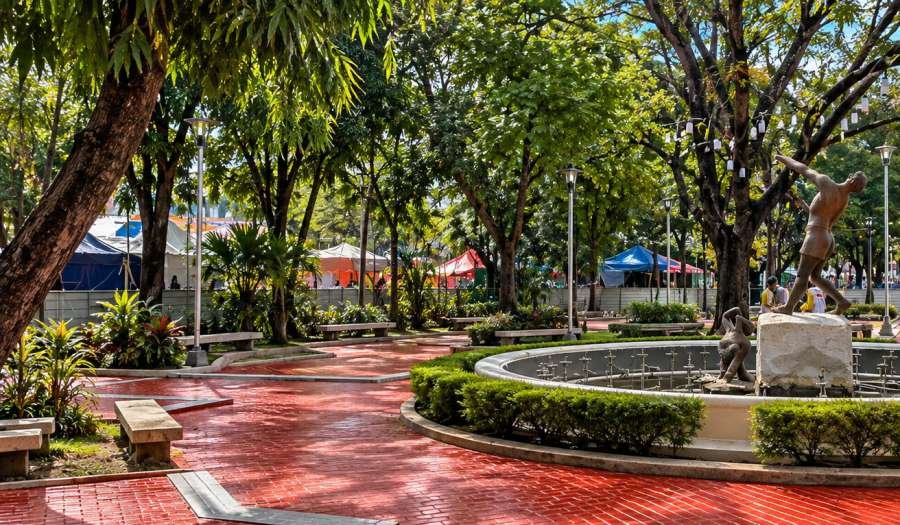
Among the most visible elements of the redevelopment is the fountain.
A fountain is inherently visual. It can become a recognizable feature of a public space and, potentially, a photographic attraction for visitors.
Yet the fountain was not scheduled to operate during MassKara 2026.
Negros Now Daily reported that Gasataya said the fountain would not be used during the festival following the concerns identified during inspection.
That does not determine the fountain’s long-term value.
But it illustrates an important distinction in tourism infrastructure:
There is a difference between having an attraction and having an attraction that is ready for visitors.
For a city hosting one of its biggest annual tourism events, that distinction becomes particularly visible.
The City Had to Make It Work [ Bacolod Public Plaza & NGC Fountain Redevelopment ]
Perhaps one of the more interesting aspects of the story is what happened next.
Although TIEZA is the implementing agency, the city still had to deal with the practical reality of preparing the space for MassKara.
Bacolod City personnel from the City Engineer’s Office, Bacolod Environment and Natural Resources Office (BENRO), and General Services Office (GSO), together with personnel from the office of Rep. Alfredo “Albee” Benitez, assisted in improving and cleaning portions of the plaza, according to Bombo Radyo Bacolod. Gasataya said the city had earlier refrained from intervening while TIEZA work was ongoing, partly because live wires posed risks to personnel.
The mayor also clarified on October 2 that the current appearance of the Plaza was temporary and intended for MassKara, with further work expected after the festival.
That is an important detail in understanding public infrastructure.
A tourism project may belong administratively to one agency, but once it becomes part of a city’s visitor experience, its condition becomes a concern for many stakeholders.
The visitor sees only one Bacolod.
The Landscaping Question
The issue was not limited to technical systems.
Gasataya also expressed disappointment over the condition of the landscaping, saying plants that had been present before the redevelopment appeared neglected. The mayor said the condition should be restored and improved even if landscaping was not included in the contractor’s scope as presented to the city. (Negros Now Daily, October 1, 2026; Bombo Radyo Bacolod, October 1, 2026)
This is an interesting tourism question because landscaping is often treated as secondary to infrastructure.
For a visitor, however, the distinction may not exist.
A visitor does not separate the fountain from the pavement, the lighting from the landscaping, or the landscaping from the overall atmosphere.
The visitor experiences the space as one place.
That is why tourism infrastructure is also experience infrastructure.
So, Did TIEZA Deliver? [ Bacolod Public Plaza & NGC Fountain Redevelopment ]
This is where the answer needs some precision.
The evidence does not justify treating the entire investment as a finished failure. The redevelopment remains an ongoing project, and its long-term performance cannot yet be measured.
But the evidence does support a narrower conclusion:
The project was not fully ready when MassKara 2026 began.
By the start of the festival, the city had not formally accepted the redevelopment. Portions of the Plaza remained restricted, corrective work was still being discussed, and the fountain was not being operated during the festival. (Panay News, September 30, 2026; Negros Now Daily, October 1, 2026)
That is reasonably described as a project-delivery and readiness issue.
It is a more precise conclusion than saying the entire ₱300-million investment failed.
The more useful tourism question is whether the remaining work can be completed to a standard that allows these spaces to deliver the visitor experience originally envisioned.
What Worked
It is also fair to recognize what did work.
MassKara continued.
The Plaza remained usable in portions.
Vendors were able to operate.
Visitors continued to come.
And the two spaces remained important components of the festival economy, as demonstrated by the previous year’s ₱17.06 million in declared food-park sales. (SunStar Bacolod, October 23, 2025)
The city also chose not to formally accept the redevelopment while it considered the work incomplete. (Panay News, September 30, 2026)
That decision matters.
Acceptance of a public facility should mean more than simply opening the gates.
It should mean that the facility is ready to perform its intended public function.
What Comes After MassKara? [ Bacolod Public Plaza & NGC Fountain Redevelopment ]
The real tourism test will begin after the festival.
MassKara provides crowds, lights, food stalls and entertainment.
Those elements can make almost any public space feel alive.
The harder test is what happens when the festival disappears.
Can the Public Plaza remain attractive as a heritage and civic space?
Can the NGC Fountain become a functioning landmark?
Can the landscaping be maintained?
Can the lighting and water systems operate reliably?
Can these spaces support future events without last-minute preparations?
And can local residents enjoy them as much as tourists do?
These questions matter because the Bacolod Public Plaza & NGC Fountain Redevelopment should ultimately be judged not by one festival, but by years of public use.
Tourism Infrastructure Is a Promise [ Bacolod Public Plaza & NGC Fountain Redevelopment ]
A tourism project makes a promise.
It promises visitors a better experience.
It promises communities a more useful public space.
It creates an environment where entrepreneurs can benefit from visitor activity.
And it commits public resources with the expectation of long-term value.
The ₱300-million investment in Bacolod’s Plaza and NGC Fountain carries all of those expectations.
MassKara 2026 has simply brought those expectations into sharper focus.
The current evidence points to a project that was not fully ready when the city’s major tourism event arrived. That is a legitimate project-delivery concern. But it is not yet the final chapter.
The final measure will be what Bacolod inherits after the festival: not the temporary appearance prepared for October, but two public spaces that are safe, functional, attractive, maintainable and genuinely useful to the city.
Because in tourism, infrastructure is not successful simply because it has been built.
It succeeds when people want to stay, gather, spend, return—and feel that the place belongs to the city they came to experience.
For Bacolod, that is the real test of the redevelopment.
And perhaps, ultimately, the better question is not simply:
Did TIEZA deliver?
It is:
What will Bacolod’s visitors and residents experience when the festival is over?
Sources & References
- TIEZA targets completion of Bacolod Government Center and Heritage Plaza redevelopment by September or October. Read
- Bacolod City seeks ₱300-million funding for plaza and Government Center improvements. PNA report
- Bacolod tourist arrivals up 4.8%, ₱6.55-B tourism receipts in 2025. PNA tourism
- MassKara Festival 2025 earns ₱17M from food-park sales. SunStar
- Bacolod to defer acceptance of TIEZA projects until fully completed. Panay News
- Bacolod to refuse unfinished plaza redevelopment project. Negros Now Daily
- Gasataya hits TIEZA delays in ₱80-million plaza project. Daily Guardian
- Gasataya disappointed on plaza redevelopment. Negros Now Daily
- Gasataya dismayed over TIEZA redevelopment project. Bombo Radyo
- Mayor clarifies temporary appearance of Public Plaza for MassKara 2026. Bombo Radyo
More Stories
- LIST OF HOTELS IN CAGAYAN DE ORO
- DAHILAYAN PARK ADVENTURE: HOME TO ASIA’S LONGEST DUAL ZIPLINE
- EXTREME ADVENTURE: WHITE WATER RAFTING IN CAGAYAN DE ORO
- CAGAYAN DE ORO’S NIGHT CAFE
- GARDENS OF MALASAG, ECO TOURISM VILLAGE
- BACOLOD CITY TOURIST SPOTS |12 THINGS TO DO
- CEBU CITY, PHILIPPINES TOURIST ATTRACTIONS
- BUKIDNON TRAVEL GUIDE | TOURIST ATTRACTIONS, BUDGET HOTELS
- LANZONES FESTIVAL | SCHEDULE OF ACTIVITIES
- Experience MassKara 2026: Where Bacolod’s Smile Reaches the World
- What a Local Trekking Company Checks Before Sending a Group to Annapurna Base Camp
- Beyond the Stadium: A Travel and Leisure Guide to Aichi-Nagoya During the 2026 Asian Games
- Anyag Leisure Farm & Resort | Granada, Bacolod: A Review

The most important insight in this article is that project completion, operational readiness and public value are three different measures of success.
A facility can be physically constructed without being operationally ready. It can become operational without being properly maintained. And even a properly maintained one has to prove that it is making any difference to the community.
For Bacolod, the next step would be to shift away from whether TIEZA was able to deliver and to focus on finding the answers:
Quality: Are the identified deficiencies fixed and verified independently?
Accountability: Are there clear descriptions of responsibilities, costs, and actions taken to fix the problem?
Sustainability: Is the city capable of maintaining the facilities without deterioration?
Value: Are the residents, visitors and businesses gaining value out of this investment?
Thus, my stance remains critical but empirical: the raised readiness issues need to be investigated thoroughly, and the public needs to ask for corrections. However, the judgment of this ₱300-million investment will have to come only after completion, acceptance and proof of performance.
Tourism Infrastructure and Enterprise Zone Authority (TIEZA) did not deliver the intended benifit of the project. It failed to complete it on time. The Plaza was not 100% operational and some area are needed to be close for still ongoing renovation and improvement as part of the project sited in their plans. Its utterly a waste of national budget, I dont think the cost of all those promise development of the city Plaza of Bacolod came thru. Another venue for many agency of the country that is use as means for corruption and mismanaged government fund. Its not totally a lost in terms of the Masskara festival approaching but if it delivers 100% and it made a great impact for Bacolod Tourism not only in economic growth but a proud testament to Bacolod History and heritage, sadly it was the case. I no longer believed that this government is doing its Job. The LGU also was at fault they mainly did not check the progress of this development of the city Plaza. I will still enjoy Masskara with my family and friends but this is a great dissapointment to me. I would not visit the plaza and from what i saw the white ball structure its nonesense. It does not reflect the heritage of Bacolod City, its identity as known to be City of Smile.
The article made me realize that making a project successful is not simply about finishing the construction or meeting a target date. As someone responsible for the success of a project, I believe we should always look at the bigger picture: Is the project really ready to be used? Is it safe, functional, and beneficial to the people? In the case of the Bacolod Public Plaza and NGC Fountain redevelopment, concerns about drainage, the fountain, lighting, landscaping, and other unfinished work indicate gaps in planning, coordination, and monitoring. What is more important is that these concerns became apparent at a time when Bacolod was preparing for MassKara, an event that could have been anticipated and considered in the project timeline.
If I were responsible for the project, I would not focus first on who was at fault. I would focus on what needs to be done to make the project work. I would bring all the concerned parties together, identify the remaining problems, assign clear responsibilities, set realistic deadlines, and regularly check the progress until everything is completed and properly tested. I would also make sure that the city and the people are getting what they expected from the project.
For me, a project is truly successful when people can use it safely, enjoy it, and see its value, not simply when the contractor says it is finished. The situation reminds me that good leadership is about taking responsibility, communicating well, anticipating problems, and acting early. At the end of the day, the question should not only be, “Did TIEZA deliver?” but also, “Did the project deliver the quality, safety, and value that the people of Bacolod deserve?”
If I were responsible for making the project successful, I would focus on quality, proper planning, and accountability, not just on finishing the project.
First, I would inspect all the work and make sure that the construction follows the approved plans and meets safety and quality standards. Any problems, such as leaks, drainage issues, unfinished areas, or defective facilities, should be corrected before the project is accepted.
Second, I would improve coordination among TIEZA, the contractor, the city government, engineers, and other relevant parties. Everyone should have clear responsibilities, deadlines, and regular progress monitoring.
Third, I would carefully control the additional costs and delays. Before approving additional expenses, I would make sure that they are necessary and properly justified.
Finally, I would make sure that the redevelopment preserves the historical identity of Bacolod Public Plaza while providing a safe, attractive, and useful place for residents and tourists.
In conclusion, the project’s success should not be measured only by its completion. It should be measured by its quality, safety, proper use of funds, and the benefits it provides to the people of Bacolod.
-Girlie Cataraja
Once the festivities come to an end, Bacolod’s residents and visitors will finally see what the ₱300-million redevelopment actually got us. Residents should be able to enjoy a cleaner, safer, and more attractive Bacolod Public Plaza & NGC Fountain Redevelopment, where families, friends, and communities can gather and spend quality time. Visitors, on the other hand, should be welcomed by landmarks that showcase the city’s culture, heritage, and renowned hospitality. If the current issues are resolved and the facilities are properly maintained, both the Plaza and the NGC Fountain can become lasting public spaces that people continue to enjoy long after MassKara 2026. More importantly, they can create memorable experiences that encourage visitors to return, support local economic activity, and give Bacolodnons an even greater sense of pride in their city.
I would ensure proper quality control, transparency, and timely completion of the project. This promotes Good Governance through accountability and responsible use of public funds. It also reflects CSR by ensuring the project benefits tourists, local businesses, and the community in the long term.
The main strategic issue I see is that the project seems to have focused on completing the physical redevelopment without making sure that the whole area was fully ready and safe for actual use. For me, the priority should always be critical issues first, important issues second, and cosmetic improvements last. Safety concerns such as drainage, exposed or deteriorated manholes, electrical issues, and other hazards should be addressed before landscaping or beautification. This is not only about the convenience of Bacolodnons. Tourists will also stay in our city, walk around these areas, and experience these issues firsthand, especially during major events like MassKara. The goal is to make sure that when people visit Bacolod, their first-hand experience of these public spaces reflects the quality that the project was supposed to deliver.
-Kimberley Jison
If I were responsible for the Bacolod Public Plaza and NGC Fountain Redevelopment, I would prioritize **transparency, public participation, sustainability, and accountability**. I would involve local residents, businesses, tourists, and other stakeholders in planning and decision-making to ensure that the project meets the community’s needs. I would also ensure that funds are properly managed and that the project’s progress and expenses are openly reported. Following **Good Governance**, the project should be inclusive, transparent, and accountable. Through **Corporate Social Responsibility (CSR)**, I would promote local businesses, protect the environment, provide safe and accessible public spaces, and create opportunities for the community. This approach would help make the redevelopment a sustainable tourism investment that benefits both Bacolod City and its people.
If I were responsible for the Bacolod Public Plaza and NGC Fountain Redevelopment, I would make sure that the project is properly planned, monitored, and completed on time. I would regularly check the work of the contractors and make the project’s budget, expenses, and progress clear to the public. I would also listen to the opinions of residents, vendors, tourists, and festival organizers because they are directly affected by the project. I would make sure that the finished area is safe, clean, accessible, and useful for tourism and community activities. I would also create plans for its proper maintenance so that the investment will be useful for many years.
I would justify this approach through Good Governance and Corporate Social Responsibility. Good governance means being transparent, accountable, responsible, and responsive to the needs of the people. CSR means considering the welfare of the community and making sure that the project provides benefits beyond profit or appearance. By involving stakeholders and using public funds responsibly, the redevelopment can become a successful tourism investment that benefits the government, local businesses, residents, tourists, and the whole Bacolod community.
If I were responsible for the project, I would prioritize quality control, stakeholder participation, transparency, and long-term maintenance from the planning stage. I would require regular progress monitoring and a strict technical inspection before accepting the project. This would prevent problems such as drainage, lighting, fountain, and unfinished-installation issues from reaching the public during a major tourism event. My approach is based on Good Governance because it promotes accountability, transparency, participation, responsiveness, and efficient use of public funds. It also follows Corporate Social Responsibility because it considers the safety and welfare of residents, tourists, vendors, and the environment, rather than focusing only on completing construction. Ultimately, I would measure success not by how the Plaza looks during MassKara, but by whether it remains safe, functional, attractive, sustainable, and beneficial to Bacolod’s community and tourism industry for many years.
To make the Bacolod Public Plaza and NGC Fountain redevelopment truly successful, I would prioritize a phased execution strategy alongside open-data project tracking. Instead of closing off large zones simultaneously, construction would be divided into manageable stages to minimize disruption to local vendors and festival preparations. A publicly accessible online portal would detail exact spending from the ₱300-million budget alongside weekly progress photos.
If I am given a chance to manage the Bacolod Public Plaza and NGC Fountain Redevelopment, I would start to implement a community-centered framework focused on proactive event scheduling and strict project tracking to ensure that everything is transparent and of public benefit. First, I would consult with local vendors, students, and festival organizers early on to ensure major construction phases don’t disrupt key celebrations like MassKara and not to be a public nuisance. Second, I would set up an accessible public dashboard showing real-time updates on the ₱300-million budget and completion status to keep everyone informed for transparency. I justify this through Good Governance principles of transparency, accountability, and participation, ensuring our tax money is spent wisely and openly. Applying Corporate Social Responsibility also ensures we protect the livelihood of small vendors while building vibrant, sustainable spaces for us citizens to enjoy.
If I were responsible for this redevelopment, I would start by forming a diverse oversight group including residents, city officials, TIEZA representatives, and local business owners. This team would meet regularly to review progress, check spending, and address problems before they grow into serious delays. I would publish clear, real-time updates on the budget, timeline, and completed work so every citizen can see exactly how the ₱300-million investment is being managed. I would also build flexible schedules and practical contingency plans to ensure the project stays on track and meets important events like the MassKara Festival. This approach follows good governance principles: transparency builds public trust, accountability ensures leaders answer for results, and participation guarantees the project serves real community needs. It also upholds corporate social responsibility by prioritizing public benefit, local culture, and inclusive design that welcomes everyone. I would make sure the final space reflects Bacolod’s unique identity and supports long-term tourism growth rather than just finishing construction. Through these steps, the redevelopment will become a successful investment that creates lasting pride and shared value for all residents.
Marapo, CherryMae R. BSBA FM3B
OCTOBER 6,2026
If I were responsible for the project, I would make sure that the redevelopment is regularly inspected instead of waiting until the deadline to check if everything is finished. I would also listen to the concerns of residents, vendors, tourists, and other stakeholders because they are the ones who will use the place. Since public money is involved, I would be transparent about the budget, progress, delays, and problems found during inspections. I would make sure that the contractor fixes any issues before the project is officially accepted. This follows Good Governance because it promotes accountability, transparency, participation, and responsiveness. I would also apply Corporate Social Responsibility by making the project safe, environmentally responsible, and beneficial to both tourists and the local community. For me, the project should not only look beautiful during MassKara but should remain useful and well-maintained throughout the year. A successful tourism investment should improve the city while making sure that the public gets the value they deserve from their money.
If I were responsible for the Bacolod Public Plaza and NGC Fountain Redevelopment, I would prioritize safety, long-term development, and actual community needs rather than focusing mainly on making the area look modern. Since Bacolod is prone to flooding, I would make sure that the drainage system, electrical systems, and other infrastructure are properly designed and tested before the project is considered complete. This would prevent problems such as flooding, electrical hazards, and unfinished facilities in the future.
I would also focus more on making the Public Plaza a comfortable space where people can actually rest and spend time. Instead of relying heavily on lighting and decorative features that may not be attractive during the day, I would prioritize shade, trees, seating, landscaping, and areas that can reduce heat. The existing mature trees should also have been preserved whenever possible because they provide shade, improve the environment, and are already part of the plaza’s identity and history.
This follows Good Governance because public funds should be used responsibly and projects should prioritize public safety and welfare. It also reflects CSR because development should consider the environment and community, not just profit or appearance
Bacolod City is not just a place but it is a home, an identity of every bacolodnon. Aside from the sweet smile of every bacolodnon people shared the same culture and who always stood up amidst obstacles. Foods, Heritage, Nature and People makes Bacolod as a unique home for everyone.
Did TIEZA deliver?
Not fully.
1.The project was not completed on schedule prior to the MassKara Festival, nor was it formally accepted by the city government, with serious functional deficiencies including drainage failures, lighting outages, and a non-operational fountain.
2.Only partial “temporary usability” was achieved in certain areas to support festival activities, yet delivery readiness remains severely substandard.
What will Bacolod’s visitors and residents experience when the festival is over?
The experience hinges on post-festival rectification, but it must never remain the current “half-finished product.”
1.Experience that must be delivered: Safe, fully functional, well-landscaped, and easily maintainable public spaces. Systems including fountains, lighting, and drainage must operate reliably, thoroughly eliminating any sense of temporariness.
2.Ultimate goal: Not merely a photo destination for tourists, but a landmark where local residents are willing to linger daily, gather, and feel a sense of belonging. Success is determined by whether people remain willing to “stay, spend, and return” after the festival.
If I were responsible for ensuring the success of the Bacolod Public Plaza & NGC Fountain Redevelopment, I would focus on making the project transparent, sustainable, and beneficial to the community. I would involve residents, local businesses, tourists, and other stakeholders in planning and decision making. I would also make sure that public funds are used properly, the project follows environmental standards, and the facilities are safe, accessible, and well-maintained. This approach follows Good Governance because it promotes transparency, accountability, participation, and responsible use of public resources. It also supports Corporate Social Responsibility (CSR) by protecting the environment, supporting local businesses and workers, and creating a public space that benefits both the community and tourists.
If I were responsible for the project, I would focus more on proper planning, regular monitoring, stakeholder coordination, and transparency from the beginning. I would make sure that the project had clear deadlines and that any delays or changes were immediately communicated to the public. I would also conduct regular inspections to identify problems before they became major issues.
For me, a successful tourism investment should not only look good during a festival. It should remain safe, functional, accessible, and useful even after the event. The Public Plaza and NGC Fountain should benefit tourists, residents, vendors, and the local community for many years.
This approach follows Good Governance because it promotes accountability, transparency, participation, and responsible use of public resources. It also reflects Corporate Social Responsibility because the project should consider its impact on the community and prioritize public welfare. The real success of the redevelopment should therefore be measured not only by its appearance, but by the long-term value and experience it provides to the people of Bacolod.
If I were in charge of the Bacolod Public Plaza and NGC Fountain Redevelopment, I would make sure the project is appealing, environmentally friendly, and helpful to the community. I would involve local residents, businesses, and tourists in the planning process and make sure the budget and progress are open to the public.
This reflects Good Governance by promoting transparency, accountability, public participation, and responsible use of resources. It also supports Corporate Social Responsibility (CSR) by providing jobs, helping local businesses, protecting the environment, and encouraging community involvement.
Overall, I would make the redevelopment more than just a tourist attraction. I would ensure that it creates lasting economic, social, and environmental benefits for Bacolod.
If I were responsible for the Bacolod Public Plaza and NGC Fountain Redevelopment, I would focus on making the project attractive, sustainable, and beneficial to the community. I would involve residents, local businesses, and tourists in planning, while ensuring that the budget and project progress are transparent.
This approach follows Good Governance through transparency, accountability, participation, and proper use of public resources. It also supports Corporate Social Responsibility (CSR) by creating jobs, supporting local businesses, protecting the environment, and involving the community.
Overall, I would make the redevelopment more than just a tourism project. I would ensure that it provides long-term economic, social, and environmental benefits to Bacolod.
The Bacolod Public Plaza and NGC Fountain are not merely structures or tourist spots—they are the soul of Bacolod City, where generations of Bacolodnons have gathered, celebrated, and found connection. For decades, this public space has stood witness to the city’s joys, festivals, and community life, most notably as a beloved venue for the world-renowned MassKara Festival. When the Tourism Infrastructure and Enterprise Zone Authority (TIEZA), together with the city government, launched the ₱300-million redevelopment project, the people were promised a revitalized landmark that would honor heritage, boost tourism, and uplift the community. Yet, as the 2026 MassKara Festival opened, the project remained unfinished—an incomplete vision at a time when the city needed it most. This situation compels us to ask not only whether TIEZA delivered on its infrastructure targets, but whether it delivered on the deeper obligations of transparency, accountability, and public service that lie at the heart of good governance.
The redevelopment was intended to transform the plaza and fountain into a world-class public space that would drive economic growth, create livelihood opportunities for vendors and small businesses, and strengthen the city’s cultural identity. It promised more than aesthetic improvements; it promised lasting public value—spaces that would be inclusive, accessible, and meaningful to all sectors of the community. But the reality told a different story. As the city prepared for its grandest annual celebration, the site remained a construction zone: pathways were incomplete, landscaping was unfinished, and the iconic NGC Fountain stood silent and non-operational. For residents, vendors, tourists, and festival organizers, the delay was more than an inconvenience—it was a disruption of livelihoods, a disappointment to community pride, and a breach of public trust. The project’s slow progress revealed critical gaps in how public funds and public promises are managed.
Ensuring the Success of the Bacolod Public Plaza & NGC Fountain Redevelopment
The Bacolod Public Plaza and NGC Fountain Redevelopment project represents a ₱300-million investment intended to enhance the city’s cultural identity and tourism appeal. However, its delayed completion during the MassKara Festival highlighted gaps in planning, accountability, and stakeholder engagement. If I were responsible for ensuring its success, I would adopt a governance- and CSR-driven approach that emphasizes transparency, inclusivity, and sustainability.
To make the Bacolod Public Plaza and NGC Fountain redevelopment a successful tourism investment, I would pivot from purely aesthetic upgrades to a climate-resilient, community-inclusive infrastructure approach managed by a localized, multi-stakeholder oversight committee. From a Good Governance perspective, this approach enforces absolute transparency and accountability by creating a public project dashboard to track budget allocations and variations (such as the recent cost escalations), while ensuring strict adherence to heritage laws and structural safety codes before final project acceptance. Guided by Corporate Social Responsibility (CSR), the strategy guarantees environmental sustainability and social equity by integrating solar energy and rainwater harvesting into the fountain’s operations, preserving the plaza’s historic urban canopy, and formalizing local vendors into dedicated modular spaces—ensuring that this multi-million peso development serves as a resilient, universally accessible asset that enriches the local economy while remaining authentic to Bacolod’s cultural heritage.
To maximize the tourism value of the Bacolod Public Plaza and NGC Fountain Redevelopment, the city should install advanced fountain features at the modern NGC grounds while preserving the authentic, historic character of the old town plaza. Constructing dedicated, sanitary micro-kiosks for existing street vendors protects local livelihoods and seamlessly blends the city’s food culture into the upgraded tourism space. Practicing Good Governance requires the local government to implement public transparency trackers for project timelines and funding, which reduces investment risks and attracts major tourism developers. Aligning the plaza’s restoration with national heritage conservation laws ensures the city retains the cultural authenticity that global travelers seek out. Furthermore, integrating solar energy and eco-friendly water recycling into the NGC fountain fulfills Corporate Social Responsibility by cutting city operating costs and establishing Bacolod as a sustainable destination.
If I were responsible for this multi-million project implementation of Bacolod Public Plaza and NGC Fountain Redevelopment, I am going to make sure that the general public and stakeholders will see successful results. Before that, I would first conduct proper planning and coordination with TIEZA to ensure the proposed implementation is accurately done according to what has been discussed and agreed upon. I would conduct field inspection to ensure effecient use of time and resources in finishing the project. And lastly, I would reqcuire proper expense liquidation to enforce accountability on the given ₱300-million budget.
These approaches are essential as it follows principles of Good Governance because public projects should be transparent, accountable and responsive to the needs of the people around. Likewise, it also follows the CSR or Corporate Social Responsibility as public projects should be properly implemented, promotes sustainability, functionality and public satisfaction.
As an individual, I’m genuinely gagged and enraged on the outcomes of Bacolod Public Plaza and NGC Fountain Redevelopment. In my humble opinion, the aesthetic are bad, the landscaping was a joke. The timing and readiness is completely absurd; giving the fact that they had uncertain date to finish the project. For me, this is a sign of a suspicious activity—who knows.
If I were responsible for the redevelopment, I would ask qualified professionals to design the project through a fair and transparent design competition. I would ensure that the project received sufficient funding and that every resource was carefully documented to promote accountability and transparency. I would involve the community throughout the redevelopment process and carefully consider their needs, concerns, and priorities. I would also promote good governance by ensuring that decisions were made ethically, responsibly, and in the best interests of the public. In addition, I would encourage corporate social responsibility so that the redevelopment would benefit both the community and the wider society.
If I were responsible for the redevelopment, I would begin with inclusive planning by engaging residents, local businesses, and festival organizers early to align the project with community needs. I would enforce strict timelines and transparent reporting so the public can see how funds are used and progress is made. Finally, I would integrate sustainability measures—like maintaining green spaces and supporting local vendors—to ensure the Plaza and Fountain deliver long-term tourism and social value. This approach reflects Good Governance through accountability, transparency, and participation, while applying Corporate Social Responsibility by prioritizing both community benefit and sustainable economic growth.
If I were responsible for the project, I would make sure that the construction schedule, quality, and progress were closely monitored from the beginning. I would conduct regular inspections and communicate with the city government, contractors, vendors, residents, and other stakeholders to identify problems early. I would also make sure that the public is regularly informed about the project’s progress and how the ₱300 million budget is being used. Before opening or accepting the project, I would ensure that all facilities, including the drainage, lighting, fountain, landscaping, and other installations, are safe and working properly. I would do this because Good Governance requires accountability, transparency, participation, and proper use of public resources. At the same time, Corporate Social Responsibility means considering the needs and safety of the community and making sure that the project provides long-term benefits. For me, the project should not only look beautiful during MassKara but should remain useful, safe, and beneficial to the people and tourists of Bacolod for many years.
If I were in charge of renovating the Bacolod Public Plaza and NGC Fountain, my main goals would be to plan carefully, be open with the community, and make sure everyone is involved. First, I’d talk to the people who live and work nearby, visitors, and other groups to find out what they want and need. Then, I’d make sure that the budget, schedule, and progress of the project are easy for everyone to see and understand. I’d also keep a close eye on how things are going and make sure the community is updated regularly. This way, we can work together to create a space that everyone can enjoy. By being transparent and listening to feedback, we can build trust and make sure the project turns out well.
This way of doing things makes sense to me because it’s all about being open and honest, taking responsibility for our actions, and making sure everyone has a say. It’s also good for the community and the environment, which is what Corporate Social Responsibility is all about. The goal is to make the area look better, but also to help the people who live and work there, and to bring in more tourists. To see if it’s working, we need to look at more than just the new buildings we need to think about how the project is helping people and if it will still be useful and sustainable in the long run.
If I were responsible, I would focus on proper planning, transparency, and involving the community in the redevelopment. I would make sure the budget is used properly and local businesses and workers can benefit from the project. This follows Good Governance through accountability and CSR by helping both the community and the environment.
From the perspective of someone responsible for the project’s success, I would focus on scope, cost, quality, schedule, and stakeholder coordination. The delays and additional costs suggest that some technical requirements and project risks were not fully anticipated.
My priority would be to establish a clear completion plan, closely monitor remaining costs and variations, and coordinate regularly with TIEZA, the contractor, and the City Government. Before turnover, I would ensure that the fountain, drainage, lighting, electrical systems, and other facilities are fully functional and meet the required standards.
Ultimately, project success should not be measured simply by completing construction, but by delivering a safe, functional, sustainable, and valuable public facility within reasonable cost and time.
After the festival, Bacolod’s visitors and residents should experience a cleaner, safer, more attractive, and functional public plaza—not just a temporary festival venue. The redeveloped plaza should provide a welcoming space for relaxation, community activities, and tourism throughout the year.
However, if the project remains incomplete or has unresolved drainage, lighting, fountain, and maintenance issues, the public may instead experience disruption, inconvenience, and disappointment. Thus, the real measure of success is whether the redevelopment continues to provide value long after the festival ends.
If I were responsible for the project, I would focus first on quality, safety, and proper coordination instead of rushing to finish it just for MassKara. I would regularly inspect the project, communicate openly with TIEZA, the contractor, and the city government, and immediately address problems such as drainage, lighting, the fountain, and unfinished installations. I would also listen to residents, vendors, tourists, and festival organizers because they are the people who will actually use and benefit from the project. This approach follows Good Governance through accountability, transparency, participation, and proper use of public funds. It also reflects Corporate Social Responsibility because the goal should not only be to complete the project, but to provide a safe, useful, sustainable, and valuable public space for the community and future visitors.
If I were responsible for the project, I would focus first on quality, safety, and proper coordination instead of rushing to finish it just for MassKara. I would regularly inspect the project, communicate openly with TIEZA, the contractor, and the city government, and immediately address problems such as drainage, lighting, the fountain, and unfinished installations. I would also listen to residents, vendors, tourists, and festival organizers because they are the people who will actually use and benefit from the project. This approach follows Good Governance through accountability, transparency, participation, and proper use of public funds. It also reflects Corporate Social Responsibility because the goal should not only be to complete the project, but to provide a safe, useful, sustainable, and valuable public space for the community and future visitors.
These questions matter because the Bacolod Public Plaza & NGC Fountain Redevelopment should ultimately be judged not by one festival, but by years of public use.
If I were responsible for the Bacolod Public Plaza and NGC Fountain Redevelopment, I would focus on proper planning, regular monitoring, and making sure that the project is completed safely and properly. I would also listen to the concerns of residents, tourists, vendors, and other stakeholders.
I would make sure that the government is transparent about the budget, progress, and problems of the project. This follows Good Governance because it promotes accountability, transparency, and responsible use of public funds. It also follows Corporate Social Responsibility because the project should benefit not only tourists but also the local community. For me, the project should be beautiful, safe, functional, and beneficial to Bacolod in the long term.
If I were responsible for the project, I would make sure that the Bacolod Public Plaza and NGC Fountain are beautiful, safe, and useful for both tourists and local residents. I would listen to the community’s ideas and make sure that the budget and decisions are transparent. I would also support local businesses and workers so they can benefit from the project. For me, good governance and social responsibility mean doing what is best for the community, not just focusing on profit.
The article provides an insightful look at the redevelopment of Bacolod Public Plaza and the NGC Fountain, particularly the challenges that need to be addressed beyond the MassKara Festival. After the festival, visitors and locals in Bacolod should enjoy public areas that are secure, useful, hygienic, and well-maintained after the celebration, not just appealing during MassKara. The true test of the redevelopment’s success is whether the Plaza and NGC grounds continue to offer value for tourism, recreation, and community events throughout the year. From the standpoint of strategic management, the project should produce long-term benefits for Bacolod rather than merely a short-term enhancement for the celebration.
If I were responsible for the redevelopment, I would focus on proper planning, regular inspections, and making sure everything is safe and fully functional before opening it to the public. I would also listen to the concerns of residents, vendors, and local businesses.
This follows Good Governance because it promotes transparency, accountability, and proper use of public funds. It also shows CSR because the project should benefit not only tourists but also the local community and businesses. For me, the goal should be a quality and useful public space that can benefit Bacolod for many years, not just during festivals.
If I were responsible for the Bacolod Public Plaza & NGC Fountain Redevelopment, I would focus on making the project clean, safe, accessible, and enjoyable for both tourists and locals. I would involve the community in planning, use the budget responsibly, and make sure the project is maintained properly. This shows Good Governance through transparency, accountability, and proper use of public funds. At the same time, Corporate Social Responsibility means considering the environment, local businesses, and the needs of the community. My goal would be to make the redevelopment attractive to tourists while also creating long-term benefits for Bacolod residents.
To transform the ₱300-million Bacolod Public Plaza and NGC Fountain Redevelopment into a premier tourism asset, I would implement a strict Joint Oversight Committee to run bi-weekly technical audits, catching critical flaws like poor drainage, exposed wiring, and fountain leaks months before peak festival seasons. Driven by the core pillars of Good Governance, this strategy would legally tie the final 20% of contractor payouts to a continuous 72-hour operational stress test, ensuring absolute transparency, fixing administrative accountability, and guaranteeing maximum value for public funds. Lastly, practicing true Corporate Social Responsibility (CSR), the framework would mandate a “festival-buffered” project timeline to shield local micro-entrepreneurs from income losses due to construction delays, while imposing heavy financial penalties for any neglect of the plaza’s heritage trees and natural landscape to protect the cultural identity of the community.
I would make sure the project is completed properly before accepting it. I would require TIEZA and the contractor to fix the drainage, lighting, fountain, landscaping, and other unfinished work, while regularly inspecting the project and involving the community. This follows Good Governance through transparency, accountability, and proper use of public funds. It also supports Corporate Social Responsibility (CSR) by ensuring that the project is safe, useful, sustainable, and beneficial to both residents and tourists.
What I Would Do Differently
First, I would set clear, short deadlines and check progress every two weeks from the very start. I would also form a small team with government, residents, and business people to watch over the project together. Most importantly, I would share all spending, plans, and updates publicly so everyone can see what is happening at any time.
Justification — Good Governance
This follows transparency because no information is hidden and every peso is visible to the people. It practices accountability because many people are watching, so no single person can delay or decide alone. It also ensures responsiveness since community voices are heard, making the project fit what Bacolod actually needs.
Justification — Corporate Social Responsibility
This approach respects that the ₱300 million belongs to the public, so the project must serve their best interests, not just official goals. It builds trust and shows care for residents, vendors, and visitors by making sure the space truly benefits them. When the community is involved, the result is something everyone can be proud of and enjoy for years to come.
QUESTION: If you were responsible for ensuring that the Bacolod Public Plaza & NGC Fountain Redevelopment becomes a successful tourism investment, what would you do differently, and how would you justify your approach using the principles of Good Governance and Corporate Social Responsibility?
MY ANSWER: If I were responsible for the Bacolod Public Plaza and NGC Fountain Redevelopment, I would focus more on making sure that the project is safe, functional, and ready before allowing people to fully use it. I would also regularly check the drainage, lighting, fountain, landscaping, and other facilities to make sure they work properly. The article showed that some parts were still unfinished when MassKara 2026 started, including problems with the drainage, lighting, and fountain. For me, these things should be checked and fixed first because they can affect the safety and experience of both residents and tourists.
I would justify this approach through “Good Governance” by promoting accountability, transparency, proper planning, and responsible use of public funds. Since the project involves a large amount of public money, I believe the people should know how the project is being handled and whether it is being completed properly. I would also apply Corporate Social Responsibility (CSR) by considering the needs of residents, tourists, vendors, and other local businesses. The project should not only look beautiful but should also provide a safe, useful, and long-term benefit to the community. As the article explains, tourism infrastructure should create a better visitor experience while also benefiting the local community and entrepreneurs.
For me, the success of the project should not only be measured by its appearance or completion, but by whether people can safely enjoy the space, businesses can benefit, and the community can use it for many years. I would also make sure that the facilities are properly maintained even after the project is completed. In this way, the redevelopment can become a valuable public space that can support tourism, local businesses, community activities, and the people of Bacolod in the long term.
II. ONLINE ASSIGNMENT
If I were responsible for the project, I would make sure that the redevelopment is properly completed, inspected, and maintained before accepting it. I would require TIEZA and the contractors to fix the drainage, lighting, fountain, safety, and unfinished installations. I would also listen to the concerns of residents, vendors, tourists, and other stakeholders. This approach follows Good Governance because it promotes accountability, transparency, and participation, while Corporate Social Responsibility ensures that the ₱300-million investment provides long-term benefits to the community and tourists.
If I led the Bacolod Public Plaza & NGC Fountain Redevelopment, I’d center the people from day one. No just planning from an office—I’d listen to residents, vendors, and locals first. Their input would guide every decision, not be an afterthought. I’d make sure it truly gives back: hire local workers, source materials here, and set up spaces for local small businesses. Tourism earnings stay in Bacolod, not just go outside. I’d also keep it transparent and sustainable—open budgets, shared maintenance roles, and inclusive spaces for everyone. This is Good Governance in action—participation, transparency, accountability, and fairness. For CSR, it’s more than building a landmark; it’s investing in livelihood and lasting community well-being. The plaza belongs to Bacolod. Built with and for its people, it won’t just succeed—it will be cherished for years.
If I were responsible for the project, I would focus on making it functional, transparent, sustainable, and beneficial to the community, not just visually attractive.
– Improve planning and quality control by conducting thorough inspections before opening.
– Promote transparency by publicly sharing budgets, timelines, progress, and inspection results.
– Involve the community through consultations with residents, businesses, vendors, and tourism groups.
– Promote year-round tourism, not just MassKara, through cultural events, markets, performances, and other activities.
– Support local businesses by giving local vendors, artists, and entrepreneurs opportunities to benefit.
– Prioritize sustainability and accessibility through proper drainage, efficient water and energy use, environmental practices, and facilities accessible to everyone.
– Maintain accountability after completion by regularly monitoring the fountain, landscaping, infrastructure, costs, and visitor satisfaction.
Overall, the project should follow Good Governance through transparency, accountability, participation, efficiency, and responsiveness, while applying Corporate Social Responsibility by creating economic, social, and environmental benefits for the community.
The goal should be to create a tourism investment that provides lasting value to both tourists and Bacolod residents, not simply a project that looks finished.
MassKara proves Bacolod can fill its public spaces; the real challenge is keeping them alive on an ordinary Tuesday night. Right after the festival, I would first complete and verify every unfinished system, from drainage and lighting to the fountain’s nozzles and valves, then turn the comeback itself into a community story through a “Fountain Watch” progress board and a ticket-free Grand Switch-On night. From there, I would give each space a clear identity: the Public Plaza as Bacolod’s living room, with weekly heritage nights, local maker markets and family days, and the NGC Fountain as its stage, with locally themed water-and-light shows and “request a song” nights featuring OPM and Hiligaynon music. To keep the momentum going, I would invite residents, students and local businesses to promote the spaces as ambassadors, adopt garden beds and lighting features, and report issues through a simple QR code, while packaging everything into a “Bacolod After Dark” itinerary with hotels and tour operators. Success would be measured not by festival crowds but by off-season foot traffic, returning visitors, fountain and lighting reliability, vendor income and resident satisfaction. That way, the ₱300-million investment becomes more than infrastructure: it becomes a place Bacolod is proud to return to.
If I were responsible for ensuring that the Bacolod Public Plaza and NGC Fountain Redevelopment became a successful tourism investment, I would focus on making the project transparent, sustainable, and beneficial to the community. Before starting the project, I would conduct proper consultations with residents, business owners, tourists, and other stakeholders to understand their needs and concerns.
I would also ensure that the budget, contractors, project timeline, and progress reports are transparent and properly monitored. This follows the principles of Good Governance, particularly transparency, accountability, participation, and responsiveness. Public funds should be used responsibly, and the community should be able to see how the project benefits them.
For Corporate Social Responsibility (CSR), I would make sure that the redevelopment creates opportunities for local businesses, vendors, artists, and workers. I would also prioritize environmental sustainability by using energy-efficient facilities, proper waste management, green spaces, and designs that preserve the cultural identity of Bacolod.
I would justify this approach because a tourism project should not only attract visitors but also improve the quality of life of the local community. By combining good governance with CSR, the redevelopment can become a long-term tourism investment that is economically beneficial, socially inclusive, environmentally responsible, and trusted by the people of Bacolod.
This article raises a fair and timely question: did TIEZA deliver? Based on the article, the project appears to be partly delivered. The construction is largely in place, but it wasn’t fully ready for MassKara, and reportedly only portions of the plaza were usable, and the fountain was not operated.
The plaza was redeveloped to work better for tourism, vendors, and residents, so the real measure is readiness and performance, not just completion. It seems the two sides may have judged “done” differently, with one looking at installation and the other at whether everything works.
In my view, a project leader should tie acceptance to tested performance, set a readiness cutoff before peak events, assign clear accountability across all parties, and plan maintenance before turnover. I hope the remaining work is completed well so these spaces serve Bacolod long after MassKara.
1. Accountability is the most relevant governance principle. The government and contractors should explain why the project was unfinished, identify the causes of delays, and take responsibility by providing a clear completion plan and timeline.
2. They should disclose the project budget, expenses, contracts, contractors, project timeline, progress reports, reasons for delays, and remaining work. This allows the public to monitor how the ₱300 million is being used and helps maintain public trust.
3. Each stakeholder should cooperate according to their role. The government and TIEZA should oversee the project, contractors should complete the work properly and on time, while vendors, residents, tourists, and festival organizers should provide feedback and follow safety and project guidelines.
4. The redevelopment can create public value by making the area safer, more accessible, and more useful for community activities and tourism. It can also support local businesses, create livelihood opportunities, strengthen Bacolod’s cultural identity, and improve the experience of residents and visitors.
5. One recommended action is to conduct a transparent project review and establish a clear completion plan with regular public updates. This follows Good Governance because it promotes transparency, accountability, and participation. It also reflects CSR because the government and implementing partners have a responsibility to protect public resources and ensure that the project benefits the community, tourists, and local businesses.
If I led this ₱300-million project, I would do things differently from day one, guided by good governance and genuine responsibility.
First, I would involve the city leaders, residents, and vendors right in the planning stage, not just when the deadline is near. Budgets, timelines, and progress would be shared openly and clearly. Transparency builds trust and when people understand what is happening, they value and protect the spaces too.
Second, I would set realistic schedules and fully test every part including drainage, lighting, the fountain, and walkways before considering it complete. If delays happen, I would communicate early and honestly instead of rushing to meet a date at the cost of quality. Accountability means delivering something that works properly, not just something that looks finished.
Third, I would plan for people and not just for structures. Landscaping would be cared for and not neglected. I would also set aside maintenance funds and train local people so these spaces stay beautiful long after the festival ends. True social responsibility means the community benefits directly with safe, welcoming places to gather, earn a living, and feel proud of.
Finally, formal handover would happen only when everything works as intended. Feedback would be welcomed and issues would be fixed right away. Success is not about how much we spend. It is about building something that Bacolod truly owns and enjoys today and for generations to come.
If I handle this redevelopment, I’ll start by talking to the stakeholders early. I’ll adjust the schedule to what the community really needs, do inspections per phase so everything actually works, and make sure heritage care and long-term maintenance are in the plan from day one.
For me that’s what good governance is — people get to join in, everything is open, we own our responsibilities, and we listen and respond. It shouldn’t just be about beating the deadline, it should be about what the public really needs.
And with CSR, the project should protect jobs, respect local culture, and be useful for years. A tourism site isn’t successful just because it looks nice on opening, it’s successful if it still serves the people well everyday.
If I were responsible for the project, I would establish a stronger monitoring and evaluation system from the beginning, including regular inspections, public progress reports, and stakeholder consultations. I would require contractors to meet strict performance targets and immediately address issues that could affect safety, quality, or project completion. I would also maintain open communication with residents, vendors, and tourism stakeholders to ensure that their concerns are considered throughout the project.
This approach is justified by the principles of Good Governance because it promotes transparency, accountability, participation, and effectiveness. It also supports Corporate Social Responsibility by ensuring that public funds are used responsibly, community interests are protected, and the project delivers long-term social and economic benefits. Through proper planning, monitoring, and stakeholder engagement, the redevelopment can become a sustainable tourism investment that benefits both residents and visitors while strengthening Bacolod City’s reputation as a tourism destination.
To make the redevelopment a success, I would enforce strict quality inspections, fix technical issues early, and complete all landscaping before opening the spaces. Under Good Governance, ensuring full transparency, accountability, and proper project readiness before official turnover protects public funds and safety. Under Corporate Social Responsibility, taking care of green spaces and accommodating local vendors ensures long-term environmental and community benefits. This dual approach guarantees that the ₱300-million investment yields a safe, functional, and attractive destination for both residents and visitors. Ultimately, prioritizing public benefit over rushed deadlines ensures long-term tourism growth and community pride.
If I were responsible for the project, I would allocate part of the ₱300-million budget to build a permanent market space for vendors and establish a strong waste management system at both sites. Under Good Governance, this would improve efficiency and order by preventing vendors from blocking major roads and keeping public spaces functional. From a CSR perspective, I would also survey residents, vendors, and visitors about what improvements are needed for MassKara, so the project can support local livelihoods, protect the environment, and remain useful for many years.
If I were responsible for the Bacolod Public Plaza and NGC Fountain Redevelopment, I would focus on finishing the project properly and making it useful for tourism. I would involve residents, local businesses, tourists, and festival organizers in planning activities that can attract visitors. I would also make the budget, project progress, and responsibilities transparent to build public trust. Through Good Governance and Corporate Social Responsibility, I would ensure that the redevelopment is safe, well-maintained, environmentally friendly, and provides long-term benefits to Bacolod’s tourism and community.
If I were to take charge of the Bacolod Public Plaza and NGC Fountain Redevelopment , my first consideration would be to make it beautiful , functional , inclusive, sustainable and most importantly, to benefit within the community. Moreover, I will ensure that good governance practices such as transparency and accountability to the public and effective use of the approved budget for the project are implemented. In addition, I will consider social responsibility , such as creating a safe and accessible environment for everyone and promoting the area to attract more tourists that will benefit the local business owners and vendors. On the other hand, environmental sustainability measures like proper waste management , energy efficient buildings, maintenance for the structures responsible use of water are some of the many factors that I will take into account to ensure the success of the project. Lastly, I will reassured that the cultural heritage of Bacolod is well preserved in this development to create a more attractive tourist spot that will generate profit from both locals and tourists.
If I were responsible for the Bacolod Public Plaza and NGC Fountain Redevelopment, I would focus more on functionality, proper planning, and the needs of the community, not only on making the places look attractive. I would first consult residents, vendors, visitors, and local businesses to know what improvements they actually need. I would also make sure that the project is completed on time, within budget, safe, accessible, and easy to maintain.
This approach follows Good Governance because it promotes transparency, accountability, public participation, and responsible use of government funds. Since the project involves a large public investment, people should be informed about how the money is used and whether the project delivers what was promised. It also supports Corporate Social Responsibility (CSR) because the redevelopment should benefit not only tourists but also local residents, vendors, and small businesses. For me, a successful tourism investment is not just a beautiful public space, but one that is useful, inclusive, sustainable, and creates long-term benefits for the community.
If I were to handle the Bacolod Public Plaza and NGC Fountain Redevelopment project, I would aim not only to accomplish the task but to achieve it excellently and on time.
To do this, I would establish a schedule with realistic goals that fits the city’s needs, particularly the timing of the highly anticipated MassKara. In addition, I would perform preliminary tests to ensure all facets of the plaza and fountain are operating correctly before their inauguration. To further guarantee its success, I would conduct regular consultations with the city government, suppliers, and residents to understand their expectations and address their concerns. Moreover, I would ensure that the plaza and fountain will be well-maintained even after its turn-over by developing a sustainable maintenance program for the space that will benefit the city in the long term. Most importantly, I will be open and honest with the city about any delays during the project’s progress instead of concealing them until the opening day. I would also be receptive to the concerns of the city while being accountable for the project’s expenditures, making it a transparent process that keeps all stakeholders particularly the general public well-informed.
The aforementioned proposals stem from my commitment to fulfilling the tripartite goals of governance accountability, transparency, and stakeholder responsibility. As a public servant, I am accountable to the people for my actions and the consequences that these actions can bring–both positive and negative. With this, as the person responsible for the Bacolod Public Plaza and NGC Fountain Redevelopment project, I am obligated to ensure that every expenditure is functional and necessary for the achievement of the project’s goals while keeping the people informed about its status at all times. This commitment to transparency becomes possible through my pledge of openness and honesty throughout the duration of my service as the project manager. Finally, as a social worker, I am expected to be sensitive to the needs of my stakeholders primarily the general public who will indefinitely benefit from the new development. By prioritizing their needs while exercising fiscal responsibility, I can ensure that the ₱300 million allocated to the project will yield enduring dividends for the community. In short, I am determined to make this project successful not only for the people but for the city itself for more than just the MassKara.
If I were responsible for the project, I would make sure that the redevelopment is properly completed and ready for public use before promoting it as a tourism attraction. I would also monitor the project regularly and keep the community informed about its progress and how the budget is being used. This shows Good Governance through transparency, accountability, and responsible management of public resources.
For CSR, I would focus on making the project useful to both tourists and the local community. I would give opportunities to local businesses and vendors, maintain the cleanliness of the area, and make sure the environment is properly cared for. By doing this, the project can provide lasting benefits to Bacolod while creating a safe and welcoming place for everyone.
If I were responsible for the project, I would make sure the funds are used properly and the facilities are safe and complete. I would monitor the project and listen to the concerns of the community. This would help the project benefit everyone and promote good governance.
If I were in charge of this ₱300-million project, I’d approach it differently plain and simple. Bacolod’s beloved Public Plaza and NGC Fountain should have been ready and proud for MassKara 2026. Instead, we saw unfinished work, a silent fountain, and spaces only half-opened. That’s not just a delay it’s a let-down to the people who love and rely on these places.
First, I’d listen early and often. Residents, vendors, festival organizers, and city staff know these spaces best. Their voices would shape the plan from day one not as an afterthought. That’s good governance: transparency and real inclusion. It’s also responsibility these spots support livelihoods and hold memories, so the community must help decide what they become.
Second, I’d build in time to do it right. I’d aim to finish months before MassKara, not right on top of it. Deadlines should be realistic, not rushed because rushing compromises quality and risks letting people down. That’s accountability: honoring public trust and protecting the local businesses that count on these festivals.
Third, I’d make sure everything actually works. Drainage, lights, the fountain every part would be tested thoroughly before anyone says “done.” Looks don’t matter if systems fail. That’s integrity treating public money with respect and delivering something safe and lasting.
And finally, I’d spell out who does what clearly who builds, who pays, who maintains so there’s no passing the buck later. Shared care means these spaces stay alive long after the crowds go home.
At the end of the day, this isn’t just about concrete and lights. It’s about giving Bacolod spaces that work, last, and feel like theirs. When we lead with inclusion, honesty, and care, we don’t just build better plazas we build trust.
Bacolod Public Plaza is always the heart of the City, this is where the place where I grow up, as I remember my younger days after going to church at the Bacolod Cathedral we used to pass by the Plaza and have our family picture where photographer took and then we will claim the picture next Sunday, it is where Bacolodnon use to relaxed and sometime the Public Plaza were neglected and when the news broke that it will received a major makeover the people are happy, but not when Mayor Greg visited and checked it it not yet ready, this will cause a major impact to the City. people are expecting that the Public plaza will be available during the major Celebration which is Masskara festival where people and tourist gather together for the celebration. the question did TIEZA deliver? for me NO and its not acceptable, some bloggers mock the public plaza for the ball which they call pokemon balls , its heartbreaking as a Bacolodnon watching their blogs its so disappointing TIEZA should saw it coming they have the timeline and also they have already the funds why is it not delivered on time?
for the New Government Center the fountain its so nice that it will be rehabilitated but unfortunately still not available. but still Bacolod is well known for our greatest smile whatever problem setback and some obstacle we still smile and welcome our visitors with open arms and a big smile we can still offer them our tourist attractions in the city and the Famous Inasal
TIEZA did not fully deliver what was expected. The redevelopment was supposed to provide an improved and functional Bacolod Public Plaza and NGC Fountain, but there were still unfinished work and technical problems during the festival. This shows the importance of proper planning, monitoring, quality control, and meeting project deadlines. A project is successful not only when money is spent, but when the intended results are actually achieved.
After the festival, what really matters is whether people can continue to enjoy the improvements. If the project is completed properly, residents and visitors can benefit from a cleaner, safer, and more attractive public space. It can also help tourism and local businesses. But if the problems remain, people may feel that the project did not provide enough value for the money invested.
The goal is to create long-term value for stakeholders. The success of the project should therefore be measured by how useful, sustainable, and beneficial it is to Bacolod’s residents and visitors—not just during MassKara, but all year round.
If I were responsible for the project, I would focus on making sure the funds are used properly and that the facilities are safe and complete. I would regularly monitor the project and listen to the concerns of residents and tourists. I would also provide updates about the progress to maintain transparency. In this way, the project can benefit the community, support tourism, and show good governance and social responsibility.
I would focus on improving the Bacolod Public Plaza through better decorations, clean surroundings, and quality renovations while preserving its history and beauty. I would make sure the project is transparent and that public funds are used properly, following the principles of Good Governance. This also shows Corporate Social Responsibility by creating a safe, attractive, and enjoyable place for both tourists and the local community.
If I were responsible for the Bacolod Public Plaza and NGC Fountain Redevelopment, I would make sure the project is completed properly before accepting it. I would regularly inspect the work, fix problems immediately, and keep the public informed about the budget, progress, and issues. This shows Good Governance through accountability, transparency, and responsible use of public funds.
I would also listen to residents, vendors, tourists, and other stakeholders because their experiences can help improve the project. For Corporate Social Responsibility, I would focus not only on making the area look better but also on making it safe, functional, and useful to the community. For me, the project is successful when people can enjoy and benefit from it even after MassKara is over.
If I will handle the project, I would focus on completing and testing all facilities before opening them to the public, including the drainage, lighting, fountain, and landscape while maintaining the plaza’s heritage and history. I would also consult with the city, local suppliers, and the community to understand their needs, wants, and concerns while ensuring the sites’ maintenance and safety. It shows Good Governance by promoting accountability, transparency, and responsibility, as I will provide public value and ensure appropriate use of funds. It also aligns with CSR by meeting community expectations, providing a safe environment for tourists and locals while maintaining and promoting Bacolod’s unique character even after Masskara.
If I were to lead the Bacolod Public Plaza & NGC Fountain Redevelopment project, my considerations for redevelopment and improvement would include not only beautification but the sustainable and inclusive tourism development. I would engage local residents, businesses, cultural centers, and other stakeholders in the planning and implementation process, ensuring value for money, transparency, and accountability. Moreover, I would contribute to the local economy by involving local businesses and workers in the project and promoting environmental friendliness, accessibility, and maintenance. These are the key elements of Good Governance: participation, accountability, transparency, and responsiveness, and by incorporating them into the redevelopment plan, I would promote corporate social responsibility (CSR) in tourism and ensure economic, social, cultural, and environmental sustainability.
We understand the concerns of all Bacolodnons as these projects are funded by the taxpayers. For all that is happening in our country, people are now vigilant and must act or say something to every project funded by our government.
The main concern is wether we have delivered what was promised and wether it actually improves a place that belongs to the people of Bacolod. The strongest criticism here is that, if there is a 300 million allocated budget for these projects, we expect something beautiful, functional, durable, and worthy of Bacolod. Not something that makes the residents wonder where the money went.
For now, we cannot say that TIEZA did deliver because of failure to finish the project just before the MassKara Festival and the many technical issues. But this is an ongoing project, and we do not wish failure for all these is for the people of Bacolod to enjoy and be proud of. Let us give our constructive criticism to let them know that we are on a look out for these projects to look like it has 300 million not just allocated budget, but well spent taxpayers money as well.
We are hoping for the best outcome of these projects, for it will be the pride of each one of us. These tourism places will be one of our bragging rights to our visitors and a big help to boost the local economy.
If I were responsible for the project, I would focus first on proper planning, monitoring, transparency, and communication with stakeholders. I would make sure that the project has a realistic timeline and that the contractor and implementing agency regularly report their progress. I would also make the budget, expenses, and project status available to the public so people can see how public funds are being used. I would listen to residents, vendors, tourism businesses, festival organizers, and tourists because their feedback can help make the project more useful and attractive.
My approach is based on Good Governance and Corporate Social Responsibility. Good governance requires transparency, accountability, participation, responsiveness, and responsible use of public resources. CSR means that a project should consider its effects on the community and not focus only on the physical development or economic benefits. If the redevelopment is completed properly and maintained well, it can support tourism, local businesses, cultural activities, and the community. For me, the goal should be to make the project a long-term public investment that benefits both the people of Bacolod and visitors.
If I were responsible for ensuring that the Bacolod Public Plaza and NGC Fountain Redevelopment becomes a successful tourism investment, I would make sure that the project is not only focused on beautifying the area. I will make it a place that is beneficial for tourists, residents, and local businesses. Before starting the project, I will first talk to the residents, business owners, tourists, and other stakeholders to understand their needs and opinions. In this way, the redevelopment will better meet the needs of the community. I will also give great attention to Good Governance. I will ensure that the use of the budget is transparent and that the public clearly understands where the funds for the project are being used. There will also be regular monitoring and evaluation to determine if the money is being used properly and if the goals of the redevelopment are being met. Those responsible for the project will be held accountable if there is misuse of funds or failure to adhere to the agreements. Public participation is also important to hear their concerns and suggestions.
As for Corporate Social Responsibility (CSR), I will ensure that not only tourists will benefit. Local businesses, vendors, and workers will be given the opportunity to participate in the project. This can help create jobs and increase the income of local residents. I will also ensure the cleanliness, security, and environmental protection of the area. The historical and cultural value of the Public Plaza should not be destroyed because it is an important part of Bacolod’s identity.
In addition, I will make the place more attractive through cultural events, local products, food stalls, and activities that showcase the culture and traditions of Bacolod. There can also be proper lighting, seating areas, information boards, and other facilities that will be convenient for tourists and residents. It is also important for the place to be accessible for children, the elderly, and persons with disabilities. With this approach, I believe that the redevelopment will be successful because it will not only beautify the tourist destination but will also help the economy and the community. Good Governance will help make the project transparent, accountable, and participative, while CSR will ensure that the welfare of people, businesses, and the environment is considered. In the end, the true success of tourism investment is not only measured by the number of tourists who visit, but by how it helps the local community and the long-term development of Bacolod.
Jovy A. Villanueva BSBA FM 3-B
1.If you were responsible for ensuring that the Bacolod Public Plaza & NGC Fountain Redevelopment becomes a successful tourism investment, what would you do differently, and how would you justify your approach using the principles of Good Governance and Corporate Social Responsibility?
ANSWER:
If I were responsible for ensuring the Bacolod Public Plaza & NGC Fountain Redevelopment becomes a successful tourism investment.
I would focus on completing, testing, and thoroughly inspecting the facilities before allowing major events make you of them. I would require regular progress reports, conduct investigation,completion date such as timeline of the project,listen to the concerns of residents, vendors, tourists, and other stakeholders, and make sure that decisions are based on safety, quality, and the best use of public funds. This shows Good Governance through transparency, accountability, participation, fairness, and responsible decision-making. I would also consider Corporate Social Responsibility by making sure the project benefits the community, supports local businesses, protects public safety, and provides equal access to the spaces. Most importantly, I would focus on long-term value, ensuring that the Plaza and NGC Fountain remain safe, functional, attractive, and useful for many years, rather than rushing the project just to meet a festival deadline.
If I were responsible for the project, I would prioritize proper planning, regular inspection, transparent progress reporting, and stakeholder consultation before allowing the project to be fully accepted and opened. I would apply Good Governance by ensuring accountability, transparency, participation, and responsible use of the ₱300-million public fund. At the same time, I would apply Corporate Social Responsibility (CSR) by considering the safety, needs, and long-term benefits of residents, tourists, vendors, and the local community. This approach would help ensure that the redevelopment is not only visually attractive but also safe, functional, sustainable, and valuable to Bacolod’s tourism and community.
It is my first time hearing this as I live somewhere in northern part of Negros Occidental but I loved reading the entire blog as it was very articulate and it made me understand the current issues in Bacolod City.
I agree that treating the Bacolod Public Plaza and NGC Fountain Redevelopment project involving a ₱300-million budget as a complete failure is a misnomer. Rather, treating it with a project-delivery and readiness issue is more appropriate. From the way I see it, the current situation during MassKara Festival 2026 is a classic strategic dilemma: Hard-Deadline Operations vs. Quality Governance. The Bacolod City Government made the right decision by refusing formal acceptance until defects are resolved.
My take is that MasKarra Festival only happens once a year. Once MassKara Festival 2026 comes to an end and the temporary festival setup such as food stalls, stage crowds, and lights are removed, the experience for visitors and local residents will transition to the true, everyday test of the redevelopment project.
After the festivity, Bacolod City Government and TIEZA should work hand in hand to fix what needs fixing and should deliver a public infrastructure that remains enjoyable, functional, and inviting for years to come. Bacolod City and its implementing authorities/agencies to take into account the lessons from this issue for future years to come.
If I were responsible for the Bacolod Public Plaza and NGC Fountain Redevelopment, I would focus more on transparency, accountability, and public participation. I would make sure that the budget, project plans, contractor, expenses, progress, and possible delays are clearly shared with the public. I would also listen to the concerns and suggestions of residents, vendors, tourists, and other stakeholders. This approach follows Good Governance because it promotes responsible use of public funds, openness, and participation. It also shows Corporate Social Responsibility because the project should not only improve tourism but also provide long-term benefits to the community and ensure proper maintenance of the facilities.
RICARTE, MICHAEL ANTHONY L. MBAD206 STRATEGIC MANAGEMENT AND TRANSFORMATIONAL MANAGEMENT My Reaction to the Article posted above. . The article offers a fair and balanced look at the ₱300-million TIEZA cleanup project, pointing out that while the work was delayed, it wasn’t a total failure. Instead of relying on drama, the author clearly shows the conflict between slow government work and the strict deadline of MassKara 2026. By pointing out real problems like broken lights, poor drainage, and exposed wires, the article makes a strong point: a tourism project shouldn’t be judged by how much money was spent or how pretty it looks, but by whether it is safe, useful, and enjoyable for visitors right now.
The article also highlights the importance of local leadership and working together. Mayor Greg Gasataya set a great example by refusing to accept unfinished work, holding national agencies accountable instead of settling for quick cover-ups. While quick fixes by local city staff kept the festival running and the local economy moving, the real value of this project depends on how well it lasts. In the end, public places need to serve both local residents every day and tourists during big events long after the festival crowds go home.
Instead of working alone, if I were in charge of the Bacolod Public Plaza & NGC Fountain Redevelopment, I would plan and coordinate much earlier, set phased milestones linked to MassKara deadlines, and involve all stakeholders from the outset, including residents, festival organizers, vendors, TIEZA, and city agencies. In order to prevent delays from going unnoticed, I would assign specific accountability for each deliverable and make clear, public timelines, budget breakdowns, and progress updates available from day one. Additionally, I would incorporate flexibility into the budget and schedule, with backup plans to ensure that important areas are still usable for significant events while work is ongoing.
This strategy is based on good governance: accountability means that roles and outcomes are clearly owned; transparency guaranties that the ₱300 million investment is visible and trustworthy; participation guaranties that the project serves actual community needs rather than just official plans; and responsiveness keeps work on track and people informed. From the standpoint of corporate social responsibility, it acknowledges that the primary purpose of public projects is to protect livelihoods, foster civic pride, and respect local culture. By elevating the community’s voice and fulfilling commitments, the redevelopment transcends infrastructure and becomes a shared accomplishment that uplifts Bacolod’s spirit, promotes sustainable tourism, and generates long-term value for all.
If I were responsible for ensuring that the Bacolod Public Plaza & NGC Fountain Redevelopment becomes a successful tourism investment, I would focus first on completing the project properly while maintaining transparency and accountability. I would regularly monitor the project’s progress, budget, contractors, and deadlines, and provide the public with clear updates about its status. Any delays or problems should be explained honestly, together with the actions being taken to address them.
I would also involve important stakeholders such as the city government, TIEZA, contractors, vendors, residents, tourists, and festival organizers in planning and decision-making. Their feedback can help ensure that the redevelopment is useful, accessible, safe, and beneficial to the community. This follows the principles of Good Governance, particularly transparency, accountability, participation, responsiveness, and effectiveness.
From the perspective of Corporate Social Responsibility (CSR), the project should not focus only on improving the appearance of the Plaza and Fountain. It should also create long-term benefits for the community by supporting local businesses, protecting public spaces, promoting tourism, and considering environmental sustainability. By using public funds responsibly and ensuring that the project benefits both residents and visitors, the redevelopment can build public trust and create lasting public value.
I would treat the redevelopment not simply as a construction project but as a long term public investment. By combining good governance transparency, accountability, participation and responsible decision making with corporate social responsibility community welfare environmental protection and ethical business practices the project could create tourism opportunities while ensuring that its benefits are shared with the people of Bacolod.
If I were responsible for the Bacolod Public Plaza and NGC Fountain Redevelopment, I would plan completely before construction (including all requirements like the power supply that TIEZA missed), consult the vendors, heritage groups, and residents affected, and set up a clear maintenance and livelihood plan after turnover. I would justify this through Good Governance: transparency in the P300-million budget and timeline builds accountability for delays, responsiveness prevents costly project gaps, and participation ensures the public space serves the community. Through Corporate Social Responsibility, the project must protect the plaza’s 1927 heritage, support local vendors and workers, and benefit Bacolodnons’ quality of life, not just tourist numbers. A tourism investment succeeds when it is finished on time, well-maintained, and trusted by the community.
I would focus on better planning, regular inspections, and communication among TIEZA, the city government, and contractors. Problems should be addressed early instead of waiting until a major event like MassKara. This follows good governance through accountability, transparency, and responsiveness. It also reflects CSR because the project should prioritize the safety, needs, and overall benefit of residents, vendors, and tourists. For me, the goal should be a space that is not only attractive but also safe, functional, and beneficial to Bacolod in the long run.