
Hoops, Heat, and Halo-Halo: Seeing the Philippines One Court at a Time
Contents
In the Philippines, a basketball hoop can be seen anywhere: in a schoolyard, near a fish market, or on a vacant lot between rice fields. For locals, this game has long been a common language understood from Manila to Negros. In this article, we will explain how to get to know the country through its main sports passion, from courtyard courts to arenas with tens of thousands of spectators.
Every Barangay Saves a Spot for the Hoop
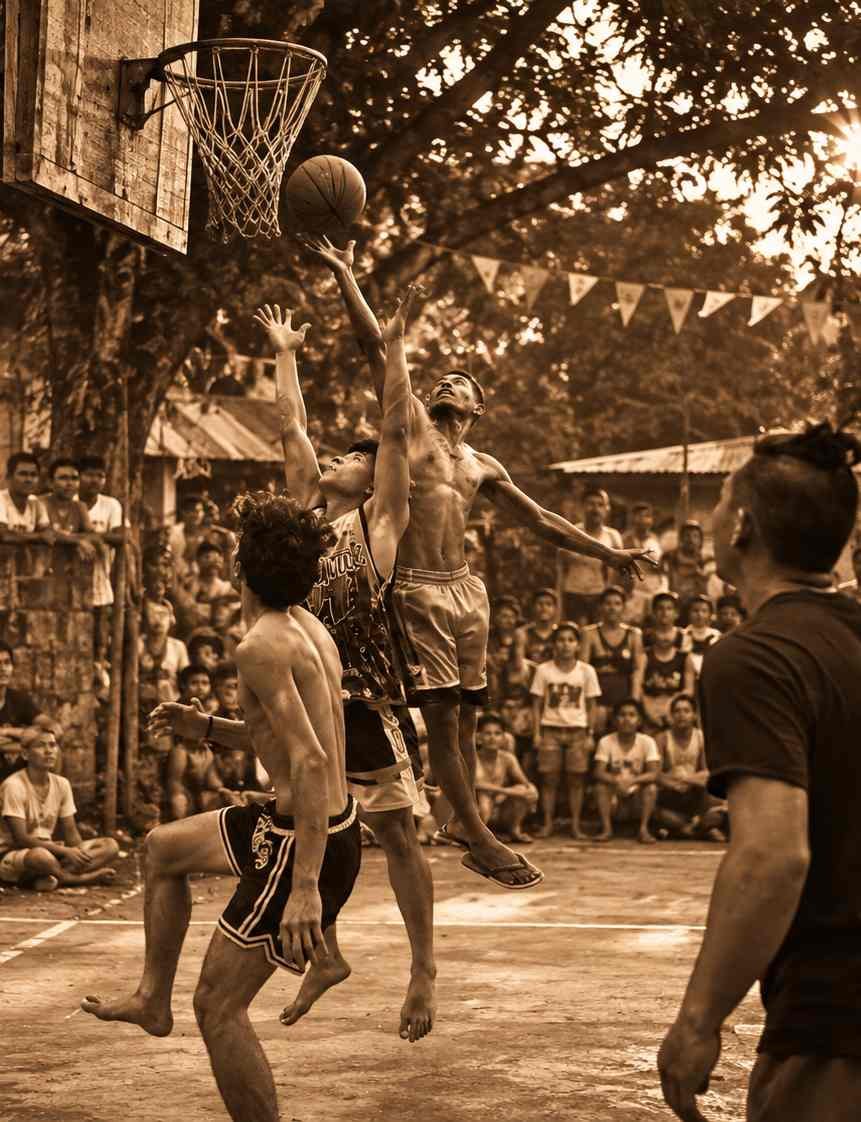
Basketball came to the islands during the American colonial era, being included in public school programs in 1910 and initially as a sport for girls. A century later, a court with a hoop exists in almost every barangay, the smallest administrative unit of the country. Local tournaments and festivals take place here, and in the evenings under the streetlights, everyone plays who has a free hour, and many are right in flip-flops.
The court also functions as an informal club. Next to the court, people discuss yesterday’s PBA game, argue about the roster of the Gilas Pilipinas national team, and check scores on their smartphones. For some fans, the excitement has long moved online, and online betting has become a noticeable part of sports conversations, although legally betting here is permitted only from the age of 21.
American journalist Rafe Bartholomew even dedicated the book Pacific Rims, published in 2010, to this phenomenon. It is convenient to read it on a long flight so that by the time of landing in Manila, the local obsession with the ball will no longer seem strange.
The Big Dome and Its Younger Rivals
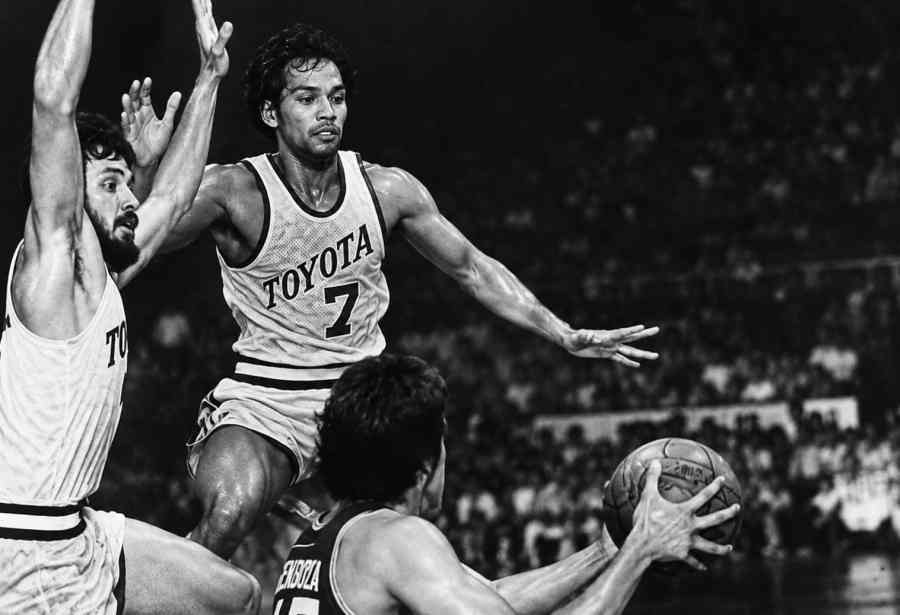
Professional basketball appeared here earlier than anywhere else in Asia. The PBA, or Philippine Basketball Association, dates back to 1975: it was the continent’s first professional league, and worldwide only the NBA has a longer history. Its debut game tipped off on April 9 of that year inside Cubao’s Araneta Coliseum, whose Big Dome nickname every local fan knows.
Today, three main basketball arenas operate in Manila and its surroundings, and the difference between them is especially noticeable if you look at their history:
| Venue | Location | Opened | Capacity | Signature moment |
| Araneta Coliseum | Quezon City, Metro Manila | 1960 | Up to 20,000 | Ali vs. Frazier title fight, 1975 |
| SM Mall of Asia Arena | Pasay, Metro Manila | 2012 | 15,000 seated, 20,000 full house | Final phase of the 2023 FIBA World Cup |
| Philippine Arena | Bocaue, Bulacan | 2014 | Up to 55,000 | PBA record crowd of 54,589 in 2023 |
Philippine Arena is unique. The 2023 FIBA World Cup opening game of the Philippine national team versus the Dominican Republic was held in it, and the record attendance of 38,115 people was set. However, reaching it via a car ride from other capital arenas will take at least one hour. That makes this journey a whole experience by itself.
On the contrary, Araneta and MOA Arenas are situated within huge shopping centers. After the game is over, you can go straight to a restaurant and eat some halo-halo without being stuck in traffic jams for the rest of the day.
Plan the Trip Around Tip-Off
The schedule of the league needs to be considered even prior to booking flights. UAAP student league kicked off its 89th season on September 12, 2026, while the men’s basketball league commenced the following day in Araneta. In turn, PBA regularly schedules away games out of Manila, mainly on Saturdays.
In order to have a smooth experience during your night out, there are a number of issues to consider:
- Tickets for games at Araneta are sold through TicketNet, and for matches at MOA Arena through SM Tickets;
- It is convenient to get to the Big Dome by public transport, and the nearest station is called Araneta Center-Cubao;
- Reselling tickets above face value is prohibited by Araneta rules, so it is better not to buy anything from unauthorized sellers;
- Starting from the 89th season, UAAP matches are broadcast for free on the One Sports YouTube channel, so you can avoid missing a game even on the road.
Speaking of it, for the love of basketball, you can even go south. The PBA All-Star Weekend returned to Bacolod after 16 long years in 2024, and the gym of the University of St. La Salle was at full capacity. Having considered the reputation of the city as the place where the MassKara Festival originated, one can easily transform the visit into a weekend getaway.

One Last Shot Before the Buzzer
Beaches and rice terraces will show the Philippines as beautiful, while basketball will show it as real, noisy, and passionate. One evening in the stands or by a courtyard is enough to feel the rhythm of local life. One way or another, the ball remains the simplest passport into the daily life of this country, and such an experience is worth writing into your itinerary.
More Story
