
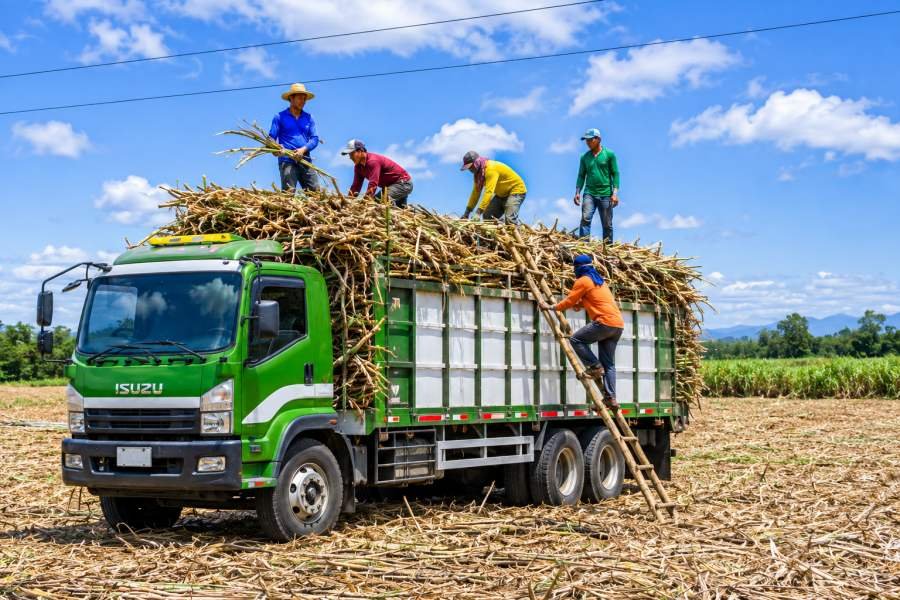
Negros Occidental Heritage
Negros Occidental Heritage | The Cultural Heart of Negros Occidental
Contents
Beyond Food and Festivals: A Personal Journey Through the History, Traditions, Heritage, and Identity of a Province
1. Negros Occidental Heritage: The Cultural Heart of the Province
Whenever I travel around Negros Occidental, I am reminded that the character of a place cannot be understood through its attractions alone. Having visited many towns and communities across the province, I have come to appreciate that what makes a destination memorable is not always its most photographed landmark. Sometimes, it is a familiar expression, an old family practice, a story told by an elder, or a tradition that people continue without thinking about how much history it carries.
Growing up on a farm, I learned early that culture was not something confined to books, museums, or formal celebrations. It was part of everyday life. It was in the way people spoke, prepared for fiestas, observed religious occasions, respected elders, remembered the departed, and talked about things they could not always explain. Looking back, I realize that many of these ordinary experiences were already lessons in heritage.
For me, Negros Occidental heritage is not simply about preserving old buildings or staging colorful festivals. It is about understanding how history, faith, migration, work, language, family, and shared experiences shaped the people who call this province home. Heritage is not only what we inherit. It is also what we choose to remember, protect, and pass on.
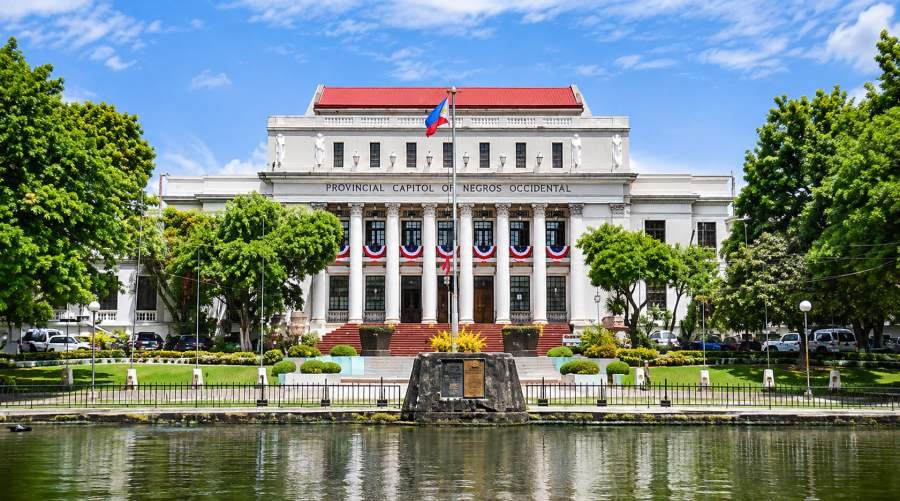
The Negros Occidental Provincial Capitol Building in Bacolod City is a historic government landmark designed by renowned Filipino architect Juan M. Arellano. Completed in 1933, it features Beaux-Arts and Neoclassical architectural influences and was declared a National Historical Landmark in 2004.
2. Negros Occidental Heritage: A Province Shaped by History
I find it difficult to understand Negros Occidental without looking at the forces that transformed it. Long before the Spanish period, the island was known as Buglas. The growth of sugar production in the nineteenth century changed the province’s economy, settlement patterns, and social structure. The opening of trade routes and the arrival of migrants from neighboring provinces helped shape the communities that exist today. The Provincial Government’s historical account provides a useful overview of these developments.
I also consider November 5, 1898, an essential part of our shared memory. The Cinco de Noviembre uprising, led by Generals Juan Araneta and Aniceto Lacson, became a defining moment in the province’s history. The story of the revolutionaries using simulated weapons to deceive Spanish forces is often retold, but I believe it deserves more than an annual commemoration. It should be discussed in classrooms, interpreted in heritage sites, and made accessible to younger generations. The Provincial Government’s historical account is a starting point for understanding its significance.
I would also like to see a fuller public discussion of the sugar era. The hacienda system produced wealth, impressive houses, and a distinct social landscape, but it also involved unequal ownership, difficult labor conditions, and economic vulnerability. A mature heritage narrative must include both the grandeur and the hardships. Remembering only the mansions while overlooking the workers and communities that sustained the industry gives us an incomplete history.
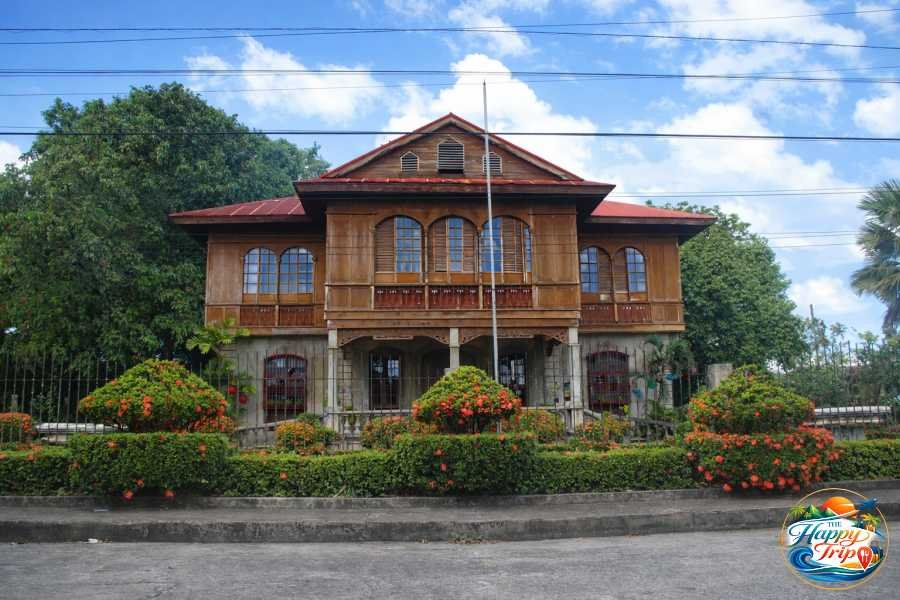
Balay Negrense is the ancestral home of Victor F. Gaston, built in 1897 in Silay City. Converted into a museum in 1990, it showcases the lifestyle of a prominent Negrense sugar-producing family during the late 19th century.
3. Negros Occidental Heritage: The Houses and Churches That Remember
Whenever I visit Silay, I am drawn to its ancestral houses and streets that preserve the character of an earlier period. The city is often associated with its heritage mansions, but I believe their importance goes beyond architecture. They tell us about family histories, changing lifestyles, craftsmanship, the sugar economy, and the aspirations of an earlier generation.
The legal recognition of heritage structures, including ancestral houses along Silay’s historic streets under Republic Act No. 8058, demonstrates that preservation is not merely a matter of personal appreciation. It can be supported by public policy. The National Museum’s account of the General Aniceto L. Lacson Ancestral House also illustrates how a historic property can be recognized as part of the country’s national heritage.
But my appreciation of Negros Occidental’s history is not limited to ancestral houses. I have always found old churches fascinating because they reveal how towns developed around faith, community, and shared experience. They are among the most visible reminders of our colonial past, but they also remain active centers of religious and community life.
In Bacolod, the San Sebastian Cathedral remains one of the city’s most recognizable historical landmarks. Its cornerstone was laid on April 27, 1876, and it was inaugurated on January 20, 1882. The cathedral has witnessed Bacolod’s transformation from an old settlement into the highly urbanized city it is today. For me, its location in the heart of the city makes it an important stop for anyone wanting to understand Bacolod beyond its shopping districts and restaurants. National Historical Commission of the Philippines.
I would also encourage travelers to visit the Santa Maria Magdalena Church in Hinigaran. Its parish history dates to the nineteenth century. Construction of the present stone church began in 1858, with local residents helping build the structure using materials that included stone, bricks, and coral blocks. One particularly interesting account describes how residents were required to contribute eggs for the mortar mixture. I find details like this fascinating because they remind me that these churches were not simply constructed by distant authorities; local communities contributed to their creation. Negros Season of Culture – Santa Maria Magdalena Parish.
In Valladolid, the Our Lady of Guadalupe Church is another structure worth including in a heritage journey. The Recollect parish dates to 1852, and the construction of its stone church began in 1877 under Fr. Carlos Úbeda. Historical accounts describe it as one of the largest churches on the island during its time. I find it fascinating how a town’s religious history can also reveal its former economic and social standing. Our Lady of Guadalupe Church, Valladolid.
In La Carlota City, the Nuestra Señora de la Paz Church, also known as the Our Lady of Peace Church, deserves attention. The parish was established in 1876, and construction of the stone church began in 1877. Its construction was interrupted by the Philippine Revolution and continued over subsequent decades. The church was eventually blessed in 1936. Its history is a reminder that heritage structures often reflect not just one period but several generations of work, interruption, and restoration. Historical account of Our Lady of Peace Church.
Silay City also deserves a place in this journey through the province’s religious heritage. The San Diego Pro-Cathedral has a parish history dating to 1776, although its present church was built between 1925 and 1927. Its distinctive dome makes it one of the most recognizable church structures in Negros Occidental. I would include it in any visit to Silay, especially for travelers already exploring the city’s ancestral houses, heritage streets, and cultural attractions. San Diego Pro-Cathedral history.
I would also retain the San Nicolas de Tolentino Church in Talisay, particularly because of its association with the devotion to San Vicente Ferrer and the local palapak practice. The St. Joseph the Worker Parish Church in E.B. Magalona deserves attention for its historic bells dated 1879, 1891, and 1896, documented in the UP Visayas Cultural Mapping project.
These churches give us a glimpse of different periods of the province’s development. They also offer travelers a reason to explore beyond Bacolod and the familiar tourist stops. A visitor can discover how architecture, faith, and local history differ from one community to another.
I believe these churches should be promoted as part of a coordinated Negros Occidental Heritage Church Trail. Such a trail could connect Bacolod, Silay, Hinigaran, Valladolid, La Carlota, and other towns through historical interpretation, visitor information, parish-approved visiting arrangements, and connections to nearby attractions. A church becomes a more meaningful destination when visitors understand the story behind its walls, the people who built it, and the community that continues to care for it.
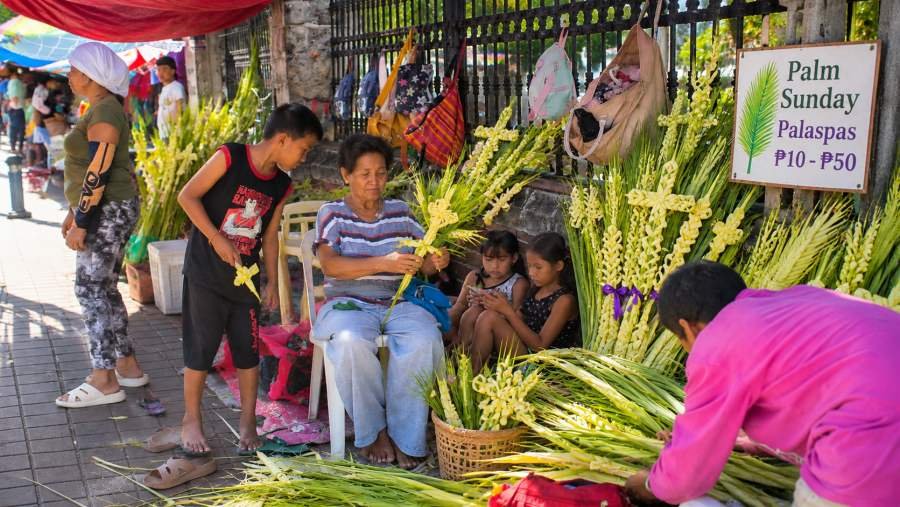
The palaspas is a woven and decorated palm frond carried by Filipino Catholics during Domingo de Ramos (Palm Sunday), marking the beginning of Holy Week. It commemorates Jesus Christ’s triumphant entry into Jerusalem, where people welcomed Him with palm branches. The palaspas is blessed during Mass and traditionally brought home as a symbol of faith and devotion.
4. Negros Occidental Heritage: Faith Through the Seasons
Some of my strongest impressions of Negrense culture come from the way communities observe the religious calendar. These traditions are repeated year after year, yet each generation gives them its own memories.
During Lent, I remember the quieter atmosphere, the religious images, the prayers, and the sense that Holy Week was different from any other time of the year. The Visita Iglesia on Maundy Thursday, the Pabasa, the processions, and the Good Friday observances are not simply activities on a church calendar. They are occasions when families and communities gather around a shared expression of faith.
I find the Good Friday traditions particularly meaningful. In some communities, devotees observe halok kag du-aw before religious images, approaching them with reverence and devotion. There are also local practices involving the touching or pressing of religious images, sometimes associated with petitions, healing, or personal vows. These practices are not necessarily observed or understood in the same way by every Catholic. I believe they should be documented accurately, with the participation of the parish and the people who continue them.
One example is the palapak devotion associated with the image of San Vicente Ferrer at San Nicolas de Tolentino in Talisay. Devotees line up for the image to be pressed against the head or another part of the body for which they seek healing or offer a prayer. It is a good example of how local religious practices become part of community identity. Negros Occidental Faith Trail.
I also associate May with Flores de Mayo. I find something beautiful in the image of children and young women bringing flowers to the Virgin Mary, the prayers offered during the month, and the preparations for the Santacruzan. These observances connect families, parishes, and generations. They also remind me that religious traditions are often learned not through formal instruction but by accompanying parents, grandparents, and neighbors.
Then there are the town fiestas. I cannot think of a Negrense fiesta without thinking of handà. The preparations begin long before visitors arrive: food is planned, relatives are contacted, homes are cleaned, and families prepare to welcome guests. On fiesta day, the house becomes a gathering place. Relatives return, friends drop by, and even people who have not seen one another for a long time find a reason to reconnect.
For me, the fiesta is more than a religious celebration or a tourism event. It is an expression of generosity, kinship, and community belonging. But I also think that the original religious and historical meaning of each town’s celebration should not be overshadowed by entertainment and commercial activities.
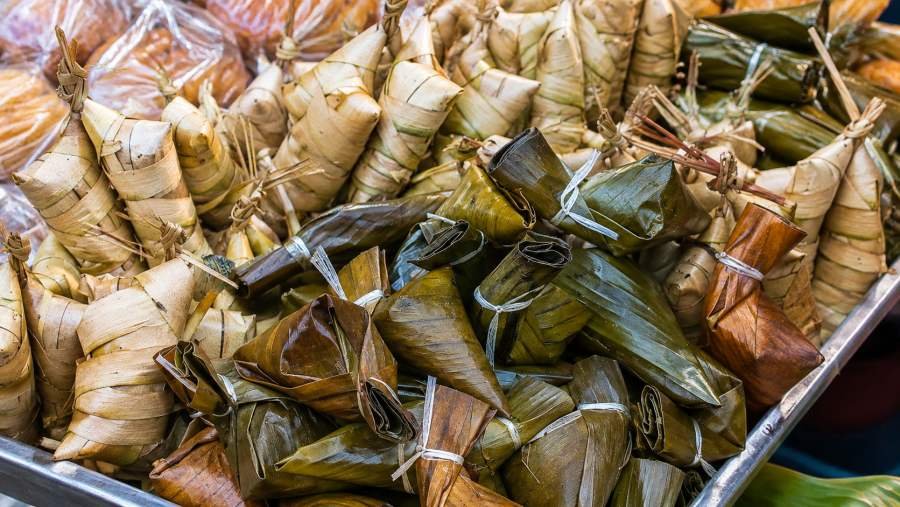
The practice of making kakanin every November 1 is part of the local tradition of Tigkalalag. Families prepare native delicacies such as suman, biko, kalamay, and other rice-based treats to share with relatives, neighbors, and visitors who come to remember their departed loved ones It is more than food preparation—it is an expression of hospitality, remembrance, generosity, and community, keeping a meaningful tradition alive across generations.
5. Tigkalalag, All Souls’ Day, and the Negrense Memory of the Departed
I find the way Negrenses remember their departed especially meaningful. All Saints’ Day and All Souls’ Day are occasions when families visit cemeteries, clean graves, bring flowers, light candles, pray, and spend time remembering those who came before them.
In our familiar way of speaking, we might say, “Mang-kalag-kalag kita.” The expression carries a sense of going to remember and visit the departed. It is an everyday phrase, but it reflects a cultural practice that remains important in many families. I think these expressions deserve to be preserved because language often carries the emotional meaning of a tradition better than a formal description can.
One celebration that gives this observance a distinct local identity is the Tigkalalag Festival of Isabela, Negros Occidental. Launched on November 2, 2008, the festival draws from the observance of All Saints’ Day and All Souls’ Day. What interests me is how it turns a familiar practice of remembering the dead into a cultural expression associated with the town. The festival returned in 2025 after a seven-year hiatus, and local leaders have since discussed institutionalizing it as a permanent municipal celebration. Tigkalalag’s return and the effort to make it permanent.
I believe Tigkalalag also raises an important question about authenticity. A festival can be relatively young and still become meaningful to a community. It does not have to be centuries old to deserve recognition. What matters is whether its story is honestly told, whether the community identifies with it, and whether it continues to express something distinctive about the place.
6. Between Faith and the Unseen: Folk Beliefs and Supernatural Stories
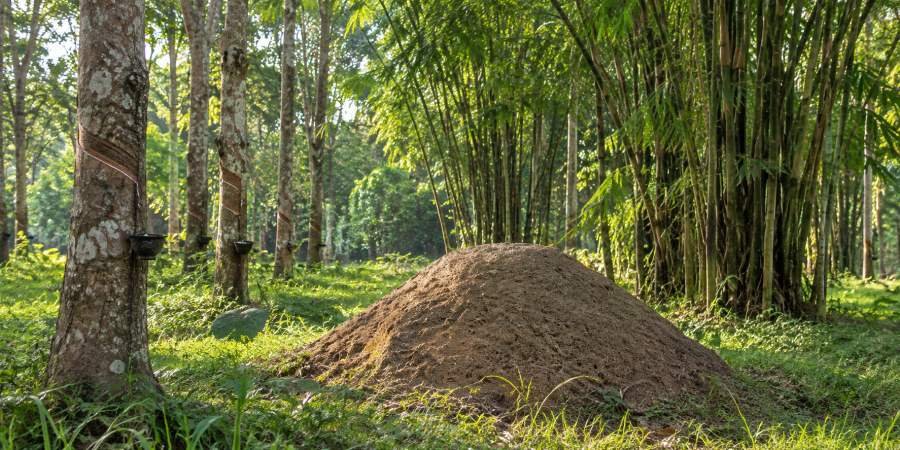
Growing up on a farm, I remember how the world seemed to have another dimension beyond what we could see. The farm was a place of work, family life, and nature, but it was also where I first became familiar with stories about unseen beings, mysterious places, and things that adults could not always explain.
I remember the warnings that came with certain places and situations. There were stories about areas one should not disturb, trees one should not casually approach, and places where people believed unseen beings might dwell. The elders had their own explanations for strange experiences. Sometimes a person was said to be na-buyagan. At other times, someone might be described as nasalapay sang taglugar. These expressions belonged to a world of beliefs that was familiar in our childhood conversations.
I cannot claim that every story was true, and I do not think we need to prove or disprove every experience to understand its cultural significance. What I find interesting is how these beliefs influenced behavior. Children were taught to be careful, to respect unfamiliar places, and to listen to warnings from older people. Whether the explanation was spiritual, practical, or simply part of local folklore, the stories became part of our upbringing.
I also remember the familiar idea of buyag, and the expression “Pwera buyag” when someone is admired or praised. These words remain recognizable in everyday Filipino and Visayan conversation. They express a concern that excessive admiration might bring harm, but they also reveal how people use language to express affection, protection, and caution.
For me, these stories belong in the cultural history of Negros Occidental. They should be recorded through oral histories, interviews with elders, and local folklore collections. We should distinguish documented Indigenous traditions from family beliefs, local legends, and personal experiences. We should neither ridicule these beliefs nor present them as established historical facts. The important thing is to understand how they became part of community life.
7. Negros Occidental Heritage: The Language of Home
When I think about Negrense identity, I also think about the words we grew up hearing at home. Nanay and Tatay are more than names for our parents; they carry familiarity, respect, and affection. The way we address relatives, speak to elders, and exchange stories around the table is part of our cultural inheritance.
I also remember familiar family terms and expressions such as tiyoy and tiyay. These everyday words may seem ordinary, but they are part of the language of home. They are the kind of expressions that children learn naturally, without anyone sitting them down for a vocabulary lesson. They are absorbed through family conversations, gatherings, and the simple experience of growing up in a community.
I hear the character of Negros in the way people speak, joke, welcome visitors, and relate to one another. Hiligaynon expressions, local humor, and the familiar warmth of family gatherings carry memories that may never appear in official historical accounts.
I would like schools and cultural institutions to collect oral histories from ordinary Negrenses—farm workers, former hacienda employees, teachers, community elders, and families whose stories have never been published. Their memories can help future generations understand how the province changed, not just what its official milestones were.
Language is a fragile form of heritage. If younger generations no longer hear local expressions, stories, and place names, we risk losing a part of our identity that no building restoration can recover.

8. Negros Occidental Heritage: Festivals and Authenticity Beyond the Stage
I enjoy the energy of Negros Occidental’s festivals. They bring communities together, attract visitors, and give local performers and organizers a platform. But I also believe we should ask a difficult question: Are our festivals genuinely rooted in the history and identity of their respective places, or have some become mainly tourism productions?
I do not believe a festival has to be ancient to be authentic. Bacolod’s MassKara Festival, for example, began in 1980 amid the sugar industry crisis and the tragedy of the MV Don Juan sinking. Its story is relatively recent, but it has become a meaningful expression of the city’s resilience. The UP Visayas cultural mapping inventory recognizes MassKara as part of the province’s intangible cultural heritage.
What I would like is for the historical story to remain visible. If MassKara is presented only through masks, costumes, competitions, and entertainment, visitors may miss the difficult circumstances that gave the festival its meaning. A festival’s cultural value should not be measured only by attendance, sponsorships, and economic returns.
I would apply the same questions to Pintaflores in San Carlos, Sinigayan in Sagay, and other town celebrations. What local story does each festival represent? Who developed it? How has it changed? What role do residents play in shaping it? Are its symbols and performances supported by historical research, or are they simply attractive additions to a tourism calendar?
I believe every municipality should have a documented festival history. If a celebration is a recent creation, say so proudly. If it is based on an older tradition, document the evidence. If it has evolved, explain how and why. Authenticity does not require pretending that every festival is ancient. It requires honesty, community ownership, and a meaningful connection to place.
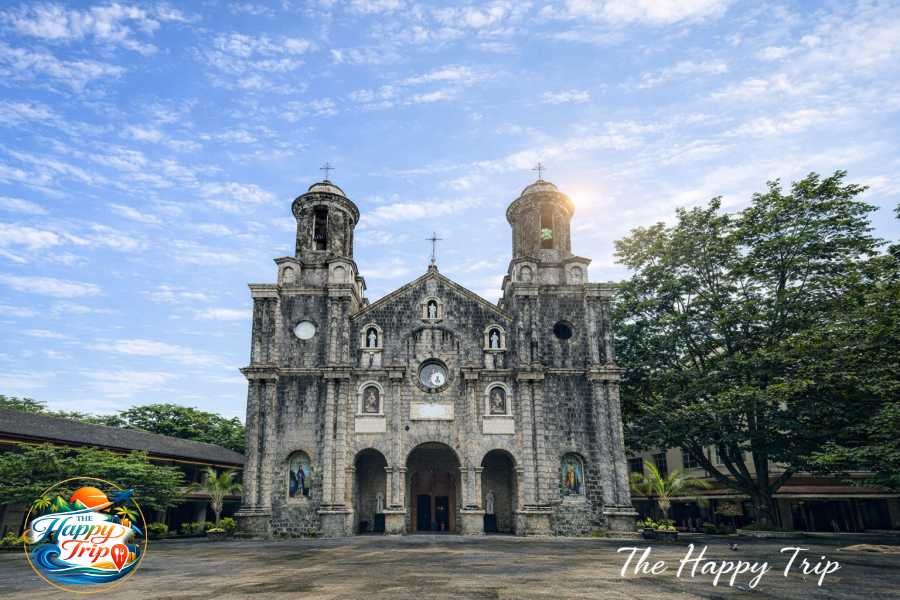
San Sebastian Cathedral, located along Rizal Street in Bacolod City, is one of the city’s most recognizable religious landmarks. It serves as the seat of the Diocese of Bacolod and is an important center of Catholic faith and community life in Negros Occidental. Its present structure was built using coral stones from Guimaras, with construction beginning in 1876 and the church inaugurated in January 1882. It became a cathedral in 1922, according to the National Historical Commission of the Philippines.
9. Negros Occidental Heritage: Giving Travelers More Reasons to Explore
As a travel blogger, I look at heritage not only as something worth preserving but also as an opportunity to give travelers more reasons to discover Negros Occidental. Our province has a rich collection of old churches, ancestral houses, historical landmarks, museums, festivals, and living traditions. Together, these can form a tourism experience that goes beyond the usual itinerary.
I believe there is considerable potential in developing heritage routes that connect destinations rather than promoting every attraction as an isolated stop. Imagine a traveler beginning in Bacolod with San Sebastian Cathedral, continuing to Silay to explore San Diego Pro-Cathedral and its ancestral houses, then discovering the old churches of Hinigaran, Valladolid, and La Carlota. The journey becomes more than a series of photographs. It becomes an opportunity to understand how the province developed, how faith influenced communities, and how each town has its own character.
The same approach can be applied to our cultural traditions. A visitor who comes during Holy Week can learn about Visita Iglesia and local religious processions. Someone visiting in May may encounter Flores de Mayo and the Santacruzan. Travelers arriving around All Souls’ Day can learn about the local observance of remembering the departed, including Isabela’s Tigkalalag Festival. These are experiences that help visitors appreciate the cultural life of a destination rather than simply consume its attractions.
I also see opportunities for community-based tourism. Local historians, parish communities, cultural workers, tour guides, museums, schools, and local entrepreneurs can work together to create guided heritage walks, storytelling sessions, church-history tours, cultural calendars, and small-town experiences. These activities can create livelihood opportunities while encouraging residents to take pride in their own heritage.
But heritage tourism must be managed responsibly. Churches are places of worship first, not commercial attractions. Ancestral houses are private properties or protected structures that require care. Religious practices should be explained respectfully, and community traditions should not be altered simply to entertain visitors. Tourism should support preservation, not place additional pressure on fragile heritage sites.
I would also like to see better visitor information. Travelers need reliable details about location, history, accessibility, visiting hours, photography rules, local guides, and nearby attractions. A well-researched online article, an official tourism page, or a downloadable heritage map can make a real difference when visitors plan their trips. These resources also help ensure that the stories of our towns remain discoverable long after a social media post has disappeared from someone’s feed.
For me, the real promise of heritage tourism is that it can connect the past with the present. It can bring visitors to places they might otherwise overlook, support local businesses, create opportunities for guides and cultural workers, and encourage communities to protect what makes them distinct.
Negros Occidental does not need to invent a cultural identity for tourism. We already have one. What we need is to interpret it well, protect it, and make it accessible to people who want to understand the province more deeply.
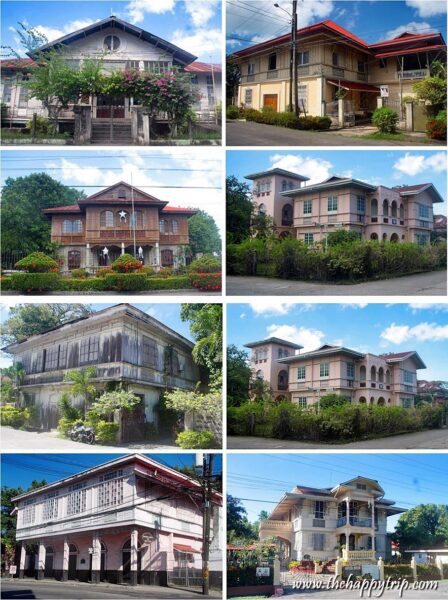
Silay’s Old Ancestral Houses. Silay City is home to a remarkable collection of ancestral houses that reflect the wealth, lifestyle, and architectural elegance of Negros during the golden age of the sugar industry. Built mainly in the late 19th and early 20th centuries, these homes feature traditional bahay-na-bato designs, intricate woodwork, capiz windows, wide verandas, and influences of American-period architecture. They preserve stories of prominent Negrense families and offer a glimpse into the city’s rich past. Silay’s ancestral houses are not merely old structures; they are living reminders of the city’s history, identity, and cultural heritage.
10. From Cultural Mapping to Heritage Protection
One development gives me reason to be optimistic. In February 2026, the Cultural Mapping of Panay and Guimaras project launched 32 volumes of cultural inventories for Negros Occidental. The project documented 646 cultural assets: 154 natural resources, 238 tangible immovable heritage assets, 62 tangible movable heritage assets, 104 intangible cultural heritage assets, 55 significant personalities, and 33 cultural institutions. The inventories covered all 32 cities and municipalities of the province. Read the cultural inventory announcement by UP Visayas.
For me, this is a major foundation. But an inventory is not yet a preservation program. Documenting a heritage house does not automatically protect it from demolition. Recording an oral tradition does not guarantee that younger generations will learn it. Identifying a historic church does not ensure that it will receive appropriate conservation funding.
I also believe we need to document the heritage that is less visible: the farm stories, local beliefs, cemetery traditions, old prayers, family expressions, fiesta customs, and memories of ordinary people. These may not attract as many visitors as a famous landmark, but they help explain what makes a community distinct.
The next challenge is implementation. I would like every city and municipality to translate its cultural inventory into a funded local cultural development plan. This should include conservation priorities, responsible tourism guidelines, school-based heritage education, community archives, and regular monitoring. The inventories should also be accessible online so that researchers, teachers, residents, travelers, and future generations can use them.

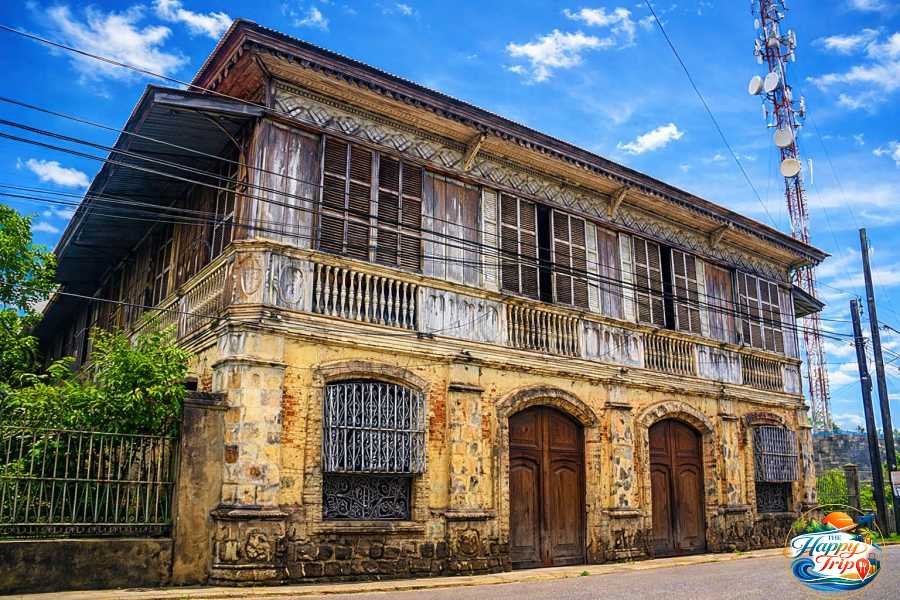
- Top: The Ruins – A grand Italian-inspired mansion in Talisay City, Negros Occidental, built by Don Mariano Ledesma Lacson. Its romantic remains stand as a reminder of a family’s history and the region’s sugar-era prosperity. 2. Balay ni Tana Dicang – A well-preserved 19th-century ancestral house in Talisay City, once home to Doña Enrica Alunan-Lizares. It offers a glimpse into the lifestyle and heritage of a prominent Negrense family.
11. Negros Occidental Heritage: What Is Still Missing?
As I look at the province’s heritage landscape, I see several areas that deserve more attention. These are not reasons to dismiss the work already done. They are the next steps if we want heritage preservation to become a lasting public commitment.
First, we need stronger protection for ordinary heritage. The attention often goes to well-known mansions, churches, and monuments. But old houses, historic streets, industrial structures, agricultural landscapes, local cemeteries, and community landmarks also tell important stories. We need clear inventories, conservation advice, incentives, and enforcement.
Second, we need to preserve intangible heritage before it disappears. Oral histories, local expressions, traditional knowledge, community rituals, supernatural folklore, and the memories of older generations need systematic documentation. This work should be community-led and should respect the rights of the people whose knowledge is being recorded.
Third, we need more historical research behind festivals and tourism narratives. Local governments should commission credible documentation of each festival’s origin, symbolism, and evolution. A festival should not be called ancient simply because it is colorful or popular. Its history should be established, and its community should have a voice in how it is presented.
Fourth, heritage needs a budget, not just an annual celebration. Cultural programs should have continuing funding for conservation, research, education, and community participation. A festival budget cannot substitute for a heritage conservation budget.
Fifth, local heritage needs a stronger digital presence. I believe that stories which are not documented and published become harder to discover. Local museums, schools, cultural offices, and tourism offices should maintain accessible digital archives, accurate websites, photographs, oral-history collections, and well-researched articles. Social media posts are useful, but they are not a substitute for organized, searchable information.
Sixth, we need a stronger connection between heritage and tourism development. Our historic churches, ancestral houses, museums, festivals, and living traditions should be linked through well-planned routes, reliable visitor information, trained local guides, and partnerships with local businesses. Tourism offices should make it easier for visitors to discover places beyond the usual destinations while ensuring that communities benefit from the visits.
Finally, heritage should involve the people who carry it. Local historians, teachers, artists, cultural workers, parish communities, Indigenous groups, property owners, researchers, and residents should have a meaningful voice in decisions. Preservation becomes weak when communities are treated only as performers or tourism attractions rather than partners.
For local leaders, I would suggest a practical commitment: establish or strengthen local culture and arts councils, connect cultural mapping to annual investment plans, publish conservation priorities, train local heritage workers, and report measurable progress. The work should continue beyond political terms and changing administrations.
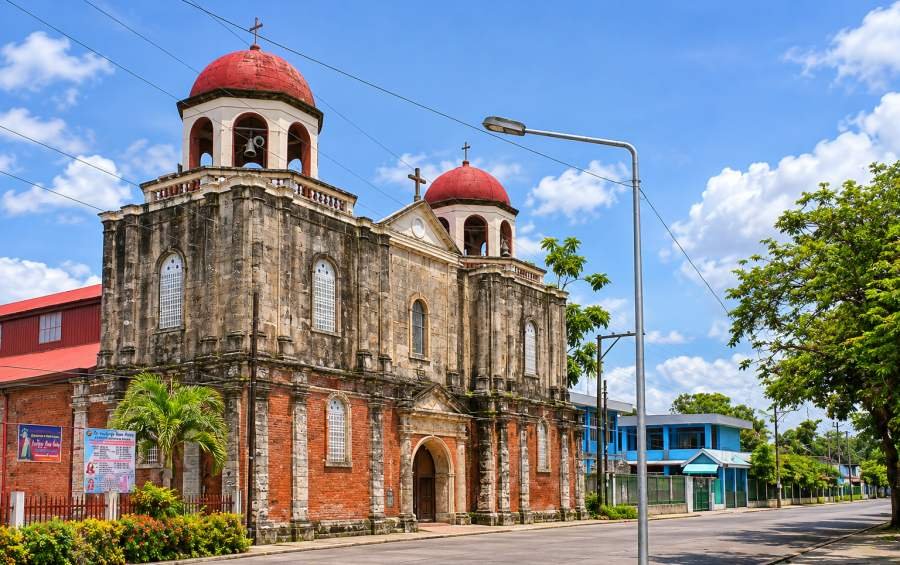
La Carlota Church (Our Lady of Peace Parish) – A historic Spanish-era church in La Carlota City, Negros Occidental, known for its Romanesque architecture, massive walls, and distinctive arches. Built with red bricks from Silay and coral stones from Guimaras, it was completed and blessed in 1936. It is recognized as an important heritage landmark in the city
12. Keeping the Cultural Heart of Negros Alive
After visiting many places in Negros Occidental and looking back on my own childhood, I have come to appreciate that heritage is not confined to a museum or a historic district. I find it in old church bells, family memories, familiar expressions, town celebrations, ancestral homes, farm stories, and even the warnings our elders gave us about places we should respect.
I think of the prayers during Lent, the flowers offered in May, the families gathering at cemeteries, the handà prepared for fiestas, and the familiar invitation, “Mang-kalag-kalag kita.” I also think of the stories about the unseen that I heard growing up on a farm. Whether these are religious practices, folk beliefs, or family traditions, they form part of the memories through which communities understand themselves.
I also believe we should be honest about what we have preserved and what we have neglected. We should celebrate our festivals, but ask whether they still communicate the stories that make each place distinct. We should admire our ancestral houses, but also ask how we can protect the less famous structures. We should publish our cultural inventories, but make sure that they lead to real programs, budgets, and community action.
As someone who has spent years writing about destinations, I see a real opportunity for Negros Occidental to strengthen its position as a heritage and cultural tourism destination. Our old churches, ancestral houses, religious observances, festivals, local expressions, and community stories can become the foundation of meaningful travel experiences. But these attractions must be connected through thoughtful planning, reliable information, trained local guides, and genuine community participation. When heritage is protected and properly interpreted, tourism becomes more than an economic activity. It becomes a way for visitors to understand a place and for residents to appreciate the value of what they have inherited.
Negros Occidental heritage is not simply a collection of things from the past. It is a responsibility in the present. The province has stories worth sharing, but those stories deserve more than a tourism campaign. They deserve research, protection, thoughtful interpretation, and the participation of the people whose lives give them meaning.
I want visitors to discover Negros Occidental and appreciate its beauty. More importantly, I want the next generation of Negrenses to understand why these places, traditions, expressions, and stories matter—and to have something meaningful left to inherit.
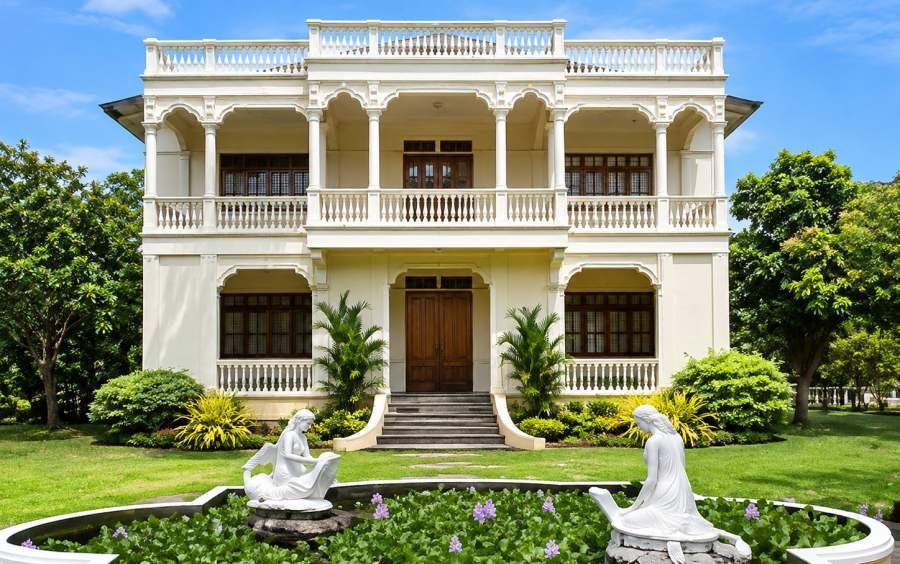
Gaston Mansion, Manapla – Located within Hacienda Santa Rosalia, this elegant 1930s ancestral home was built by the Gaston family, prominent figures in Negros’ sugar industry. Surrounded by gardens and rich in period furnishings, it gained cinematic fame as one of the filming locations of Peque Gallaga’s Oro, Plata, Mata (1982).
More Stories
- KERALA INDIA TRAVEL GUIDE | Itinerary, Tourist Spots, Hotels
- PANGLAO ISLAND, BOHOL TRAVEL GUIDE | BEACH RESORTS
- THINGS TO DO VICTORIA, AUSTRALIA
- KAPURPURAWAN ROCK FORMATION | ILOCOS TOURIST SPOT
- MIMBALOT FALLS, ILIGAN PARADISE RESORT, AND ECO-PARK
- SINULOM FALLS TRAVEL GUIDE [ CAGAYAN DE ORO ]
- KAWASAN FALLS CEBU + CANYONEERING
- Negros Creative Industries: The Creative Soul of Negros Occidental
- Negros Occidental Food Trail: Famous, Forgotten and Emerging Flavors
- Siargao Beyond Paradise: When Tourism Success Calls for a More Thoughtful Strategy
- Barangay Taculing Grand Champion | MassKara 2026 Barangay Category
- MassKara 2026 Elementary Champion: Mandalagan Wins
