
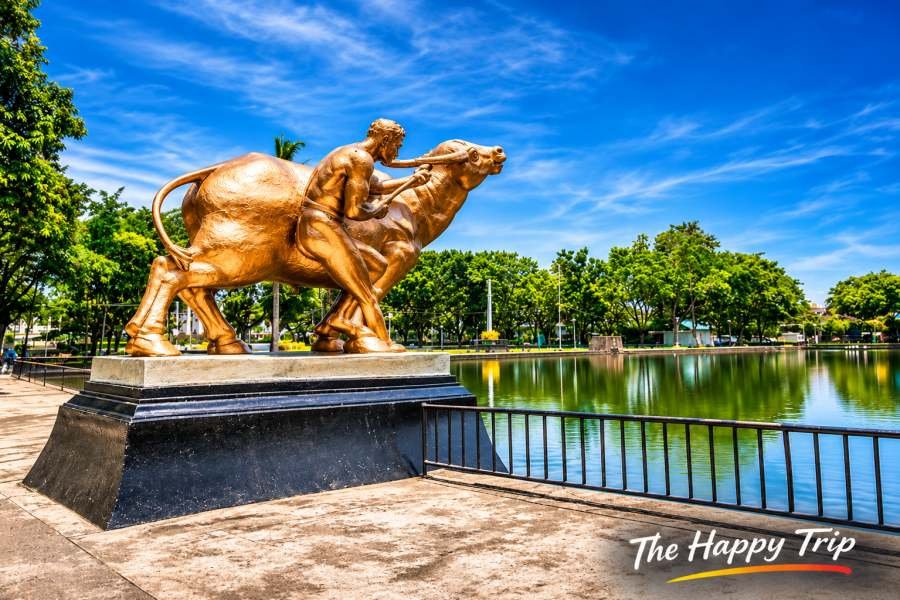
Negros Creative Industries
Negros Creative Industries: The Creative Soul of Negros Occidental
Contents
Beyond the Masks: Discovering the Artisans, Designers, Artists, and Creative Communities of Negros
Whenever I talk about Negros Occidental, people usually bring up the things we are proud of: our sugarcane heritage, ancestral houses, delicious food, beautiful beaches, and colorful festivals. And, of course, there is MassKara, which has practically become part of our identity.
But after years of working in the creative sector, I have come to appreciate another side of Negros—one that does not always make it into the usual travel itinerary.
I am talking about the people who weave pandan into bags and mats, the potters who shape clay into useful and decorative pieces, the artisans who transform natural materials into home accessories, the fashion designers who bring local inspiration to the runway, and the artists who give our festivals their unmistakable character.
There is also a growing community of photographers, graphic designers, video editors, digital artists, and content creators who are building careers through their creative skills.
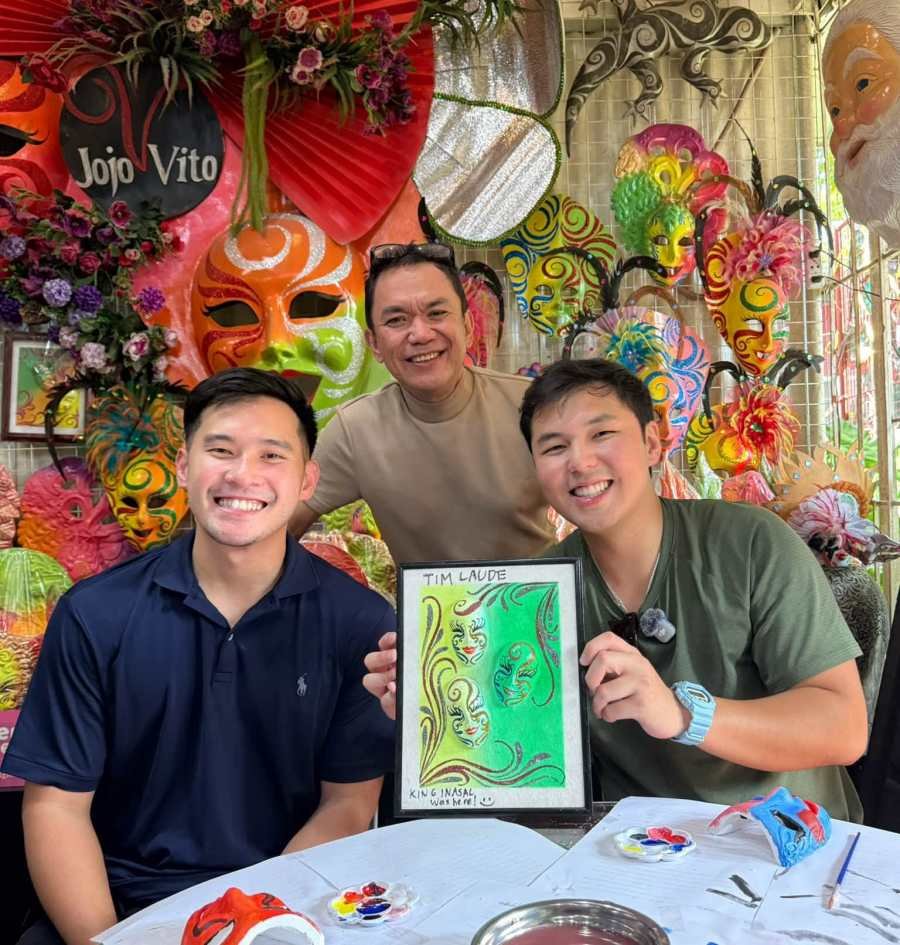
I have my own little corner in this world through Jojo Vito Designs Gallery. Making masks and handcrafted pieces has taught me that creativity is not simply about producing something beautiful. There is a lot of work behind every finished product: conceptualizing, sourcing materials, designing, making, pricing, promoting, and finding someone willing to buy it.
And believe me, sometimes finding the buyer is harder than making the product!
That experience has made me look at Negros differently. I no longer see our crafts, art, and festivals as separate attractions. I see them as part of a much bigger story about livelihood, entrepreneurship, culture, and economic opportunity.
This is why I want to take you beyond the usual tourist stops and introduce you to the Negros Creative Industries—the people, places, and enterprises that show just how imaginative Negros Occidental can be.
1. The Creative Soul of Negros: More Than Festivals and Food [ Negros Creative Industries ]
I have always believed that the best way to understand a place is to look beyond its famous attractions and discover the people who make it what it is.
In Negros Occidental, creativity is everywhere. Sometimes it is found in a community workshop, sometimes in a small home-based enterprise, and sometimes in a designer’s studio. It can be traditional, contemporary, or a combination of both.
Some skills have been passed down through generations. Others are being developed by younger Negrenses who see opportunities in photography, fashion, graphic design, digital media, and other creative services.
What I find particularly interesting is how these different forms of creativity can complement one another.
A weaver can work with a designer. A local craft producer can collaborate with a tourism establishment. A photographer can help a small business present its products more professionally. A festival mask maker can develop designs that become collectible pieces or home décor.
Suddenly, creativity is no longer just an individual talent. It becomes an ecosystem.
And I think Negros has more than enough raw material—both literally and creatively—to build one.
2. The Hands That Keep Traditions Alive [ Negros Creative Industries ]
Discovering the weavers, potters, and makers of Negros
One of the things I enjoy about exploring local crafts is discovering how ordinary materials become extraordinary products in the hands of skilled artisans.
Take pandan, for example.
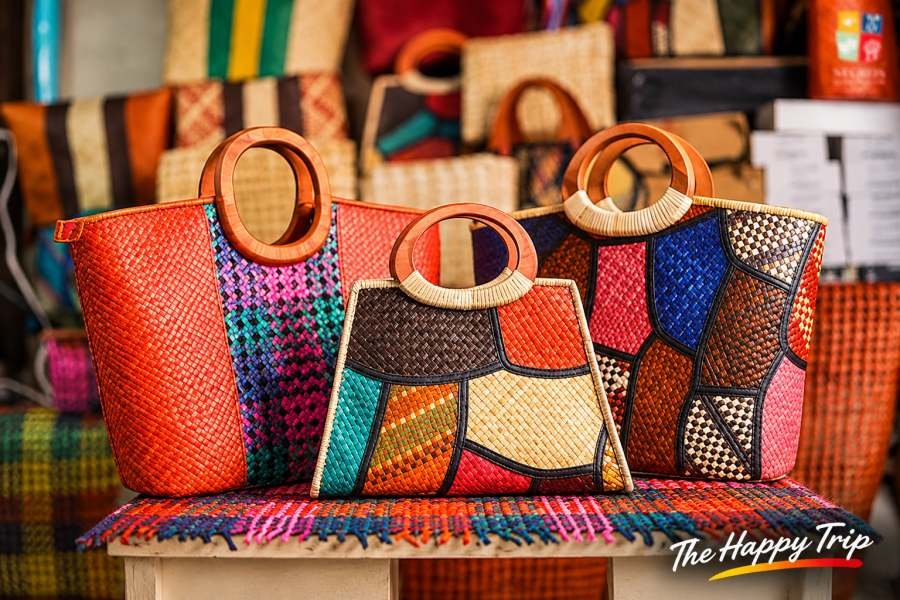
In Toboso and Calatrava, pandan leaves are transformed into bags and mats. These are practical products, but they also carry something that mass-produced items often lack: the story of the community and the skill of the person who made them.
The Philippine News Agency has reported on traditional textile and fiber products in Negros Occidental, including pandan products from these two northern towns (PNA).
I find this particularly worth promoting because woven products can appeal to more than tourists looking for souvenirs. With thoughtful design, they can become everyday fashion accessories, home décor, and lifestyle products.
Further south, I find the story of the Madaja weavers in Himamaylan City equally inspiring.
In Sitio Madaja, Barangay Buenavista, members of the Madaja Hand Weavers Association work with tikog, a reed grass used to produce sleeping mats and other handmade items.
What makes their story especially meaningful to me is that weaving has become a source of livelihood for a community that has worked hard to create new opportunities for its residents.
The Philippine News Agency documented how the community received assistance in developing its products, improving quality, and reaching markets. Its products have included sleeping mats, table runners, coin purses, hats, and fans.
I particularly like this example because it shows what can happen when traditional skills meet product development and market access (PNA).
In Binalbagan, community-based initiatives such as Alayon IP Crafts also demonstrate the potential of traditional weaving and natural materials, including pandan and abaca. These products are reminders that the creative economy does not have to begin in a large factory or a sophisticated design studio. Sometimes, it begins in a community where people already know how to make something with their hands.
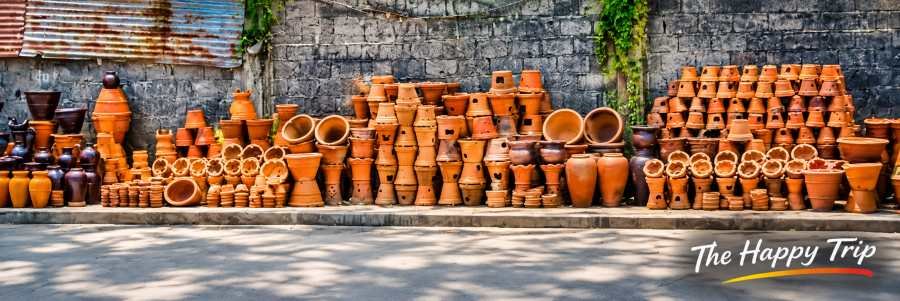
Another craft that deserves attention is pottery in Pahanocoy, Bacolod City.
I have always admired pottery because it requires a different kind of patience. Clay does not immediately become a beautiful pot. It has to be prepared, shaped, dried, and fired. One mistake can affect the final product.
In October 2025, the Department of Science and Technology unveiled an upgraded pottery kiln facility for the Pahanocoy community. The new LPG-fired kiln is intended to improve product quality and production while addressing environmental and health concerns associated with traditional open firing.
For me, this is a good example of how technology can help preserve a traditional craft rather than replace it (DOST).
These communities remind me that handmade products have a value beyond their appearance. They carry time, skill, identity, and livelihood.
The challenge is to make sure that the people who create them receive a fair share of the value.

3. From Natural Fibers to Modern Fashion [ Negros Creative Industries ]
When local materials inspire contemporary design
I get excited whenever I see traditional materials being used in new ways.
In Bago City, silk production associated with OISCA adds an interesting dimension to the province’s textile story. Sericulture—the raising of silkworms for silk production—connects agriculture with textile-making and opens possibilities for local product development.
The Philippine fiber industry has also documented sericulture and silk-related development in the country ( Philippine Fiber Industry Development Authority).
What I find exciting is the possibility of connecting these resources to fashion and lifestyle design.
Imagine local designers working with weavers, textile producers, and craft communities to develop contemporary products using materials associated with Negros. It could lead to clothing, accessories, home furnishings, and other products that carry a distinct local identity.
Negros also has fashion designers whose creations have been showcased during festivals and other events, with some reaching international platforms and dressing international beauty queens.
I would rather focus on the collective talent than turn this section into a list of personalities. What matters to me is that Negrense creativity is not confined to the province.
Our designers can compete, our products can travel, and our creative ideas can find audiences elsewhere.
But I would love to see stronger connections between our fashion designers and our traditional craft communities. There is an opportunity to create a more integrated local design industry—one where the weaver, material producer, artisan, and designer are part of the same creative story.
That is the kind of collaboration that can make local fashion more distinctive and more economically meaningful.

4. The Art Behind the Festivals [ Negros Creative Industries ]
MassKara masks, costumes, and the people who make the spectacle happen
Of course, I cannot write about creativity in Negros Occidental without talking about festivals.
And I certainly cannot talk about festivals without mentioning MassKara.
As someone who makes masks, I have a special appreciation for this celebration. I see the festival not only as a colorful tourism event but also as a massive creative undertaking involving artists, designers, mask makers, costume makers, choreographers, performers, musicians, and production teams.
MassKara began in 1980, during a difficult period in the history of Bacolod and Negros Occidental. The sugar industry was facing a serious crisis, and the sinking of the MV Don Juan added to the tragedy experienced by Negrenses. The smiling mask became a symbol of hope and resilience.
The University of the Philippines Visayas cultural mapping entry on MassKara provides a useful account of its origins and cultural significance.
I have always found it fascinating how the mask itself has evolved. Early masks used paper-mâché, while later designs incorporated coconut husks, seashells, fabrics, recycled materials, and other decorative elements.
For a mask maker, every material presents a different challenge. Some are easy to shape, some require more preparation, and others demand a lot of patience before they become part of the finished design.
The festival also gives young artists opportunities to experiment. A recent mask-making competition, for example, featured designs using paint, fabrics, recycled materials, and indigenous elements. Read the PNA feature on young Bacolodnon mask makers.
But MassKara is not the only festival that showcases the creative energy of Negros Occidental.
San Carlos City’s Pintaflores and Sagay City’s Sinigayan Festival are also examples of how local communities use costumes, choreography, props, music, and visual storytelling to express their identity.
Whenever I watch these productions, I cannot help thinking about the people working behind the scenes. The dancers may be the ones in front of the audience, but there are many others whose work makes the performance possible.
Here is something I hope we can think about: What happens to these creative workers after the festival?
Do costume makers have other projects? Can mask makers develop products for year-round sale? Can festival-inspired designs become souvenirs, collectibles, or home décor? Can choreographers and production teams be engaged in other cultural events?
A festival may last only a few days, but the creative livelihood it generates should not have to end when the lights go out.
5. Where Artists Find Their Voice [ Negros Creative Industries ]
Art spaces and the contemporary creative scene
When I think about a city’s creative character, I also look at where its artists gather and where their work can be seen.
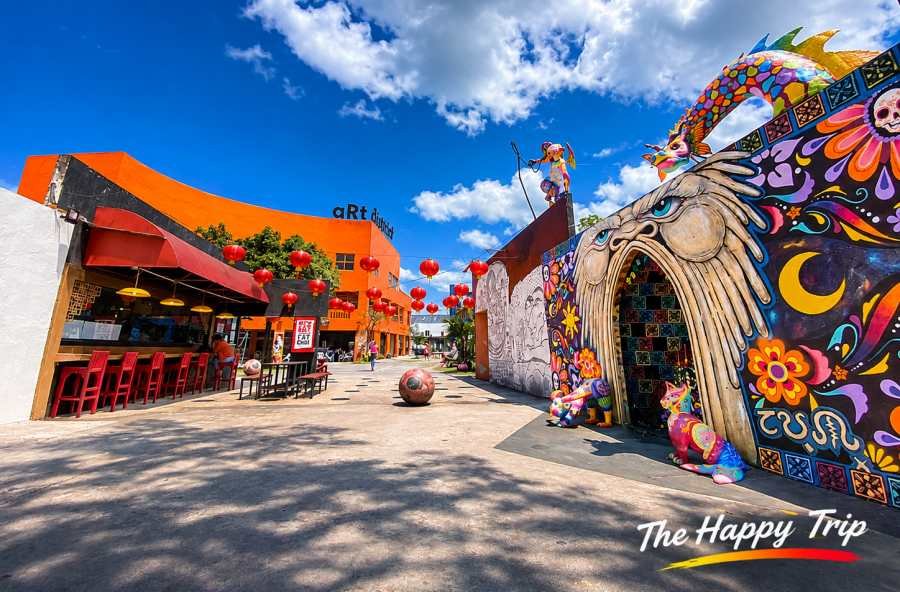
In Bacolod, the Art District in Mandalagan is one of the places I would recommend exploring for a glimpse of the city’s contemporary art scene.
Galleries, exhibitions, independent art spaces, and artist-led activities give local artists opportunities to show their work and engage with audiences.
For visitors, these places offer something different from the usual sightseeing experience. Instead of simply looking at a landmark, you get to see how local artists interpret their surroundings, culture, and everyday experiences.
I think this is an important part of tourism.
We often encourage visitors to try local food, visit heritage houses, and attend festivals. Why not encourage them to visit art spaces, too?
A gallery visit can become part of a cultural itinerary. An exhibition can introduce visitors to local perspectives. An artist’s studio can become a place for conversation and discovery.
And for local artists, these spaces can provide visibility, connections, and opportunities to develop their careers.
A creative destination should not only have things to look at. It should also have places where people can meet, exchange ideas, and make things happen.
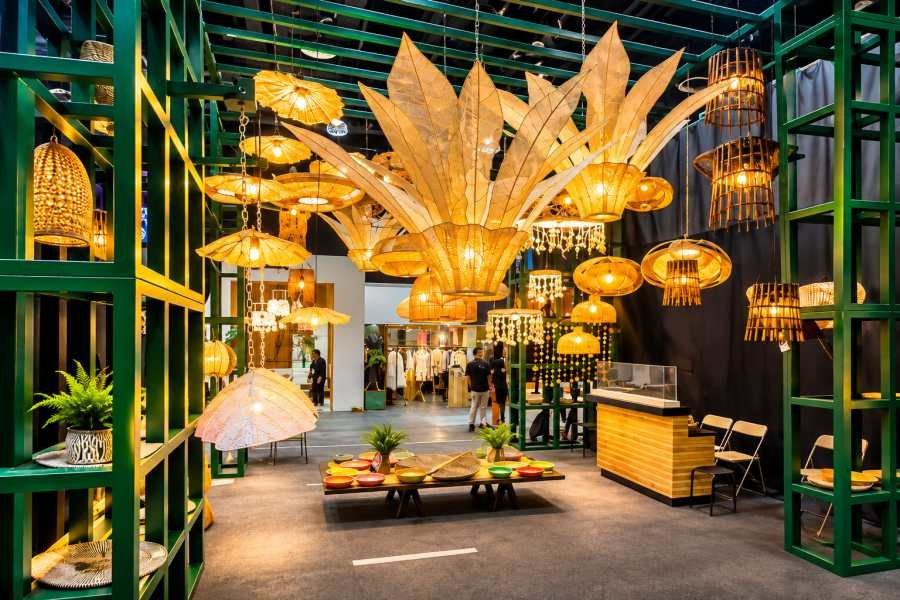
Hacienda Crafts | Negros Creative Industries
6. From Local Workshops to Wider Markets
When creativity becomes a business
This is probably one of the aspects of the creative sector that I find most interesting: how a small workshop can eventually connect with a much bigger market.
In Manapla, Hacienda Crafts Company is a good example.
Based in Hacienda Rosalia, the enterprise develops handcrafted home décor and furniture products using materials such as abaca, rattan, and bamboo. Its work combines traditional craftsmanship with contemporary design.
What I find especially meaningful is its community-based approach. Its artisans include women who work from home, creating opportunities for household livelihood through craft production.
I like this model because it demonstrates how a creative enterprise can generate livelihood opportunities while preserving traditional skills.
It also shows that a handcrafted product can be designed for a modern market without losing the character of the people and communities behind it (Hacienda Crafts).
Of course, getting products into the market is another challenge. This is where trade fairs and exhibitions become important.
The Negros Trade Fair, organized by the Association of Negros Producers, celebrated its 40th year in 2026. The event featured 178 exhibitors from the wider Negros Island Region, including Negros Occidental, Negros Oriental, Siquijor, and Bacolod City.
That regional distinction is important, but the fair remains a valuable platform for Negrense businesses to showcase their products in Metro Manila (PNA)
Another significant opportunity came through Manila FAME 2026, where 23 exhibitors from Negros Occidental participated. The delegation included 19 MSMEs and four associations.
Their products covered traditional weaving, shell crafts, sericulture, pandan products, basketry, woodcraft, artisanal wearables, crochet, and contemporary fashion with heritage-inspired designs.
I find this particularly encouraging because it demonstrates the range of creative products coming from the province ( PNA).
Trade fairs are not simply places to display beautiful products. They can introduce businesses to buyers, distributors, retailers, designers, and potential partners.
As a creative entrepreneur, I know how important that is. A product can be excellent, but if the right people never see it, its market potential remains limited.
We need more opportunities for local products to be discovered, purchased, and reordered—not just admired.
Negros Creative Industries
7. Creative Bacolod: When Creativity Becomes a Tourism Experience
Dr. Mae Llamas, creative entrepreneurship, and a new direction for the City of Smiles
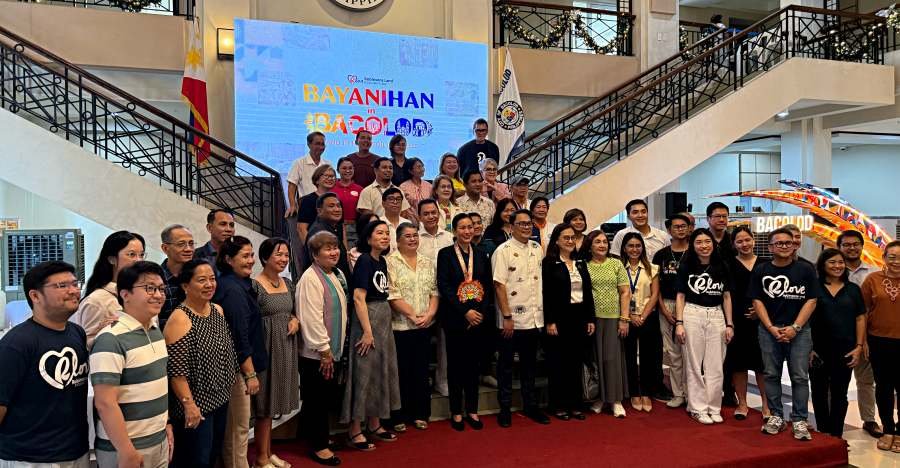
One development that particularly caught my attention was the launch of Creative Bacolod: Smile, Create, Explore.
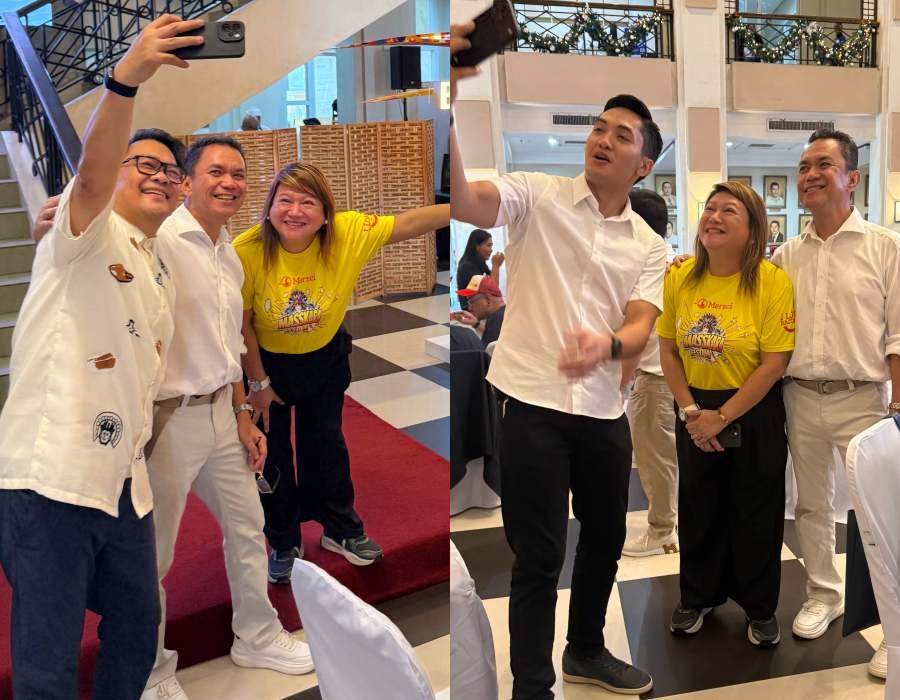
I was there when the initiative was launched at the Bacolod City Government Center, together with the signing of a Memorandum of Agreement with Robinsons Land Corporation. It was one of those occasions when I found myself looking at Bacolod from a different perspective—not just as a destination for food and festivals, but as a city that could turn its creative identity into a tourism experience.
One person whose work deserves recognition in this development is Dr. Frances Mae Llamas, head of the Department of Local Economic Development and Investment Promotions (D-LEDIP).
I find her work interesting because the city’s creative-industry initiatives are not being approached simply as cultural activities. They are being connected to entrepreneurship, investment, innovation, and tourism.
During the Creative Bacolod launch, I saw an effort to bring together the different players who can help make this happen: government, the private sector, creative professionals, businesses, and tourism stakeholders.
The idea behind Smile, Create, Explore is quite appealing to me. Instead of encouraging visitors to simply see Bacolod’s attractions, the city wants them to discover the people, products, places, and experiences that make it creative.
Think about what this could mean for a visitor.
One could explore an art space, meet a local designer, discover a homegrown product, attend a cultural performance, watch a film, enjoy local food, or take part in a creative activity. These experiences can give travelers more reasons to stay longer and return.
What makes the initiative particularly interesting is its effort to develop a Creative Bacolod Tourism Circuit—a way of connecting creative and cultural assets into a more coherent visitor experience.
The partnership with Robinsons Land Corporation also adds an important private-sector dimension. Through the agreement, participating Robinsons properties can potentially serve as visitor touchpoints, promotional platforms, and venues for creative activities, subject to the necessary arrangements and approvals.
I believe this kind of partnership is important. Creative tourism cannot be developed by government alone. It needs businesses, artists, designers, schools, tourism establishments, communities, and private-sector partners working together.
I also appreciate that the city’s creative-sector development has included other initiatives. The Bacolod Creative Industry Summit in 2023, for example, provided workshops in photography, graphic design, digital arts, live events, and souvenir arts. The city’s G-Hive project, which opened in June 2026, is another initiative intended to provide facilities and training for local creatives and MSMEs.
I have not personally visited G-Hive, so I would rather not make claims about its present day-to-day operations. What I can say is that its opening reflects the city’s intention to provide infrastructure and support for creative professionals. The actual impact will ultimately depend on how consistently the facility is used, managed, and connected to opportunities for local talent.
For me, the bigger story is the direction being pursued by Bacolod: connecting creativity with economic development and tourism.
I have always believed that our creative people should not be appreciated only during festivals or exhibitions. Their work should be part of the everyday tourism experience of the city.
And perhaps that is what makes Creative Bacolod worth watching. It gives us an opportunity to move beyond simply saying that Bacolod is creative and start showing visitors where that creativity can actually be experienced.
Read my firsthand account: Creative Bacolod: A New Reason to Explore the City of Smiles.
8. Who Tells Our Stories? The Power of Media in Building a Creative Destination [ Negros Creative Industries ]
I want to talk about something that I feel is often overlooked when we discuss the development of local creative industries: the power of media.
We can have the most talented artisans, the most beautiful handmade products, the most promising designers, and the most interesting creative communities. But if people do not know they exist, how will they discover them? How will buyers find them? How will tourists know that these places and experiences are worth visiting?
Creativity needs an audience. And media helps bring that audience closer.
I say this not only as a creative entrepreneur but also as a travel blogger who has been writing about destinations, festivals, food, and local experiences for years through The Happy Trip.
I understand that publicity costs money. Inviting prominent media personalities, newspaper editors, television crews, and well-known travel writers from Manila to visit Negros is not something an ordinary artisan or small creative enterprise can easily afford.
Imagine asking a small weaving association to organize a media familiarization tour, shoulder accommodation, transportation, meals, and other arrangements just to introduce its products to national media. For many community-based enterprises, that is simply beyond their means.
This is where government agencies and local government units can make a real difference.
They have the resources, networks, and institutional capacity to organize media visits, coordinate with national publications, invite travel writers, and introduce local enterprises to a wider audience.
I remember previous administrations when local governments were more visibly using their own communication channels to promote their respective destinations, attractions, products, and local treasures. These efforts helped give places and people their own platforms.
I would like to see that spirit strengthened and sustained.
The Provincial Government, cities, and municipalities should not wait for a major festival or a national event before telling their stories. They can actively build relationships with media organizations, invite writers and content creators, and regularly feature local enterprises.
The provincial government’s 2023 inbound national media tour for the Negros Trade Fair is a good example of what can be done. Organized in collaboration with the Association of Negros Producers, the initiative was intended to help MSMEs expand their markets and connect with media (Negros Trade Fair ).
I would like to see more initiatives like this—not only for trade fairs, but also for the creative communities of Negros Occidental.
Bring media representatives to the pandan weavers of Toboso and Calatrava. Introduce them to the tikog weavers of Himamaylan. Let them discover the potters of Pahanocoy, the artisans of Binalbagan, the creative enterprises of Manapla, and the people behind our festival productions.
And please, let’s not overlook local bloggers, online publishers, photographers, and independent writers.
We may not all have the reach of a national television network or a famous media personality, but we are already here. We know the places, we understand the local stories, and we can continue writing about them long after a familiarization tour has ended.
There is another reason why I believe this is becoming increasingly important: artificial intelligence.
We are entering an era when people no longer rely exclusively on traditional search engines. Some now type their questions directly into AI tools:
Where can I find traditional weaving in Negros Occidental?
What are the best local handicrafts in Negros?
Where can I experience pottery-making in Bacolod?
Who are the local artisans and designers in Negros Occidental?
And here is the question I want local governments, businesses, and creatives to think about:
Where will AI find the information to answer these questions if nobody has written about these places, people, and enterprises online?
AI does not magically know every small community, artisan, or local business. Search-enabled AI systems can retrieve information from publicly accessible and indexed web pages. Google’s own guidance explains that its AI search features rely on content that can be discovered and indexed through its search systems. It also emphasizes that helpful, reliable, people-first content and established SEO practices remain important (Google ).
This is why I continue to believe in online articles.
A social media post is useful. A Facebook reel can attract attention. A photograph can make people curious. But a well-written online article can provide context, history, details, directions, background, and links that help people understand a place or enterprise.
More importantly, an article published on a credible website can remain searchable long after the original social media post has disappeared from someone’s feed.
Think about it. A government page, a travel blog, an online newspaper, or a feature article documenting a local weaving tradition becomes part of the information available on the web. It gives search engines and, potentially, AI-powered search experiences something to discover and draw upon.
Of course, publication does not guarantee that Google or AI will index, retrieve, or cite an article. But if nobody documents the story in the first place, the opportunity for discovery becomes much smaller.
There is also a concern that deserves attention: AI-generated summaries may answer people’s questions without sending them to the original websites. Research by the Pew Research Center found that users were less likely to click on search results when an AI summary appeared. This makes it important for online publishers to continue producing original, useful, and credible content—not simply promotional posts (Pew Research Center ).
So, are online media being forgotten?
I would say they are sometimes being overlooked in publicity planning, even as their importance in digital discovery continues to grow.
We cannot simply rely on social media posts and hope that the right audience will eventually see them. We need stories that can be found when someone searches, asks a question, plans a trip, or consults an AI assistant.
And I would like to make one thing clear: this is not an argument against social media influencers or national media personalities. They have an important role. Their reach can create attention that local enterprises would otherwise struggle to achieve.
But they should be part of a wider media strategy—not the entire strategy.
We need national media for reach, local media for continuity, online publishers for searchable stories, bloggers for destination discovery, and government communication channels for sustained promotion.
Most importantly, we need to give local storytellers a place at the table.
Because if we do not tell our own stories, someone else—or no one at all—may end up telling them.
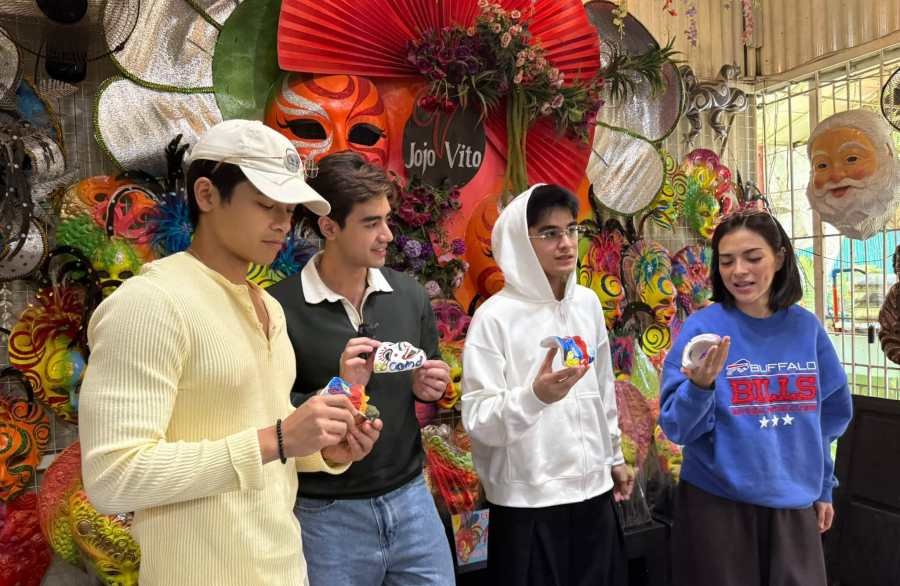
GMA Stars at Jojo Vito Designs Gallery | Negros Creative Industries
9. Government, Media, and Creatives: We Need to Work Together
I do not believe the responsibility for promoting Negros Occidental’s creative industries should fall entirely on the shoulders of the artisans and entrepreneurs.
Many of them are already doing everything they can. They make the products, manage production, handle orders, post on social media, and look for customers. Some even have to teach themselves how to take better product photographs, write captions, and create promotional videos.
That is a lot to ask from someone whose primary skill is weaving, pottery, mask-making, or designing.
This is where a stronger partnership among government, media, business organizations, and creative communities becomes necessary.
I would like to see the following initiatives developed:
1. Organize regular creative industry media familiarization tours.
These should not be limited to major festivals or trade fairs. The province and its local governments can organize focused visits to artisan communities, workshops, design studios, galleries, and creative enterprises.
Invite national media, but include local bloggers, online publishers, photographers, and independent writers. The objective should be to generate stories that continue circulating long after the tour.
2. Strengthen local government media channels.
I would like to see cities and municipalities actively use their official websites, online publications, tourism pages, and social media channels to document their local treasures.
Do not simply post a photograph with a short caption. Tell the story. Identify the makers. Explain the process. Share the location, history, and contact information. Provide links to the enterprises whenever possible.
A municipality should be proud to maintain a digital record of its artisans, products, traditions, and creative businesses.
3. Build a searchable online directory of Negros creatives.
We should have an accessible directory of artisans, weavers, potters, designers, fashion entrepreneurs, photographers, filmmakers, illustrators, digital artists, content creators, and creative businesses.
Give each enterprise or individual a useful profile, including products or services, location, contact information, and links to their websites or social media pages.
It should be designed not only for people browsing the internet but also to make information easier for search engines to discover.
4. Support online feature writing and documentation.
Government agencies can commission or collaborate with credible local publishers and writers to produce well-researched articles about local creative communities.
These should be genuine stories, not merely advertisements disguised as editorial content. They should include the voices of the makers, accurate information, useful details, and links to the people or enterprises featured.
5. Connect media exposure to actual business opportunities.
A media tour should not end with photographs and published articles. It should also connect enterprises with buyers, retailers, hotels, restaurants, tourism operators, event organizers, and potential partners.
Exposure is valuable, but the ultimate goal should be to create opportunities for sustainable income.
6. Maintain a year-round creative storytelling calendar.
Each month, a different community, craft, enterprise, or creative professional can be featured. This creates continuity instead of concentrating all publicity around one festival or event.
7. Measure more than the number of posts and media visitors.
We should ask whether these efforts generated inquiries, website visits, business leads, product orders, tourism visits, collaborations, or new markets.
The success of media promotion should not be measured only by how many people attended a familiarization tour or how many photographs were posted. We should also look at what happened to the businesses and communities afterward.
I believe these initiatives are achievable if government agencies, local governments, business organizations, media practitioners, and creative communities work together.
And perhaps this is the most important point: promoting our creative industries should not be treated as an occasional publicity activity. It should be a continuing investment in the visibility and economic future of Negros Occidental.

10. The Creative Soul of Negros Is Worth Discovering [ Negros Creative Industries ]
After writing about travel for so many years, I have learned that a destination is not defined only by its landmarks.
It is also defined by the people who give it character.
In Negros Occidental, I see that character in the weavers of Toboso and Calatrava, the tikog makers of Himamaylan, the potters of Pahanocoy, the artisans of Binalbagan, and the makers and designers who continue to transform local materials into useful and beautiful products.
I see it in the creative workers behind MassKara and other festivals, in the artists who find their voice in Bacolod’s art spaces, in the enterprises that bring handmade products to wider markets, and in the independent digital creatives building their own careers.
I also see it in my own work.
Every mask I make reminds me that creativity is a process. It begins with an idea, but it becomes meaningful when it is transformed into something people can appreciate, use, buy, or remember.
That is why I want more people to discover the creative side of Negros.
I want visitors to look beyond the festival parade and meet the people who make the masks. I want them to discover the weavers and potters, visit creative spaces, and learn how local products are made. I want buyers to see the potential of Negrense craftsmanship. And I want our own communities to recognize the value of the talent around them.
I also want our local storytellers to take a more active role. We do not have to wait for somebody from Manila to tell us that our own people are worth discovering.
We can start telling those stories ourselves.
And I want those stories to remain online—not just as fleeting posts, but as meaningful articles, features, and digital records that future travelers, researchers, buyers, and even AI-powered search tools can discover.
Because the future of Negros is not built only on what we grow in our fields, what we serve on our tables, or what we celebrate in our streets.
It is also built on what we imagine, what we create, and what we are willing to share with the world.
The creative soul of Negros is already alive. It is time we treated it not only as part of our culture, but as an important part of our economy—and a reason for people to come and discover Negros Occidental.

Negros Creative Industries
More Stories
- Negros Occidental Food Trail: Famous, Forgotten and Emerging Flavors
- Siargao Beyond Paradise: When Tourism Success Calls for a More Thoughtful Strategy
- Barangay Taculing Grand Champion | MassKara 2026 Barangay Category
- MassKara 2026 Elementary Champion: Mandalagan Wins
- Mynt IPO Opens to Filipino Retail Investors Through GStocks PH, Starting at ₱660
- Create Custom Sticker Sheets to Boost Your Travelling Event
- Negros Creative Industries
- Bacolod Public Plaza & NGC Fountain Redevelopment: Did TIEZA Deliver?
- APO ISLAND, DUMAGUETE| TRAVEL GUIDE | ITINERARY
- A HAPPY TRIP TO MONFORT BAT SANCTUARY
- ROBERTO’S SIOPAO | WHERE TO EAT IN ILOILO
- GAWAHON ECO PARK, VICTORIAS CITY TRAVEL GUIDE
- PATAG, SILAY CITY TRAVEL GUIDE
- TOURIST SPOTS IN THE PHILIPPINES + FESTIVALS + FOOD
- MANJUYOD SANDBAR TRAVEL GUIDE | BUDGET, ITINERARY, TIPS
- TRAVEL ESSENTIALS | AYALA MALLS CAPITOL CENTRAL
- Negros Creative Industries
