
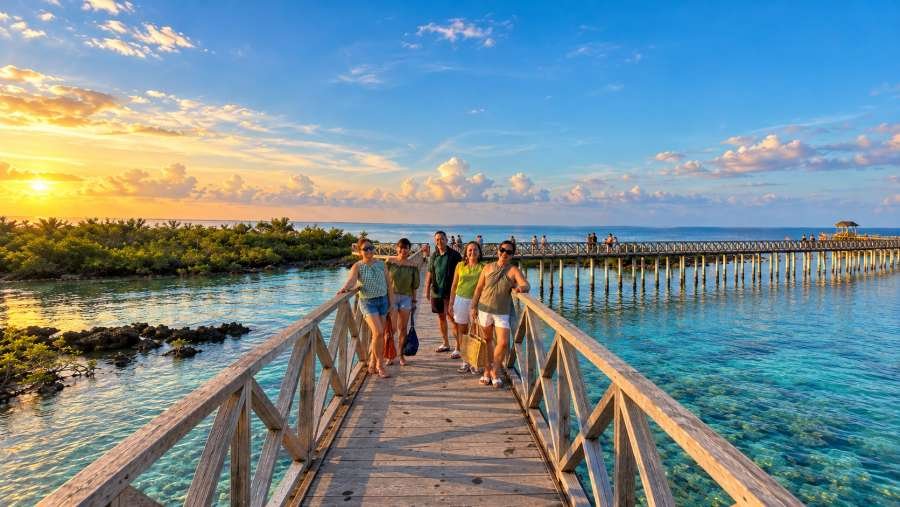
Siargao Beyond Paradise
Siargao Beyond Paradise: When Tourism Success Calls for a More Thoughtful Strategy
Contents
There are destinations we visit for their beauty, and there are destinations that leave us thinking about their future long after we have returned home. My recent visit to Siargao gave me both experiences. I appreciated the island’s natural attractions and tourism atmosphere, but I also found myself reflecting on an important question: How can Siargao continue to welcome more travelers without compromising the environment and local character that make it special?
This is not an argument against tourism. Tourism creates employment, supports small businesses, attracts investment, and provides economic opportunities for local communities. The challenge is to ensure that these benefits can be sustained without placing excessive pressure on the island’s natural resources and public services.
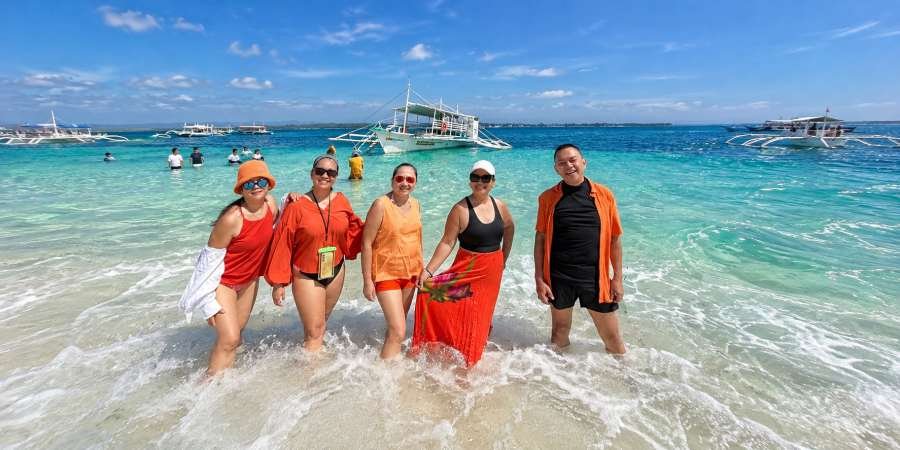
When popularity becomes a management challenge [ Siargao Beyond Paradise ]
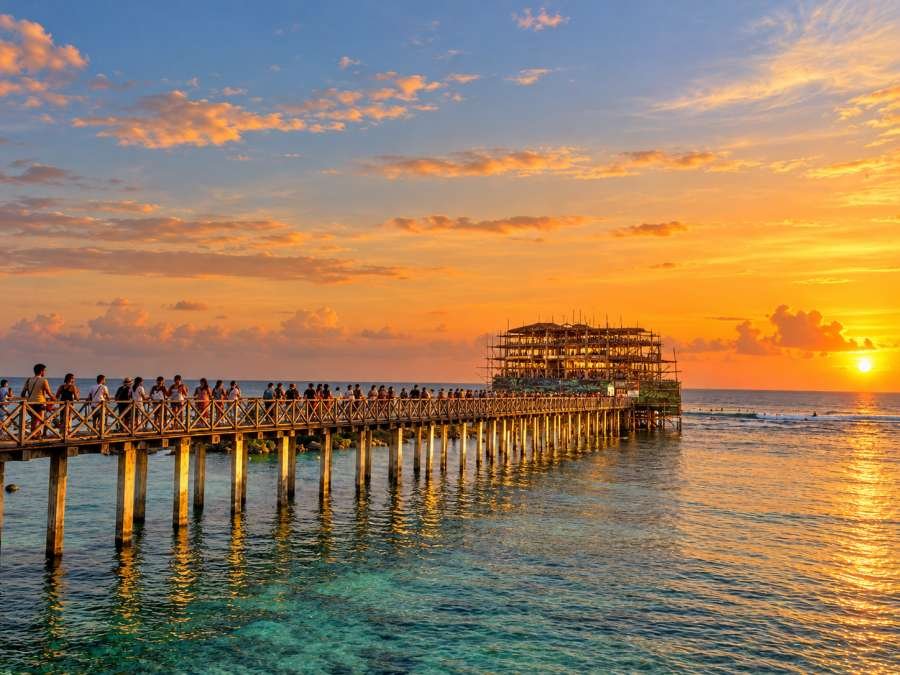
At Cloud 9, I observed a considerable volume of visitors. I noticed the same when we visited Magpupungko Rock Pools. Their popularity is understandable. These attractions have helped establish Siargao’s reputation, drawing travelers who want to experience its coastal scenery, enjoy its recreational activities, and see for themselves the places they have encountered in travel stories and social media.
Still, the number of people I encountered made me consider the demands that popularity places on destination management. Concentrated visitor activity can increase pressure on site facilities, waste collection, maintenance, and sensitive natural environments.
My observations do not establish that either attraction has exceeded its environmental carrying capacity. That conclusion would require systematic visitor counts and site-specific environmental assessments. However, they raise a legitimate question: Are visitor management systems keeping pace with the popularity of these attractions?
There is relevant research to support examining this issue. A study available through the Department of Environment and Natural Resources’ FASPS E-Library examines visitors’ preferences and experiences in Siargao Island Protected Landscape and Seascape, documenting concerns that include crowding at Cloud 9 and trash at Magpupungko.
This connection between personal observation and published research is important. My visit was not an environmental assessment, but it prompted questions that are also relevant to the management of Siargao’s protected landscapes and popular tourist sites.
The issue is not simply whether many people visit Siargao. It is whether the island can accommodate visitors while preserving the quality of its attractions, the natural environment, and the experience that travelers seek.
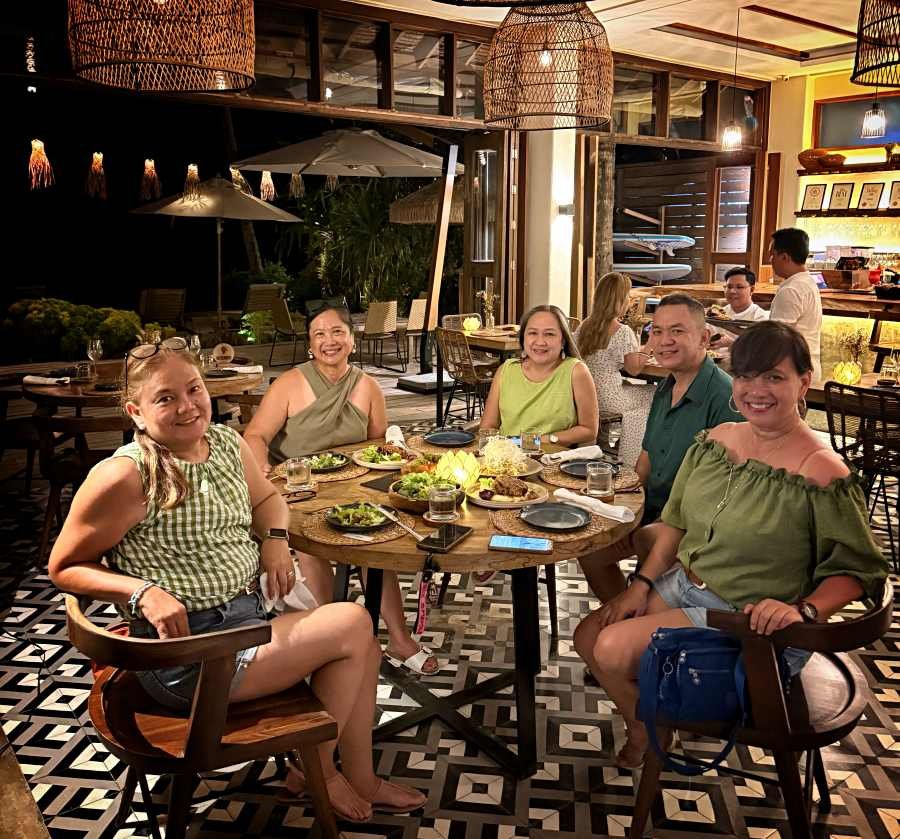
The numbers behind Siargao’s tourism appeal
The scale of tourism activity provides further context. According to a report published by the Philippine News Agency on August 21, 2025, citing figures from the Department of Tourism–Caraga, Siargao recorded 242,560 domestic and foreign tourist arrivals from January 1 to August 19, 2025. This comprised 167,401 domestic visitors and 75,159 foreign visitors.
This is a period-specific figure, not a full-year total. Nevertheless, it illustrates the volume of tourism activity the island was accommodating during those months.
Behind these arrivals are accommodation providers, restaurants, drivers, tour operators, boat operators, guides, local suppliers, and other workers whose incomes are connected to tourism. Visitor spending supports businesses and creates opportunities for entrepreneurs, making the industry an important part of the island’s economic development.
However, arrival figures tell only part of the story. They do not establish how much income remains in local communities, how tourism benefits are distributed, or whether individual attractions are receiving more visitors than their facilities and ecosystems can sustainably accommodate.
These are important distinctions. A growing visitor market can represent economic success, but it also creates responsibilities. More visitors can mean greater demand for freshwater, sanitation, waste collection, transportation, and environmental protection. The strategic question is whether the infrastructure and management systems supporting tourism can keep pace with that demand.
Traffic is not the only measure of tourism pressure [ Siargao Beyond Paradise ]
One thing I noticed during my visit was that Siargao’s traffic did not feel as congested as Boracay’s. This is my personal impression rather than the result of a comparative traffic study, and I would not interpret it as proof that Siargao has no infrastructure challenges.
The comparison nevertheless highlights an important point: destinations experience tourism pressure in different ways. Traffic congestion may be more visible in one destination, while crowding at individual attractions, water supply, sanitation, or waste management may be more pressing elsewhere.
A destination cannot be judged solely by the condition of its roads or the ease of moving around. Effective tourism management requires attention to the full range of public services, infrastructure, and environmental conditions that sustain the visitor economy.
For Siargao, this means looking beyond the immediate visitor experience and asking whether the island’s systems can support tourism during busy periods as well as over the long term.
Plastic-bottle restrictions: Good intentions need consistent implementation [ Siargao Beyond Paradise ]
During our island-hopping activities, we were told that plastic water bottles were not allowed. I understood the environmental intention behind the restriction. Reducing disposable plastics is a sensible objective for an island destination whose appeal depends heavily on its coastal and marine environment.
However, from my experience, the restriction did not appear to be monitored particularly consistently. I cannot generalize this observation to every tour operator or island-hopping trip, but it prompted me to consider the difference between establishing an environmental rule and implementing it effectively.
A restriction is more likely to work when visitors receive clear instructions, tour operators apply the rules consistently, and practical alternatives are available. Travelers also need convenient access to safe drinking water, particularly during outdoor activities in a tropical climate. Reusable bottles and accessible refill stations could help make responsible behavior easier.
Research by Serrona, Yu, and Camarin, published through the Asian Development Bank Institute in 2022, examines marine litter and sustainable tourism in Siargao. The study discusses waste generated locally as well as marine debris transported to the island from elsewhere in the Pacific.
This broader context matters. Siargao’s waste challenges cannot fairly be attributed to tourists alone. They require coordinated responses involving residents, businesses, local governments, national agencies, and visitors. Better collection systems, waste recovery, public education, and consistent implementation of environmental measures are all part of the solution.
My concern is not that restrictions exist. It is that environmental measures should be implemented in ways that make their purpose clear, provide practical alternatives, and produce measurable results.
Tourism remains essential to economic development [ Siargao Beyond Paradise ]
It would be a mistake to discuss Siargao’s environmental pressures without recognizing tourism’s economic contribution. Tourism supports accommodation operators, restaurants, drivers, guides, boat operators, local suppliers, and many other workers.
The importance of the industry is evident nationally. The Philippine Statistics Authority’s tourism statistics reported that tourism directly contributed ₱2.27 trillion in gross value added to the Philippine economy in 2025, equivalent to 8.1 percent of gross domestic product, and supported an estimated 7.70 million jobs nationwide. These are national figures, not estimates of Siargao’s local economy, but they demonstrate why tourism development matters.
For Siargao, the objective should not be to discourage visitors or restrict economic opportunities without careful consideration. Rather, the goal should be to ensure that tourism growth is supported by adequate infrastructure, responsible business practices, effective environmental management, and meaningful community participation.
Tourism development should also consider who benefits. Local residents and entrepreneurs need opportunities to participate in the visitor economy, while communities should have a meaningful role in decisions that affect their environment and livelihoods.
The long-term success of tourism depends not only on attracting visitors but also on maintaining the natural and cultural resources that sustain demand for the destination.

A promising direction: Siargao’s circular economy initiative
There are encouraging developments in the island’s approach to sustainability. In July 2026, DOST Caraga reported that stakeholders were refining the Siargao Circular Economy Roadmap for 2026–2035. The initiative seeks to improve waste management and resource efficiency while supporting the island’s tourism economy.
A circular economy approach encourages the reduction of waste, reuse of materials, recycling, and more efficient use of resources. For tourism businesses, this could involve reducing unnecessary disposable packaging, improving waste segregation, working with recycling initiatives, and adopting more responsible purchasing practices.
For local governments, it could mean strengthening waste collection and recovery systems, coordinating environmental programs, and working with tourism operators to improve compliance. For visitors, it could involve following local rules, reducing unnecessary waste, and respecting the natural environment.
The roadmap is a constructive development, but its long-term value will depend on implementation, sufficient resources, cooperation among stakeholders, and measurable results.
Progress should be assessed through indicators such as waste recovery, wastewater management, environmental quality, visitor satisfaction, and local economic participation. These measures would provide a clearer picture of whether sustainability commitments are translating into meaningful improvements.
My reflection: Protecting the destination is part of its success [ Siargao Beyond Paradise ]
My recent visit left me appreciating Siargao’s appeal while thinking more carefully about the responsibilities that accompany its popularity. The number of people I observed at Cloud 9 and Magpupungko, the comparatively manageable traffic I experienced relative to Boracay, and the plastic-bottle restriction during island hopping each offered a different perspective on destination management.
None of these observations, individually or collectively, proves that Siargao is failing. They instead highlight questions worth addressing as the island continues to develop as a tourism destination.
I believe Siargao’s next stage of development should focus not only on attracting visitors but also on managing visitor activity, strengthening infrastructure, implementing environmental measures consistently, and ensuring that local communities benefit from tourism.
As travelers, we have a responsibility to respect local rules, minimize unnecessary waste, and remain mindful of the places we visit. Tourism businesses must make responsible practices part of their daily operations. Local governments and other stakeholders must provide the planning, infrastructure, and oversight needed to support sustainable development.
Siargao should not have to choose between economic opportunity and environmental protection. The more meaningful challenge is to make these objectives reinforce one another.
I returned from the island with a simple conviction: Siargao’s success should not be measured solely by how many people arrive to experience its beauty. It should also be measured by how effectively tourism supports local livelihoods, protects natural resources, and preserves the destination for future generations.
The real achievement is not simply keeping Siargao attractive to visitors today. It is ensuring that tourism and nature can thrive together tomorrow.

More Stories
- Ho-Chi Minh Vietnam | Things to Do
- Yogyakarta, Indonesia Travel Guide
- Palembang, Indonesia, Travel Guide
- Jakarta, Indonesia Travel Guide
- Lampung, Indonesia Travel Guide
- Albay, Philippines Travel Guide
- Puerto Galera, Philippines Travel Guide
- Sorsogon, Philippines Travel Guide
- Barangay Taculing Grand Champion | MassKara 2026 Barangay Category
- MassKara 2026 Elementary Champion: Mandalagan Wins
- Creative Bacolod: A New Reason to Explore the City of Smiles
- Mynt IPO Opens to Filipino Retail Investors Through GStocks PH, Starting at ₱660
