
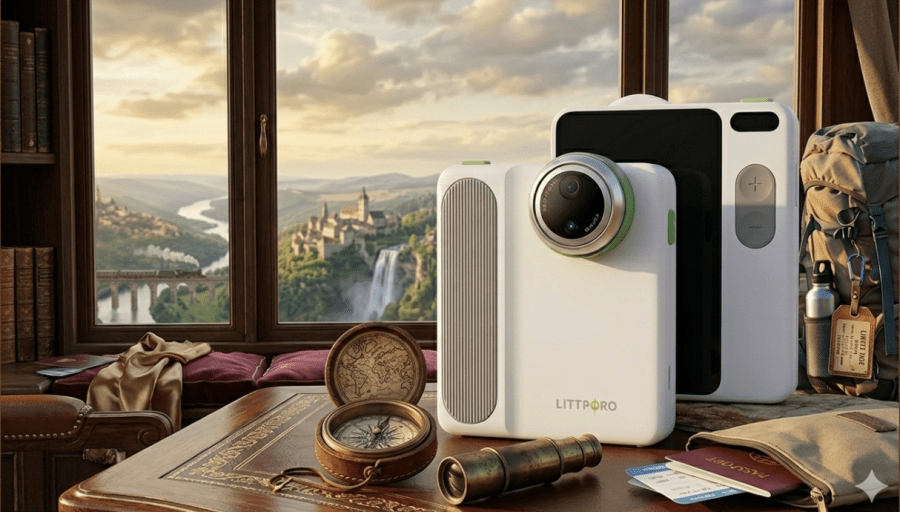
Travel Up Close
Travel Up Close: Discovering Hidden Beauty with a Pocket Microscope Camera on Every Trip
Contents
Have you ever been on a travelling train and paused to search carefully for a leaf, an insect, or even a grain of sand on the seashore? When traveling, numerous characteristic features of nature can be missed by the naked eye. A Microscope Camera and a Pocket Camera will enable you to explore these mini marvels in a basic but thrilling manner. It enhances your ordinary traveling experiences into memorable findings and makes you view all the destinations in a totally different way.
Reasons to Use a Pocket Microscope Camera While Traveling | Travel Up Close
A pocket microscope camera is convenient and portable and, hence, ideal for traveling. There is neither a necessity of a lab nor heavy equipment as is the case with traditional microscopes. It can be easily transported in your pocket or backpack when traveling and you can begin to explore it any time.
Be it that you are in a park, hiking in the mountains, exploring a forest, or just relaxing on a beach, this small gadget enables you to see the smallest of details surrounding you in real-time. It makes traveling more exciting, interactive and accessible to all.

Exploring Nature in a new way when traveling | Travel Up Close
As a traveler, we always pay attention to major attractions; however, a microscope camera enables you to explore the other side of any place. The things that appear so simple on the surface are complex and beautiful when you have a closer look at them.
To illustrate, a leaf that you visit during a journey has details of intricate veins, textures and patterns. You can see insects with detailed body structures and wings, which you would not have seen. The tool will shift your outlook and enable you to enjoy nature in a more meaningful and profound manner when you are traveling.
There are a variety of things to visit on a trip
During a journey, one can do countless things using a Microscope Camera. Leaves are interesting, as you can see the veins in them, small holes and the texture of their surfaces. Insects are also very interesting, with their sensitive wings, legs and antennas.
Even sand on the beach or soil on the hiking path is interesting when enlarged. Grains, minerals and organic matter that constitute the environment can be observed. Bark of trees on your journey path also brings distinct cracks and patterns that vary in each location.
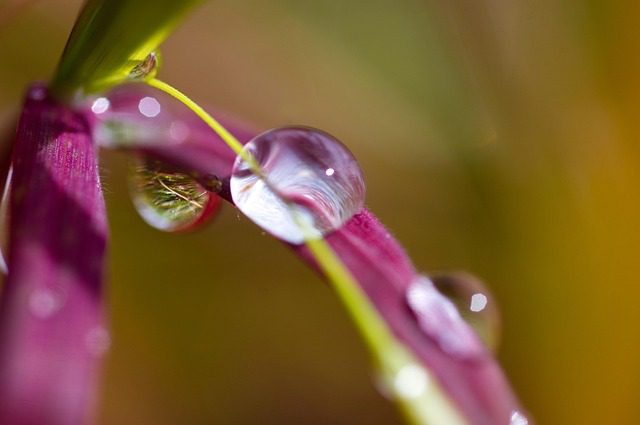
Making observations: Plants and Leaves | Travel Up Close
Leaves are considered to be one of the simplest and most fascinating subjects to study when traveling. A microscope camera will enable you to view small details such as stomata, small holes that exchange gas.
The vein patterns within the leaves resemble natural maps, each having unique ones, which are determined by which location you are in. These facts are not noticeable to the naked eye but when they have been enlarged, they are interesting, as they can help you comprehend the way plants live and survive in various conditions.
Exploring Insects During Your Journey
One of the most thrilling topics to be observed while traveling is insects. Their wings are quite frequently patterned in lovely designs, resembling artwork. Their eyes are composed of a great number of small lenses; legs and antennae are highly detailed.
It is by using a Microscope Camera when you are traveling and seeing insects with the Microscope that you can value their complexity and the way that they relate to nature. It will provide adventure to your journey.

Learning about Soil, Sand and Natural Particles | Travel Up Close
Soil and sand might appear commonplace when one is traveling, but when one magnifies them, one will see a whole new world. You are able to see small rocks, minerals and organic materials blended together.
This can make you know what the various places that you visit are composed of, be it a desert, beach or forest. It is as though you are exploring an unknown world under your feet on the way.
Key activities include observation of Tree Bark and natural Textures
Another interesting theme that you can explore in the course of traveling is tree bark. On magnification you are able to observe cracks, grooves and fibers that create distinctive patterns.
Each observation is unique, as the texture of each tree in various places is different. A Microscope lens on a Pocket Camera will enable you to bring such details into focus and appreciate the beauty of natural textures on the trips.

Benefits of Using a Microscope Camera While Traveling | Travel Up Close
A Microscope Camera has numerous advantages for travelers. It enables you to capture pictures and videos of minute details, which will be easier to study in the future.
It can also be connected to a screen, which helps to relieve the eye strain in cases of extended use. Above all, it offers explicit and vivid pictures, which help you to record your traveling findings precisely.
Tips for Taking Clear Travel Photos
There are few tips that can help you achieve the best product when traveling. Make sure that the camera is kept stable by placing it on a firm surface or by holding it.
Take it very slowly when concentrating on objects and use natural light, rather than intense sunlight. These minor changes can significantly enhance the quality of your photos and make your photo travels appear even more spectacular.

Travel: Comparing Pocket camera to Microscope camera
A Pocket Camera is terrific when there is a need to take casual shots of the general travelling activities, such as scenery and monuments. Nevertheless, it is not able to depict the minute details that can be seen through a microscope camera.
Adding fun and interactivity to Travel Learning | Travel Up Close
Traveling with a microscope camera makes the trip more enjoyable and educational. It stimulates curiosity and makes you discover your world in a different manner.
Conclusion
A Microscope Camera and a Pocket Camera in tandem with each other reveal a marvelous secret world in your travels. They enable you to venture, discover and appreciate nature more.
The following time you move out on a trip, carry your microscope camera. You will find that each of the destinations has little secrets to be discovered and therefore, your journey will indeed be memorable.
More Stories
- Royal Palace and the Jade Buddha : Travel Guide
- BANTAY CHURCH AND BELL TOWER | ILOCOS SUR
- St. Joseph’s Cathedral ,Hanoi ,Vietnam: A Dual Encounter with History
- TRAVEL PACKING LIST | MALE SOLO TRAVELER’S TIPS
- HOW TO INCORPORATE MINDFULNESS WHEN TRAVELING
- How to Make Money While Traveling | Earning Opportunities for Travel Bloggers
- Stay Active While Traveling | Fun Ways

Customer needs/problems addressed:
A pocket microscope camera helps travelers see details that are normally invisible, like textures of plants, insects, and natural surfaces. It solves the limitation of regular sightseeing by making travel more interactive and educational, while also being portable compared to bulky microscopes.
Target customers and segmentation:
The main targets are nature enthusiasts, students and educators, content creators, and curious travelers. For online selling, they can be segmented by interests (science, travel, photography), behavior (frequent vs. casual travelers), and purpose (learning vs. content creation).
Unique Selling Proposition (USP):
Its key advantage is the ability to capture microscopic details that smartphones and regular cameras cannot. It offers high magnification in a compact device, creating a unique “close-up discovery” travel experience.
1. A pocket microscope camera helps travelers see and capture tiny details they’d normally miss, like textures in nature or small insects. It makes trips more fun, interactive, and educational while solving the limitations of smartphones.
2. The main customers are curious travelers, students, families, and content creators who want unique experiences. You can target them online based on age, especially young people and parents, interests like travel, nature, and photography, and also behavior.
3. Its main edge is that it works as both a camera and a microscope in one small device. Unlike smartphones, it can capture super close-up details, turning ordinary things into something interesting and share-worthy.
1. Pocket microscope camera allows travellers to explore tiny details like insects, plants that are invisible in the naked eye and it provides tool for documenting unique-micro level discoveries.
2. The most viable target customers are the students and teachers including nature enthusiasts and traveller, they can be segmented for online selling based on their interests such as science, travel and photography , their age group typically ranging from teens to young adults, and their behavior as gadget enthusiasts or frequent online shoppers.
3. It provides true microscope magnification in a compact and portable form offering an alternative and affordable bulky laboratory microscopes while enabling users to capture details that standard devices cannot achieve.
1. Travelers are able to see and capture microscopic details, allowing them to take a closer look at things that are usually not visible. This makes the experience more enjoyable and enhances the interaction and educational value of travel. By offering a compact and portable gadget, it also addresses the issue of carrying large equipment.
2. Travelers, content creators, students, and nature enthusiasts are the primary target market. They can be categorized by age (15-40), hobbies (science, travel, and photography), and behavior (those who enjoy technology and sharing stuff online). Social media like tiktok, instagram and facebook are ideal for reaching these individuals.
3. The product’s main advantage is its ability to capture microscopic details that smartphones cannot. In comparison to professional equipment, it is inexpensive, portable, and simple to operate. Additionally, it assists users in producing original and captivating content.
1. A pocket microscope camera helps travelers see things that are too small for the eyes, like tiny insects, plant details, or sand. Many people want to explore more deeply when they travel, but normal cameras cannot show these small details. This device is also easy to carry, unlike a regular microscope, so it is useful for trips. It makes travel more fun, interactive, and educational because users can discover a hidden world around them.
2. The most suitable customers for this product are travelers, students, teachers, and content creators. Nature lovers and hobbyists can also use it for exploration. For online selling, customers can be grouped based on their interests like travel, science, or photography. They can also be grouped by age, such as students and adults, and by purpose, like learning or creating videos. This helps businesses target the right people when selling online.
3. The unique selling point of a pocket microscope camera is that it combines a microscope and a camera in one small device. Smartphones and regular cameras cannot zoom in enough to see microscopic details. This product allows users to take clear photos and videos of very small objects. Because of this, it offers something different and more advanced compared to normal cameras.
1. Travelers are able to see and capture microscopic details, allowing them to take a closer look at things that are usually not visible. This makes the experience more enjoyable and enhances the interaction and educational value of travel. By offering a compact and portable gadget, it also addresses the issue of carrying large equipment.
2. Travelers, content creators, students, and nature enthusiasts are the primary target market. They can be categorized by age (15-40), hobbies (science, travel, and photography), and behavior (those who enjoy technology and sharing stuff online). For targeting these individuals, social media sites like Instagram and TikTok are perfect.
3. The product’s main advantage is its ability to capture microscopic details that smartphones cannot. In comparison to professional equipment, it is inexpensive, portable, and simple to operate. Additionally, it assists users in producing original and captivating content.
What specific customer needs or problems does a pocket microscope camera address in the travel market?
The pocket microscope camera is an excellent solution to the problem many travelers experience when they fail to notice some small yet significant details during their travel. Although travelers usually pay attention to notable landmarks, they often neglect the complex beauty of nature, such as the vein structure of leaves, the anatomy of insects, and sand details. Moreover, the device is convenient in that it is easily portable while traditional microscopes are difficult to take to different places. In addition, it satisfies the current demands for creativity while making travel educationally appealing.
Who are the most viable target customers, and how would you segment them for online selling?
The most viable target customers include Travelers, content creators, families with children, students, and hobbyists. Travelers and nature enthusiasts will appreciate the opportunity to explore in-depth, and content creators will find value in generating original visuals for their content creations. Education is one of the most valuable benefits that families and students will appreciate on their travels.
In terms of online sales, these potential customers could be categorized according to demographic factors such as age (15 to 45) and lifestyle, especially people who love traveling, taking pictures, and learning new things. Based on its behavioral traits, the ideal market would be those who travel on a regular basis and frequent social media. On the other hand, TikTok and Instagram will serve content makers best, while Facebook is advisable for families.
What is the unique selling proposition (USP) of this product compared to smartphones or regular cameras?
The USP (Unique Selling Proposition) is its capability to focus on the tiny details that cannot be seen using a smartphone or an ordinary camera. The macro features of the smartphone are quite poor, while the ordinary camera requires a costly lens to take close-up pictures. On the other hand, the device is portable, cost-effective, and made with the purpose of observing things closely. Additionally, it makes traveling more interesting and exciting.
What specific customer needs or problems does a pocket microscope camera address in the travel market?
Let’s say a customer wants to take a pic with extra, high definition details.
A pocket microscope camera can be very beneficial for these types of customers.
Who are the most viable target customers, and how would you segment them for online selling?
The most viable customers in my opinion are influencers or bloggers that wasn’t to catch those extra details.
What is the unique selling proposition (USP) of this product compared to smartphones or regular cameras?
The USP for this product is that it provides very HD details on pictures, perfect for customers who want that extra detail added to their photos.
1. Specific Customer Needs or Problems Addressed
This gadget solves the problem of missing out on the “hidden world” of nature, like the tiny patterns on a bug’s wing or the crystals in beach sand, which are too small for the human eye to see. It also makes science portable, replacing heavy, expensive lab microscopes with a small tool that fits in your pocket so you can explore anywhere.
2. Target Customers and Online Segmentation
The best customers are hikers who love nature, students who want a fun way to learn, and photographers looking for cool, unique shots. Online, you would group these buyers into categories like “Outdoor Explorers,” “Science Students,” and “Creative Hobbyists” to show them ads that match their interests.
3. Unique Selling Proposition (USP)
While a smartphone is great for selfies and sunsets, it can’t zoom in deep enough to see things like the breathing holes in a leaf or the tiny hairs on an ant. The USP of this camera is its specialized lens that lets you record clear, high-definition videos of microscopic details that regular cameras just can’t capture.
What specific customer needs or problems does a pocket microscope camera address in the travel market?
– The pocket microscope camera solves the problem of surface-level sightseeing by revealing hidden textures that remain invisible to the naked eye. In the travel market, it solves the problem of surface-level sightseeing by allowing users to explore the intricate textures of nature like leaf veins or insect anatomy that traditional cameras miss. It replaces bulky lab equipment with a portable, user-friendly tool that turns any hike into an interactive discovery mission, making nature more accessible without the eye strain of a standard microscope.
Who are the most viable target customers, and how would you segment them for online selling?
– The primary target market consists of nature lovers, families interested in educational trips, and nature or mini arts photography fans. To sell this effectively online, you can segment these audiences by focusing on their specific interests in outdoor adventure, nature, flora, and creative photography. Families are a particularly strong segment because the device adds a fun learning element and memories to vacations.
What is the unique selling proposition (USP) of this product compared to smartphones or regular cameras?
– The product’s USP is its ability to document a microscopic world that smartphones and regular cameras simply cannot reach. While standard gear captures landscapes and monuments, this device acts as a portable lab that lets you discover a secret side of nature that regular cameras just can’t see through high definition magnification that make your money even more worth it.
What specific customer needs or problems does a pocket microscope camera address in the travel market?
– The pocket microscope camera solves the problem of surface-level sightseeing by revealing hidden textures that remain invisible to the naked eye. In the travel market, it solves the problem of surface-level sightseeing by allowing users to explore the intricate textures of nature like leaf veins or insect anatomy that traditional cameras miss. It replaces bulky lab equipment with a portable, user-friendly tool that turns any hike into an interactive discovery mission, making nature more accessible without the eye strain of a standard microscope.
Who are the most viable target customers, and how would you segment them for online selling?
– The primary target market consists of nature lovers, families interested in educational trips, and nature or mini arts photography fans. To sell this effectively online, you can segment these audiences by focusing on their specific interests in outdoor adventure, nature, plants, animals, and creative photography. Families are a particularly strong segment because the device adds a fun learning element and memories to vacations.
What is the unique selling proposition (USP) of this product compared to smartphones or regular cameras?
– The product’s USP is its ability to document a microscopic world that smartphones and regular cameras simply cannot reach. While standard gear captures landscapes and monuments, this device acts as a portable lab that lets you discover a secret side of nature that regular cameras just can’t see through high definition magnification that make your money even more worth it.
BAMK 3B
1. It lets people see small details of nature that are hard to notice with just eyes. It is small and easy to bring anywhere, unlike big microscopes. It also makes trips more fun and helps people learn new things easily.
2. The target customers could be those who are nature lovers, students, families and content creators. We can group them by what they like, such as learning, exploring or making videos. This way of grouping is very suitable and helps us reach the right people easily.
3. It can zoom in very close to see tiny things that phones and normal cameras cannot. It is small and light, so it is easy to carry when traveling. It also takes clear pictures and videos of small things to keep as memories.
Ma. Kara Eurice P. Japlos BAMK – 3B
1. What specific customer needs or problems does a pocket microscope camera address in the travel market?
Most travelers focus on big sights like mountains, white sand beaches, and crystal-clear waters. So this camera helps them see the “hidden” beauty they usually miss, like the tiny patterns on a leaf or the cool texture of sand. This product is portable and you can put it in your pocket or backpack while hiking or exploring.
2. Who are the most viable target customers, and how would you segment them for online selling?
The target customers are content creators who want to post unique, “macro” style photos and videos on social media who want to showcase the place to their followers. For families who love to travel and educate their children in different places. And lastly, nature lovers or hikers who spend a lot of time outdoors and want to see different kinds of plants, and animals.
3. What is the unique selling proposition (USP) of this product compared to smartphones or regular cameras?
The USP is the camera’s extreme magnification and specialized focus, letting you see “micro-marvels” like leaf cells or insect eyes. Unlike a regular camera used for selfies or landscapes, this tool is specifically made to show tiny textures in real-time, making it more about discovering hidden things rather than just taking basic travel photos.
Ma. Kara Eurice P. Japlos BAMK – 3B
1. What specific customer needs or problems does a pocket microscope camera address in the travel market?
-Most travelers focus on big sights like mountains, white sand beaches, and crystal-clear waters. So this camera helps them see the “hidden” beauty they usually miss, like the tiny patterns on a leaf or the cool texture of sand. This product is portable and you can put it in your pocket or backpack while hiking or exploring.
2. Who are the most viable target customers, and how would you segment them for online selling?
-The target customers are content creators who want to post unique, “macro” style photos and videos on social media who want to showcase the place to their followers. For families who love to travel and educate their children in different places. And lastly, nature lovers or hikers who spend a lot of time outdoors and want to see different kinds of plants, and animals.
3. What is the unique selling proposition (USP) of this product compared to smartphones or regular cameras?
-The USP is the camera’s extreme magnification and specialized focus, letting you see “micro-marvels” like leaf cells or insect eyes. Unlike a regular camera used for selfies or landscapes, this tool is specifically made to show tiny textures in real-time, making it more about discovering hidden things rather than just taking basic travel photos.
1. A pocket microscope camera lets travelers see and take pictures of tiny things that the naked eye can’t see, like leaf veins, insect structures, and sand particles. This makes travel more interactive, educational, and meaningful, rather than just focusing on surface-level attractions.
2. Nature lovers, curious travelers, students, teachers, and content creators are the best target customers. For online sales, they can be divided into groups based on their interests (like eco-tourism, photography, or learning about science), demographics (like students, hobbyists, or professionals), and behavior (like travel vloggers, outdoor explorers, or educational users).
3. The unique selling point (USP) of a pocket microscope camera is that it can take highly detailed, real-time pictures of very small things that smartphones and regular cameras can’t, all while being portable and easy to use. This makes it a great tool for finding hidden details while traveling.
1. A pocket microscope camera helps travelers who want to see small things clearly. It solves the problem of missing tiny details like leaf veins, insect wings, or grains of sand. It is light and easy to carry, unlike big microscopes. It makes trips more fun because people can learn while exploring. It also helps travelers record clear photos and videos of their discoveries.
2. The best customers are nature lovers who enjoy exploring outdoors. Students and teachers can use it for learning during trips. Families who travel together may buy it to make trips more exciting for kids. Bloggers and photographers can use it to share unique close-up shots online. Sellers can group customers into learners, hobbyists, families, and content creators for online selling.
3. The pocket microscope camera shows details that smartphones or normal cameras cannot capture. It can magnify tiny objects like insect eyes or tree bark patterns. It is small and easy to bring anywhere, unlike heavy tools. It makes travel more interactive and educational, not just about big views. Its special value is turning simple trips into deeper discoveries of hidden beauty.
1. A pocket microscope camera helps travelers who want to see small things clearly. It solves the problem of missing tiny details like leaf veins, insect wings, or grains of sand. It is light and easy to carry, unlike big microscopes. It makes trips more fun because people can learn while exploring. It also helps travelers record clear photos and videos of their discoveries.
2. The best customers are nature lovers who enjoy exploring outdoors. Students and teachers can use it for learning during trips. Families who travel together may buy it to make trips more exciting for kids. Bloggers and photographers can use it to share unique close-up shots online. Sellers can group customers into learners, hobbyists, families, and content creators for online selling.
3. The pocket microscope camera shows details that smartphones or normal cameras cannot capture. It can magnify tiny objects like insect eyes or tree bark patterns. It is small and easy to bring anywhere, unlike heavy tools. It makes travel more interactive and educational, not just about big views. Its special value is turning simple trips into deeper discoveries of hidden beauty.
1. A pocket microscope camera helps travelers who want to see small things clearly. It solves the problem of missing tiny details like leaf veins, insect wings, or grains of sand. It is light and easy to carry, unlike big microscopes. It makes trips more fun because people can learn while exploring. It also helps travelers record clear photos and videos of their discoveries.
2. The best customers are nature lovers who enjoy exploring outdoors. Students and teachers can use it for learning during trips. Families who travel together may buy it to make trips more exciting for kids. Bloggers and photographers can use it to share unique close-up shots online. Sellers can group customers into learners, hobbyists, families, and content creators for online selling.
3. The pocket microscope camera shows details that smartphones or normal cameras cannot capture. It can magnify tiny objects like insect eyes or tree bark patterns. It is small and easy to bring anywhere, unlike heavy tools. It makes travel more interactive and educational, not just about big views. Its special value is turning simple trips into deeper discoveries of hidden beauty.
1. It addresses the need to see microscopic details that are invisible to the naked eye. It solves the problem of carrying heavy equipment because it is small and portable. It also allows users to take photos and videos instantly to save and share their discoveries.
2. The target customers are nature lovers, students, teachers, collectors, and families. They are segmented based on their interests such as outdoor activities, education, and hobbies. They are also grouped according to age and behavior for effective online selling.
3. It has a powerful magnification that is much higher than smartphones or regular cameras. It is an all-in-one device that works both as a microscope and a camera. It allows users to capture unique content that cannot be seen with ordinary devices.
1. This pocket microscope lets users magnify tiny insects like ants and capture fine details. Perfect for travelers and nature lovers, it reveals hidden worlds that are hard to see with the naked eye. It turns exploration into an immersive experience, making it an essential travel companion.
2. Ideal customers are hikers, travelers, families, friends, and photographers who want to capture every detail of their journey. We position the product online by showing how it clearly views small and distant subjects, is lightweight and easy to carry, and connects to screens for easy viewing and sharing.
3. It fits easily in your pocket and captures small details that phone cameras cannot. It is also very simple and easy to use.
•A pocket microscope camera helps travelers satisfy curiosity by revealing hidden details in nature that regular cameras miss. It also solves the problem of bulky equipment by offering portability and easy documentation during trips.
•The most viable customers are eco-tourists, families with kids, content creators, and academic travelers. They can be segmented by lifestyle, nature lovers, learners, creators, and researchers each seeking discovery, education, or unique content.
•Its USP is the ability to capture microscopic textures and structures that smartphones or standard cameras cannot. This makes travel more interactive, educational, and visually distinctive, offering experiences beyond ordinary photography.
1. A pocket microscope camera solves the need to see and record tiny details in nature that normal vision and regular cameras cannot capture while traveling, such as leaf veins, insect parts, and grains of sand. It also removes the need for a laboratory or bulky equipment, because it is small, light, and can be used instantly outdoors.
2. The most viable target customers are students, parents, and teachers who want an educational travel tool; hikers, campers, and nature lovers who enjoy exploring plants, insects, and rocks; and photographers, vloggers, and content creators who want unique macro shots for social media and blogs. For online selling, you can segment them by purpose: educational use, outdoor adventure gear, and creative content/photography accessories.
3. The unique selling proposition is that, unlike smartphones or regular cameras, a pocket microscope camera offers much higher magnification and reveals hidden textures and patterns that ordinary lenses cannot show, while still being very portable. It lets travelers watch these micro‑details live and save clear photos or videos of them, turning every place into a “mini science lab” in your pocket.
1. A pocket microscope camera solves the need to see and record tiny details in nature that normal vision and regular cameras cannot capture while traveling, such as leaf veins, insect parts, and grains of sand. It also removes the need for a laboratory or bulky equipment, because it is small, light, and can be used instantly outdoors.
2. The most viable target customers are students, parents, and teachers who want an educational travel tool; hikers, campers, and nature lovers who enjoy exploring plants, insects, and rocks; and photographers, vloggers, and content creators who want unique macro shots for social media and blogs. For online selling, you can segment them by purpose: educational use, outdoor adventure gear, and creative content/photography accessories.
3. The unique selling proposition is that, unlike smartphones or regular cameras, a pocket microscope camera offers much higher magnification and reveals hidden textures and patterns that ordinary lenses cannot show, while still being very portab
1. A pocket microscope camera tackles the “hidden world” problem, letting travelers uncover a destination’s secret layers that the naked eye or a standard lens simply misses. It satisfies the craving for a deeper, more tactile connection to nature, allowing for the instant documentation of things like the geometric patterns in volcanic sand or the cellular structure of a rare leaf. Because it’s ultra-portable and rugged, it replaces the need for a fragile, bulky lab setup, giving explorers a “scientific edge” without the typical equipment hassle.
2. The most viable “squads” for this gadget include “Adventure Educators” (parents and teachers turning trips into outdoor classrooms), “Trail Researchers”(hikers and amateur botanists who need field identification), and Macro Visionaries”(creators hunting for abstract, high-detail content). For online sales, you’d segment them by their goal: “Learning & Bonding” for families, “Discovery & ID” for hikers, and “Creative Edge” for content makers.
3. The USP is the “Pro-Light Stability”factor. While a smartphone blocks its own light and gets shaky when you try to go macro, this camera uses a built-in LED ring to flood the subject with light from the inside out. Plus, by resting the device directly on the object, it “locks” the focus and eliminates blur, providing a level of microscopic clarity and scientific precision that a hovering smartphone physically cannot achieve.
1. A pocket microscope camera helps travelers who want to see small things clearly. It solves the problem of missing tiny details like leaf veins, insect wings, or grains of sand. It is light and easy to carry, unlike big microscopes. It makes trips more fun because people can learn while exploring. It also helps travelers record clear photos and videos of their discoveries.
2. The best customers are nature lovers who enjoy exploring outdoors. Students and teachers can use it for learning during trips. Families who travel together may buy it to make trips more exciting for kids. Bloggers and photographers can use it to share unique close-up shots online. Sellers can group customers into learners, hobbyists, families, and content creators for online selling.
3. The pocket microscope camera shows details that smartphones or normal cameras cannot capture. It can magnify tiny objects like insect eyes or tree bark patterns. It is small and easy to bring anywhere, unlike heavy tools. It makes travel more interactive and educational, not just about big views. Its special value is turning simple trips into deeper discoveries of hidden beauty.
1. A pocket microscope camera helps travelers who want to see small things clearly. It solves the problem of missing tiny details like leaf veins, insect wings, or grains of sand. It is light and easy to carry, unlike big microscopes. It makes trips more fun because people can learn while exploring. It also helps travelers record clear photos and videos of their discoveries.
2. The best customers are nature lovers who enjoy exploring outdoors. Students and teachers can use it for learning during trips. Families who travel together may buy it to make trips more exciting for kids. Bloggers and photographers can use it to share unique close-up shots online. Sellers can group customers into learners, hobbyists, families, and content creators for online selling.
3. The pocket microscope camera shows details that smartphones or normal cameras cannot capture. It can magnify tiny objects like insect eyes or tree bark patterns. It is small and easy to bring anywhere, unlike heavy tools. It makes travel more interactive and educational, not just about big views. Its special value is turning simple trips into deeper discoveries of hidden beauty.
1. A pocket microscope camera helps travelers who want to see small things clearly. It solves the problem of missing tiny details like leaf veins, insect wings, or grains of sand. It is light and easy to carry, unlike big microscopes. It makes trips more fun because people can learn while exploring. It also helps travelers record clear photos and videos of their discoveries.
2. The best customers are nature lovers who enjoy exploring outdoors. Students and teachers can use it for learning during trips. Families who travel together may buy it to make trips more exciting for kids. Bloggers and photographers can use it to share unique close-up shots online. Sellers can group customers into learners, hobbyists, families, and content creators for online selling.
3. The pocket microscope camera shows details that smartphones or normal cameras cannot capture. It can magnify tiny objects like insect eyes or tree bark patterns. It is small and easy to bring anywhere, unlike heavy tools. It makes travel more interactive and educational, not just about big views. Its special value is turning simple trips into deeper discoveries of hidden beauty.
1. A pocket microscope camera tackles the “hidden world” problem, letting travelers uncover a destination’s secret layers that the naked eye or a standard lens simply misses. It satisfies the craving for a deeper, more tactile connection to nature, allowing for the instant documentation of things like the geometric patterns in volcanic sand or the cellular structure of a rare leaf. Because it’s ultra-portable and rugged, it replaces the need for a fragile, bulky lab setup, giving explorers a “scientific edge” without the typical equipment hassle.
2. The most viable “squads” for this gadget include “Adventure Educators” (parents and teachers turning trips into outdoor classrooms), “Trail Researchers”(hikers and amateur botanists who need field identification), and Macro Visionaries”(creators hunting for abstract, high-detail content). For online sales, you’d segment them by their goal: “Learning & Bonding” for families, “Discovery & ID” for hikers, and “Creative Edge” for content makers.
3. The USP is the “Pro-Light Stability”factor. While a smartphone blocks its own light and gets shaky when you try to go macro, this camera uses a built-in LED ring to flood the subject with light from the inside out. Plus, by resting the device directly on the object, it “locks” the focus and eliminates blur, providing a level of microscopic clarity and scientific precision that a hovering smartphone physically cannot achieve.
1. A pocket microscope camera tackles the “hidden world” problem, letting travelers uncover a destination’s secret layers that the naked eye or a standard lens simply misses. It satisfies the craving for a deeper, more tactile connection to nature, allowing for the instant documentation of things like the geometric patterns in volcanic sand or the cellular structure of a rare leaf. Because it’s ultra-portable and rugged, it replaces the need for a fragile, bulky lab setup, giving explorers a “scientific edge” without the typical equipment hassle.
2. The most viable “squads” for this gadget include **”Adventure Educators”** (parents and teachers turning trips into outdoor classrooms), **”Trail Researchers”** (hikers and amateur botanists who need field identification), and **”Macro Visionaries”** (creators hunting for abstract, high-detail content). For online sales, you’d segment them by their goal: “Learning & Bonding” for families, “Discovery & ID” for hikers, and “Creative Edge” for content makers.
3. The USP is the “Pro-Light Stability”factor. While a smartphone blocks its own light and gets shaky when you try to go macro, this camera uses a built-in LED ring to flood the subject with light from the inside out. Plus, by resting the device directly on the object, it “locks” the focus and eliminates blur, providing a level of microscopic clarity and scientific precision that a hovering smartphone physically cannot achieve.
1. A pocket microscope camera tackles the “hidden world” problem, letting travelers uncover a destination’s secret layers that the naked eye or a standard lens simply misses. It satisfies the craving for a deeper, more tactile connection to nature, allowing for the instant documentation of things like the geometric patterns in volcanic sand or the cellular structure of a rare leaf. Because it’s ultra-portable and rugged, it replaces the need for a fragile, bulky lab setup, giving explorers a “scientific edge” without the typical equipment hassle.
2. The most viable “squads” for this gadget include **”Adventure Educators”** (parents and teachers turning trips into outdoor classrooms), **”Trail Researchers”** (hikers and amateur botanists who need field identification), and **”Macro Visionaries”** (creators hunting for abstract, high-detail content). For online sales, you’d segment them by their goal: “Learning & Bonding” for families, “Discovery & ID” for hikers, and “Creative Edge” for content makers.
3. The USP is the “Pro-Light Stability”factor. While a smartphone blocks its own light and gets shaky when you try to go macro, this camera uses a built-in LED ring to flood the subject with light from the inside out. Plus, by resting the device directly on the object, it “locks” the focus and eliminates blur, providing a level of microscopic clarity and scientific precision that a hovering smartphone physically cannot achieve.
1. A pocket microscope camera tackles the “hidden world” problem, letting travelers uncover a destination’s secret layers that the naked eye or a standard lens simply misses. It satisfies the craving for a deeper, more tactile connection to nature, allowing for the instant documentation of things like the geometric patterns in volcanic sand or the cellular structure of a rare leaf. Because it’s ultra-portable and rugged, it replaces the need for a fragile, bulky lab setup, giving explorers a “scientific edge” without the typical equipment hassle.
2. The most viable “squads” for this gadget include **”Adventure Educators”** (parents and teachers turning trips into outdoor classrooms), **”Trail Researchers”** (hikers and amateur botanists who need field identification), and **”Macro Visionaries”** (creators hunting for abstract, high-detail content). For online sales, you’d segment them by their goal: “Learning & Bonding” for families, “Discovery & ID” for hikers, and “Creative Edge” for content makers.
3. The USP is the “Pro-Light Stability”factor. While a smartphone blocks its own light and gets shaky when you try to go macro, this camera uses a built-in LED ring to flood the subject with light from the inside out. Plus, by resting the device directly on the object, it “locks” the focus and eliminates blur, providing a level of microscopic clarity and scientific precision that a hovering smartphone physically cannot achieve.
1. A pocket microscope camera tackles the “hidden world” problem, letting travelers uncover a destination’s secret layers that the naked eye or a standard lens simply misses. It satisfies the craving for a deeper, more tactile connection to nature, allowing for the instant documentation of things like the geometric patterns in volcanic sand or the cellular structure of a rare leaf. Because it’s ultra-portable and rugged, it replaces the need for a fragile, bulky lab setup, giving explorers a “scientific edge” without the typical equipment hassle.
2. The most viable “squads” for this gadget include **”Adventure Educators”** (parents and teachers turning trips into outdoor classrooms), **”Trail Researchers”** (hikers and amateur botanists who need field identification), and **”Macro Visionaries”** (creators hunting for abstract, high-detail content). For online sales, you’d segment them by their goal: “Learning & Bonding” for families, “Discovery & ID” for hikers, and “Creative Edge” for content makers.
3. The USP is the “Pro-Light Stability”factor. While a smartphone blocks its own light and gets shaky when you try to go macro, this camera uses a built-in LED ring to flood the subject with light from the inside out. Plus, by resting the device directly on the object, it “locks” the focus and eliminates blur, providing a level of microscopic clarity and scientific precision that a hovering smartphone physically cannot achieve.
1. A pocket microscope camera helps travelers see small details that are usually missed, like insects, plants, and textures. It makes trips more fun and interactive instead of just looking at big attractions. It also solves the problem of bulky equipment because it is small and easy to carry. Lastly, it allows users to take close-up photos and videos that regular cameras cannot capture.
2. The main target customers are students, nature lovers, travelers, and content creators. These people enjoy exploring and discovering new things during trips. For online selling, they can be grouped into students/young travelers, vloggers/influencers, families, and hobbyists. This makes it easier to create ads that match their interests.
3. The product’s USP is its ability to capture microscopic details anytime and anywhere. Unlike smartphones or regular cameras, it can zoom in clearly on very small objects. It is also portable and easy to use while traveling. This makes travel more unique, educational, and exciting.
1. A pocket microscope camera addresses the travel market’s need for portability by replacing bulky lab equipment with a compact tool that fits into a backpack for real-time exploration. It solves the “invisible” problem by revealing hidden details like leaf stomata and insect wing patterns that are otherwise missed by the naked eye. Additionally, the device enhances the travel experience by transforming passive sightseeing into an interactive educational adventure while reducing eye strain through screen connectivity. By enabling the digital capture of these “mini marvels,” it allows travelers to document and share a side of their destination that standard cameras cannot reach.
2. The most viable target customers are nature enthusiasts, curious travelers, and families who want to deepen their appreciation for the environment beyond standard sightseeing. These customers can be segmented for online selling into groups such as eco-travelers interested in botanical or entomological details, educational seekers like parents and teachers looking for portable learning tools, and hobbyist photographers seeking to capture unique macro content. By targeting those who frequent parks, beaches, and hiking trails, marketing can focus on the camera’s ability to turn a simple outing into a detailed scientific discovery. This segmentation leverages the device’s portability and its role as a bridge between casual travel and interactive outdoor education.
3. The unique selling proposition of this product lies in its ability to capture minute, microscopic details that are entirely invisible to the naked eye and beyond the technical reach of regular pocket cameras. While standard cameras are designed for general scenery and monuments, the microscope camera reveals intricate structures such as the stomata on leaves, the mineral composition of sand, and the complex patterns of insect wings. Furthermore, it offers specialized functionality by allowing users to connect to a screen to reduce eye strain and capture high-definition digital records of these “mini marvels” in real-time.
What specific customer needs or problems does a pocket microscope camera address in the travel market?
Pocket microscope cameras allow the user the unique ability to capture tiny subjects in detail that would normally be lost on more common smartphone cameras. Conventional DSLR cameras are much bulkier and awkward to carry around compared to the pocketable form factor of the pocket microscope camera.
Who are the most viable target customers, and how would you segment them for online selling?
The most viable target customers for this product would be nature enthusiasts who are interested in documenting their travels by taking note of tiny microscopic details that have caught their eye, such as leaves, drops of water, or perhaps an exotic species of insect. The pocket microscope camera also has potential appeal for artistic photographers who wish to make use of this experimental photography format.
What is the unique selling proposition (USP) of this product compared to smartphones or regular cameras?
In comparison to smartphone cameras, microscope cameras allow the user to capture tiny details that would be lost on underpowered smartphone lenses. Alternatively, DSLR macro camera lenses are capable of capturing tiny subjects in high definition, however they are much bulkier and a chore to lug around for the average person. The pocket microscope camera allows the consumer to travel discreetly with the camera’s conveniently small form factor, and the camera’s microscopic capabilities offer access to a different type of photography compared to the standard capabilities of a smartphone camera.
Questions:
1.) What specific customer needs or problems does a pocket microscope camera address in the travel market?
– Within the tourism industry, a portable microscope camera resolves the issue of the limitations imposed by the “naked eye.” The naked eye tends to ignore the complex and intricate “mini marvels” of nature that are usually overshadowed by the focus on prominent tourist attractions and scenic spots. Additionally, the device resolves the inconvenience caused by bulky equipment since it offers an easy-to-carry solution to the cumbersome task of setting up a conventional lab microscope for analysis and observation. The product not only makes the traveling process more enjoyable by converting it into an active and educational process but also caters to the needs of tourists who are interested in unearthing hidden designs in plants, insects, and other minerals.
2.) Who are the most viable target customers, and how would you segment them for online selling?
– The ideal customer base for a pocket microscope camera is composed of people traveling and exploring the natural world in an attempt to interact more intimately with it. Online sales would segment this customer base into multiple categories, including families who value education on their trips, seeking to incorporate a more “fun and interactive” component into their travels, amateur photographers or video producers who seek to create “spectacular” macro shots unachievable using standard cameras, and eco-tourists focused on the scientific analysis of flora, fauna, and geology. Another possible segmentation criterion is convenience, which appeals to travelers who wish to discover “mini marvels” while not being weighed down by bulky laboratory gear. It is important to note that including customers from various demographic profiles in the target market ensures diversity in digital marketing efforts.
3.) What is the unique selling proposition (USP) of this product compared to smartphones or regular cameras?
– What makes this product stand out is its capability to show “mini marvels” and details in the subject matter that cannot be achieved through the naked eye or using normal equipment. Although other pocket cameras are used to take photos during vacations when people want to capture the magnificent scenery and buildings from different angles, none of them can provide an image of the insect structures, leaf veins, or the sand’s mineral elements due to its lack of powerful magnification. The uniqueness of the product does not only revolve around providing an amazing microscopic view but also its functionality in connecting to screens that will help reduce eyestrain from prolonged usage. This pocket microscope camera can turn any normal vacation trip into a meaningful microscopic exploration of the natural environment.
1) Customer Needs / Problems As a marketing student, I see that a pocket microscope camera meets the growing demand for unique and experience-based travel. It solves the limitation of smartphones by offering real magnification that enhances content creation and learning. This aligns with consumer behavior trends where travelers seek interactive, educational, and shareable experiences.
2) Target Customers & Segmentation From a marketing perspective, the target market can be segmented into travelers, families, hobbyists, and content creators based on their needs and interests. Each segment can be targeted with specific value propositions such as adventure, education, or creativity. This reflects the importance of market segmentation and targeted digital marketing strategies.
3) Unique Selling Proposition (USP) As a marketing student, I identify the USP as the product’s ability to combine portability, real magnification, and experiential value. It differentiates itself from smartphones by offering a unique function that creates deeper engagement. This supports strong product positioning as a tool for discovery and storytelling rather than just a gadget.
1. What specific customer needs or problems does a pocket microscope camera address in the travel market?
From my point of view, a pocket microscope camera is really useful for travelers who get curious about small details during trips. Sometimes when I travel, I notice tiny things like the texture of leaves, small insects, or patterns on objects, but my phone camera can’t really capture them clearly. This device solves that problem by letting people see and take photos of things in a much closer and clearer way. It makes traveling more interesting because it helps you appreciate details you would normally overlook.
2. Who are the most viable target customers, and how would you segment them for online selling?
I think the best customers for this product are students, travelers, vloggers, and people who are really interested in nature or photography. Students can use it for learning, especially in science subjects, while vloggers and content creators can use it to make their videos more unique. For online selling, I would group customers based on their interests, like travel and adventure lovers, science and learning-focused users, and social media content creators. I would also consider age groups, especially teens and young adults who are more active online and likely to try new gadgets.
3. What is the unique selling proposition (USP) of this product compared to smartphones or regular cameras?
For me, the biggest advantage of a pocket microscope camera is that it shows details that a normal phone or camera simply cannot capture. Even if smartphones have macro modes, they still can’t reach that level of magnification and clarity. What makes this device special is that it is small, easy to carry, and designed specifically for extreme close-up shots. It feels like having a mini science tool in your pocket, which makes travel and exploration more exciting and meaningful.
1. The specific customer needs & problem in the travel market is the portability & weight of struggling with heavy gears. pocket microscope provides high magnification to the equipment.
2. To sell effectively online the target customers & online segmentation can segment the collectors ttravelers like stamps, coins, antiques and etc to verify authenticity.
3. The USP of a pocket microscope is the Affordability for Purpose that provides professional-level micro-imaging at a fraction of the cost of a DSLR with a dedicated macro lens.
1. What customer needs or problems does it solve?
A pocket microscope camera helps travelers who feel that regular travel photos are too ordinary and don’t capture everything they see.
When people travel, they usually take pictures of landscapes, buildings, or food. But there are many small details like the texture of leaves, tiny insects, or patterns on rocks that can’t be seen clearly with the naked eye or a smartphone camera. This can make travel feel limited to just “surface-level” experiences.
This device solves that problem by letting users:
See very tiny details up close
Capture those details in photos or videos
Turn normal trips into a more interactive and discovery-based experience
It also removes the need for bulky scientific tools, since it is small, portable, and easy to carry, making it perfect for travel.
In simple terms:
It helps travelers discover and record hidden details that they would normally miss.
2. Who are the most viable target customers?
The product is best for people who enjoy exploring, learning, or creating unique content.
Main target customers:
Travelers and nature lovers
These are people who enjoy visiting natural places like forests, beaches, or mountains. They would use the device to explore things more deeply instead of just looking at the scenery.
Content creators (TikTok, YouTube, Instagram)
They are always looking for new and unique visuals. Microscopic shots are unusual and eye-catching, which helps their content stand out.
Students and educators
They can use it for learning while traveling, especially in science-related topics like biology or environmental studies.
Hobbyists and curious individuals
People who enjoy discovering small details, collecting items, or simply satisfying their curiosity.
Simple way to segment them for online selling:
You can group them based on their interests:
Explorers (travel & nature)
Creators (social media content)
Learners (students & teachers)
Curious users (hobbyists)
This makes it easier to target ads and content depending on what each group values.
3. What is the unique selling proposition (USP)?
The main USP of a pocket microscope camera is that it combines a microscope and a camera in one small, portable device.
Unlike smartphones or regular cameras:
Smartphones can only zoom to a certain level and cannot show true microscopic details
Regular cameras are designed for normal photography, not for extreme close-up exploration
This product stands out because it:
Lets users see things invisible to the naked eye
Allows them to capture those details as photos or videos
Is small enough to carry anywhere, unlike traditional microscopes
1. What problem does it solve for travelers?
A pocket microscope camera makes travel more interesting and interactive.
Sometimes when you travel, you see cool things like tiny insects, the texture of leaves, sand, or even food—but you can’t really see the details. This device lets you zoom in and explore those small things up close, which makes the experience more exciting.
It’s also helpful for:
• Learning while traveling (especially for students or curious travelers)
• Creating unique content for social media
• Avoiding the hassle of bringing big, bulky equipment
Basically, it turns normal moments into something more fun and discoverable.
2. Who would actually buy this?
The people most likely to buy it are:
• Content creators / vloggers – because they want unique shots
• Students and teachers – for learning and field trips
• Nature lovers – like hikers or beachgoers
• Families – especially parents who want something educational for kids
• Gadget lovers – people who enjoy trying new tech
If you’re selling it online, you can group them like this:
• Young travelers and students (curious and active online)
• People interested in nature and science
• Social media users who like posting creative content
⸻
3. What makes it special (USP)?
What makes this product stand out is simple.
Compared to a phone:
• Phones can zoom, but not enough to see microscopic details
Compared to regular cameras:
• Cameras take great photos, but not extreme close-ups like this
So the real advantage is:
• It’s small and easy to carry
• It shows a hidden world
• It helps you create unique and interesting photos/videos
ANSWER #1: Luggage weight is one of the most important things to consider when travelling, especially since transportation agencies like airlines charge a fortune for excess baggage. However, a pocket miscroscope camera addresses this problem since it is significantly lighter than other professional cameras accompanied by heavy equipment or accessories. Not only does it lessen the risk of having additional expenses, but it also offers convenience through its portability. In addition, it gives consumers the privilege to capture photos with a portable microscope lens (e.g., taking photos of insects and plants) in a much easier way than carrying a traditional microscope or a heavy DSLR camera.
ANSWER #2: Since the pocket microscope camera is somehow a niche product, its most viable target market would be photographers, especially those who are interested in insects and plants. If I were to segment the product for online selling, I would utilize a psychographic strategy that highlights how appropriate and beneficial the product is for their lifestyle, work, and interests as photographers.
ANSWER #3: Based on my understanding of the product’s features, its USP compared to smartphones or regular cameras is that it combines the benefits of those products into one. It offers the convenience and portability of a smartphone, and it can also deliver a regular camera’s quality of capturing photos. In simple terms, it gives consumers the best of both worlds.
JOHN JEWEL P. MALUNES BAMK 3D
1. The pocket microscope camera addresses the core problem of “visual oversight” where travelers miss the intricate, hidden beauty of their destinations due to the limitations of human vision. It serves the need for lightweight, field-ready equipment for those who find traditional lab microscopes too cumbersome for transit. Additionally, it solves the need for interactive, hands-on engagement during trips, providing a solution for travelers who want to move beyond passive sightseeing and into active, scientific exploration.
2. The most viable target customers are “Educational Families” seeking screen-free learning tools for children, “Outdoor Hobbyists” like hikers and amateur naturalists, and “Digital Artisans” who create unique macro-content for social media. For online selling, these can be segmented into “STEM/Education” (parents and teachers), “Adventure/Nature” (national park enthusiasts and trekkers), and “Tech/Creatives” (bloggers and gadget enthusiasts), allowing for highly specific ad targeting based on their primary motivations for purchase.
2. The unique selling proposition is its specialized optical architecture which provides magnification levels often reaching $400\times$ or more that far exceed the capabilities of a smartphone’s digital zoom or a standard camera’s macro lens. Unlike smartphones, which often block their own light source when moved close to a subject, these devices feature built-in LED illumination systems designed for extreme proximity. Furthermore, their physical design allows them to be placed directly against a surface, providing the stability required for high-magnification shots that would be impossible to stabilize with a handheld regular camera.
1. Customer Needs & Problems Addressed
A pocket microscope camera helps travelers uncover details they normally miss, such as leaf veins, insect wings, or sand textures. It solves the problem of bulky equipment by being lightweight and portable, while also adding an educational and interactive dimension to trips. For content creators, it offers fresh, distinctive visuals that ordinary cameras cannot provide.
2. Target Customers & Segmentation
The most viable customers are nature enthusiasts, families, educators, students, and travel influencers. They can be segmented demographically (young adults for social media, families for learning), psychographically (curious and adventurous), behaviorally (frequent travelers and storytellers), and geographically (urban online buyers and academic communities needing portable tools).
3. Unique Selling Proposition (USP)
Unlike smartphones or regular cameras, the pocket microscope camera reveals hidden microscopic worlds, offering novelty, educational value, and unique content. Its USP is simple: it transforms travel from mere documentation into discovery, showing what ordinary cameras cannot capture.
1. How to Handle the Macro Blind Spot Pocket microscope camera solves a huge macro blind spot in the travel industry by offering travelers an opportunity to capture nature’s finest elements that cannot be seen without the help of special devices. Most people traveling abroad tend to photograph landscapes, but few think about taking photos of the “mini marvels,” such as the pattern on insect wings, minerals in sand at beaches, or cellular patterns on leaves. Pocket microscope camera solves the problems associated with poor quality zoom-in capabilities when using a smartphone. Instead, people get an easy-to-use laboratory right in the palm of their hand.
2. Strategic Customer Segmentation There are three kinds of customers who may be considered viable for targeting and would require different online marketing strategies. The target market segment includes people who are nature lovers or enjoy hiking, where interest-based segmentation could be used on social media platforms such as Instagram, using “hidden beauty” and exploration as key concepts. In terms of parents or educators who are purchasing the gadget, they should be convinced about its usefulness as an “educational gift.” Finally, for field researchers such as geologists and botanists, the use of LinkedIn or specialized social media networks could prove effective, using such concepts as “on-site diagnostics” and “sample verification.”
3.
3. The Specialized Unique Selling Proposition What makes the USP of the portable microscope camera unique is its special feature of optic magnification along with built-in illumination, which neither a phone nor a standard camera can duplicate. While using “digital zoom” in the case of smartphones can lead to poor-quality and pixelated pictures, this gadget uses proper optics to ensure high-resolution picture even under microscopic conditions. Moreover, it is equipped with LED ring light which addresses one of the main concerns with taking pictures up-close – the shadowing of the object being photographed. Finally, its use of micron measurement software makes it possible to take scientifically accurate pictures from an ordinary tourist photograph.
1. What specific customer needs or problem does a pocket microscope camera address in the travel market?
In the travel market, a pocket microscope camera addresses the following needs and problems:
• Accessibility to the “Hidden World”: Standard vision often misses the intricate details of nature. This tool solves the problem of “missing the mini marvels” by allowing travelers to see details like leaf stomata, insect wing patterns, and soil minerals.
• Portability vs. Equipment: Traditional microscopes require a lab setting and heavy equipment. This product addresses the need for a portable, lightweight solution that can fit in a backpack or pocket for real-time field exploration.
• Enhancing Engagement: It solves the issue of “passive sightseeing” by making travel more interactive and educational, turning a standard hike or beach trip into a scientific discovery mission.
• Physical Comfort: By connecting to a screen, it addresses eye strain often associated with traditional optical viewfinders, making it easier for extended use during a trip.
2. Who are the most viable target customers, and how would you segment them for online selling?
• Nature Enthusiasts & Hikers: Individuals who spend significant time outdoors and have a deep interest in flora and fauna.
• Online Strategy: Target via keywords related to hiking gear, botanical interests, and national park groups.
• Educational Travelers & Parents: Families looking to add an educational (STEM) component to their vacations.
• Online Strategy: Use social media ads targeting “homeschooling,” “educational toys,” and “family travel” demographics.
3. What is the unique selling proposition of this product compared to smartphone or regular cameras?
The USP of the pocket microscope camera compared to smartphones or regular cameras is its Magnification Depth and Scientific Detail.
• Micro vs. Macro: While smartphones and regular cameras are excellent for “macro” shots (close-ups of flowers or insects), they cannot capture the microscopic level (e.g., individual cells, stomata on leaves, or the compound lenses of an insect’s eye).
• Specialized Optics: Unlike a smartphone that relies on digital zoom (which loses quality), the microscope camera is built with specific lenses designed for high-clarity magnification of minute textures like tree bark fibers and sand grains.
1. Customer Needs & Problems Addressed
A pocket microscope camera helps travelers uncover details they normally miss, such as leaf veins, insect wings, or sand textures. It solves the problem of bulky equipment by being lightweight and portable, while also adding an educational and interactive dimension to trips. For content creators, it offers fresh, distinctive visuals that ordinary cameras cannot provide.
2. Target Customers & Segmentation
The most viable customers are nature enthusiasts, families, educators, students, and travel influencers. They can be segmented demographically (young adults for social media, families for learning), psychographically (curious and adventurous), behaviorally (frequent travelers and storytellers), and geographically (urban online buyers and academic communities needing portable tools).
3. Unique Selling Proposition (USP)
Unlike smartphones or regular cameras, the pocket microscope camera reveals hidden microscopic worlds, offering novelty, educational value, and unique content. Its USP is simple: it transforms travel from mere documentation into discovery, showing what ordinary cameras cannot capture.
1. What specific customer needs or problems does a pocket microscope camera address in the travel market?
A pocket microscope camera addresses travelers’ need to capture details that smartphones and regular cameras cannot, especially at a microscopic level. It allows users to explore textures, tiny organisms, and natural elements up close, enhancing both learning and travel experiences. Additionally, its compact and portable design solves the problem of carrying bulky equipment, making it ideal for on-the-go exploration while creating unique and engaging content.
2. Who are the most viable target customers, and how would you segment them for online selling?
The most viable target customers include travel content creators, nature enthusiasts, students, and hobbyists interested in photography or science. For online selling, these groups can be segmented based on demographics (young adults and students), psychographics (curious and experience-driven individuals), and behavior (frequent travelers and gadget users). Interest-based targeting on social media and e-commerce platforms would be effective in reaching these segments.
3. What is the unique selling proposition (USP) of this product compared to smartphones or regular cameras?
The USP of a pocket microscope camera is its ability to function as both a microscope and a camera in a compact, travel-friendly device. Unlike smartphones or regular cameras, it can capture highly magnified images and reveal details invisible to the naked eye. This makes it a unique tool for discovery and storytelling, giving users a creative advantage in documenting their travel experiences.
1. What specific customer needs or problems does a pocket microscope camera address in the travel market?
A pocket microscope camera addresses several customer needs in the travel market by enhancing curiosity, learning, and content creation. Travelers often want to explore beyond what the naked eye can see, especially when visiting nature spots like beaches, mountains, or forests. This device allows them to closely examine tiny details such as plant structures, insect features, and textures, making travel more interactive and educational. It also solves the problem of portability, as traditional microscopes are bulky and not suitable for travel. Additionally, it supports content creators by enabling them to capture unique macro photos and videos that stand out on social media, offering a fresh perspective compared to typical travel content.
2. Who are the most viable target customers, and how would you segment them for online selling?
The most viable target customers for a pocket microscope camera include students, educators, travel vloggers, nature enthusiasts, parents with children, and science hobbyists. For online selling, these customers can be segmented in several ways. Demographically, the product appeals to teens and adults, particularly students and teachers. Behaviorally, it targets individuals who enjoy exploring, learning, and creating content. Psychographically, it fits curious, adventurous, and knowledge-seeking personalities. Geographically, it is ideal for travelers, especially those who frequently visit outdoor or nature-focused destinations. This segmentation helps businesses tailor their marketing strategies effectively.
3. What is the unique selling proposition (USP) of this product compared to smartphones or regular cameras?
The unique selling proposition of a pocket microscope camera lies in its ability to provide true magnification that smartphones and regular cameras cannot achieve. While phones may offer zoom features, they do not deliver the same microscopic-level detail. This device combines scientific functionality with digital convenience, as it can connect to smartphones or laptops for easy viewing and sharing. It is also lightweight and portable, making it ideal for travel, unlike traditional microscopes. Moreover, it enables users to capture rare and eye-catching visuals, making it a powerful tool for both learning and creative expression.
1. Customer Needs /Problems
A pocket microscope camera addresses travelers’ needs by allowing them to explore and capture details not visible to the naked eye, supporting curiosity, educational experiences, unique content creation for platforms like TikTok and Instagram, and helping verify the quality and authenticity of items while remaining compact and portable.
2. Target Customers & Segmentation
The most viable target customers include travel content creators, students, educators, eco-tourists, and curious travelers, which can be segmented online based on demographics (age and occupation), interests (travel, science, photography), and behavior (active users on platforms like YouTube, TikTok, and Instagram).
3. Unique Selling Proposition (USP)
The unique selling proposition of a pocket microscope camera is its ability to provide high-magnification, close-up imaging that smartphones and regular cameras cannot achieve, enabling users to capture microscopic details anytime and anywhere in a compact, travel-friendly device.
1. Customer Needs /Problems
A pocket microscope camera addresses travelers’ needs by allowing them to explore and capture details not visible to the naked eye, supporting curiosity, educational experiences, unique content creation for platforms like TikTok and Instagram, and helping verify the quality and authenticity of items while remaining compact and portable.
2. Target Customers & Segmentation
The most viable target customers include travel content creators, students, educators, eco-tourists, and curious travelers, which can be segmented online based on demographics (age and occupation), interests (travel, science, photography), and behavior (active users on platforms like YouTube, TikTok, and Instagram).
3. Unique Selling Proposition (USP)
The unique selling proposition of a pocket microscope camera is its ability to provide high-magnification, close-up imaging that smartphones and regular cameras cannot achieve, enabling users to capture microscopic details anytime and anywhere in a compact, travel-friendly device.
1. It capture detailed close-ups of nature, artifacts and the textures that are regular camera miss portable for travel and documentation and education.
2. The most viable target customers are Nature enthusiasts, explorer and educators and also content creator, blogger the are interested in outdoor activity.
3. The unique selling proposition USP are combines high magnification with portability that can captures details in compact form, easier to handle than separate microscope camera.
1. What specific customer needs or problems does a pocket microscope camera address in the travel market?
The pocket microscope camera addresses a gap in the market for customer need for high-resolution, detailed photographs during travels. It allows for people to be able to take detailed photos that will help them remember their travels better.
2. Who are the most viable target customers, and how would you segment them for online selling?
The most viable target customers for a product, such as the pocket microscope, would be photographers and travelers that have photography-related interests. I would segment them for online selling by talking about its selling points (convenience of carry, quality of photos, etc.) and make it appear suitable for the target market’s lifestyle.
3. What is the unique selling proposition (USP) of this product compared to smartphones or regular cameras?
It’s unique selling proposition would be the detail and quality of the photos it can take, and how easily it can be carried or brought during travels. Whereas smartphones cannot photograph on a microscopic scale and DSLR cameras are larger in size, which makes it hard to bring around if one wants to travel lightly.
1. What specific customer needs or problems does a pocket microscope camera address in the travel market?
-A pocket microscope camera solves the problem of travelers not being able to see and capture fine details of objects during their trips. Many tourists want to explore nature more deeply, such as examining plants, insects, textures, or cultural artifacts up close. Smartphones and regular cameras cannot zoom into microscopic details clearly. This device also helps travelers who enjoy learning, documenting discoveries, and creating unique content by providing a portable and easy-to-use tool for close-up exploration.
2. Who are the most viable target customers, and how would you segment them for online selling?
-The most viable target customers include travelers, nature enthusiasts, students, educators, content creators, and hobbyists. These customers can be segmented into groups such as:
• Adventure travelers and explorers who enjoy discovering new environments
• Students and teachers who use it for educational purposes
• Content creators and vloggers who want unique and detailed visuals
• Hobbyists like collectors or science enthusiasts
For online selling, segmentation can be based on interests (travel, science, photography), age groups (young adults, students), and online behavior (social media users, online shoppers).
3. What is the unique selling proposition (USP) of this product compared to smartphones or regular cameras?
-The unique selling proposition of a pocket microscope camera is its ability to capture high-magnification, microscopic details that smartphones and regular cameras cannot achieve. It is compact, portable, and designed specifically for close-up exploration, making it perfect for travel. Unlike standard devices, it offers a specialized experience by allowing users to discover hidden details in everyday objects, making travel more interactive, educational, and unique.
AMER KHALID ALI – BSEN 3A
1. A pocket microscope camera helps travelers notice small details they usually miss, like textures of leaves, insects, or sands. It solves the problem of limited zoom or detail in normal cameras. It also makes travel more interesting and educational, not just taking basic pictures. It also solves the problem or boring repetitive travel photos by making exploration more fun, interactive, and educational. It is useful for people who want to learn while traveling or discover something new in simple places.
2. The most viable target customers are students, travelers, content creators, and nature lovers who are interested in exploring and learning. For online selling, they can be segmented based on their age, interests like travel or science, and their behavior such as creating content or enjoying educational activities. Because of its portability, it fits well for people who travel often and prefer lightweight and convenient tools.
3. The unique selling proposition of this product is its ability to show microscopic details while still being portable and easy to use. Unlike smartphones or regular cameras, it allows users to explore very small objects in high detail, making travel more engaging and different from the usual experience. It also combines both exploration and photography in one device which make is more practical compared to bringing separate tools. It also gives users a new perspective of places they visit.
The microscope camera addresses the customer’s need to photograph smaller objects that would be blurry or fuzzy otherwise. Photographing insects, leaves, soil, and plants becomes more interesting as minute details become visible and possible to admire. The need for adventure tourists and travelers want can be filled with scavenger-hunt-like photo taking of these subjects in a foreign land.
Avid travelers, and explorers, would be most suited for microscope cameras, due to their compact design and the customer’s knack for adventure and finding excitement anywhere they go. Writing explicitly that pocket microscope cameras are perfect for these sorts of adventures in the product description would cater towards them. Also, naturalists, ecologists, and environmentalists, for the camera’s unique ability to capture nature and its smaller details in full resolution. To capture them, I would highlight the camera’s capability to capture such details, with photos and videos of it in action.
The pocket microscope camera is ergonomic and highly detailed compared to a regular camera or phone camera. It is more suited to smaller objects – not portraits, videos, or landscapes – that smartphones would find difficult to capture. With it being smaller, it is less cumbersome to handle when taking pictures of smaller objects and easy to pack, taking up less space in one’s pocket than a smartphone.
Questions:
• What specific customer needs or problems does a pocket microscope camera address in the travel market?
-Inconvenience of bringing big cameras like dslr, also this camera is not the same as the other cameras where pocket microscopes could capture, even micro organisms that aren’t visible in human eyes. It is also an exploration tool for those people who love to see micro organisms in their portable easy to bring cameras. From the microscope you could definitely know that it could see things beyond every common cameras could ever do.
• Who are the most viable target customers, and how would you segment them for online selling?
– It could be used by those content creators who explore micro organisms and students and teachers for educational purposes. I would segment it as an educational camera.
• What is the unique selling proposition (USP) of this product compared to smartphones or regular cameras?
The USP (Unique Selling Proposition) of a pocket microscope camera is its ability to capture microscopic-level details in a portable device, which smartphones and regular cameras cannot achieve effectively.
1. What specific customer needs or problems does a pocket microscope camera address in the travel market?
– It addresses the need for portability and convenience by eliminating the burden of heavy lab equipment, allowing travelers to easily carry it in a pocket or backpack. It solves the limitation of the naked eye by revealing intricate details of nature, such as leaf veins, insect structures, and sand grains that are normally invisible. Furthermore, it transforms ordinary trips into interactive and educational experiences, satisfying the desire for discovery, learning, and capturing unique memories in a way that standard sightseeing cannot.
2. Who are the most viable target customers, and how would you segment them for online selling?
– The primary target market includes nature enthusiasts and outdoor adventurers who enjoy hiking, beaches, and exploring the environment. It also appeals to students, educators, and parents looking for practical, fun educational tools that make learning science engaging. Additionally, it targets curious travelers, hobbyists, and gadget lovers who seek unique experiences and new ways to appreciate their destinations.
3. What is the unique selling proposition (USP) of this product compared to smartphones or regular cameras?
– Its main advantage is the ability to magnify and reveal microscopic details that are impossible to see with the naked eye or capture using standard cameras or smartphones. While regular cameras are designed for general scenery and wide shots, this device offers a completely new perspective, uncovering a “hidden world” of textures and patterns. It uniquely combines the portability of a pocket camera with the magnifying power of a microscope, turning travel into an exciting scientific adventure without requiring complex equipment.
1. Customer Needs Addressed: The pocket microscope camera helps travelers and curious explorers see tiny details in nature, like leaf patterns, insect wings, or rock textures, which smartphones and regular cameras cannot capture. It is portable, fits easily in a backpack or pocket, and allows instant photos and videos, making learning and exploration fun for children, hobbyists, and science enthusiasts.
2. Target Customers and Segmentation: Ideal customers include nature lovers, hikers, and travelers who want to explore wildlife and plants closely; travel bloggers and photographers seeking unique shots; parents and educators looking for a learning tool; and hobbyists interested in examining objects in fine detail. Online sales can target these customers by interests (nature, photography, education, science), by age (children, teens, adults), and by activities (traveling, hiking, studying).
3. Unique Selling Proposition (USP): The pocket microscope camera stands out because it magnifies tiny objects that smartphones cannot, is portable and pocket-sized, allows instant photos and videos for easy sharing, and is designed for curiosity and exploration, making it a unique and appealing tool for travelers and hobbyists.
Vicente Miguel R. Crisostomo | BSEN 3-A
• What specific customer needs or problems does a pocket microscope camera address in the travel market?
The specific customer needs a pocket microscope can address is being able to see nature’s smallest insects like ants and being able to take picture of the finest of details This targets the customer’s excitement, interaction when it comes to travelling and who loves to look for new insect/animal life. Them being able to see what’s hard to see or too far with a pocket microscope camera gives them the access to see the full detail of insects or animals which make sit more enjoyable. Therefore, making it a need for their travel needs.
• Who are the most viable target customers, and how would you segment them for online selling?
Well, the most viable customers are those who enjoy to go on hikes, travelling, and those who enjoy having trips with their friends or families. The targeting for this are those who want to capture every part of the journey or even photographers. The way I would position myself in this market for online selling is to make sure 1. Their needs are being met(being able to see the small insects and distant animals.. 2. Being able to capture the finest of details with a small and handy camera that isn’t hard to carry at all. 3. The Unique Selling Point ( can be conntected to screen etc.)
• What is the unique selling proposition (USP) of this product compared to smartphones or regular cameras?
The USP is being able to put it in ur pocket, although phones can do that as well, but in terms of size. Second is the ability to capture macro detail which some phones dont have the ability to. Third is the ease of use.
JESSICA MARIE BLANCO — BSEN 3A
1. A pocket microscope camera addresses the need to see and capture tiny details in nature that smartphones and regular cameras cannot show. It helps travelers explore hidden textures like leaf veins, insect structures, sand grains, and tree bark, making travel more interactive and educational. Aside from its ability to capture even the tiniest detail, its portable and easy to carry around allowing travelers to document everything they want to keep from their trips without the hassle of carrying huge equipment just to take good photos.
2. The main target customers are nature lovers, hikers, students, teachers, parents with children, and travel content creators. These can be segmented into students for learning use, families for educational bonding, travelers for exploration, and creators for unique close-up content.
3. The USP of a pocket microscope camera is its ability to magnify and reveal microscopic details that normal cameras cannot capture. Unlike smartphones, it focuses on close-up scientific observation, turning simple travel moments into detailed discoveries of hidden natural beauty.
JAIRYLOURD REJA M. ESTIPONA BSEN 3A
1. In the travel market, The microscope camera addresses these customers needs and problems. First The microscope camera solves the problems of travelers wherein they need to have a bigger equipment for travel which in makes travelling with a heavy load. The microscope camera offers a niche aspect in photography for people who travel and wants to capture the lifestyle of nature.
2. The most valuable target customers are people who are very interested in travelling and capturing photos of wildlife and up-close pictures of high resolution scenes and nature.
3. The unique selling proportions of this product that is compared ti smartphones and cameras is that it is more portable for travel and has a niche photography for enthusiast who travel.
1.The pocket microscope camera is portable and compact enough to be stored in your pocket and travelers can use a tool that can capture picture and videos. It also enables them to to pay attention to the unique and small details of the attraction.
2. Travelers who are into nature and exploring, educational and family travelers, content creators and bloggers and science enthusiasts and scientists. The recommended is to target their interests and behaviors rather than demographics on social media.
3. Regular cameras cannot depict the miniature details that a microscope camera can reveal and is also portable and convenient.
The pocket microscope camera addresses a significant “blind spot” in the travel market: the inability to see the intricate beauty of nature hidden from the naked eye. While travelers often focus on grand landscapes, they miss the “mini marvels” like the stomata of leaves, the complex structures of insect wings, and the mineral composition of sand. This device solves the portability problem of traditional lab equipment, offering a lightweight, “lab-on-the-go” solution for real-time discovery in parks, forests, and beaches.
The most viable target customers include Nature Enthusiasts and Hikers seeking deeper environmental engagement, Family Travelers looking for educational tools to keep children curious, and Field Researchers who need portable documentation. For online selling, these groups can be segmented into “Eco-Explorers” (social media hobbyists), “STEM Parents” (educational gift buyers), and “Prosumers” (serious amateur scientists) to better tailor marketing strategies.
The Unique Selling Proposition (USP) of this product lies in its specialized functionality compared to standard gear. While smartphones and pocket cameras excel at scenery and monuments, they lack the high-level optical magnification required to reveal microscopic patterns without pixelation. Furthermore, the pocket microscope camera offers better stability for extreme close-ups, reduced eye strain through screen connectivity, and the ability to capture vivid, professional-grade scientific details that standard devices simply cannot replicate.
A pocket microscope camera addresses the growing need for more unique, interactive, and meaningful travel experiences. Many travelers today seek more than just typical photos of landmarks and food; they want to explore and discover new perspectives.
The most viable target customers include travel content creators, curious travelers, students. families, and hobbyists. These groups can be segmented based on their interests, such as travel, photography, or science, and targeted through platforms like Tiktok, Instagram, and Online marketplaces.
The unique selling proposition of a pocket microscope camera lies in its ability to reveal a hidden world that smartphones and regular cameras cannot capture.
CATHERINE JESVIC B. TAHAN – BSEN 3A
A pocket microscope camera helps travelers see and capture tiny details that normal phones or camera can’t like textures of plants, sand and insects. it makes travelling more fun and convenient because the camera is small and easy to carry around when travelling. the camera will not come your way when you’re enjoying and filming at the same time. the best target customers are students, travelers, content creators especially those people who want to capture memories while traveling. its main advantage is that you can bring and film with it anytime, anywhere. another USP is that it has the ability to reveal details that are invisible to the naked eye and beyond capabilities of smartphones and regular camera. this product stands out by coming portability.
Isabelle Marie A. Santero BSEN 3-A
What specific customer needs or problems does a pocket microscope camera address in the travel market?
A pocket microscope camera helps travelers who want to explore more than what the eyes can normally see. When traveling, especially in nature or remote areas, people often notice small details but can’t clearly capture them using just a phone. More so, this product solves that problem by giving on-the-go magnification, making it easier to observe and document tiny details anytime and anywhere. Overall, it makes travel more interactive and educational.
• Who are the most viable target customers, and how would you segment them for online selling?
As for the target customers, its the people who are curious and love exploring like the researchers whereas they use this tool to observe and study a specific organisms, students in stem–people who are interested in hands-on learning and lastly, children who are curious and love discovering things around them.
• What is the unique selling proposition (USP) of this product compared to smartphones or regular cameras?
The pocket microscope camera is more compact and travel-friendly, making it easy to bring anywhere. Unlike smartphones or regular cameras, it offers real magnification, not just zoom. More so, it also provides better optical clarity, allowing users to capture more detailed and high-quality images of small objects. Because of this, it is more useful for researchers, students, and anyone who wants to explore details up close while traveling.
1. What specific customer needs or problems does a pocket microscope camera address in the travel market?
In the professional travel and field-work market, this device addresses the critical need for on-site verification and instant diagnostics. Professionals such as geologists, botanists, or environmental inspectors often need to analyze samples (like mineral compositions, plant diseases, or water pollutants) immediately in the field to decide how to proceed with their travel itinerary. Previously, they had to collect samples, preserve them, and wait until they returned to a laboratory. This camera eliminates that “waiting gap,” allowing for real-time data collection and decision-making, which saves significant time and travel costs.
2. Who are the most viable target customers, and how would you segment them for online selling?
The most viable customers for this approach are Professional Field Researchers and Industrial Inspectors. For online selling, you can segment them into three high-value categories:
Field Scientists & Academics: Researchers in biology, geology, or archaeology who require high-resolution documentation of specimens in their natural habitat.
Sustainability & Quality Auditors: Professionals who travel to remote supply chains to inspect raw materials (like textiles, wood, or food grains) for quality and authenticity.
Technical Service Engineers: “Traveling technicians” who visit remote sites to inspect micro-cracks in machinery or corrosion in infrastructure, needing a tool that fits in a standard repair kit.
3. What is the unique selling proposition (USP) of this product compared to smartphones or regular cameras?
The USP of this product is Specialized Scientific Accuracy and Illumination Control. Unlike smartphones, which use software to “guess” details (digital zoom) and often struggle with shadows at close range, this camera features a dedicated optical system and built-in ring lighting (LED/UV). This ensures that the light is perfectly even and the magnification is “true” (optical), not “fake” (digital). Furthermore, it often includes measurement software, allowing a user to calculate the actual size of a specimen in microns—a technical capability that standard smartphone camera apps do not provide.
1. What specific customer needs or problems does a pocket microscope camera address in the travel market?
A pocket microscope camera helps travelers see details that are not visible to the naked eye. It solves the problem of missing out on “hidden beauty” in nature, like textures of leaves, sand, insects, or fabrics. It’s also useful for travelers who enjoy learning and exploring, because it adds a more educational and unique experience to their trips. Plus, it is small and portable, so it doesn’t take up much space when traveling.
2. Who are the most viable target customers, and how would you segment them for online selling?
The most viable target customers are:
-Travel enthusiasts
-Content creators/vloggers
-Students and educators who enjoy learning while traveling
-Nature lovers and photographers
For online selling, they can be segmented by:
-Age (teens to young adults for social media users)
-Interests (travel, photography, science, nature)
-Behavior (people who buy travel gadgets or camera accessories online)
3. What is the unique selling proposition (USP) of this product compared to smartphones or regular cameras?
The USP of a pocket microscope camera is its ability to capture extreme close-up details that smartphones and regular cameras cannot. While phones can zoom, they cannot show microscopic textures clearly. This product offers a new perspective of travel by letting users explore and capture tiny details, making their photos and videos more unique and creative.
ANGEL KATE D. PAGDATO – BSEN 3 A
1. The pocket microscope camera addresses the problem of travelers missing out on the “hidden beauty” of their destinations. Most tourists only focus on large landmarks, but this device satisfies the curiosity of those who want to see the intricate details of nature, such as the veins of a leaf or the tiny organisms in a drop of water. It also solves the problem of portability; in the past, seeing things at this level required a heavy, expensive laboratory microscope. This camera allows travelers to bring scientific exploration anywhere without the bulk, making the travel experience more interactive and educational.
2. The most viable target customers are individuals who have a natural curiosity about the world, specifically Content Creators and nature enthusiasts. For online selling, you can segment these customers into three main groups: first, the “Outdoor Explorers,” such as hikers and campers who want to document the wildlife they encounter; second, the “Educational/Student” group, which includes parents and teachers looking for tools to make science fun for kids; and third, the “Digital Creatives,” who are looking for unique, “thumb-stopping” macro content to share on social media platforms like TikTok and Instagram.
3. The Unique Selling Proposition of this product is its Compact Professionalism. While smartphones and regular cameras are great for wide landscapes or portraits, they generally lack the specialized lens power to capture true microscopic details clearly. This device offers a dedicated magnification experience that turns a smartphone or a small handheld unit into a high-powered lens. Its USP lies in its ability to bridge the gap between a portable gadget and a professional lab tool, offering a level of “up-close” discovery that standard photography equipment simply cannot reach.
1. What specific customer needs or problems does a pocket microscope camera address in the travel market?
– It helps capture the tiny details (insects, textures, plants, etc.,) that usually normal cameras miss. It solves the need for unique, creative, and educational travel experiences and content.
2. Who are the most viable target customers, and how would you segment them for online selling?
– Travelers. students, nature lovers, and content creators. Segment by age (teens-young adults), interests (travel, photography), and behavior (active online/social media users)
3. What is the USP of this product compared to smartphones or regular cameras?
– It captures microscopic details that smartphones and regular cameras cannot, making it a unique tool for discovery, creativity, and learning while traveling.
Roy Justin Rio BSEN 3-A
1. The pocket microscope camera addresses the traveler’s need for a portable, convenient way to explore nature. It solves the difficulty of documenting microscopic finds by enabling instant photo/video capture.
2. The most viable target customers are nature lovers, adventure travelers, and those who have deep curiosity about biodiversity.
3. The USP of this device is its ability to reveal the complex, microscopic texture and biological structures that are invisible to the naked eye and beyond reach of standard cameras.
A pocket microscope camera aid travelers’ needs for capturing tiny details like textures, plants, insects, or cultural artifacts that smartphones and regular cameras cannot magnify clearly. The most viable target customers include nature enthusiasts, students, geologist, photographers, and educational travelers, segmented by interests eco-tourism, learning, content creation and age groups like teens, young adults, educators. It also solves the problem of portability by offering a lightweight, easy-to-carry tool for exploration without heavy equipment. The unique selling proposition (USP) is its ability to provide high magnification and real-time microscopic image in a little device, which smartphones lack without external lenses. Overall, it enhances travel experiences by turning ordinary pictures into detailed discoveries providing with convenience equipment.
Ammiel Maravilla
BSEN 3A
1. A pocket microscope camera meets the needs of travelers who want a more immersive and unique experience. It solves the limitation of regular cameras by allowing users to capture tiny details such as textures, plants, and insects. This makes travel more interactive, educational, and memorable.
2. The target customers include travelers, students, educators, content creators, and hobbyists. They can be segmented based on interests such as travel, education, and content creation. Online selling can focus on specific groups like eco-tourists, vloggers, and science enthusiasts to reach them more effectively.
3. The product’s unique selling proposition is its ability to capture highly magnified images that smartphones and regular cameras cannot achieve. It is portable and designed for close-up exploration, making it a unique and valuable tool for travelers.
Robert John Divino BSEN3-A
1. A pocket microscope camera helps travelers capture tiny details and hidden beauty that regular cameras cannot see. It solves the need for close up exploration while staying portable and easy to carry.
2. Target customers include travelers, content creators, students, and nature lovers. They can be segmented through interest and online behavior like social media use and gadget shopping.
3. Its USP is the ability to capture microscopic level images, unlike smartphones or regular cameras. It offers a unique, up close discovery experience in a compact device.
What specific customer needs or problems does a pocket microscope camera address in the travel market?
Customers who like photography, try to bring out specific details like what’s there in the most tiniest places. Basically customers who like to go outside of the box gets excited by the little details they can obtain with the pocket microscope camera.
Who are the most viable target customers, and how would you segment them for online selling?
Id go for the photographers who travel around certain regions like rain forest and other wildlife areas, these customers can understand the meaning of the microscope camera.
What is the unique selling proposition (USP) of this product compared to smartphones or regular cameras?
This type of camera can obtain pictures on a molecular view this is more advanced than smartphones and etc.
1. A pocket microscope camera meets the needs of travellers looking for a more in-depth and meaningful experience on their excursions. Instead of simply seeing areas, it allows individuals to notice microscopic details such as tree bark, plants, insects, and even mud and sand. This eliminates the possibility of losing out on hidden subtleties that are not visible to the human eye. It also makes travel more engaging and instructive, particularly for those who are curious about nature and want to explore it in a new way.
2. The most likely target buyers for this product are travellers, nature enthusiasts, students, and content creators who appreciate trying new things. These clients can be categorised in several ways. They include young adults and students. Geographically, they are people who travel to natural areas such as forests, beaches, and parks. Psychologically, they are curious, adventurous, and eager to learn or explore. Behaviourally, they appreciate taking photographs, paying attention to details, and exploring new travel experiences. To attract these demographics, the product might be promoted online via social media, travel blogs, and movies featuring close-up finds.
3. A portable microscope camera’s distinct selling point is its capacity to record extreme close-up or microscopic details that smartphones and ordinary cameras cannot match. According to the article, it enables users to clearly observe minute patterns, textures, and little organisms, making travel more enjoyable and interactive. While cellphones are convenient, they have limited magnification, whereas a microscope camera offers an entirely other degree of detail and learning experience, setting it apart from other gadgets.
1. A pocket microscope camera helps travelers capture very small details they normally can’t see or photograph using a phone. When exploring nature, museums, food, or textures, smartphones often blur when too close. This device lets travelers zoom in on tiny subjects like leaves, insects, sand, fabric, or surfaces. It makes travel more interactive, educational, and unique, especially for people who enjoy discovering hidden details.
2. The most viable customers are nature travelers, content creators, students, teachers, families with kids, and hobby photographers. These groups are curious and enjoy exploring small details.
You can segment them for online selling by:
Interest – travel, nature, photography, science, gadgets
Age group – students, young travelers, parents with children
Use case – travel content creation, educational trips, outdoor exploration
Platform – TikTok creators, Instagram travelers, educational pages
3. The main “Unique Selling Proposition” is that it works like a camera and microscope in one small device. Unlike smartphones or regular cameras, it can zoom in extremely close and still produce clear images. This allows users to capture microscopic details while traveling. It’s also portable, easy to carry, and designed specifically for ultra-close photography that phones usually cannot handle.