Iloilo Culinary Tourism Guide
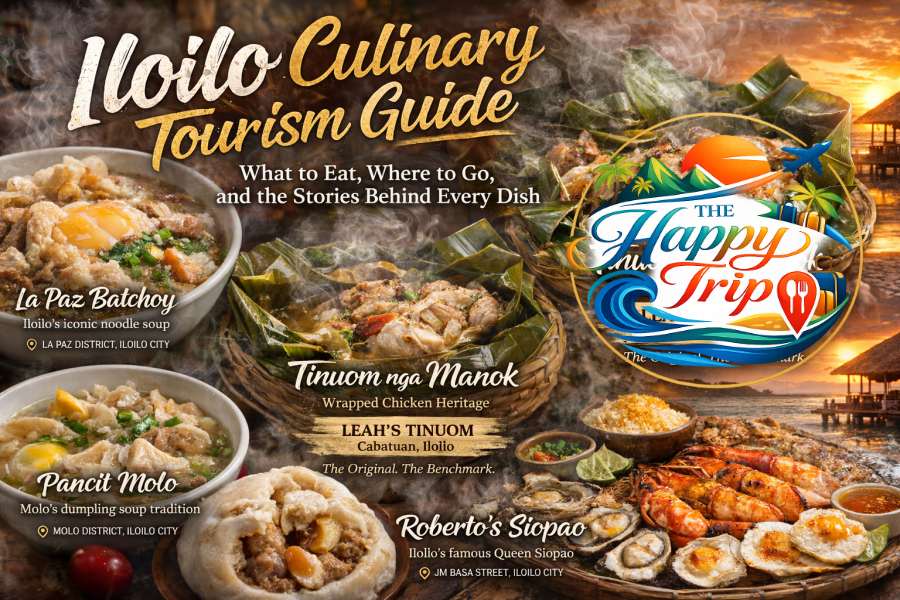
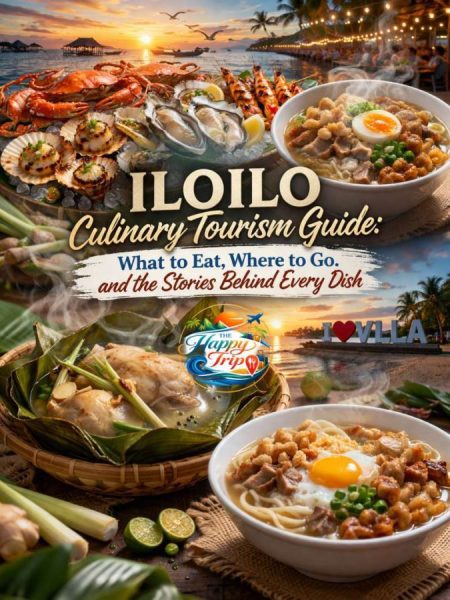
Iloilo Culinary Tourism Guide: What to Eat, Where to Go, and the Stories Behind Every Dish
Contents
If there’s one place in the Philippines where food is not just eaten but felt, it’s Iloilo City.
Recognized as a UNESCO Creative City of Gastronomy, Iloilo has quietly built a reputation as a top culinary tourism destination—not through hype, but through heritage, authenticity, and flavor.
This is your complete, SEO-ready guide to what to eat in Iloilo City, where to find it, and the story behind every bite.
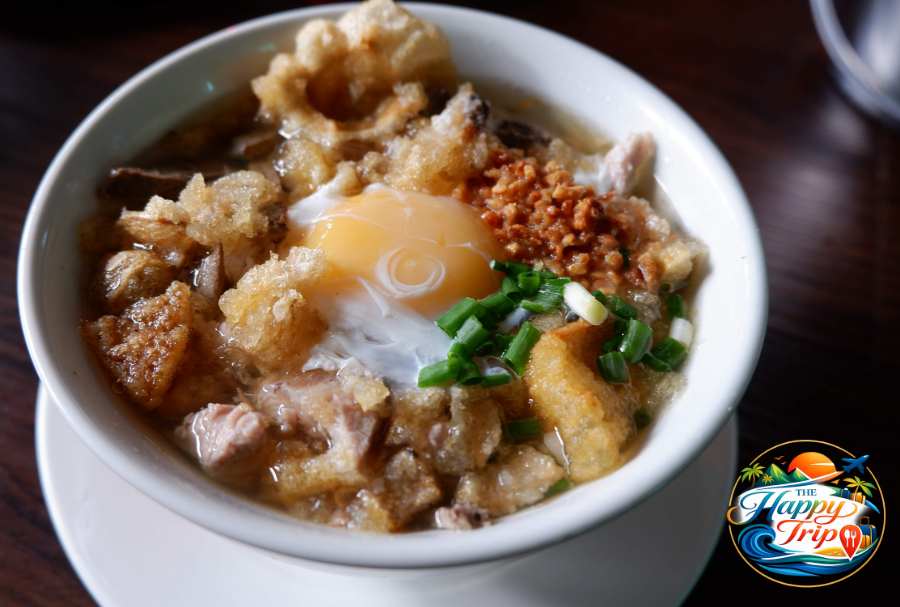
🍜 La Paz Batchoy: The Dish That Defined Iloilo ( Iloilo Culinary Tourism Guide )
La Paz Batchoy was born in the 1930s in the La Paz district, where market vendors transformed leftover pork parts into a rich, satisfying noodle soup. What started as a budget meal became Iloilo’s most iconic dish.
👉 The brilliance of batchoy lies in its roots—resourcefulness turned into culinary mastery.
📍 Where to Eat Batchoy
- Netong’s Original La Paz Batchoy
- Deco’s La Paz Batchoy
- Ted’s Oldtimer La Paz Batchoy
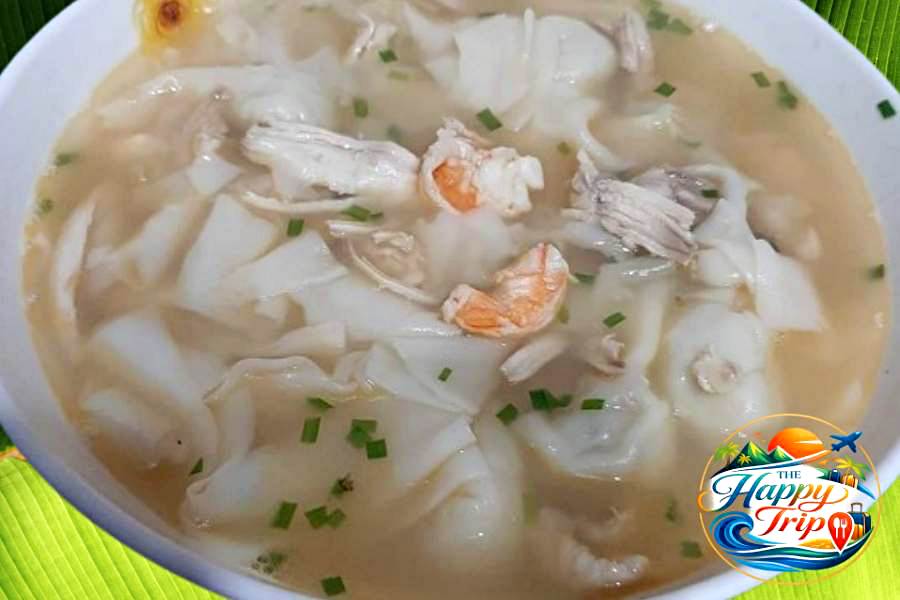
🥟 Pancit Molo: A Legacy of Chinese Influence ( Iloilo Culinary Tourism Guide )
Named after the historic Molo district, Pancit Molo reflects Iloilo’s long-standing Chinese influence. Originally inspired by wonton soup, Ilonggos refined it into a lighter, dumpling-focused dish that is both elegant and comforting.
👉 It’s a dish shaped by migration, adaptation, and refinement.
📍 Where to Eat Pancit Molo
- Camiña Balay nga Bato
- Kap Ising’s Pancit Molo
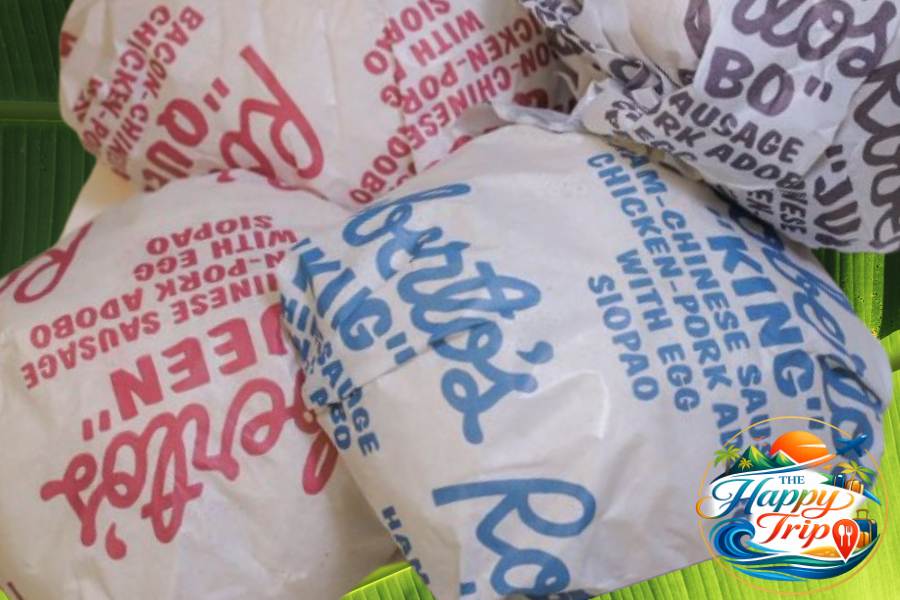
🥟 Roberto’s Siopao: Iloilo’s Legendary Street Food ( Iloilo Culinary Tourism Guide )
Roberto’s Siopao is a downtown institution, famous for its oversized “Queen Siopao” packed with pork, chicken, and egg.
👉 It’s bold, indulgent, and unforgettable.
📍 Where to Eat Siopao
- Roberto’s Siopao
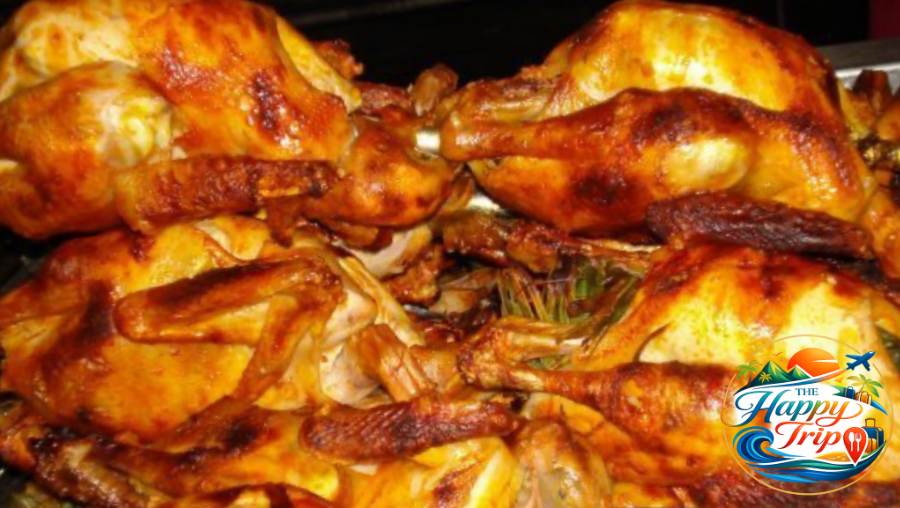
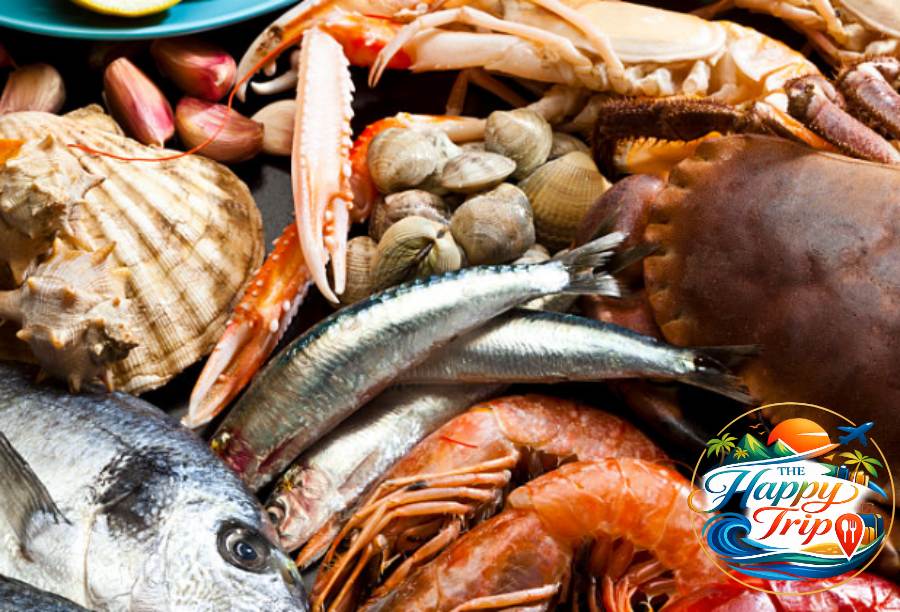
🦪 Villa Beach Seafood: Fresh from Sea to Plate ( Iloilo Culinary Tourism Guide )
Iloilo’s coastal identity comes alive at Villa Beach, where seafood is served fresh and simply prepared.
👉 Here, freshness is the main ingredient.
📍 Where to Eat Seafood
- Tatoy’s Manokan and Seafood
- Breakthrough Restaurant
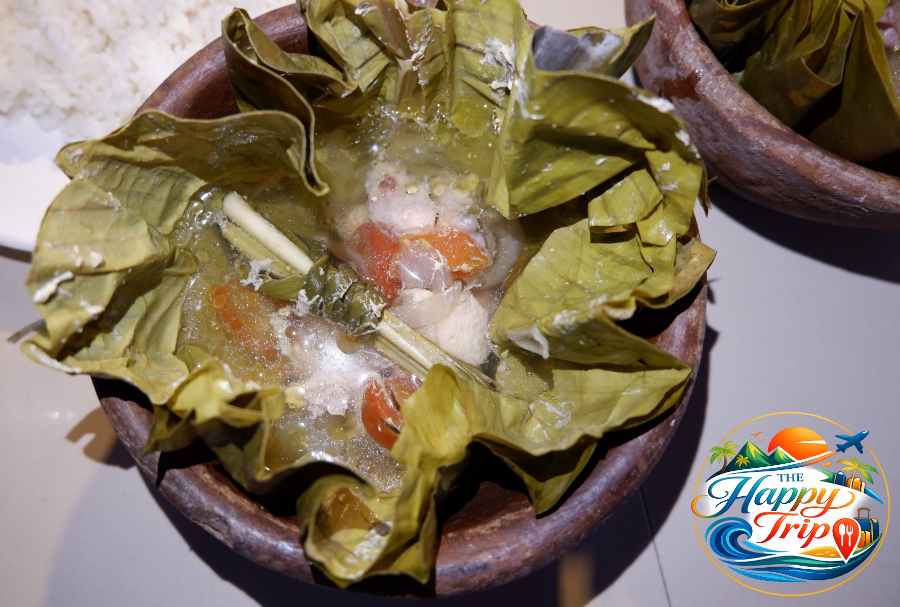
🍃 Tinuom nga Manok: Wrapped Heritage Worth the Journey ( Iloilo Culinary Tourism Guide )
Some dishes define a city.
Others make you leave it.
For tinuom nga manok, you go beyond Iloilo City—straight to Cabatuan, with roots also tied to nearby Santa Barbara.
This is where Ilonggo cooking slows down.
Native chicken is simmered with ginger, lemongrass, and spices, then wrapped in banana leaves—locking in aroma and flavor in a way no modern shortcut can replicate.
👉 Simple. Aromatic. Deeply authentic.
But more importantly—this is not a dish you casually find.
This is something you seek out.
⭐ Where to Eat Tinuom (The One That Matters)
- Leah’s Tinuom
Founded in the 1950s, Leah’s Tinuom turned a backyard recipe into a destination.
Generations later, nothing has changed:
- Native chicken
- Fresh aromatics
- Banana leaf wrapping
- Slow, intentional cooking
👉 No shortcuts. No reinvention. Just tradition.
This is not just the best place to try tinuom—
this is the benchmark.
☕ Iloilo Coffee Culture: Simple, Strong, Real ( Iloilo Culinary Tourism Guide )
At Madge Café, coffee is not a trend—it’s a daily ritual.
Served strong and straightforward, often paired with local bread, it reflects Iloilo’s slower, more grounded way of life.
👉 Strong, simple, and shared.
( Iloilo Culinary Tourism Guide )
✨ Final Thought
In Iloilo, food is not about trends or presentation.
It’s about memory, history, and identity.
From batchoy born in the markets…
to tinuom wrapped in banana leaves in Cabatuan…
Every dish tells a story.
And once you’ve tasted Iloilo—
you don’t just remember it. You crave it.
More Stories
- Travel Insurance Guide: Planning Safer Trips
- How AI Lip Sync Helps Travelers Produce Consistent Content Faster During Traveling
- Holy Week in Negros: A Quiet Retreat from the Crowds
- Philippines Domestic Travel Costs: Why It’s Cheaper to Go Abroad
- DINAGYANG FESTIVAL SCHEDULE OF ACTIVITIES | TRAVEL GUIDE MANGGAHAN FESTIVAL SCHEDULE OF EVENTS CAMIÑA BALAY NGA BATO | ILOILO CITY ATTRACTION THINGS TO DO IN ISLAS DE GIGANTES Pecho-pak Chicken House : A Taste of Home in Iloilo( Netong’s Original La Paz Batchoy | Iloilo City
- GARIN FARM ILOILO TRAVEL GUIDE( Enjoying The Spicy Thai Food
- RICHMONDE HOTEL ILOILO CITY
- MOLO CHURCH, ILOILO + MASS SCHEDULE

Name: Ervin Dave P. Lumogdang
Section: BAMK 3-D
ARTICLE 1 – Iloilo Culinary Tourism Guide
Question 1
If I were to turn the Iloilo Culinary Tourism Guide into an online platform, I would include features like an interactive map so tourists can easily find food spots. There should also be booking options for restaurants and food tours, plus a review section where visitors can share their experiences. I would also add delivery options for local dishes and a simple itinerary planner so tourists can organize their food trips based on their time and budget.
Question 2
Local food businesses in Iloilo can use e-commerce by offering online ordering through apps or websites, so customers can order even if they are not physically there. They can also promote their products on social media and accept advance orders for pickup or delivery. Another way is by partnering with delivery services and using digital payments, which makes it more convenient for both local and international customers.
Dayniel Laurence G. Guillermo BAMK 3-D
2. How can local food businesses in Iloilo use e-commerce to expand their reach beyond walk-in customers?
Using e-commerce local food businesses in Iloilo City may be able to take advantage by expand their market reach by providing them through online rather than their store visitors. E-commerce will allow them not to rely on their regular customers but sell their goods using online ordering using their own website or through food delivery sites. Their products may be purchased online, either in Iloilo City or outside the city, since their customers won’t need to go to their stores just to order their items.
Also, they may create some ready-to-cook or ready-to-eat foods such as frozen pancit molo or batchoy boxes that can be delivered anywhere around the country. Customers can also buy these products via Facebook and Instagram, where they can send private messages to the sellers or directly pay for the goods using GCash or online banking. Therefore, e-commerce allows food businesses to grow their brand and generate additional income.
3. Design a simple digital marketing strategy (social media + e-commerce integration) to promote Iloilo as a culinary tourism destination.
Digital marketing tactics will be effective to enhance promotion and increase tourist traffic in Iloilo City by posting content via social media platforms such as Facebook, Instagram, and Tiktoks. In particular, the content posted on social media sites could include videos of food preparation, features of restaurants and food itinerary featuring popular foods. The use of visual content is appropriate since it is more likely to create interest among potential tourists.
Additionally, social media posts would be linked to services such as booking food tour, table reservations in popular restaurants and ordering local delicacies from various restaurants or eateries. In this case, one website could be utilized as the primary channel to facilitate bookings and ordering of products. For instance, integrating the website with Google Maps makes the process easier for potential tourists. Ultimately, the goal would be to attract clients, offer them services or products, make sure they have a pleasant experience and leave a review.
2. Local food businesses in Iloilo City such as batchoy houses, tinuom sellers, and seafood restaurants can expand beyond walk-in customers by using e-commerce platforms like Foodpanda and GrabFood for delivery, while also promoting and accepting orders through Facebook Messenger. They can post menus, offer pre-orders, and sell packaged products like Batchoy and Tinuom online to reach more customers even outside the city. As a student, I can help by creating Facebook pages, taking food photos, and assisting in managing posts and customer inquiries, which supports these small businesses in going digital at low cost.
3. A simple digital marketing strategy to promote Iloilo as a culinary tourism destination is to focus on platforms like Facebook, TikTok, and Instagram by posting short food videos, attractive photos, and storytelling content about local dishes and hidden food spots in Iloilo City.
1.If you were to turn the Iloilo Culinary Tourism Guide into an online platform, what features would you include to make it useful for tourists?
– I would add a digital food map that shows tourists exactly where to find specific dishes, like a “Batchoy Map” for La Paz. I’d also include a pre order feature for famous items like Roberto’s Siopao so people don’t have to wait in long lines, plus a review section where locals can share photos and tips on what to order.
2. How can local food businesses in Iloilo use e-commerce to expand their reach beyond walk-in customers?
– They can sell “DIY Meal Kits” online, like a ready-to-cook Tinuom set, so people from other cities can try it at home. They can also join delivery apps and create a Google business profile with an online menu, making it easy for tourists to order food directly to their hotels when the restaurants are full.
1. An Iloilo culinary tourism platform should function as an interactive, all-in-one guide that helps tourists easily discover, plan, and experience local food. It can include smart search features by dish or location, GPS-enabled maps for food trails, reservation and booking options for restaurants and food tours, and user reviews with photos for social proof. Integrating delivery or pre-order services allows tourists to access food conveniently, while personalized recommendations based on preferences enhance the experience. Adding storytelling elements like videos and cultural backgrounds of dishes, along with cashless payments and a food souvenir marketplace, can further enrich the platform and make it both practical and engaging.
2. Local food businesses in Iloilo can use e-commerce to expand beyond walk-in customers by offering online ordering through websites, social media, or delivery apps, allowing them to reach a wider market. They can develop scalable products such as frozen or ready-to-cook versions of dishes like batchoy or tinuom, making it possible to ship nationwide. Social commerce through platforms like Facebook and TikTok can help promote their offerings, while partnerships with logistics providers ensure efficient delivery. By joining digital platforms and using online marketing strategies, these businesses can increase visibility, attract tourists before they arrive, and generate additional revenue streams beyond physical store visits.
How can local food businesses in Iloilo (e.g., batchoy houses, tinuom sellers, seafood restaurants) use e-commerce to expand their reach beyond walk-in customers?
Local business in Iloilo can use e-commerce to expand their reach by reaching customers in a wider area, such as people with access to WIFI, phones, or computers
Design a simple digital marketing strategy (social media + e-commerce integration) to promote Iloilo as a culinary tourism destination. What platforms and content would you prioritize?
Platforms that should be prioritized should be Facebook, Instagram, and Tiktok. These are widely used everyday by millions of people in the Philippines; maybe even thousands in Iloilo.
Link 1:
1. 1. Online Platform Features for Tourists
To transform the guide into a functional online platform, I would prioritize these features:
• Interactive Gastronomy Map: A GPS-enabled map that categorizes food by district (e.g., La Paz for Batchoy, Molo for Pancit Molo, Villa for Seafood). It should show “heritage trails” that users can walk.
2. E-Commerce for Local Food Businesses
Local businesses can move beyond walk-in customers through:
• “Batchoy Kits” for Shipping: Packaging dehydrated broth bases, specialty noodles, and chicharon in “cook-at-home” kits sold via an e-commerce storefront.
3. Platforms: TikTok/Instagram Reels for visual “ASMR” (the sound of slurping batchoy, the steam of siopao); Facebook for community-building and long-form heritage stories.
1. Iloilo Culinary Tourism Guide → Online Platform Features
To make it truly useful, think of it like a mix of Tripadvisor + Grab + Google Maps, but focused on food.
Core Features:
Smart Food Directory
• List of famous spots like batchoy houses, seafood restos, and native delicacy sellers
• Filters:
• Price (budget to premium)
• Cuisine (Ilonggo, seafood, street food)
• Dietary options
Interactive Map Integration
• GPS-based navigation (like Google Maps)
• “Food trails” (e.g., Batchoy Trail, Seafood Night Route)
• Nearby recommendations based on your location
Booking & Reservations
• Table reservations for restaurants
• Pre-order meals (avoid long queues at famous batchoy spots)
Reviews & Ratings
• User-generated reviews (like Yelp)
• Photos, tips, and “must-try dishes”
Delivery & Pasalubong Ordering
• Integration with delivery services like GrabFood or Foodpanda
• Option to order pasalubong packs (e.g., frozen batchoy, native delicacies)
Content & Stories
• Short videos about:
• How batchoy is made
• Stories of local vendors
• Helps tourists connect emotionally, not just consume
Cashless Payments
• GCash, Maya, credit cards for seamless transactions
2. How Iloilo Food Businesses Can Use E-Commerce
Local businesses don’t need big budgets—they need smart digital presence.
Expand Through Online Ordering
• Sell via:
• Foodpanda / GrabFood
• Facebook Marketplace or Messenger ordering
• Offer:
• Ready-to-eat meals
• Ready-to-cook kits (batchoy kits, tinuom packs)
Reach Tourists Before They Arrive
• Accept pre-orders from tourists planning trips
• Offer “Reserve your food experience” bundles
Social Commerce
• Use Facebook & Instagram shops
• Post menus + direct “Order Now” buttons
Package Products for Shipping
• Vacuum-sealed products (batchoy broth, sauces)
• Sell nationwide via:
• Shopee
• Lazada
Partner with Influencers & Platforms
• Feature in local food vlogs
• Collaborate with tourism platforms
3. Simple Digital Marketing Strategy for Iloilo Culinary Tourism
Think of this as “See → Crave → Visit → Share”
Platforms to Prioritize
Social Media
• Facebook (broad reach, events, groups)
• Instagram (visual food content)
• TikTok (viral food discovery)
E-Commerce Integration
• Food delivery apps (GrabFood, Foodpanda)
• Online booking via website/app
Content Strategy
1. Short-Form Videos (HIGH PRIORITY)
• “Best batchoy in Iloilo under ₱100”
• “Seafood feast in Iloilo”
• Behind-the-scenes cooking
This works best on TikTok & Reels
2. Food Guides & Lists
• “Top 10 must-eat dishes in Iloilo”
• “1-day Iloilo food itinerary”
Post on Facebook + website/blog
3. User-Generated Content
• Encourage tourists to post:
• “Tag us & get featured”
• Builds authenticity
4. Influencer Collaborations
• Invite food vloggers to try:
• Batchoy
• Tinuom
• Native desserts
1. Iloilo Culinary Tourism Guide → Online Platform Features
To make it truly useful, think of it like a mix of Tripadvisor + Grab + Google Maps, but focused on food.
Core Features:
Smart Food Directory
• List of famous spots like batchoy houses, seafood restos, and native delicacy sellers
• Filters:
• Price (budget to premium)
• Cuisine (Ilonggo, seafood, street food)
• Dietary options
Interactive Map Integration
• GPS-based navigation (like Google Maps)
• “Food trails” (e.g., Batchoy Trail, Seafood Night Route)
• Nearby recommendations based on your location
Booking & Reservations
• Table reservations for restaurants
• Pre-order meals (avoid long queues at famous batchoy spots)
Reviews & Ratings
• User-generated reviews (like Yelp)
• Photos, tips, and “must-try dishes”
Delivery & Pasalubong Ordering
• Integration with delivery services like GrabFood or Foodpanda
• Option to order pasalubong packs (e.g., frozen batchoy, native delicacies)
Content & Stories
• Short videos about:
• How batchoy is made
• Stories of local vendors
• Helps tourists connect emotionally, not just consume
Cashless Payments
• GCash, Maya, credit cards for seamless transactions
1. Iloilo’s online food platform should have interactive GPS maps for self-guided food crawls, real-time booking for heritage tours, and delivery integration so that tourists can easily order local foods like Batchoy to their hotels.
2. Local businesses can reach more people by selling frozen or vacuum-sealed meal kits on national e-commerce sites and using targeted social media marketing to get customers who aren’t in their stores.
1. If the Iloilo Culinary Tourism Guide were turned into an online platform, it should include interactive and user-friendly features such as an integrated map showing nearby food spots and curated food trails to help tourists easily explore the city. It should also have booking and reservation systems for restaurants and food tours, customer reviews and ratings to build trust, and detailed menus with photos and price ranges. Additionally, options for food delivery or pre-ordering would be helpful for travelers with limited time, while offline access and multilingual support would make the platform more accessible to international visitors.
2. Local food businesses in Iloilo, such as batchoy houses, tinuom sellers, and seafood restaurants, can use e-commerce to expand beyond walk-in customers by creating online ordering systems through websites, mobile apps, or platforms like food delivery services. They can also sell ready-to-eat or packaged versions of their products to reach customers nationwide or even internationally. Since Iloilo cuisine is widely recognized and sought after by travelers, businesses can leverage social media marketplaces, digital payment systems, and logistics partnerships to make their products more accessible. By building an online presence, they can showcase their unique offerings, highlight freshness and authenticity and attract both tourists planning their trip and customers who want to experience Ilonggo food from afar.
3. A simple digital marketing strategy to promote Iloilo as a culinary tourism destination should focus on social media platforms like Facebook, Instagram, TikTok, and YouTube, combined with e-commerce integration. Content should prioritize short-form videos showcasing local dishes, food preparation, and authentic dining experiences, as these are highly engaging and visually appealing to potential tourists. Influencer collaborations, food vlogs, and user-generated content can further increase reach and credibility. The strategy should also include linking posts to booking platforms or online ordering systems, allowing users to immediately plan trips or purchase Iloilo products.
1.If the Iloilo Culinary Tourism Guide becomes an online platform, it should include useful features like an interactive map to find food places, search and filter options, and reviews from other users. It should also have online booking for restaurants or tours, delivery options, and show menus, prices, photos, and travel tips to help tourists decide easily.
2. Local food businesses in Iloilo can use e-commerce by selling their food online through websites, social media, or delivery apps. They can reach more customers by posting their products, accepting online orders, partnering with delivery services, offering promos, and using online payments for easy transactions.
3. A simple digital marketing strategy should focus on platforms like Facebook, Instagram, and TikTok. Businesses can post short videos and photos of food, cooking, and customer experiences. Using hashtags, posting regularly, and working with influencers can attract more people, while linking posts to booking or ordering platforms helps turn viewers into customers.
1.If the Iloilo Culinary Tourism Guide becomes an online platform, it should be simple and helpful for tourists. It can include maps and directions so users can easily find food places, as well as booking or reservation features for restaurants and food tours. Adding reviews and ratings will help people decide where to eat, while photos and menus give them a clear idea of what to expect. It would also be useful to have delivery or pre-order options, especially for popular dishes, and suggested food itineraries like a one-day food trip. Including short stories or tips about each dish can also make the experience more meaningful and connected to Iloilo’s culture.
2.Local food businesses in Iloilo can use e-commerce to reach more customers beyond walk-ins. They can sell through Facebook pages, websites, or food delivery apps so people can order anytime and from anywhere. Offering delivery services makes it easier for customers who cannot visit the store. They can also promote their food on social media by posting pictures, customer reviews, and special offers to attract more buyers. In addition, they can sell packaged products like local delicacies for shipping and allow online reservations or pre-orders to manage demand better. This way, their business can grow and reach not only locals but also tourists and customers outside Iloilo.
1. The Online Platform: “Iloilo Food Wayfinder”
To be truly useful for a tourist, the platform shouldn’t just be a list; it should be a real-time tool that makes “hole-in-the-wall” spots feel accessible and less intimidating.
Live “Vibe” & Crowd Meter: A feature that shows real-time data on how busy a place is (e.g., “La Paz Market is currently quiet”) and includes a short, looping video of the current atmosphere so tourists can see the “view and feel” before they arrive.
Interactive Heritage Map: A GPS-enabled map that guides tourists through specific trails like the “Batchoy Crawl” or “Heritage Seafood Walk,” providing walking directions that lead them exactly to the hidden stalls that aren’t on main roads.
Digital “How-To” Cards: Each listing should include a “First-Timer’s Guide” explaining where to line up, how the ordering system works at that specific stall, and a list of accepted digital payments (like QR codes) to remove any social friction.
Real-Time Menu & Special Alerts: A simple dashboard for owners to update what’s “fresh” or “sold out” for the day, ensuring tourists don’t travel across the city only to find their target dish is gone.
2. E-Commerce for Reach and Foot Traffic
Local businesses can use e-commerce not just to ship goods, but as a “digital hook” to pull people into their physical stores.
Exclusive “In-Store Only” Vouchers: Shops can sell digital “experience vouchers” online (e.g., a “Batchoy & Brew” bundle) that can only be redeemed in person. This secures the sale digitally while guaranteeing physical foot traffic.
QR-Powered Loyalty & “Stamp” Cards: Using a simple e-commerce backend, businesses can offer digital punch cards. After a tourist scans their QR code at three different “hole-in-the-wall” spots, they unlock a discount or a free gift at their next stop, gamifying the act of visiting physical locations.
Pre-Paid “Priority Seating”: For very small shops with limited tables, they can use a simple booking system where tourists pay a small “reservation fee” online that is later deducted from their meal. This manages the crowd and ensures the tourist has a place to sit when they arrive.
3. Simple Digital Marketing Strategy
Goal: Sell the “Experience” and the “Atmosphere” to drive visitors.
Priority Platforms: TikTok and Instagram Reels for the vibe; Facebook for detailed “How-to-Order” info and community building.
Content Strategy:
The “Behind-the-Steam” Series: Short, raw videos of the cooking process (e.g., the slicing of liver for Batchoy or the folding of Molo dumplings) to build appetite and authenticity.
“POV: Your First Time at [Shop Name]”: A video showing a tourist walking from the street into the shop, scanning the QR code to pay, and sitting down to eat. This literally “walks” the customer through the process so they feel like a regular before they even arrive.
UNESCO “City of Gastronomy” Storytelling: Use the prestigious UNESCO title in every bio and caption to position Iloilo as a “must-visit” destination, focusing on the cultural pride of the traditional recipes.
Integration: Every post should have a direct link to the Wayfinder Platform or a “Get Directions” button that opens Google Maps instantly, turning a viewer into a visitor in two taps.
1. If you were to turn the Iloilo Culinary Tourism Guide into an online platform, what features would you include to make it useful for tourists (e.g., booking, maps, reviews, delivery options)?
– I will add a map to find restaurants easily and a section to read reviews from other people. I will also include buttons so users can book tables or order food directly on the website.
2. Design a simple digital marketing strategy (social media + e-commerce integration) to promote Iloilo as a culinary tourism destination. What platforms and content would you prioritize?
– I will use Facebook and TikTok to post videos of delicious food and beautiful places. I will add links so people can book tours or order food online while watching the videos.
1. I will add a map to find restaurants easily and a section to read reviews from other people. I will also include buttons so users can book tables or order food directly on the website.
2. I will use Facebook and TikTok to post videos of delicious food and beautiful places. I will add links so people can book tours or order food online while watching the videos.
2. Local food business in Iloilo can expand their business through e-commerce to reach customers in partnering with food deliveries such as grab and foodpanda, social media platforms such as facebook and instagram.
1. Turning the Iloilo Culinary Tourism Guide into an online platform means making it not just informative, but interactive, bookable, and personalized for tourists. Some features are the interactive food map, booking and reservations, online ordering and delivery options, food stories, etc.
2. Local businesses in Iloilo can use e-commerce to expand their reach beyond walk-in customer by more focusing in promoting their products, offering, and promotions to the wider audience. Increasing the visibility and also the conversion rate of viewers to customers are the primary goals or objectives for a business using e-commerce. For them to reach a wider audience, especially those are located outside Iloilo and internationally, the need prioritize or give emphasis in gaining awareness of their products to the wider market and also help and guide them on what is the local business offers and how they will avail it so that when they visit Iloilo, they will have the chance to try these local products.
3. The digital marketing strategy that I’m thinking to promote Iloilo as a culinary tourism destination is to focus more on featuring the various local cuisines that is being sold in Iloilo through food vlogs, websites, and online guide for them to gain more knowledge about the different restaurants, delicacies, and food that makes Iloilo as a culinary tourism.
1.An online Iloilo food guide should include interactive maps, online booking, and customer reviews so tourists can easily find and choose places. It should also have food categories (like batchoy, seafood), delivery options, and sample itineraries to make planning easier and more convenient.
2.A good strategy is to focus on social media platforms like Facebook, TikTok, and Instagram since they are popular. Post short food videos, local food reviews, and travel vlogs to attract viewers. Partnering with influencers and adding online ordering or booking links can help turn viewers into actual customers.
1. Platform Features
Transforming the guide into a dynamic digital hub requires interactive gastronomy maps that group local spots into curated “Food Trails” based on a user’s GPS location. Beyond standard star ratings, the platform should utilize visual advocacy and photojournalism to highlight the unheard stories of the market vendors and chefs behind the dishes. Adding a unified “click-to-book” system for heritage tours and an API integration for hyper-local food delivery ensures tourists can seamlessly discover, reserve, and taste Iloilo’s offerings straight from their phones.
2. Digital Marketing Strategy
The campaign should heavily prioritize short-form video, leveraging how TikTok trend adoption influences small business growth by turning viral views into direct e-commerce sales. TikTok will drive discovery through fast-paced, authentic POV food reviews linked directly to digital storefronts, while Instagram will focus on high-fidelity visual storytelling of Iloilo’s cultural heritage. Facebook will round out the strategy by targeting domestic tourists with detailed food itineraries, community discussions, and automated Messenger booking options.
1. If you were to turn the Iloilo Culinary Tourism Guide into an online platform, what features would you include to make it useful for tourists (e.g., booking, maps, reviews, delivery options)?
An online platform should have interactive maps, booking systems, and verified reviews can help tourists find and try famous dishes like batchoy and pancit molo in different places. It can also have curated food trails, stories about the cultural history of each dish, and delivery or pre-order options to make traditional food easier to get. These features fit with the guide’s focus on food as a part of heritage, identity, and experiences based on where you are.
2. How can local food businesses in Iloilo (e.g., batchex houses, tinuen sellers, seafood restaurants use e-commerce to expand their reach beyond walk-in customers?
E-commerce can help local food businesses in Iloilo reach more customers than just people who walk in. They can do this by letting people order food online, delivering it anywhere in the country, and using social media to market their business. They can also make their own online stores with their own brand or work with food delivery services to promote specialties like seafood or native dishes. This makes them available to tourists who haven’t been there yet. This helps them reach more customers and keeps and shares Iloilo’s culinary heritage with more people.
BAMK3B
1. If I were to turn the Iloilo Culinary Tourism Guide into an online platform, I would include interactive maps to show restaurant locations. It should also feature reviews from other tourists to help them choose the best places. Including options for table bookings or food delivery would be useful. A list of must-try dishes and photos would attract visitors. Overall, I will ensure that the platform is easy to use and can provide helpful information for tourists.
2.Local food businesses in Iloilo can use e-commerce websites to sell their dishes online. They can offer delivery or pick-up options to reach customers outside their area. Social media and online ads can help attract more people to try their food. They can also share menus, special promos, and customer reviews online. This way, they can grow their business beyond just walk-in customers.
Question 1:
If I turn the Iloilo Culinary Tourism Guide into an online platform, I would include features like an interactive map to easily locate restaurants, an online booking system for reservations, and a review section where tourists can rate and comment on their experiences. I would also add food delivery options for tourists who prefer to eat at their hotels, and a “recommended dishes” section to highlight must-try local foods. These features will make the platform convenient and helpful for travelers.
Question 2:
Local food businesses in Iloilo can use e-commerce by offering online ordering and delivery services through websites or apps. They can also promote their products on social media and partner with delivery platforms to reach more customers beyond walk-ins. By using digital payments and online promotions, they can attract both local and international tourists even before they arrive in Iloilo.
1. If you were to turn the Iloilo Culinary Tourism Guide into an online platform, what features would you include to make it useful for tourists (e.g., booking, maps, reviews, delivery options)?
If the Iloilo Culinary Tourism Guide were developed into an online platform, it should offer interactive maps showing restaurant, food stall, and specialty food locations, along with filters by cuisine, price range, and dietary preferences. It should include user-generated and local reviews with photos, detailed menus, booking and reservation systems for restaurants and food tours, and delivery or take-out options through local partners. Additional features could include curated food itineraries such as “Best Batchoy Trail” or “Seafood by the Coast,” cultural stories behind iconic dishes like La Paz Batchoy, Pancit Molo, and Tinuom, and multilingual guides to cater to international tourists.
2. How can local food businesses in Iloilo (e.g., batchoy houses, tinuom sellers, seafood restaurants) use e-commerce to expand their reach beyond walk-in customers?
Local food businesses in Iloilo, including batchoy houses, tinuom vendors, and seafood restaurants, can leverage e-commerce to reach a wider audience by listing their products on delivery platforms like GrabFood and FoodPanda, offering packaged local products or sauces online, creating subscription meal boxes or specialty “Ilonggo Taste Kits” that can be shipped nationwide, and partnering with travel platforms or tour operators to include meals in food tours. Social media channels and direct messaging for pre-orders or catering requests can further expand their reach and build loyal customers, while showcasing authentic dishes and local food culture.
2. Local food businesses in Iloilo can use e-commerce to expand their reach beyond walk-in customers by adopting digital tools and platforms. For example, establishments like Roberto’s Siopao can offer online ordering through their own website or social media pages, allowing customers to purchase products even if they are not physically present. They can also partner with delivery applications such as Grab and Foodpanda to reach a wider audience and increase daily sales. Additionally, businesses can sell packaged goods like biscocho or sauces nationwide through shipping services. Social commerce, especially through Facebook and Instagram, can also help small businesses connect directly with customers at a low cost. By accepting digital payments like GCash, they can make transactions faster and more convenient, while also using storytelling to highlight their history and authenticity, which can attract more customers.
3. For a simple digital marketing strategy, I would focus on using social media platforms such as Facebook, Instagram, and TikTok to promote Iloilo as a culinary tourism destination. I would prioritize creating short-form videos that showcase popular dishes from places like Netong’s Original La Paz Batchoy and Roberto’s Siopao, including behind-the-scenes cooking processes to make the content more engaging. I would also post storytelling content that highlights the history and cultural significance of these food spots to create a deeper connection with the audience. Encouraging user-generated content, such as tourists sharing their experiences, can help build authenticity and trust. To expand reach, I would collaborate with food vloggers and influencers who can feature these iconic locations. Finally, I would integrate e-commerce by adding “Order Now” links in posts, directing users to websites or delivery apps, so that interest can easily be converted into actual purchases or visits.
1. I would incorporate an interactive “Food Map” that uses GPS to direct visitors to famous locations, such as Roberto’s for Siopao or Netong’s for Batchoy, in order to increase usability. Additionally, a “Real-Time Availability” feature would be helpful for high-demand items that often sell out. A pre-order/reservation system would help visitors avoid the lengthy lines typical of Iloilo’s well-known heritage restaurants, including a “Food Rewards” where users can earn digital discounts by visiting UNESCO-recognized establishments would encourage exploration, while a pre-order/reservation system would help tourists avoid the long queues typical of Iloilo’s popular heritage eateries.
2. Local businesses can leverage e-commerce by offering “Ready-to-Cook” kits of signature dishes like Pancit Molo or Batchoy broth, which can be shipped nationwide via integrated logistics apps. They can also utilize subscription-based models for signature delicacies (biscuits like barquillos or biscocho) to ensure recurring revenue from fans outside the city. Lastly, maintaining an active social commerce presence and selling directly through Facebook, it allows them to engage in “community buying” or “pasa-buy” service, reaching customers who cannot physically visit the markets or heritage houses.
1. I would incorporate an interactive “Food Map” that uses GPS to direct visitors to famous locations, such as Roberto’s for Siopao or Netong’s for Batchoy, in order to increase usability. Additionally, a “Real-Time Availability” feature would be helpful for high-demand items (like the Queen Siopao) that often sell out. A pre-order/reservation system would help visitors avoid the lengthy lines typical of Iloilo’s well-known heritage restaurants, including a “Food Rewards” where users can earn digital discounts by visiting UNESCO-recognized establishments would encourage exploration, while a pre-order/reservation system would help tourists avoid the long queues typical of Iloilo’s popular heritage eateries.
2. Local businesses can leverage e-commerce by offering “Ready-to-Cook” kits of signature dishes like Pancit Molo or Batchoy broth, which can be shipped nationwide via integrated logistics apps. They can also utilize subscription-based models for signature delicacies (biscuits like barquillos or biscocho) to ensure recurring revenue from fans outside the city. Lastly, maintaining an active social commerce presence (selling directly through Facebook) allows them to engage in “community buying” or “pasa-buy” service, reaching customers who cannot physically visit the markets or heritage houses.
1. If the Iloilo Culinary Tourism Guide were developed into an online platform, it should offer interactive maps showing restaurant, food stall, and specialty food locations, along with filters by cuisine, price range, and dietary preferences. It should include user-generated and local reviews with photos, detailed menus, booking and reservation systems for restaurants and food tours, and delivery or take-out options through local partners. Additional features could include curated food itineraries such as “Best Batchoy Trail” or “Seafood by the Coast,” cultural stories behind iconic dishes like La Paz Batchoy, Pancit Molo, and Tinuom, and multilingual guides to cater to international tourists.
2. Local food businesses in Iloilo, including batchoy houses, tinuom vendors, and seafood restaurants, can leverage e-commerce to reach a wider audience by listing their products on delivery platforms like GrabFood and FoodPanda, offering packaged local products or sauces online, creating subscription meal boxes or specialty “Ilonggo Taste Kits” that can be shipped nationwide, and partnering with travel platforms or tour operators to include meals in food tours. Social media channels and direct messaging for pre-orders or catering requests can further expand their reach and build loyal customers, while showcasing authentic dishes and local food culture.
Question 1
If the Iloilo Culinary Tourism Guide is turned into an online platform, it should include an interactive map to easily locate food spots like batchoy houses, seafood restaurants, and cafés. It should also have categories for dishes such as batchoy, pancit molo, seafood, and siopao for easier searching. Adding photos and price ranges can help tourists know what to expect and choose based on their budget. Reviews, ratings, booking options, and food itineraries can improve convenience, while delivery links can allow users to order food directly, making the platform more useful for both tourists and locals.
Question 3
To promote Iloilo as a culinary tourism destination, a simple digital marketing strategy would focus on TikTok, Instagram, and Facebook. Content should highlight featured dishes and food spots such as batchoy, pancit molo, and seafood restaurants. Posting food reviews, photos, and food tour itineraries can attract more attention. Iloilo’s rich heritage and festivals like Dinagyang should also be promoted to show its culture beyond food. Influencers can help expand reach, while links for ordering and booking can be added to support easy access and encourage tourists to visit and try the featured places.
Iloilo Culinary Tourism in the Digital Age
Turning the Iloilo Culinary Tourism Guide into an online platform would make it much more useful and convenient for tourists. Instead of just being a simple guide, it can function like a food and travel app combined. One important feature is an interactive map that shows nearby food spots such as batchoy houses, seafood restaurants, and tinuom sellers. This map can include filters like price range, type of food, and whether the place is open. Booking and reservation options should also be included so tourists can secure tables or join food tours in advance. In addition, a review and rating system can help visitors decide where to eat based on other people’s experiences. Integrating delivery and pre-order features through apps like Grab and Foodpanda would make it even more convenient, especially for tourists staying in hotels. The platform can also provide curated food guides such as “must-try dishes” or budget-friendly food trips, along with cashless payment options like GCash and cards to make transactions easier.
At the same time, local food businesses in Iloilo can use e-commerce to expand their reach beyond walk-in customers. Restaurants and food vendors can create simple online ordering systems through websites or social media platforms like Facebook and Instagram. They can accept advance orders, offer delivery, and even sell ready-to-cook products such as batchoy kits or packaged meals. Businesses can also ship products nationwide, such as sauces, dried seafood, or “Taste of Iloilo” bundles, allowing customers outside the city to experience local flavors. Partnering with delivery platforms like Grab and Foodpanda can increase visibility and accessibility. In addition, social commerce strategies such as live selling, posting daily menus, and responding to customer inquiries through direct messages can help businesses engage with more customers and increase sales.
To promote Iloilo as a culinary tourism destination, a simple but effective digital marketing strategy should be implemented. Platforms like TikTok, Instagram, Facebook, and YouTube should be prioritized because they are widely used for food and travel content. The content should focus on visually appealing photos, short videos of cooking processes, and authentic food experiences. Examples include “first bite” reactions, street food videos, budget food challenges, and features of hidden local food spots. Storytelling is also important, such as highlighting local cooks and the cultural background of Ilonggo dishes. To connect marketing with sales, posts should include direct links for ordering, reservations, or delivery. A consistent posting schedule can also help maintain audience engagement, such as sharing food photos, customer reviews, promotional content, and influencer collaborations throughout the week.
In conclusion, transforming the Iloilo Culinary Tourism Guide into a digital platform, combined with the use of e-commerce and digital marketing, can greatly enhance the visibility and accessibility of Iloilo’s food scene. These strategies not only improve the experience for tourists but also help local businesses grow by reaching a wider audience. By embracing digital tools, Iloilo can strengthen its identity as a leading culinary destination in the Philippines.
1. Features for an Iloilo Culinary Tourism Online Platform
If the Iloilo Culinary Tourism Guide becomes an online platform, it should include interactive and user-friendly features to help tourists explore food easily. First, a map integration using apps like Google Maps can help users locate nearby restaurants, batchoy houses, and seafood spots.
Second, a booking and reservation system allows tourists to reserve tables in advance, especially for popular restaurants. A review and rating system is also important so visitors can see feedback from other customers and choose the best places.
Additionally, integrating delivery services like GrabFood and Foodpanda can give tourists access to Iloilo cuisine even from their hotels. The platform should also include menus with prices, photos, and recommended dishes for each restaurant.
Lastly, adding itinerary planning tools and filters (budget, cuisine type, location) will make the platform more convenient and personalized for users.
2. Using E-commerce for Iloilo Food Businesses
Local food businesses in Iloilo can use e-commerce to reach more customers beyond walk-ins. For example, batchoy houses and tinuom sellers can register on delivery platforms like GrabFood and Foodpanda to accept online orders.
They can also sell through social media platforms like Facebook and Instagram by posting menus, promos, and accepting orders via chat. Creating their own websites or using online marketplaces allows them to showcase their products and even offer nationwide shipping for packaged goods like frozen batchoy kits or bottled sauces.
E-commerce also helps businesses run online promotions, offer discounts, and collect customer data for better marketing. This increases visibility, boosts sales, and builds a loyal customer base even outside Iloilo.
3. Digital Marketing Strategy for Iloilo Culinary Tourism
A simple digital marketing strategy should focus on social media + e-commerce integration. The best platforms to prioritize are Facebook, Instagram, TikTok, and YouTube because they are widely used and highly visual.
Content should include:
• Short food videos (TikTok/Reels) showing batchoy preparation, seafood feasts, and local delicacies
• Food vlogs (YouTube) featuring Iloilo food tours and restaurant reviews
• High-quality photos (Instagram) highlighting dishes and dining experiences
• Customer testimonials and promos (Facebook)
To integrate e-commerce, posts should include direct links to order via delivery apps or websites. Businesses can also collaborate with local influencers and vloggers to promote Iloilo cuisine to a wider audience.
Using hashtags (e.g., #IloiloFood, #BatchoyExperience) and running seasonal campaigns (festivals, food fairs) can further boost engagement and attract tourists.
Overall, combining engaging content with easy online ordering creates a strong digital presence and encourages more people to visit Iloilo for its food.
1. Turning the Iloilo Culinary Tourism Guide into an online platform should include features like an interactive map, booking system, and user reviews to help tourists easily explore food destinations. It should also have a food itinerary planner and a “dish explorer” to highlight local specialties and their cultural significance. Adding delivery and pasalubong ordering options would make it more convenient for users to access Iloilo delicacies anytime. These features would create a more engaging and practical experience for travelers.
2. Local food businesses in Iloilo can use e-commerce by offering online ordering and partnering with delivery platforms like GrabFood or Foodpanda. They can also sell packaged products such as biscocho through online marketplaces like Shopee and Lazada. Social media selling on Facebook and Instagram, combined with digital payments like GCash, can further expand their reach. This allows them to attract both tourists and customers outside Iloilo.