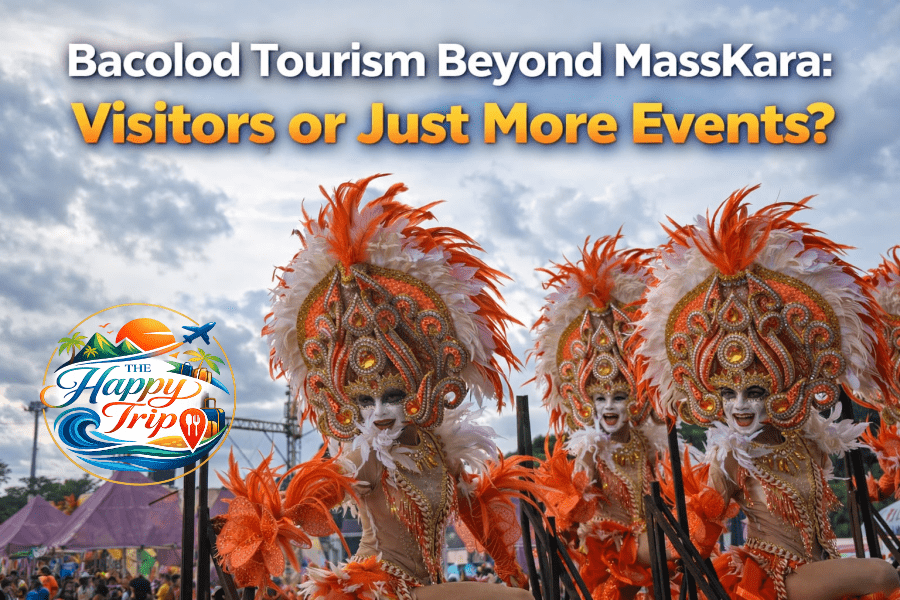
Bacolod Tourism Beyond MassKara
Bacolod Tourism Beyond the MassKara Spotlight: Are Our Tourism Efforts Creating Visitors — or Just More Events?
Contents
For decades, Bacolod City has proudly carried the title “City of Smiles.” Known for its hospitality, vibrant festivals, and distinctive culinary culture, Bacolod has built a tourism identity rooted in celebration and community spirit.
Tourism statistics show that the city continues to attract visitors. According to the Bacolod City Tourism Development Office, the city recorded 833,345 overnight tourist arrivals in 2024, an increase from 780,916 visitors in 2023, representing 6.72 percent growth (Philippine News Agency, 2024).
The recovery continued the following year. In 2025, Bacolod welcomed about 873,573 visitors, reflecting 4.8 percent growth and generating ₱6.55 billion in tourism receipts for the local economy (Philippine News Agency, 2025).
At the regional level, Western Visayas tourism reached 5.87 million visitor arrivals in 2024, generating roughly ₱73.8 billion in tourism revenue, with Bacolod ranking among the key destinations in the region (Digicast Negros, 2025).
These numbers confirm that Bacolod continues to benefit from the recovery of the tourism sector.
But statistics alone cannot answer a deeper question increasingly raised by tourism observers and stakeholders:
Are Bacolod’s tourism initiatives truly bringing new visitors into the city—or are we simply creating more events that locals enjoy while tourism growth remains driven largely by one festival?
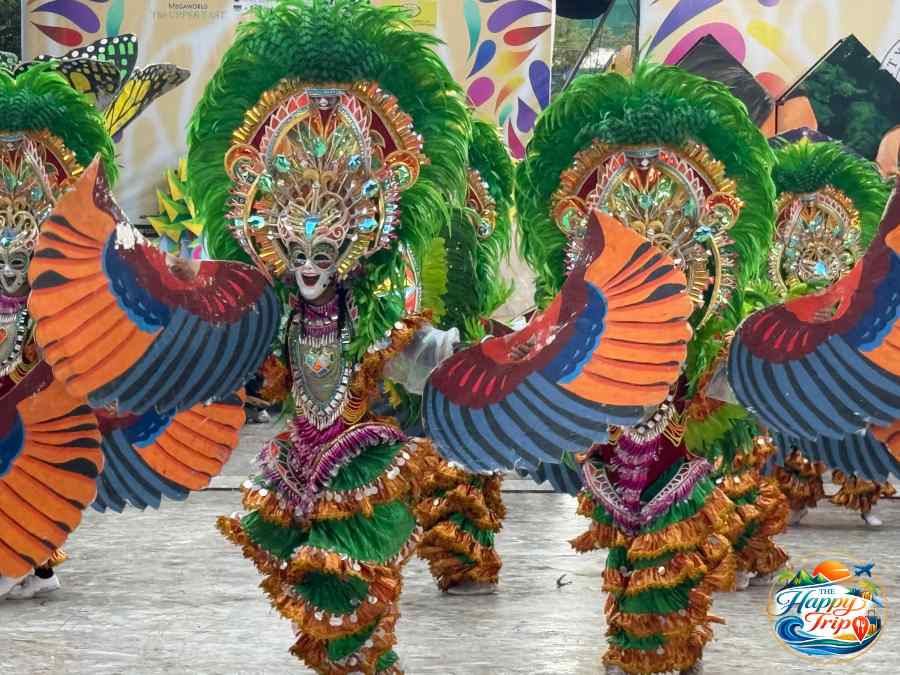
The Impact: The Festival That Clearly Drives Bacolod Tourism [ Bacolod Tourism Beyond MassKara ]
There is little debate about the impact of the MassKara Festival.
First organized in 1980 during one of the darkest periods of the sugar crisis, the festival was created to uplift the morale of Bacolod residents and has since evolved into one of the Philippines’ most recognizable cultural celebrations (BusinessMirror, 2023).
During the festival season, the scale of activity is unmistakable.
Concert events during MassKara have drawn crowds exceeding 160,000 people, while opening celebrations at the Bacolod Government Center can attract around 50,000 attendees (Bacolod City Government, 2024; Bacolod City Government, 2025).
Economic activity during the festival is equally significant. Festival zones and food parks generated ₱17.06 million in food sales during MassKara 2025 alone (SunStar Bacolod, 2025).
Hotels reach peak occupancy levels, restaurants fill with customers, and local vendors—from street food sellers to souvenir makers—experience a surge in business.
For the tourism economy of Bacolod, MassKara is not merely a celebration.
It is a proven economic driver.
But the question that naturally follows is this:
What happens during the other eleven months of the year?
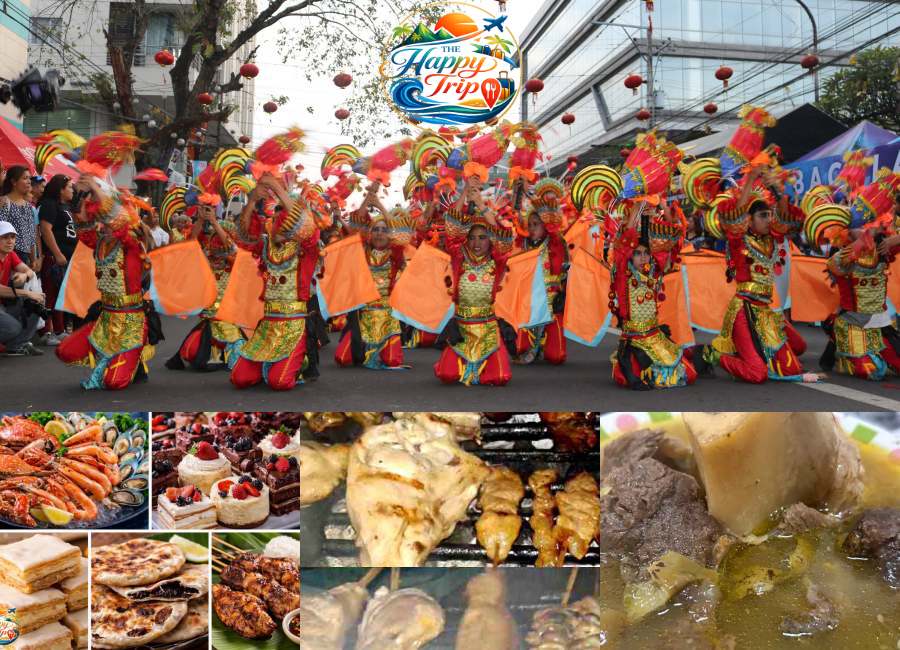
The Expanding Tourism Calendar: More Festivals, But More Visitors? [ Bacolod Tourism Beyond MassKara ]
In recent years, Bacolod has introduced additional festivals and tourism-themed celebrations intended to diversify the city’s tourism calendar.
These include initiatives such as:
- the Bacolod Chicken Inasal Festival
- culinary promotions highlighting Negrense cuisine
- various city-sponsored cultural events throughout the year.
Food tourism is indeed one of Bacolod’s strongest attractions. The city has long been recognized as the birthplace of Chicken Inasal, a grilled chicken dish that has become one of the most iconic foods in the Philippines and a major draw for visitors (Manila Bulletin, 2024).
However, tourism experts often point out an important distinction:
A festival that entertains residents is not necessarily the same as a festival that attracts tourists.
Unlike MassKara, publicly available tourism data linking visitor arrivals specifically to these newer festivals remains limited.
Even within Bacolod itself, some residents are only vaguely aware of certain events. If locals themselves are unfamiliar with these celebrations, an obvious question arises:
How many tourists are actually traveling to Bacolod because of them?
Tourism planners typically measure the success of events through indicators such as:
- increases in hotel occupancy during the event period
- overnight visitor arrivals
- travel bookings from outside the region
- measurable visitor spending.
Without clear increases in these indicators, festivals risk becoming community celebrations rather than tourism drivers.
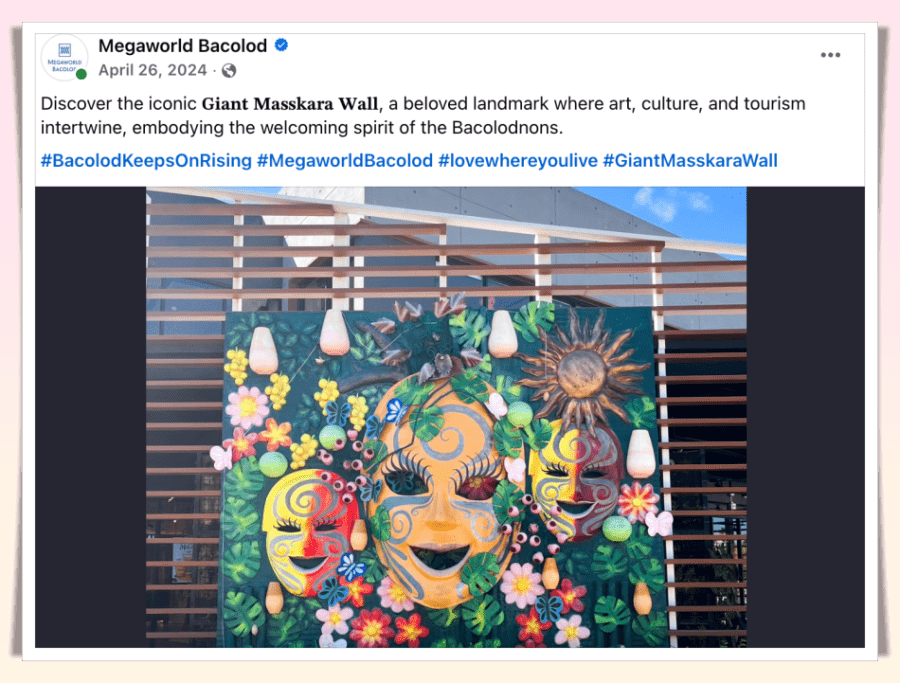
The Private Sector: Quietly Carrying Much of the Tourism Promotion [ Bacolod Tourism Beyond MassKara ]
Another important dynamic in Bacolod tourism is the role of the private sector.
Restaurants, cafés, hotels, entrepreneurs, and digital content creators have become some of the most active promoters of Bacolod as a destination.
Many visitors travel to Bacolod specifically because of its culinary reputation, which has been strengthened by restaurants and food entrepreneurs showcasing Negrense cuisine to visitors (SunStar Bacolod, 2024).
Travel bloggers, influencers, and local businesses also play a significant role in showcasing the city online, often reaching audiences beyond traditional tourism campaigns.
This raises an important reflection:
If the private sector is already promoting Bacolod tourism so actively, how can the city further support and amplify these initiatives?
In many successful destinations, local governments function not only as event organizers but also as strategic coordinators who connect and scale the efforts of tourism stakeholders.
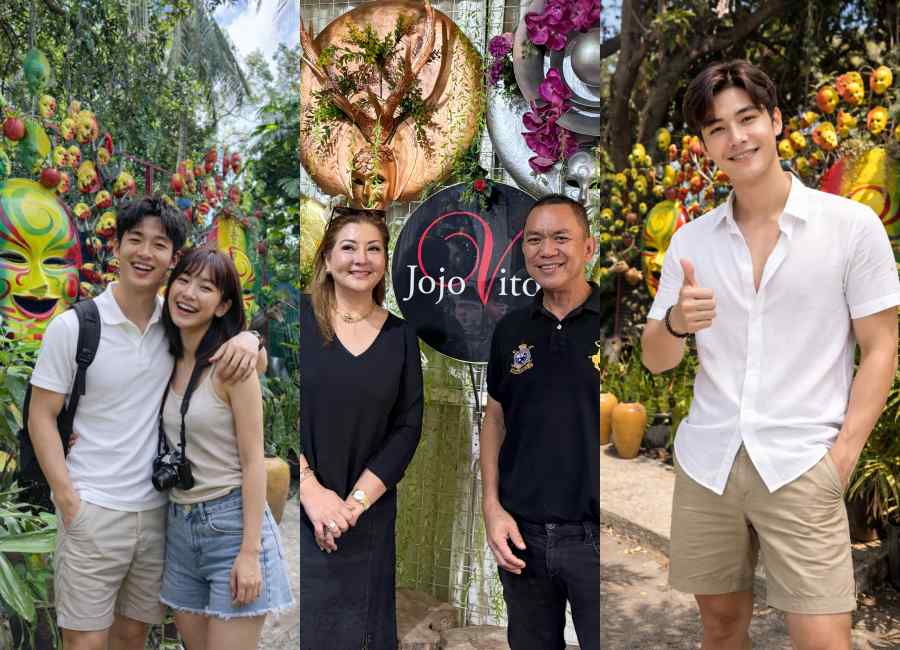
Tourism and the Creative Economy [ Bacolod Tourism Beyond MassKara ]
One of Bacolod’s most distinctive assets is its creative community.
Artists, designers, mask makers, dancers, and performers play a central role in shaping the identity of the MassKara Festival. Their work transforms the festival into the colorful spectacle that attracts visitors each year.
Creative industries also benefit economically from tourism through the sale of masks, artworks, performances, and festival merchandise (Daily Tribune, 2023).
However, outside the festival season, opportunities for visitors to engage with Bacolod’s creative culture appear more limited.
In many tourism cities around the world, creative industries are integrated into tourism through initiatives such as:
- artisan markets
- cultural districts
- public art installations
- visitor workshops with local artists.
These experiences allow visitors to interact with a destination’s culture throughout the year—not only during major festivals.
Given Bacolod’s strong artistic tradition, expanding such initiatives could strengthen the city’s tourism ecosystem while supporting local creative entrepreneurs.

Learning from Other Tourism Cities [ Bacolod Tourism Beyond MassKara ]
Looking at other Philippine destinations also provides useful perspective.
Baguio City attracts more than 1.3 million tourists annually, largely driven by its cool climate and established tourism infrastructure (Baguio City Public Information Office, 2024).
Meanwhile, Iloilo City has positioned itself through heritage tourism and the internationally recognized Dinagyang Festival, which consistently draws large numbers of visitors each January (Manila Bulletin, 2024).
Bacolod’s tourism identity is different.
Its strengths lie primarily in:
- festivals
- gastronomy
- creative expression
- hospitality culture.
These assets are powerful—but they require strategic development to ensure that tourism demand extends beyond a single festival season.

Our Expectations for Our Leaders
Tourism growth in Bacolod is worth celebrating.
But many residents and stakeholders also hope to see more than announcements highlighting achievements that may partly reflect broader travel recovery trends happening everywhere.
What people often hope to see are visible strategies that actively strengthen tourism’s long-term impact on the local economy.
Several expectations frequently emerge in these conversations:
- stronger destination marketing
- year-round creative tourism
- building tourism experiences, not just events
- measuring the real impact of festivals.
Transparent data on visitor arrivals, hotel occupancy, and economic benefits can help determine whether events truly drive tourism or simply entertain residents.
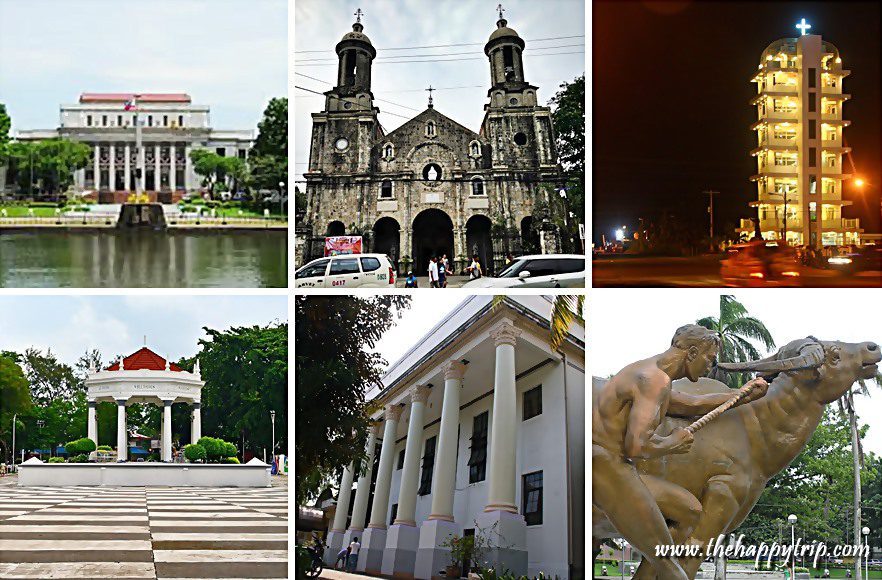
A City with Enormous Tourism Potential [ Bacolod Tourism Beyond MassKara ]
Bacolod already possesses many of the ingredients needed for a strong tourism destination.
It has:
- a globally recognized festival
- a distinctive culinary identity
- a strong creative community
- a culture of hospitality that visitors remember.
The challenge ahead may not be creating more festivals.
The challenge may be ensuring that tourism initiatives are strategically designed to attract visitors, support stakeholders, and strengthen the city’s economy.
Because ultimately, tourism success is not measured by how many events appear on a calendar.
It is measured by how many people choose to travel to experience them.
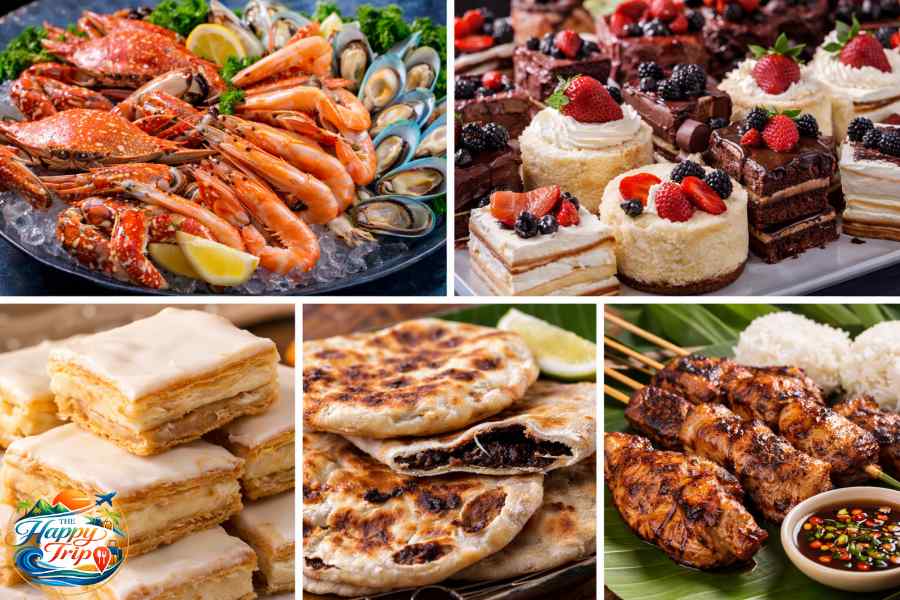
A Final Thought
Bacolod has never lacked creativity, talent, or the spirit of celebration. The success of MassKara proves that when the city rallies around a strong idea, it can capture national attention and bring visitors from across the country. The question now is whether that same energy can be channeled into a broader tourism vision—one that supports local artists, entrepreneurs, restaurateurs, and communities throughout the year. Festivals alone cannot carry an entire tourism industry. What will define Bacolod’s tourism future is whether the city can transform its natural strengths—its culture, cuisine, and creativity—into experiences that travelers actively seek out. Because in the end, tourism success is not measured by how many events we organize, but by how many people choose to travel here, spend here, and leave believing that Bacolod is a destination worth returning to.
More Stories
- Leveling Up Your Staycation: 7 Ideas
- Casablanca Restaurant | A Belated Birthday Bash for Atty. Ariel Maglalang
- Travel for a More Progressive and a Happier Philippines
- THE BACOLOD MASSKARA NEW YORK EDITION DID IT AGAIN ,NEW JERSEY
- Rent The Artist’s Suite | One Regis at The Upper East Megaworld Bacolod
- 7 TOP FESTIVALS IN NEGROS OCCIDENTAL
- Philippine Tourism : Why Small Cities Are the Future
- Sharyn’s Cansi House, Bacolod City | A Review
- PULILAN KNEELING CARABAO FESTIVAL SCHEDULE OF ACTIVITIES
- SINIGAYAN FESTIVAL SCHEDULE OF ACTIVITIES
- Oktoberfest : How to Make the Most of Your Experience
- FESTIVAL ATTRACTION: MASSKARA VILLAGE 2017
- NOBU HOTEL MANILA, CITY OF DREAMS
- BAYON TEMPLE, SIEM REAP, CAMBODIA| TOURIST ATTRACTION
- MASSKARA WALL, MEGAWORLD’S THE UPPER EAST : A Symbol of Hope and Unity
- Chicken Haus Restaurant : The Chicken Inasal of Bacolod
- SIMALA CHURCH / SHRINE , CEBU | MASS SCHEDULE

The evolution of MassKara Festival of Bacolod City’s tourism strategy is not found in creating more festivals, but in strategic asset leverage. Treating its hospitality culture as a core intellectual property, its gastronomy as a global export, and its creative community as a year-round economic engine to gather more tourists and increase tourism revenue from the calendar month of October turns a localized celebration into an international destination of choice.
Year-round activity is possible to attract more tourists, such as in January, to emphasize the Sugar heritage and its trail, focusing on a historical walk and cycling tours connecting Bacolod’s century-old landmarks and the sugar baron estates. Like the Ruins, Historical Public Plaza, San Sebastian Cathedral, and major historical streets.
By February, can focus on Bacolaodiat and Multicultural Heritage, which focuses on the shared community of Chinese-Filipino history. Lanterns, parades, night food markets featuring many cuisines, and lectures on trade routes that built Metro Bacolod.
The month of March can be designed for Women of Negros and artisans. Highlighting textiles, handloom weavers, and historical figures who preserved the Negrense culture.
The second quarter of the year, the months of April, May, and June during the summer season, can focus on world-famous Chicken Inasal and Street Food culture, Organic Harvest, and farm-to-table market and preparation, not to forget the seafood and coastal sunset dining events, traditional seafood preparations that would attract culinary students and visiting food bloggers.
The 3rd quarter of the year can feature contemporary arts, galleries, and murals, live jams, art collector talks, a local filmmakers’ forum, and a showcase of original films. Performing arts, music festivals, and local theaters can build momentum for the upcoming festival season.
The last quarter of the year, October, November, and December, culminates in MassKara, Thanksgiving, and the Christmas season.
As a resident of Bacolod and a doctoral student, I believe our city has much more to offer than a successful festival season. MassKara brings pride to our community, but I hope to see its benefits extend beyond October. Our restaurants, artists, vendors, and tourism workers deserve opportunities throughout the year. To achieve this, Bacolod needs a clear tourism identity supported by experiences that give people a reason to visit in any month.
The article raises an important concern about how tourism success is measured. Growing arrivals are encouraging, but they do not automatically prove that additional festivals attract additional tourists. Event crowds may include mostly residents, while some visitors may come for business or family reasons. This does not diminish the value of community celebrations. It means that spending intended to develop tourism should be evaluated according to the visitors, overnight stays, and local income it helps generate.
Destination branding provides a useful starting point. A destination brand is built through the expectations and experiences people associate with a place. For Bacolod, the “City of Smiles” should communicate something visitors can enjoy throughout the year: good food, accessible creative experiences, and genuine hospitality. MassKara can introduce this identity, while everyday encounters give it lasting meaning. The goal is for travelers to think of Bacolod when planning a food weekend, a family break, or a cultural visit, even when no major festival is scheduled.
Through segmentation, targeting, and positioning, the city can identify specific visitor groups and develop offers suited to them. Food enthusiasts could enjoy culinary trails and cooking sessions, while families could join mask-making workshops and guided cultural walks. These activities should have regular schedules, clear prices, and convenient booking arrangements. Hotels, restaurants, artists, and tour operators could develop two- or three-day packages, with attractive offers during quieter months. This would make year-round tourism a practical option that travelers can actually book.
An integrated marketing communications strategy would connect these experiences under one consistent message. The tourism office, businesses, and content creators should coordinate their promotions so that each contributes to Bacolod’s overall identity. Advertisements and social media stories could feature local cooks, artists, and neighborhood businesses, with links to a shared tourism website containing itineraries and booking information. Promotion should run throughout the year and ahead of travel decisions. With visitors’ consent, follow-up messages after MassKara could introduce other experiences and encourage a return visit.
However, the promise must match the experience. Services marketing reminds us that people, facilities, and service processes influence visitor satisfaction. Clean surroundings, helpful tourism workers, reliable transport information, and fair pricing are therefore part of building the brand. The city government should coordinate these efforts with businesses and residents, setting shared standards and reviewing results. Monthly overnight stays, visitor spending, repeat visits, and income reaching small enterprises would provide a clearer picture of progress than crowd counts alone.
What I want for Bacolod is tourism that creates steady livelihoods while protecting the warmth and character of our community. A year-round destination requires consistent work, cooperation, and responsible use of public funds. If we make our food, creativity, and hospitality easy to experience in every season, visitors will have reasons to come beyond MassKara and Bacolodnons will have more opportunities to benefit from the city we proudly call home.
After reading the article, I saw that its main idea is something anyone who has seen a city depend on one big festival would readily recognize. Bacolod’s MassKara is, in fact, a real asset, as the figures show it still draws a large number of visitors and boosts the local economy. Spending the rest of the year on only a few smaller events for residents, though, is not an authentic tourism strategy; it’s as if one hopes the advantages of October will carry through the year, but they never do.
In order for Bacolod to turn MassKara and all its other assets into a year-round brand, it should not simply add more festivals. Instead, the city should be seen as a destination people choose for a special kind of experience. To achieve this, a marketing strategy must combine the private sector, the creative community, and the city’s identity into a single coherent story.
The brand has room for improvement; although “City of Smiles” has a friendly atmosphere, it doesn’t give tourists a strong reason to visit in months such as March or July. The actual strengths of Bacolod are the cheerful spirit of MassKara, its food culture, particularly chicken inasal, and the creative individuals who are behind the festival. This could be turned into a straightforward message: Bacolod offers celebration, good food, and craftsmanship every day, not just for one month. This message should be the basis for all advertising and content.
The city should now focus on developing experiences rather than merely arranging events, since many restaurants, cafés, and content creators are already taking this approach. Rather than launching another festival that the local population hardly notices, the tourism office could help combine what is already in place. For instance, it could create permanent food trails that connect top inasal places with smaller eateries, year-round mask-making workshops, and creative districts where tourists can meet artists and buy their work. These experiences can be repeated and give people good reasons to visit Bacolod beyond October.
Advertising should support this new strategy. At present, most of the advertising still centres on MassKara. A more effective campaign should make the festival the main feature, but throughout the rest of the year, it should highlight shorter, more specific stories. For instance, it could show a day spent learning how inasal is made, an afternoon with a mask maker, or an evening exploring the neighbourhoods that keep the festival spirit alive. It would be more effective to use content marketing, short videos from visitors and locals, and influencers who already promote Bacolod’s food scene than to run another advertisement for a city event. An activity should not be considered a genuine tourism product if it does not increase hotel stays from outside the region. Making these figures publicly available would help make better decisions and prevent filling the schedule with events that mainly benefit residents.
In the end, the plan can only succeed if the creative community and the private sector are seen as equal partners, not merely a secondary consideration. Since artists and restaurant owners already shape how people experience Bacolod, it makes more sense to give them a genuine role in the planning process and use the city’s resources to support what they are already doing, rather than inventing new events.
MassKara has shown that Bacolod is able to attract national attention by concentrating on a solid idea; the following stage is to channel that energy so as to make Bacolod a destination that people want to visit throughout the year, even once the festival is over. To achieve this, the city must reduce the number of announcements and adopt a more considered strategy for branding, designing visitor experiences, and measuring results. If it does not, the event calendar will keep expanding, but visitor numbers will remain seasonal.
To me, Bacolod doesn’t need to change its tourism identity because it already has one. The City of Smiles and MassKara are already connected to Bacolod, and also the city is also known for its food and culture. I think what Bacolod can do is use MassKara as a starting point for visitors to discover what else the city has to offer even after the festival. In my own opinion, I don’t think the focus should be on creating more festivals or events because there are already things people can experience throughout the year, like eating piaya and chicken inasal or painting their own MassKara mask. I also noticed from reading some comments about Bacolod that food is often mentioned, but there are also people asking what else they can do in the city aside from food. Maybe Bacolod already has other experiences, but visitors don’t always know about them. Maybe the city just needs to do a better job of connecting and promoting these things. Someone who comes for MassKara can also discover where to eat and what other places they can visit. Someone who comes for food may also discover other things to do in the city. This can give them more reasons to stay longer or come back.
Also, I don’t think Bacolod has to promote the same thing to everyone. People travel for different reasons. Some travel for food, some for festivals, some for culture, while others simply want to explore a new place. So Bacolod can promote its food to foodies, MassKara to those who enjoy festivals, and other things to people who just want to explore the city. I think the tourism office can also work with hotels, restaurants, local businesses, bloggers/vloggers and content creators. A hotel can recommend restaurants and places to visit. Restaurants can also recommend other things to do nearby. Content creators, vloggers and bloggers can show people what they can actually do when they visit. They don’t have to promote the same things, but they can help people discover more of Bacolod.
But promotion is only one part of it. What people actually experience when they come to Bacolod also matters. A good example for me is the public plaza. When I was there last weekend, some parts were still unfinished and there were areas that were not very pleasant to walk around. So for me, while we promote Bacolod, we also have to make sure that people will have a good experience when they are actually here. We can promote the city as much as we want, but what people see and experience when they arrive will also affect how they see the place.
For me, MassKara will always be part of Bacolod and will continue to attract people. But Bacolod also has food, culture and other experiences that people can enjoy even without the festival. Maybe we just need to show these more so people will have other reasons to visit Bacolod throughout the year.
To turn Masskara and other tourism assets from short-term event attractions into a year-round destination brand, we need to position Bacolod as the most livable, welcoming, and complete city in the Visayas, rather than relying solely on festivals. MassKara becomes the proof of the personality of Bacolodnon, not the whole product. As the city of smiles as the master brand, Masskara festival as the hero’s experience, with four pillars (visit, stay, live and retire). Highlighting eight assets of the city such as tourist spots, affordable accommodation, safety, retirement destination, low cost of living, light traffic, highly urbanized, and modern hospitals and services.
Additionally, by considering the festival of the month” approach, we’re giving tourists the reasons to come.
Jan-Feb: Food and culture (Bacolod Chicken Inasal Festival, Panaad-type events; Valentine’s “City of Smiles” couple packages)
Mar-May: Summer escapes (Mambukal, Campuestohan, Lakawon Island, nearby beaches), Holy Week heritage tours
Jun-Aug: Rainy-season “staycation” and wellness packages, school group and educational tours
Sep: Pre-MassKara build-up, early-bird packages
Oct: MassKara (the flagship)
Nov-Dec: Post-MassKara “extend your stay” offers, Christmas homecoming campaign for balikbayans and OFWs
The bottom line is that MassKara should be the spark, not the whole fire. By bundling attractions, affordability, safety, livability, healthcare, and retirement appeal under a single “City of Smiles” brand, Bacolod can move from a place to visit once a year to a place to visit, return to, and eventually call home.
Bacolod Tourism Beyond MassKara: Building a Year-Round Destination Brand 2026
Bacolod City has a strong tourism identity, but its dependence on MassKara and other major events raises an important strategic question: does the city have a tourism brand, or does it mainly have a calendar of events? From a marketing perspective, events can create awareness and short-term visitation, but a sustainable destination brand must offer tourists compelling reasons to visit throughout the year. Therefore, Bacolod needs to shift from an event-centered promotional strategy to an integrated destination marketing strategy that connects its festivals, gastronomy, heritage, culture, creative industries, hospitality establishments, and surrounding tourism assets into one coherent brand experience.
Using Integrated Marketing Communications (IMC), Bacolod should ensure that its advertising, social media, public relations, influencer marketing, tourism websites, events, and stakeholder communications communicate a consistent destination promise. MassKara should remain a major brand asset, but it should function as an entry point rather than the entire tourism proposition. Campaigns can position MassKara as one expression of Bacolod’s broader identity—its food, music, heritage, creativity, hospitality, and lifestyle.
The strategy should also apply STP—Segmentation, Targeting, and Positioning. Instead of treating all tourists as one market, Bacolod can develop targeted campaigns for different segments such as cultural tourists, food travelers, millennials and Gen Z travelers, families, business travelers, domestic weekend tourists, and international visitors. Each segment can receive a different message while remaining connected to the same overarching destination brand. For example, food travelers can be attracted through culinary experiences, while cultural tourists can be offered heritage walks, local storytelling, museums, and community-based experiences.
From a consumer behavior and experiential marketing perspective, Bacolod should sell experiences rather than simply places or events. Tourists increasingly seek authentic and shareable experiences. A visitor who attends MassKara could therefore be encouraged to extend the trip through a curated itinerary involving local cuisine, heritage sites, arts and crafts, nightlife, nearby attractions, and community experiences. Digital platforms can support this journey before, during, and after the visit through personalized content, short-form videos, user-generated content, online reviews, and retargeting campaigns.
Bacolod can also use the customer journey framework to identify opportunities to influence tourists at every stage: awareness, consideration, booking, arrival, experience, sharing, and repeat visitation. Advertising should not end when the tourist arrives. Digital engagement can encourage visitors to discover additional attractions, participate in local activities, share experiences online, and eventually return. User-generated content can become a powerful form of electronic word-of-mouth because tourists increasingly trust authentic visitor experiences.
A stronger strategy would also require destination stakeholder integration. Tourism is not produced by the city government alone. Hotels, restaurants, transport providers, tour operators, universities, cultural organizations, event organizers, local communities, and tourism establishments are all part of the destination experience. Bacolod therefore needs a collaborative destination marketing ecosystem in which stakeholders share data, promotional platforms, tourism packages, and performance indicators. Instead of separately promoting individual events, stakeholders can create interconnected annual tourism campaigns.
Most importantly, Bacolod should develop a year-round tourism content and event calendar. Rather than simply adding more events, the city should strategically organize existing events and tourism assets according to different visitor motivations and seasons. The question should not be “What event can we create next?” but “What experience can we offer visitors throughout the year?” This distinction is critical because adding more events without a clear destination positioning may increase activity without necessarily creating stronger tourism demand.
Contemporary marketing practices such as data-driven advertising, social media analytics, influencer partnerships, search marketing, content marketing, and destination storytelling can strengthen this approach. Bacolod can monitor visitor profiles, booking patterns, digital engagement, tourist feedback, and campaign conversion rates to determine which markets and experiences generate sustainable value. Marketing decisions should therefore be based not only on attendance figures but also on length of stay, tourist spending, repeat visitation, satisfaction, online engagement, and economic benefits to local communities.
Ultimately, Bacolod should transform MassKara from a destination product into a destination brand gateway. The festival can attract first-time visitors, but the city’s food, culture, heritage, people, creativity, hospitality, and surrounding attractions should convince them to stay longer, explore more, return, and recommend Bacolod to others.
Therefore, the strategic challenge is not whether Bacolod needs more events. It is whether the city can create a distinctive and integrated brand experience that remains relevant even when there is no major festival happening. A successful year-round destination brand would make MassKara one important chapter in Bacolod’s tourism story—not the entire story. Through IMC, experiential marketing, STP, digital engagement, stakeholder collaboration, and data-driven destination management, Bacolod can move from being known primarily as a festival destination to becoming a compelling year-round tourism destination.
Bacolod should use its strongest assets MassKara, food, creativity, and hospitality—to create tourism experiences throughout the year. It should not depend mainly on festivals. The city should develop food tours, cultural activities, art workshops, artisan markets, public art, and performances. It should also improve destination marketing, coordinate businesses and government, and measure whether events really bring tourists, hotel bookings, and spending.
1. Bacolod’s Current Tourism Position
Bacolod’s main strengths are its famous festival, food culture, creative people, and hospitality. Its main weakness is that tourism is still too focused on one festival. The biggest opportunity is to turn Bacolod’s food, culture, and creativity into year-round tourism experiences.
2. ADVANTAGE- MassKara is well known. Bacolod has Chicken Inasal, Negrense food, creative artists, festivals, and friendly people. Local businesses and online creators already promote the city.
LIMATATION-Bacolod relies too much on MassKara. Some newer events may mainly attract local residents. There is limited data showing that these events bring tourists and increase spending.
OPPORTUNITIES-Develop food tours, art workshops, artisan markets, cultural districts, public art, performances, and other activities available all year. Improve marketing and cooperation among tourism stakeholders.
EXTERNAL CHALLENGES- Bacolod may also lose opportunities if it keeps creating events without proving that they attract visitors.
Highest priority: Bacolod should develop and measure year-round tourism experiences. This is the priority because it can reduce dependence on MassKara, help local businesses and artists, and attract visitors in all months of the year.
3. Key Marketing Problem
The key marketing problem is that Bacolod is too strongly identified with MassKara, while its other tourism attractions are not yet promoted as strong year-round reasons to visit.
4. Key Marketing Opportunity
The key marketing opportunity is to promote Bacolod as a year-round destination for Negrense food, creative culture, joyful festivals, and warm hospitality.
5. Recommended Tourism Positioning
Bacolod is different because it combines food, creativity, festivals, and hospitality. It can offer visitors authentic Negrense dishes, Chicken Inasal, art and cultural activities, performances, festivals, and friendly local experiences.
Bacolod should promise visitors a joyful and authentic experience that is available beyond MassKara season.
6. Tourism Strategies
• Experiences to develop
Bacolod should develop food tours, Negrense cooking and dining experiences, Chicken Inasal promotions, artisan markets, art workshops, cultural districts, public art, and local performances. These should be available throughout the year, not only during MassKara.
• Showing value to visitors
The city should package activities as complete experiences. For example, a package may include food, an art workshop, a cultural activity, a performance, and accommodation. Visitors should clearly understand what they will experience, what is included, and why it is special to Bacolod.
• Making tourism convenient
Before the trip, visitors should find information through websites, social media, online calendars, maps, hotel pages, and booking platforms. During the trip, they should have access to signs, schedules, maps, visitor information, and easy reservations. After the trip, the city should encourage reviews, social media posts, recommendations, and repeat visits.
• Messages and tourism assets to highlight
Bacolod should highlight the City of Smiles, MassKara, Chicken Inasal, Negrense cuisine, local artists, masks, performances, creative products, and the city’s hospitality. The main message should be that Bacolod offers more than one festival; it offers food, culture, art, and celebration all year.
• Use of digital media
The city should use videos, photos, blogs, influencer visits, artist stories, food features, and visitor experiences. Online content should show what tourists can actually do in Bacolod. The city should also share and support content made by restaurants, hotels, artists, businesses, and local communities.
• Stakeholder cooperation
The local government, hotels, restaurants, tourism businesses, artists, performers, creative entrepreneurs, vendors, communities, bloggers, and influencers should work together. The government should coordinate their efforts, while businesses and communities provide the actual experiences and services.
• Encouraging longer stays and repeat visits
Bacolod should combine food, art, culture, shopping, performances, and accommodation into multi-day itineraries. Festivals should introduce visitors to the city’s restaurants, artists, products, and communities. Visitors should be encouraged to participate in activities such as food tours, mask-making, art workshops, and cultural performances.
The city should measure success through hotel occupancy, overnight stays, outside-region bookings, and visitor spending—not only by counting events.
• Integrated year-round approach
Bacolod should change from an event-centered destination into an experience-centered destination. It should attract visitors not only to attend festivals, but also to taste its food, meet its artists, experience its culture, and enjoy its hospitality throughout the year.
Bacolod’s tourism future should focus on year-round experiences, not just more events. Its food, creativity, festivals, and hospitality are already strong. The city now needs to organize, promote, and measure these assets better so more visitors will come, stay longer, spend more, and return.
– Bacolod is a growing and promising tourism destination, but its tourism is still heavily dependent on the MassKara Festival. Visitors are mainly attracted by festivals, food, hospitality, and cultural experiences, especially Bacolod’s famous Chicken Inasal and Negrense cuisine. The city competes with destinations such as Baguio, which is known for its cool climate and tourism infrastructure, and Iloilo, which is strong in heritage tourism and Dinagyang. Bacolod’s strengths are its festivals, gastronomy, creative community, and friendly culture, but its weakness is the lack of strong year-round tourism experiences. Bacolod should transform its existing culture, food, creativity, and festivals into year-round tourism experiences, instead of simply adding more events.
-Bacolod City has several advantages as a tourism destination, including the famous MassKara Festival, strong food and culinary identity, talented local artists and creatives, warm hospitality, and its “City of Smiles” image. However, it also faces internal limitations such as its heavy dependence on MassKara, limited year-round tourism experiences, and the need for stronger destination marketing and coordination. There are opportunities to expand tourism by developing food tourism, artisan markets, cultural workshops, creative activities, and digital promotions through bloggers and influencers, while strengthening collaboration among tourism stakeholders. At the same time, Bacolod faces external challenges, particularly strong competition from destinations like Baguio and Iloilo and the possibility that tourists may prefer destinations with more established tourism experiences. Therefore, the highest priority should be the development of year-round tourism experiences, as this can reduce Bacolod’s dependence on MassKara while encouraging visitors to stay longer, spend more, and return to the city.
-The key marketing problem is the overdependence on MassKara and the lack of strong year-round tourism experiences.
-The key marketing opportunity is to turn Bacolod’s food, culture, creativity, festivals, and hospitality into unique year-round visitor experiences.
-Bacolod is distinctive because of its MassKara heritage, Negrense food, creative culture, and warm hospitality. These can give visitors experiences that satisfy their desire for good food, culture, entertainment, creativity, and meaningful local interaction.
“Bacolod: Experience the City of Smiles through authentic Negrense food, vibrant culture, creativity, and warm hospitality—all year round.”
-Develop food tours, culinary experiences, artisan markets, cultural workshops, creative exhibits, local performances, and year-round cultural activities.
-Package experiences into affordable and convenient tourism packages that combine food, culture, entertainment, and local activities.
-Make them accessible through tourism websites, social media, hotels, restaurants, travel agencies, booking platforms, and physical tourism centers.
-Highlight the City of Smiles, MassKara, Chicken Inasal, Negrense cuisine, local artists, creativity, and hospitality.
-Use TikTok, Facebook, Instagram, YouTube, bloggers, and influencers to show actual experiences rather than simply advertising events.
-The local government, hotels, restaurants, artists, entrepreneurs, communities, tourism businesses, and content creators should work together to create and promote complete tourism experiences.
-Connect festivals and food with tours, workshops, cultural activities, restaurants, shopping, and creative experiences so visitors have more reasons to stay and spend.
-Bacolod should move from an “event-based tourism” strategy to an “experience-based tourism” strategy by combining its food, festivals, creativity, culture, and hospitality into attractive year-round packages. The goal should not simply be more events, but more reasons for tourists to visit, stay longer, spend more, and return.
1.(1)Trends & opportunities: Arrivals are growing , but growth tracks general regional recovery, not new strategies.
(2)Visitors & what they seek: Most come for MassKara Festival – they want big celebrations, food, and cultural spectacle.
(3)Competitors & their strength: Other PH cities (e.g., Iloilo, Cebu, Palawan) offer year‑round cultural districts, artisan markets, and public art that keep tourists engaged beyond a single event.
(4)Bacolod’s offerings/identity/resources: Has MassKara, Chicken Inasal (culinary fame), a strong creative community, and a hospitable culture.
(5)Weaknesses: Over‑reliance on MassKara; new festivals lack data proving they attract outside visitors; creative engagement is limited outside festival season.
(6)Most important challenge: Shift from organizing more events to building year‑round experiences that actually draw tourists, not just entertain locals.
2.(1)Advantages: Globally recognised festival, unique food (Inasal), active private sector promoters (bloggers, restaurants), talented artists.
(2)Internal limitations: No clear data showing new festivals boost arrivals; creative industries are underused off‑season; government acts as event organiser rather than strategic coordinator.
(3)Opportunities: Learn from other cities – create artisan markets, cultural districts, workshops; leverage digital content creators to promote off‑season attractions.
(4)External challenges: Competing destinations offer more consistent experiences; risk of being labelled a “one‑festival city”.
(5)Highest priority: Move from event‑driven to experience‑driven planning – because this tackles the core weakness and makes use of existing strengths (food, art, hospitality) all year.
3.Bacolod’s tourism growth is overwhelmingly tied to one festival (MassKara), while new events fail to attract measurable outside visitors.
4.Leverage Bacolod’s authentic food culture, creative community, and warm hospitality to build compelling year‑round experiences that distinguish it from other destinations.
5.(1)Distinctive: MassKara, Chicken Inasal birthplace, vibrant arts scene.
(2)Experiences to offer: Food tours, artist workshops, cultural walks, heritage visits.
(3)Visitor needs addressed: Desire for authentic local culture, unique flavours, personal interaction, and a less crowded, more intimate experience outside peak season.
(4)Clear promise: A city that gives you genuine smiles, taste, and creativity – not just during a festival, but every day.
(5)Proposed positioning statement: “Bacolod: The City of Smiles – where culture, cuisine, and creativity welcome you all year round.”
6.(1)Experiences to develop/improve: Create year‑round art districts, regular cooking classes, mask‑making workshops, heritage walking tours, and monthly mini‑food festivals.
Structure & communicate value: Bundle experiences into “cultural passes” or “taste packages”; highlight authenticity and personal interaction; price transparently to show value .
(2)Channels for accessibility: Use OTAs (Agoda) for packages; develop an official visitor website with calendar and booking; provide mobile guides; place information at hotels and restaurants.
(3)Key messages/stories to highlight: “Home of Chicken Inasal”; stories of mask artisans and family‑run eateries; the spirit of resilience behind MassKara; everyday warmth of Bacolodnons.
(4)Digital/social media use: Partner with bloggers and influencers to showcase off‑season experiences; run a “#BeyondMassKara” campaign; share short videos of cooking demos, artist studios, and street scenes.
(5)Stakeholder collaboration: Create a Bacolod Tourism Alliance – restaurants, hotels, artists, tour operators – to co‑promote packages; government should coordinate and amplify private efforts, not just organise events.
(6)Transform assets into memorable experiences: Design multi‑day itineraries; add evening markets with live performances; encourage repeat visits with seasonal themes.
(7)Integrated year‑round approach: Build a balanced annual calendar with quarterly themes , supported by consistent digital storytelling. Use data to measure each activity’s tourist impact, and continuously refine. Keep MassKara as the anchor, but create a steady stream of smaller, high‑quality experiences that make Bacolod a destination for any season.
As a Bacolodnon, I believe our city should focus more on creating memorable experiences that give tourists a reason to visit, stay longer, and come back. Beyond MassKara, we can maximize our food, culture, heritage, and creative industries by turning them into unique year-round tourism experiences. Instead of simply adding more events, we should ask: What can visitors actually experience in Bacolod that they cannot experience elsewhere? For me, strengthening that experience is key to building a stronger tourism identity and a sustainable year-round tourism industry.
Based only on the article, what should Bacolod do to attract more visitors, strengthen its tourism identity, and create a stronger year-round tourism industry beyond MassKara?
PAULINE JOYCE GARCIA, MBA-student
Bacolod, in terms of festivals, food, and showcasing of talents has never fell short for tourism. Bacolod offers more than just these categories, this city offers Experiences, which its cost is not only money but the fleeting of time is also its currency.
These festivities and cuisines contributes largely to the experiences and core memories of the tourists; the other factors includes the structure of the city especially when calamity arises, commonly such as the heavy rains that causes floods.
One of the things that the government should do to attract more visitors aside from marketing more festivities and more mouth-watering cuisines, is to make sure that the city when it rains, it would not flood. Human as we are as well, we make judgements based on what we see, Bacolod could make more better choices for the homeless street people as well, not just relocate them somewhere when there is a big event or when a powerful politician visits, but to be able to do something for them.
Moreover, to build a strong attraction for tourists beyond the one big MassKara event, is to give importance to the small local businesses, esp in the food industry. To encourage people to try more of our culture, not just the big ones on the news, but also the ones who has not shined yet. Bacolod is a home of the artists, the malls often times has empty atriums, Museums would be of a nice way to share informations thru art not only to the tourists but also to our own people.
In my own opinion, these are the following that Bacolod should do:
1.Using social media, promote Masskara Festival that it’s more fun, it is affordable, it is
convenient, it is safe, it is worth buying pasalubong and souvenirs, it is instagrammable
and it is worthy of experience.
2. The LGU of Bacolod should improve streets, widen the lanes, implement
underground cabling since most of the HUC’s are doing it to lessen spaghetti wires,
more traffic lights, sustain bike lines, foot walks, bridges, esplanades, street lights and
more. With this the beauty and the areal view of Metro Bacolod will be exposed.
3. Transform plazas and parks, into a clean, green, smart, sustainable, with more
amenities, improve public CR’s, more shades and cool environment to relax with,
provide segregation trash bin, play ground for children, more bench, improved arts and
designs that signifies the culture of masskara and the city of smiles.
4. The LGU of Bacolod should have an inspiration from Bonifacio Global City (BGC) that
they should coordinate to townships, business parks, IT parks, Malls/ Shopping
Centers. In some public places, citizens have a free access to Public wifi/internet,
5. The LGU of Bacolod should renovate the public markets and commercial centers.
How can you promote local products of Bacolod and how to make it well known if the
structure, the smells, the roof tops, the floors, the CRs, the division of products, and the
garbage will welcome and surprise you. Remember, first impression lasts, in short how
can you make market and local products presentable if the Place is unpleasant and not
admirable. Remember Bacolod, is a Highly urbanized city but when it comes to
infrastructures it is left behind.
BY: ALEXANDEE REMADA
Bacolod has long been celebrated for the vibrant MassKara Festival, but to truly grow as a year-round destination, the city needs to evolve into an experience driven destination. Beyond the festival, Bacolod has a lot more to offer, it has to invite visitors to experience the rhythm of everyday life, starting with its incredible food. Turning everyday dining into curated culinary trails, where each meal tells a story of heritage and flavor. Transforming its passionate art scenes into permanent creative hubs, alive with exhibitions and performances that welcome guests any day of the year.
Bacolod can also host conventions and sports summit, it can attract diverse audiences from business leaders to athletes, ensuring a steady stream of visitors beyond the festival season. Anchored on its strong hospitality culture, position Bacolod as a gateway to the Region – connecting travelers to Silay’s heritage to Sipalay’s beaches and Dumaguete’s charm.
This transformation gives Bacolod a compelling story: Bacolod is not just a place to celebrate once a year, but a destination where every day offers something worth experiencing.
Instead of adding more events, Bacolod needs to build on what already works – its food scene and local artists – and make these available to tourists all year.
Based on the article, Bacolod should focus on year-round tourism instead of relying mainly on MassKara Festival. The city can promote its food, culture, arts, and local businesses through more tourism activities and better marketing. It should also work closely with private businesses and measure the actual impact of these activities. This can help attract more visitors, support local businesses, and strengthen Bacolod’s tourism industry throughout the year.
Bacolod already has what it needs, it just has to use it better. The city should really lean into its food scene: chicken inasal, cansi, the cake shops, and even the newer coffee and matcha spots people are getting into. That’s an easy win because people already love Bacolod food. At the same time, the creative side of the city deserves more attention too, places like the Art District (Orange Project) and the Negros Museum. Get bloggers and vloggers to actually visit and share these spots, not just cover MassKara every October. Honestly, the best thing Bacolod has isn’t even a place, it’s the people. The hospitality here is real, and if content creators capture that instead of just the landmarks, that’s what makes someone want to actually come visit, festival or not. And through all of this, the local government should just support what’s already working instead of trying to run everything themselves. Let the restaurants, museums, and creators do what they do best, and just help push it further.
Bacolod should further develop and promote its natural strengths, particularly its culture of hospitality, creative community, and distinctive culinary identity. The city can strengthen these assets by establishing artisan markets, cultural districts, public art spaces, creative workshops, culinary experiences, and opportunities for visitors to interact with local artists and communities. These initiatives can help make Bacolod an attractive destination even outside the MassKara season.
Although festivals, particularly the MassKara Festival, have proven to be significant economic drivers, they are not sufficient to sustain tourism throughout the entire year. Therefore, rather than relying heavily on festivals, Bacolod should focus on strengthening and promoting its unique cultural, culinary, and creative assets to establish a more diverse, sustainable, and year-round tourism industry.
We should market Bacolod Masskara year-round by promoting its unique identity, culture, arts, hospitality and local experiences. Also, we should create a stronger partnership with private businesses and develop visitor-focused programs or activities to hype up their experiences during the visit.