
Holy Week in Negros
Holy Week in Negros: Quiet Corners Where It Still Feels Like It Should
Contents
There was a time when planning a Holy Week trip felt simple—pick a beautiful place, book a room, and trust that the silence would follow.
But I’ve learned, over the years, that silence doesn’t automatically come with the destination. In fact, during Holy Week, some of the most beautiful places in Negros Occidental become the noisiest. Not intentionally—but because everyone is searching for the same pause, at the same time, in the same place.
And I’ve been there—arriving hopeful, only to find crowds, long waits, and that subtle disappointment you try to ignore because you’ve already made the trip.
That’s when I realized: if I really want a meaningful Holy Week, I have to choose differently.
🚫 The Places That Can Take Away the Quiet [ Holy Week in Negros ]

🌊 Lakawon Island
Lakawon looks like everything you would want—clear water, white sand, that iconic floating bar. And on a normal day, it really is worth it.
But during Holy Week, I’ve seen how quickly the experience changes. Boats arrive one after another, cottages fill up, and suddenly you’re sharing a small island with more people than it can comfortably hold.
Instead of slowing down, you find yourself adjusting—waiting for space, waiting for your turn, waiting for quiet that doesn’t quite come.

Holy Week in Negros
🎢 Campuestohan Highland Resort
Campuestohan is designed for energy—laughter, movement, activity. And that’s exactly what makes it feel overwhelming during Holy Week.
I remember standing there once, surrounded by noise and lines, thinking this felt more like a theme park rush than a retreat.
If your intention is to rest, reflect, or even just breathe, it can feel like you chose the wrong place at the wrong time.
🌿 Mambukal Mountain Resort
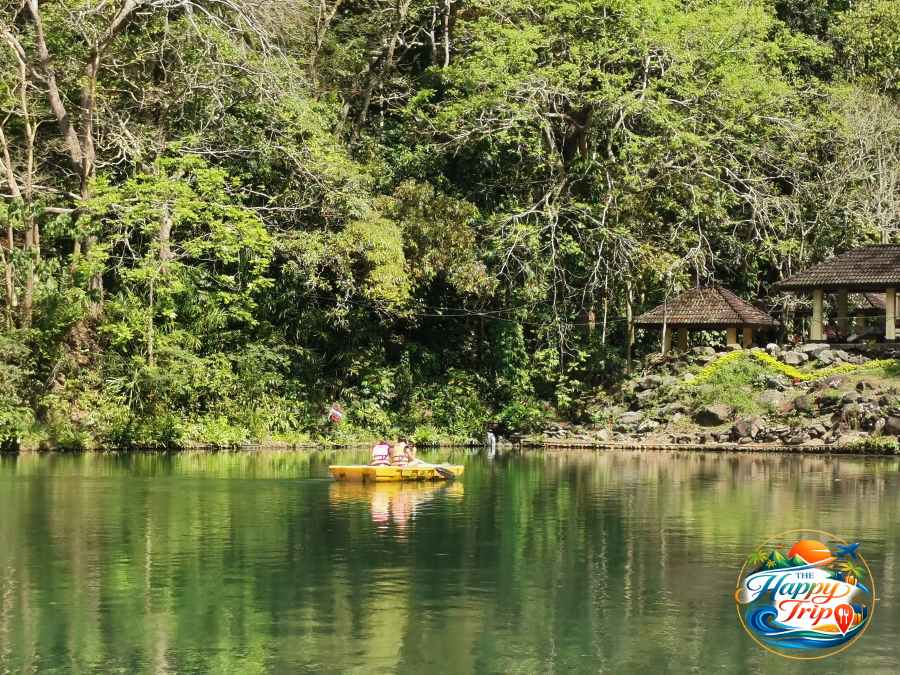
Mambukal, for me, used to represent quiet nature—cool air, flowing water, a place to reset.
But during peak days, even this changes. The pools fill up early, the trails get busy, and the stillness you were hoping for becomes harder to find.
It’s a reminder that even the most peaceful places have limits.

🌿 Where I Go Instead for the Holy Week in Negros (And Why It Still Feels Different)
What I’ve come to understand is this: during Holy Week, you won’t find a place with zero people.
But you can find places that give you room—to step away, to slow down, to actually feel the moment.

Holy Week in Negros
🌅 Sipalay City — Where the Space Changes Everything
I still go to Sipalay—but I go with awareness.
Yes, people travel here during Holy Week. Resorts get booked. Familiar areas like Sugar Beach can feel busy.
But Sipalay has something that makes all the difference—it’s wide.
You’re not confined to one stretch. There are coves, quiet corners, and resorts spaced far enough apart that people naturally disperse. You can walk a little farther, explore a little more, and suddenly find yourself alone with the sound of the waves.
And in that moment, you remember why you came.

Holy Week in Negros
🌿 Don Salvador Benedicto — Just Don’t Stop Where Everyone Stops
DSB is no longer a hidden escape. During Holy Week, the popular stops fill up quickly.
But what I’ve learned is simple—keep going.
Drive past the usual viewpoints. Take a turn toward a farm stay. Pause where there are no signboards, no crowd.
And suddenly, everything softens. The air feels cooler, the silence returns, and you find that space you were looking for all along.

🌄 Patag — A Landscape That Absorbs the Crowd
Patag feels different the moment you arrive.
Even when there are visitors, you don’t feel crowded—and that’s because the place itself is expansive. Camps are spread out, the terrain creates distance, and the quiet seems to settle naturally.
It’s one of those places where you can sit, breathe in the cool air, and not feel rushed or interrupted.

Holy Week in Negros
🏝️ Danjugan Island — Peace You Have to Choose in Advance
Danjugan is not spontaneous—you need a reservation.
But that’s exactly why it remains special.
Visitor numbers are limited, the environment is protected, and even during Holy Week, it never feels overwhelming. You hear the water, the wind, your own thoughts.
It’s the kind of place that gently reminds you to slow down.

Holy Week in Negros
🌊 Hinoba-an — When You Need Real Distance
Hinoba-an takes effort to reach—and maybe that’s why it still feels untouched.
It’s quieter, simpler, and less developed. Even during Holy Week, it doesn’t carry the same urgency as more popular destinations.
Here, time feels slower. And sometimes, that’s exactly what you need.
🌿 Holy Week in Negros | Making It Truly Meaningful
Over time, I’ve realized that peace doesn’t just come from the place—it comes from how we choose to experience it.
- Leave earlier than everyone else, or stay a little longer after the peak
- Choose wide, open places where people naturally spread out
- Plan ahead when needed—especially for places like Danjugan
- Allow yourself quiet moments, even if you’re with family
- Don’t feel pressured to do everything—sometimes doing less is the point
Holy Week isn’t about fitting in more.
It’s about finally allowing yourself to slow down.

Final Thought [ Holy Week in Negros ]
I’ve stopped chasing the most popular destinations during Holy Week.
Instead, I look for places that still allow me to feel what the season is meant to be—quiet, grounded, and meaningful.
Because in the end, the best trip isn’t the one with the most activities or the most photos.
It’s the one where you come home lighter, calmer, and more present.
And when you find that kind of journey—
that quiet, meaningful escape with the people who matter—
that’s what I would call The Happy Trip.
More Stories
- Philippines Domestic Travel Costs: Why It’s Cheaper to Go Abroad
- Skipping Siquijor During Peak Season
- Philippine Overtourism : Crowded Destinations, Alternative Places
- Philippine Tourism : Why Small Cities Are the Future
- Bacolod During Summer: Bacolodnon’s Guide to What to Do
- Top 5 Must-Visit Places in the Philippines During Winter
- BEST CARIBBEAN ISLANDS TO VISIT
- WEST SIDE STORY | MANILA, PHILIPPINES
- JOHNNY CHOW AT RESORTS WORLD
- GEMS OF CHANTHABURI, THAILAND
- Oktoberfest : How to Make the Most of Your Experience
- MANAOAG CHURCH MASS SCHEDULE
- KALILANGAN FESTIVAL SCHEDULE OF ACTIVITIES
- TUASAN FALLS TRAVEL GUIDE | CAMIGUIN
- Embracing The Great Outdoors: Travel Adventures With E-Bikes

1. E-commerce platforms should ethically present popular sites like Lakawon and Mambukal by integrating “crowd density” indicators and historical peak-hour warnings directly into the booking flow. To balance revenue with transparency, platforms should disclose mandatory reservation policies and actual capacity limits, shifting the marketing focus from “seclusion” to “guaranteed access” during the busy Holy Week period.
2. Promoting these spots as peaceful retreats when they are actually overcrowded can lead to legal claims of misleading advertising and a breach of consumer trust. To address the discrepancy noted in the article, businesses should use tiered descriptions that label peak dates as “festive” or “high-energy,” while offering incentives for travel during off-peak days to meet sales goals without misrepresenting the experience.
Name: Ervin Dave P. Lumogdang
Section: BAMK 3-D
ARTICLE 2 – Holy Week in Negros
Question 1
E-commerce travel platforms should be honest when promoting destinations during Holy Week. They should clearly inform tourists that places like Lakawon, Campuestohan, and Mambukal can get crowded during peak season. Important details like long waiting times, limited accommodations, and peak schedules should be included. This helps manage expectations while still encouraging people to visit.
Question 3
Platforms can promote alternative destinations like Sipalay, Don Salvador Benedicto, and Danjugan Island in a responsible way by limiting bookings and encouraging off-peak visits. They can also highlight less crowded areas and spread promotions across different destinations to avoid overcrowding. By doing this, they can still earn profit while protecting the places and giving tourists a better experience.
Dayniel Laurence G. Guillermo BAMK 3-D
1. How should e-commerce travel platforms ethically present crowded destinations during Holy Week?
For travel-related e-commerce sites, it is important to provide accurate information and be honest regarding the crowding in the destination areas because Holy Week is the peak season for travel. According to the article, it is very likely that popular places such as Lakawon Island, Campuestohan Highland Resort, and Mambukal Mountain Resort will be crowded.
Therefore, they should not refer to them as quiet or peaceful. E-commerce sites can provide information about the number of tourists, waiting times, availability of accommodations, and peak times among other details. Also, these sites can suggest the the best time for tourists to go out, such as early mornings or after peak periods, so that they can enjoy their experience better .
3. How can platforms promote alternative destinations without causing overcrowding?
From an e-commerce point of view, promoting such alternative destinations as Sipalay City, Don Salvador Benedicto, and Danjugan Island must be conducted sustainably. Although there might not be any crowds at such sites, an over-promotion may result in the same problems of crowding that we are facing now.
There are several measures that can be taken by online travel agencies to deal with the problem. One may consider limiting booking for each day and requiring advance booking, offering customers other days but avoiding peak days for their trips. One more option would be suggesting tourists visit another site within a certain destination instead of visiting just one particular area.
1. Ethical Presentation of Overcrowded Destinations (Holy Week Context)
Places like Lakawon Island Resort, Campuestohan Highland Resort, and Mambukal Mountain Resort are known to become extremely crowded during Holy Week.
How platforms should present them ethically:
Instead of overselling, platforms should set accurate expectations while still encouraging bookings.
Essential Information to Disclose
1. Real-Time or Expected Crowd Levels
• “Peak Season: High visitor volume expected (Holy Week)”
• Crowd indicators (Low / Moderate / Heavy)
2. Wait Times & Capacity Limits
• Boat queues (Lakawon)
• Entrance congestion (Campuestohan)
• Parking limitations (Mambukal)
3. Experience Conditions
• “Not ideal for quiet retreats during peak dates”
• “Expect noise, long lines, and shared spaces”
4. Best Time Alternatives
• Suggest:
• Early morning entry
• Off-peak days before/after Holy Week
5. Transparent Pricing Changes
• Surge pricing or holiday rates clearly shown
Ethical Framing (Important)
Instead of:
“Peaceful island escape”
Use:
“Vibrant holiday atmosphere with high visitor turnout during Holy Week”
This keeps appeal + honesty, protecting both user trust and bookings.
2. Legal & Ethical Issues of Misleading “Peaceful Retreat” Marketing
If a platform promotes these destinations as quiet during peak season, several risks arise.
Ethical Issues
Misrepresentation of Experience
Example based on the article:
• Tourists expect silence at Lakawon Island Resort
• Reality: crowded beaches, long queues, noisy environment
This creates expectation vs. reality gap
Erosion of Trust
• Users may feel deceived
• Negative reviews damage long-term brand credibility
Legal Risks
1. False Advertising
• Claiming “peaceful retreat” when data shows peak congestion
• Can violate consumer protection laws (e.g., misleading marketing)
2. Refund & Complaint Issues
• Guests may demand refunds due to unmet expectations
• Platforms could face disputes or penalties
3. Platform Liability
• If descriptions are inaccurate, the platform shares responsibility—not just the resort
How Businesses Can Address This (Without Losing Revenue)
Smart Transparency Strategy
Instead of hiding crowds, reframe the experience:
• Holy Week = “Festive, social, high-energy atmosphere”
• Off-peak = “Relaxing, quiet escape”
Sell different experiences for different audiences
⸻
Segmented Marketing
Target:
• Families & groups → promote peak season vibe
• Couples/solo travelers → promote off-peak शांत (quiet) stays
Add User Reviews & Photos
• Real-time photos showing crowd conditions
• Verified reviews increase trust and reduce complaints
Offer Flexible Options
• Easy rebooking for less crowded dates
• Bundles with less congested locations
3. Promoting Alternatives Without Causing Overcrowding
The article suggests places like:
• Sipalay
• Don Salvador Benedicto
• Danjugan Island
These are more शांत, meaningful destinations—but promoting them aggressively can repeat the same overcrowding problem.
Responsible E-Commerce Strategies
1. Controlled Demand (Capacity-Based Booking)
• Limit daily bookings (especially for Danjugan Island)
• Show:
• “Only 20 slots left for this date”
Protects environment + preserves experience
1. In my opinion, e-commerce travel platforms should present destinations like Lakawon Island, Campuestohan Highland Resort, and Mambukal Mountain Resort honestly during peak seasons like Holy Week by clearly stating that these places can become very crowded and busy. They should include specific details such as expected visitor volume, longer waiting times, limited parking, and possible noise levels, instead of only showing peaceful and relaxing images. At the same time, they can still maintain bookings and revenue by offering alternatives like off-peak schedules, early booking discounts, or highlighting other features like activities, food, and scenic views.
2. In my opinion, if an online booking platform promotes these destinations as “quiet” or “peaceful” without mentioning the actual crowd conditions during peak seasons, it can lead to both legal and ethical issues such as false advertising or misleading consumers. For example, if tourists expect a calm experience in places like Lakawon or Mambukal during Holy Week but instead encounter heavy crowds, noise, and long lines, they may feel disappointed and complain or demand refunds. This can damage the reputation of the business and reduce customer trust. Ethically, businesses have the responsibility to give accurate information, and legally, misleading promotions can violate consumer protection laws.
1. How should e-commerce travel platforms ethically present overcrowded locations during Holy Week?
– Platforms should be honest by adding a “High Volume” warning on the booking page for places like Lakawon. They should clearly tell customers that the place will be crowded and suggest off-peak hours for a better experience. This way, they still get bookings but don’t trick people into thinking it will be a quiet trip.
3. How can platforms responsibly promote alternative destinations like Sipalay and Danjugan Island without causing overcrowding?
– They can promote these spots as “Limited Slot” destinations that require advanced booking. By focusing on eco-friendly travel and setting a daily limit on visitors, the business can still make money while making sure these beautiful places stay peaceful and aren’t ruined by too many people.
Based on the author’s experience with overcrowded destinations like Lakawon, Campuestohan, and Mambukal, how should e-commerce travel platforms ethically present these locations during Holy Week? What specific information should be disclosed to avoid misleading consumers, while still maintaining business objectives such as bookings and revenue?
During peak hours or on holidays, businesses should atleast give a heads up that it mah be crowded, OR recommend consumers to reserve.
The author recommends alternative destinations like Sipalay, Don Salvador Benedicto, and Danjugan Island for a more meaningful experience. From an e-commerce perspective, how can platforms responsibly promote these places without causing overcrowding, while still sustaining demand, profitability, and long-term business growth? Propose strategies based on insights from the article.
These platforms can promote these places without overcrowding by segragating consumers into different parts of the location. For example, Set A can go island hopping, while Set B can go jet-skiing.
Based on the article, e-commerce travel platforms should ethically present destinations like Lakawon, Campuestohan, and Mambukal by clearly communicating that these places experience heavy crowding, long wait times, and reduced tranquility during Holy Week, rather than marketing them purely as peaceful retreats. The author describes situations such as Lakawon becoming overcrowded with boats arriving continuously and limited space, Campuestohan feeling crowded with noise and long lines, and Mambukal losing its calm atmosphere as pools and trails fill up early. Platforms should disclose peak-season conditions, expected number of visitors, waiting times, and the actual atmosphere. At the same time, they can still maintain bookings by offering options like off-peak schedules, crowd forecasts, or suggesting less crowded nearby destinations.
Promoting these destinations as quiet retreats without mentioning crowd conditions can lead to false advertising, misrepresentation, and customer dissatisfaction, which may damage the platform’s credibility and lead to possible legal issues. The article shows how tourists expect a peaceful experience but instead encounter overcrowding, noise, and limited space, leading to disappointment after booking. This lack of transparency can be considered deceptive marketing if important information is not disclosed. To address this, businesses should practice honest marketing by clearly indicating peak periods, setting realistic expectations, and offering filters or labels such as “popular during Holy Week” or “high traffic.” This allows platforms to still attract customers while building trust and avoiding misleading claims.
1. Ethical Presentation of Overcrowded Destinations (Holy Week Context)
Places like Lakawon Island Resort, Campuestohan Highland Resort, and Mambukal Mountain Resort are known to become extremely crowded during Holy Week.
How platforms should present them ethically:
Instead of overselling, platforms should set accurate expectations while still encouraging bookings.
Essential Information to Disclose
1. Real-Time or Expected Crowd Levels
• “Peak Season: High visitor volume expected (Holy Week)”
• Crowd indicators (Low / Moderate / Heavy)
2. Wait Times & Capacity Limits
• Boat queues (Lakawon)
• Entrance congestion (Campuestohan)
• Parking limitations (Mambukal)
3. Experience Conditions
• “Not ideal for quiet retreats during peak dates”
• “Expect noise, long lines, and shared spaces”
4. Best Time Alternatives
• Suggest:
• Early morning entry
• Off-peak days before/after Holy Week
5. Transparent Pricing Changes
• Surge pricing or holiday rates clearly shown
Ethical Framing (Important)
Instead of:
“Peaceful island escape”
Use:
“Vibrant holiday atmosphere with high visitor turnout during Holy Week”
This keeps appeal + honesty, protecting both user trust and bookings.
2. Legal & Ethical Issues of Misleading “Peaceful Retreat” Marketing
If a platform promotes these destinations as quiet during peak season, several risks arise.
Ethical Issues
Misrepresentation of Experience
Example based on the article:
• Tourists expect silence at Lakawon Island Resort
• Reality: crowded beaches, long queues, noisy environment
This creates expectation vs. reality gap
Erosion of Trust
• Users may feel deceived
• Negative reviews damage long-term brand credibility
Legal Risks
1. False Advertising
• Claiming “peaceful retreat” when data shows peak congestion
• Can violate consumer protection laws (e.g., misleading marketing)
2. Refund & Complaint Issues
• Guests may demand refunds due to unmet expectations
• Platforms could face disputes or penalties
3. Platform Liability
• If descriptions are inaccurate, the platform shares responsibility—not just the resort
How Businesses Can Address This (Without Losing Revenue)
Smart Transparency Strategy
Instead of hiding crowds, reframe the experience:
• Holy Week = “Festive, social, high-energy atmosphere”
• Off-peak = “Relaxing, quiet escape”
Sell different experiences for different audiences
⸻
Segmented Marketing
Target:
• Families & groups → promote peak season vibe
• Couples/solo travelers → promote off-peak शांत (quiet) stays
Add User Reviews & Photos
• Real-time photos showing crowd conditions
• Verified reviews increase trust and reduce complaints
Offer Flexible Options
• Easy rebooking for less crowded dates
• Bundles with less congested locations
3. Promoting Alternatives Without Causing Overcrowding
The article suggests places like:
• Sipalay
• Don Salvador Benedicto
• Danjugan Island
These are more शांत, meaningful destinations—but promoting them aggressively can repeat the same overcrowding problem.
Responsible E-Commerce Strategies
1. Controlled Demand (Capacity-Based Booking)
• Limit daily bookings (especially for Danjugan Island)
• Show:
• “Only 20 slots left for this date”
Protects environment + preserves experience
Link 2.
1. 1. Ethical Presentation of Overcrowded Locations
Travel platforms have a responsibility to manage expectations to avoid “overtourism” backlash.
• Disclosure of Peak Capacity: Platforms should use a “Crowd Forecast” label (e.g., “Expected High Volume”) during Holy Week for places like Lakawon or Campuestohan.
2. 2. Legal and Ethical Issues of Misleading “Peaceful” Marketing Legal Risks: Under the Consumer Act of the Philippines, businesses could face complaints for “False, Misleading, or Deceptive Sales Promotion.”
3. Responsible Promotion of Alternative Destinations
To sustain growth in Sipalay, Don Salvador Benedicto (DSB), and Danjugan without ruining them:
• Capped Booking Systems: E-commerce platforms should integrate with local LGU systems to strictly enforce carrying capacities (e.g., Danjugan’s “Advance Choice” model).
1. Based on the author’s experience, e-commerce travel platforms should ethically present destinations like Lakawon, Campuestohan, and Mambukal by clearly disclosing peak-season realities such as crowd density, long waiting times, and limited space capacity, instead of only highlighting their scenic appeal. The article explains that during Holy Week, Lakawon becomes overcrowded with continuous boat arrivals and limited space, Campuestohan feels like a “theme park rush” due to noise and lines, and Mambukal loses its expected tranquility as pools and trails become crowded. To avoid misleading consumers while still maintaining bookings, platforms can include real-time crowd indicators, peak vs. off-peak recommendations, and honest descriptions like “best for active travelers during holidays” rather than “quiet retreat.”
2. If an online booking platform promotes these destinations as peaceful retreats without mentioning actual crowd conditions, it could face legal and ethical issues such as false advertising, misrepresentation, and customer dissatisfaction claims. For instance, the article describes tourists arriving with expectations of silence but instead encountering crowded cottages in Lakawon, noisy and busy environments in Campuestohan, and fully occupied pools and trails in Mambukal. This mismatch can lead to complaints, negative reviews, refund demands, and even violations of consumer protection laws that require truthful advertising. Ethically, it also erodes trust and damages brand reputation. To address this while still achieving marketing goals, businesses should use accurate, experience-based descriptions, include disclaimers about peak-season conditions, and segment their marketing. This way, they align expectations with reality, protect consumers, and still drive bookings through honest and targeted promotion.
1. Based on the author’s experience with overcrowded destinations like Lakawon, Campuestohan, and Mambukal, how should e-commerce travel platforms ethically present these locations during Holy Week? What specific information should be disclosed to avoid misleading consumers, while still maintaining business objectives such as bookings and revenue?
To ethically present high-traffic destinations like Lakawon or Mambukal during Holy Week, e-commerce platforms should adopt a dynamic data-driven approach rather than relying on static, idealized marketing. Platforms should implement a “Crowd Density Index” on the booking page, which uses historical data to show a percentage of expected occupancy for specific dates. This allows the business to remain ethical by disclosing that a location is likely to be at 90% or 100% capacity during the Lenten break. Instead of just showing empty beach photos, the platform can include a “Peak Season Gallery” that shows the resort during a busy event, giving the consumer a realistic expectation of the atmosphere.
To maintain business objectives and revenue, the platform can pivot from selling “solitude” to selling “convenience and guaranteed access.” For example, the disclosure could state that while the resort will be vibrant and full, a confirmed booking through the platform guarantees a reserved cottage or a pre-paid meal slot, which walk-in guests might lose out on. Disclosing specific details such as “expected queue times for the Lakawon tawhai floating bar” or “shared pool usage policies at Mambukal” ensures the consumer is not misled. By framing the purchase as a way to secure a spot in a high-demand environment, the platform stays honest while still driving bookings from travelers who prioritize guaranteed entry over total quiet.
The article highlights how expectations of
2. “quiet” are often unmet during peak seasons. If an online booking platform promotes these destinations as peaceful retreats without mentioning crowd conditions, what legal and ethical issues could arise? Cite specific situations from the article, and explain how businesses can address these issues while still achieving their marketing and sales goals.
Promoting a destination as a “peaceful retreat” when it is actually experiencing peak-season congestion creates a significant ethical gap and potential legal liability regarding deceptive marketing. From a legal standpoint, if a traveler pays a premium for a “quiet” package at a place like Campuestohan and finds it swarming with day-trippers, they could argue that the service delivered did not match the contractual description. Ethically, the business risks long-term damage to its reputation through negative reviews and loss of trust. The article specifically notes how Mambukal, traditionally a place for nature, can become overcrowded, which directly contradicts the “retreat” imagery often used in ads. When the reality of a “crowded pool” or “loud surroundings” hits a guest who expected silence, the mismatch leads to customer dissatisfaction and potential demands for refunds.
Businesses can address these issues while still achieving sales goals by rebranding the experience for peak periods. Instead of using words like “quiet” or “secluded,” marketing copy should shift to terms like “festive,” “family-centered,” or “lively summer destination.” To hit sales targets, businesses can offer “Quiet Zone” upgrades or “Early Access” packages that allow a limited number of guests to enjoy the facilities before the general public arrives. This creates a tiered pricing model that generates more revenue while technically fulfilling the promise of a quiet experience for those willing to pay for it or arrive early. By being specific about the “vibe” of the resort during Holy Week, the business protects itself legally and ethically while attracting the right type of customer who actually enjoys a bustling, social environment.
1. Based on the author’s experience in crowded places like Lakawon Island, Campuestohan Highland Resort, and Mambukal Mountain Resort, e-commerce travel platforms should present honest and clear information, especially during Holy Week. They should mention that these places can get very crowded, include expected number of visitors, waiting times, and possible limits in services. They can still attract bookings by offering tips like best time to visit, available packages, and real photos, so tourists know what to expect while the business still earns.
2. If a platform promotes these places as “quiet” without saying they are crowded during peak season, it can lead to false advertising and customer complaints. For example, if tourists expect peace but experience long lines, noise, and full facilities, they may feel misled. This can damage trust and the business reputation. To avoid this, platforms should clearly state peak season conditions, add disclaimers, and show real customer reviews. This keeps marketing honest while still encouraging bookings.
3. For alternative places like Sipalay, Don Salvador Benedicto, and Danjugan Island, platforms should promote them carefully to avoid overcrowding. They can limit daily bookings, offer scheduled visits, and highlight eco-friendly rules. They can also spread promotions across different dates and locations so tourists do not all go at the same time. This way, the places stay peaceful, tourists have a better experience, and businesses can still grow in the long term.
1. Based on the author’s experience with overcrowded destinations like Lakawon, Campuestohan, and Mambukal, how should e-commerce travel platforms ethically present these locations during Holy Week? What specific information should be disclosed to avoid misleading consumers, while still maintaining business objectives such as bookings and revenue?
– Platforms should honestly show the real situation by posting photos of crowds and telling people the busiest times. They must clearly explain the rules, ticket limits, and waiting times so visitors know what to expect before they pay and book.
2. The article highlights how expectations of “quiet” are often unmet during peak seasons. If an online booking platform promotes these destinations as peaceful retreats without mentioning crowd conditions, what legal and ethical issues could arise? Cite specific situations from the article, and explain how businesses can address these issues while still achieving their marketing and sales goals.
– It is wrong and illegal to lie in advertisements by calling a place “peaceful” when it is actually very crowded like Lakawon or Campuestohan. This is called false advertising because it tricks people into paying for something they will not get, which breaks the trust between the business and the customer.
How to Fix It
Businesses should show real photos of crowds and tell the exact number of people allowed. They can still sell tickets by offering special packages for early morning or late visits so guests can still enjoy a quiet time.
1. For e-commerce travel platforms to ethically present these locations during Holy Week, they should promote by being transparent about their peak-season conditions and disclose capacity limits and availability. E-commerce travel platforms should clearly indicate that Holy Week is a high-demand period, which includes expected crowd density, longer waiting times, and possible limitations in services. They should use realistic photos, highlight booking cutoffs or full-capacity risks, and provide alerts like “Almost Fully Booked” to manage expectations. This honesty informs travelers while still encouraging advance bookings and maintaining revenue.
3. Platforms can responsibly promote these places without causing overcrowding, while still sustaining demand, profitability, and long-term business growth by being transparent and by actively informing the public about their capacity real time. They can use recommendations, booking limits, and staggered schedules to prevent overcrowding, while offering incentives like discounts and packages to maintain demand. This strategy balances profitability, visitor satisfaction, and sustainable growth.
1. To ethically present high-demand, overcrowded destinations like the said places during Holy Week, e-commerce travel platforms need to strike a balance between transparency and conversion. The goal is not to reduce bookings but to ensure informed, expectation-aligned decisions that prevent dissatisfaction and reputational damage.
2. Promoting different and alternatives places is a great move to promote through e-commerce but if done poorly, it simply shifts overcrowding from one place to another. From an e-commerce perspective, the goal is to grow demand gradually, distribute it intelligently, and protect the destination’s capacity. One strategies to balance the profitability and long time growth is to control the bookings, such as time slot bookings to avoid over crowded during the day.
1. E-commerce travel platforms should be honest about crowd levels, especially during Holy Week. They should include real-time updates, peak dates, expected wait times, and booking limits. This helps avoid misleading tourists while still encouraging bookings by setting proper expectations.
2.Platforms can promote places like Sipalay or Danjugan by using limited bookings or reservation systems to control crowds. They should highlight off-peak travel times and promote sustainable tourism practices. This way, they protect the destinations while still earning profit and maintaining long-term growth.
1. Based on the author’s experience with overcrowded destinations like Lakawon, Campuestohan, and Mambukal, how should e-commerce travel platforms ethically present these locations during Holy Week? What specific information should be disclosed to avoid misleading consumers, while still maintaining business objectives such as bookings and revenue?
E-commerce travel sites should clearly show that places like Lakawon, Campuestohan, and Mambukal are busy during Holy Week, with real-time information about crowd levels, wait times, and capacity limits. The article talks about how these places get crowded with “boats arriving one after another” and long lines, which makes the experience very different. Platforms can stay ethical and still encourage informed bookings by being honest about peak-season conditions, availability, and quieter options.
2. The article highlights how expectations of “quiet” are often unmet during peak seasons. If an online booking platform promotes these destinations as peaceful retreats without mentioning crowd conditions, what legal and ethical issues could arise? Cite specific situations from the article. and explain how businesses can address these issues while still achieving their marketing and sales goals
If you promote these places as “peaceful retreats” without mentioning how crowded they are, you could be lying, misleading, and making customers unhappy because they expect quiet but get noise, congestion, and limited space instead. For instance, the author talks about how Lakawon got too crowded and Campuestohan felt like a “theme park rush,” which goes against its peaceful image. Businesses can deal with this by being honest in their marketing, using accurate descriptions, peak-season disclaimers, and personalized recommendations. This will keep things clear while still bringing in customers.
1. Platforms could engage by sharing data on real-time crowd density and during Holy Week. For locations like Lakawon or Mambukal, they should ethically include a “Quiet Rating” or disclaimer for places like Lakawon or Mambukal, informing users that the “serene” images in the gallery do not really depict the reality of peak vacations. They can provide “Off-Peak Incentives”- discounts for reservations made the week before or after Holy Week-to sustain company goals by shifting revenue to slower periods while ensuring the customer is not misled by expectations of solitude.
2. Platforms should switch from high-volume marketing to “Value-Based Personalization” in order to maintain demand without sacrificing the “quiet retreat” experience. Instead of broad ads, they can use targeted email or app notifications that are only set to users who have previously searched for “eco-tourism” or “peaceful retreats”, ensuring the traffic remains niche. Additionally, platforms can also implement a system in which a certain number of “Early Bird” slots are offered at a fixed price, and the price of following slots rises until the destination exceeds a pre-set daily capacity. In order to organically limit the number of visits while preserving profitability, dynamic pricing is used. Lastly, e-commerce sites can advertise “Virtual Heritage Tours” or “Digital Souvenirs” (like downloadable photography guides for Sipalay) as an alternative or add-on, in order to make money from customers who are unable to reserve a physical time slot and promoting long-term growth without boosting foot traffic.
BAMK3B
1. E-commerce platforms should honestly tell customers how crowded places are during Holy Week or other holidays. They can do this by sharing real-time data, reviews, and warnings about busy times. This helps customers make better choices and avoid surprises. They need to be truthful and clear about crowd levels. Being honest builds trust and helps customers plan better.
2. Promoting a place as “quite” when it is crowded can lead to legal problems like false advertising. People rely on honest descriptions when planning their visit. If they find the place crowded, they may complain or take legal action. Ethically, platforms should tell the truth about crowd levels, including if it is busy. This helps prevent legal issues and keeps customers’ trust and satisfied.
1. Based on the author’s experience with overcrowded destinations like Lakawon, Campuestohan, and Mambukal, how should e-commerce travel platforms ethically present these locations during Holy Week? What specific information should be disclosed to avoid misleading consumers, while still maintaining business objectives such as bookings and revenue?
E-commerce travel platforms should present overcrowded destinations like Lakawon, Campuestohan, and Mambukal with honesty and transparency, especially during peak seasons like Holy Week. The author notes that these places often experience heavy foot traffic, long waits, and limited space, which contrasts sharply with the expectation of a peaceful getaway. Platforms should therefore include information on typical crowd levels, peak visiting hours, and anticipated wait times for services or activities. They can also provide tips on how to navigate the crowds, such as arriving early or visiting less popular sections of the site. By presenting these details, platforms avoid misleading travelers while still promoting the attractions, allowing them to maintain bookings and revenue. Transparent communication can even become a selling point, as travelers who value realistic planning may feel more confident booking through platforms that prioritize honesty.
2. The article highlights how expectations of “quiet” are often unmet during peak seasons. If an online booking platform promotes these destinations as peaceful retreats without mentioning crowd conditions, what legal and ethical issues could arise? Cite specific situations from the article, and explain how businesses can address these issues while still achieving their marketing and sales goals.
If a platform markets these destinations as “peaceful retreats” without warning about crowd conditions, it could face legal issues such as claims of false advertising, as well as ethical problems like eroding consumer trust. The article describes situations where visitors expecting tranquility are instead met with “boats arriving one after another” and “sharing a small island with more people than it can comfortably hold,” highlighting how marketing claims may not align with reality. This misrepresentation could lead to complaints, refunds, negative reviews, or reputational damage, all of which can impact long-term business performance. To address these issues, businesses should provide accurate descriptions of crowd conditions, highlight peak season congestion, and suggest specific times or strategies to avoid large crowds. They can still achieve marketing and sales goals by framing the experience positively—focusing on unique activities, local culture, or family-friendly amenities—while giving customers the full picture to make informed decisions.
1. If you were to turn the Iloilo Culinary Tourism Guide into an online platform, what features would you include to make it useful for tourists (e.g., booking, maps, reviews, delivery options)?
If the Iloilo Culinary Tourism Guide were developed into an online platform, it should offer interactive maps showing restaurant, food stall, and specialty food locations, along with filters by cuisine, price range, and dietary preferences. It should include user-generated and local reviews with photos, detailed menus, booking and reservation systems for restaurants and food tours, and delivery or take-out options through local partners. Additional features could include curated food itineraries such as “Best Batchoy Trail” or “Seafood by the Coast,” cultural stories behind iconic dishes like La Paz Batchoy, Pancit Molo, and Tinuom, and multilingual guides to cater to international tourists.
2. How can local food businesses in Iloilo (e.g., batchoy houses, tinuom sellers, seafood restaurants) use e-commerce to expand their reach beyond walk-in customers?
Local food businesses in Iloilo, including batchoy houses, tinuom vendors, and seafood restaurants, can leverage e-commerce to reach a wider audience by listing their products on delivery platforms like GrabFood and FoodPanda, offering packaged local products or sauces online, creating subscription meal boxes or specialty “Ilonggo Taste Kits” that can be shipped nationwide, and partnering with travel platforms or tour operators to include meals in food tours. Social media channels and direct messaging for pre-orders or catering requests can further expand their reach and build loyal customers, while showcasing authentic dishes and local food culture.
1. Based on the author’s experience with overcrowded destinations, I think e-commerce travel platforms should present places like Lakawon Island, Campuestohan Highland Resort, and Mambukal Mountain Resort in a more transparent and responsible way, especially during Holy Week. Instead of only showing attractive photos and promoting them as peaceful, platforms should clearly disclose that these are peak-season destinations that can become crowded. Specific information such as expected visitor volume, peak hours, waiting times for boats or amenities, and limited space availability should be included. They can also add real-time crowd indicators or “busy season alerts” so tourists can manage expectations. This approach avoids misleading consumers while still maintaining bookings, because it builds trust and helps travelers make informed decisions rather than feeling disappointed upon arrival.
3. From an e-commerce perspective, platforms can responsibly promote alternative destinations like Sipalay City, Don Salvador Benedicto, and Danjugan Island without causing overcrowding by using controlled and sustainable marketing strategies. One approach is to promote these places with capacity-based booking systems or reservation requirements, similar to how Danjugan limits visitors. Platforms can also distribute demand by encouraging flexible travel dates, offering incentives for off-peak visits, and highlighting lesser-known spots within these areas to spread tourists more evenly. Additionally, they can focus on quality over quantity by targeting travelers who value quiet and meaningful experiences rather than mass tourism. By doing this, platforms can sustain demand, protect the destinations from over-tourism, and ensure long-term profitability while preserving the peaceful experience that makes these places appealing in the first place.
1. If an online booking platform promotes destinations as peaceful retreats without mentioning crowd conditions, several legal and ethical issues could arise.
From a legal perspective, this can be considered false advertising or misrepresentation, because the platform is making claims that do not match the actual experience during peak seasons. For example, if a destination is advertised as “quiet and relaxing” but becomes overcrowded during holidays or weekends, tourists may feel misled and could file complaints, request refunds, or leave negative reviews that damage the platform’s credibility. This situation reflects consumer protection concerns, where customers expect accurate and truthful information before making a purchase.
Ethically, promoting a place as peaceful while ignoring real crowd conditions violates transparency and honesty in marketing. It creates unrealistic expectations, which can lead to dissatisfaction and harm the reputation of both the platform and the local businesses. It can also negatively affect the destination itself, as overcrowding reduces the quality of the experience and may strain local resources and communities.
To address these issues while still achieving marketing and sales goals, businesses should practice truthful and responsible marketing. They can include real-time or seasonal information about crowd levels, such as indicating “peak season,” “moderate traffic,” or “best times to visit for a quieter experience.” Instead of promising constant tranquility, they can highlight alternative selling points, such as cultural experiences, food, or scenery. Platforms can also manage expectations by using verified reviews (similar to Tripadvisor) and by offering flexible booking options, such as off-peak discounts or rescheduling policies. In this way, businesses maintain trust while still attracting customers.
2. From an e-commerce perspective,
platforms can responsibly promote alternative destinations like Sipalay, Don Salvador Benedicto, and Danjugan Island without causing overcrowding by using sustainable and data-driven strategies.
One approach is to control demand through smart scheduling, where booking platforms limit the number of daily visitors or offer time-slot reservations. This helps distribute tourists more evenly and prevents overcrowding. Platforms can also promote off-peak travel incentives, such as lower prices or exclusive experiences during less busy periods, encouraging visitors to avoid peak times.
Another strategy is diversified promotion, where the platform highlights multiple destinations instead of focusing heavily on just one. By rotating featured locations and recommending similar but less crowded alternatives, the platform spreads tourist traffic more evenly across regions. Personalization algorithms, like those used by Airbnb, can recommend destinations based on user preferences while also considering crowd levels.
Platforms can also emphasize experience quality over volume by promoting guided tours, eco-friendly activities, and community-based tourism. This ensures that even with fewer visitors, businesses can maintain profitability through higher-value experiences rather than mass tourism. Additionally, partnerships with local communities can help set visitor limits and ensure that tourism growth remains sustainable.
Finally, transparency plays a key role. Providing information about environmental impact, visitor guidelines, and real-time crowd updates allows tourists to make responsible choices. By combining these strategies, e-commerce platforms can sustain demand, protect destinations, and support long-term business growth without repeating the overcrowding problems highlighted in the article.
1. E-commerce travel platforms should present overcrowded destinations like Lakawon, Campuestohan, and Mambukal with honesty and transparency, especially during peak seasons like Holy Week. The author notes that these places often experience heavy foot traffic, long waits, and limited space, which contrasts sharply with the expectation of a peaceful getaway. Platforms should therefore include information on typical crowd levels, peak visiting hours, and anticipated wait times for services or activities. They can also provide tips on how to navigate the crowds, such as arriving early or visiting less popular sections of the site. By presenting these details, platforms avoid misleading travelers while still promoting the attractions, allowing them to maintain bookings and revenue. Transparent communication can even become a selling point, as travelers who value realistic planning may feel more confident booking through platforms that prioritize honesty.
2. If a platform markets these destinations as “peaceful retreats” without warning about crowd conditions, it could face legal issues such as claims of false advertising, as well as ethical problems like eroding consumer trust. The article describes situations where visitors expecting tranquility are instead met with “boats arriving one after another” and “sharing a small island with more people than it can comfortably hold,” highlighting how marketing claims may not align with reality. This misrepresentation could lead to complaints, refunds, negative reviews, or reputational damage, all of which can impact long-term business performance. To address these issues, businesses should provide accurate descriptions of crowd conditions, highlight peak season congestion, and suggest specific times or strategies to avoid large crowds. They can still achieve marketing and sales goals by framing the experience positively—focusing on unique activities, local culture, or family-friendly amenities—while giving customers the full picture to make informed decisions.
Question 1
E-commerce travel platforms should ethically present overcrowded destinations like Lakawon Island, Campuestohan Highland Resort, and Mambukal Mountain Resort by being transparent about real crowd conditions during Holy Week. They should clearly disclose expected peak-season issues such as long queues, limited accommodations, traffic, and full capacity. At the same time, they can still promote bookings by offering accurate schedules, peak vs. off-peak comparisons, and tips for managing crowds, so customers can make informed decisions without feeling misled. The business should remain transparent and avoid false advertising to ensure trust and protect consumers.
Question 3
From an e-commerce perspective, platforms can responsibly promote quieter destinations like Sipalay City, Don Salvador Benedicto, and Danjugan Island by encouraging balanced tourism. Instead of over-advertising, they can use limited promotions, eco-tourism messaging, and capacity-based booking systems to avoid overcrowding. They can also support reservations and include notices such as “limited slots” or “limited availability” to manage visitor flow and set proper expectations. Highlighting sustainable travel, off-peak visits, and environmental protection can help maintain demand while preserving the natural beauty of these destinations. This approach supports long-term business growth while preventing the same overcrowding issues seen in popular sites.
Ethical and Strategic Promotion of Iloilo and Nearby Destinations in E-Commerce Travel Platforms
The author’s experience with overcrowded destinations such as Lakawon Island Resort, Campuestohan Highland Resort, and Mambukal Mountain Resort during Holy Week highlights the growing challenge of balancing tourism promotion with ethical responsibility. As e-commerce travel platforms continue to influence tourist decisions, they must present these destinations in a way that is both transparent and appealing. Ethical presentation does not mean reducing bookings, but rather ensuring that consumers are properly informed while still encouraging travel.
To begin with, travel platforms should disclose specific and relevant information about peak-season conditions to avoid misleading tourists. For example, during Holy Week, these destinations often experience heavy crowding, long waiting times, limited seating or accommodations, and reduced access to certain amenities. Instead of simply promoting them as relaxing or peaceful, platforms should clearly indicate “peak season” advisories, expected visitor volume, and possible inconveniences such as traffic congestion or queues. At the same time, platforms can still maintain business objectives by offering practical solutions, such as advance booking options, time-slot reservations, or premium packages that guarantee better access or comfort. By combining transparency with convenience, platforms can build trust while still generating revenue.
The issue becomes more serious when platforms promote these locations as “quiet retreats” without mentioning actual conditions. This creates both ethical and legal concerns. Ethically, it misleads consumers by creating false expectations, which can lead to dissatisfaction and negative reviews. For instance, a tourist expecting a calm and reflective Holy Week experience in Mambukal may instead encounter overcrowded pools and noisy surroundings. Similarly, Lakawon and Campuestohan may be marketed as relaxing getaways, yet during peak periods they become highly congested, contradicting the advertised experience. Legally, this could fall under false advertising or deceptive marketing practices, especially if the promotional content significantly misrepresents reality. To address these issues, businesses should use accurate descriptions such as “family-friendly and lively during peak seasons” rather than “peaceful and quiet.” They can also include real-time updates, user-generated reviews, and disclaimers about seasonal conditions. This approach not only reduces complaints and refund requests but also strengthens long-term customer trust and brand credibility.
Furthermore, the author suggests alternative destinations such as Sipalay, Don Salvador Benedicto, and Danjugan Island for a more meaningful and less crowded experience. From an e-commerce perspective, promoting these areas requires a careful and sustainable approach to avoid repeating the same problem of overcrowding. One effective strategy is controlled promotion, where platforms gradually increase visibility instead of aggressively marketing these destinations all at once. Another approach is implementing booking limits or capacity management systems, especially for ecologically sensitive areas like Danjugan Island. Platforms can also encourage off-peak travel by offering discounts or highlighting less busy dates. Additionally, promoting a wider range of destinations instead of focusing on a few “trending” spots can help distribute tourist traffic more evenly. Storytelling can also play a role by emphasizing responsible tourism, cultural appreciation, and environmental protection, rather than just volume-driven promotions.
In conclusion, e-commerce travel platforms have a significant responsibility in shaping tourist expectations and experiences. By providing transparent information, avoiding misleading promotions, and implementing sustainable marketing strategies, they can balance ethical considerations with business goals. Rather than simply maximizing short-term bookings, platforms should focus on long-term trust, customer satisfaction, and the preservation of destinations. In doing so, they not only protect their reputation but also contribute to a more sustainable and meaningful tourism industry.
1. E-commerce travel platforms should present destinations like Lakawon, Campuestohan, and Mambukal honestly by informing tourists that these places can get very crowded during Holy Week. They should include details such as long lines, limited accommodations, and high visitor volume so people know what to expect. At the same time, they can still promote the beauty and activities of the place but add reminders like “peak season” or “best visited off-peak.” This way, they can still get bookings while being transparent and fair to customers.
2. If a booking platform promotes these places as peaceful without mentioning the crowds, it can lead to false advertising and disappointed customers. In the article, tourists expected a quiet retreat but instead experienced overcrowding and busy environments, which can cause complaints or bad reviews. This is unethical because it gives the wrong impression and may damage the business’s reputation. To avoid this, businesses should provide accurate descriptions, include crowd updates, and suggest alternative quieter destinations while still promoting their services.