
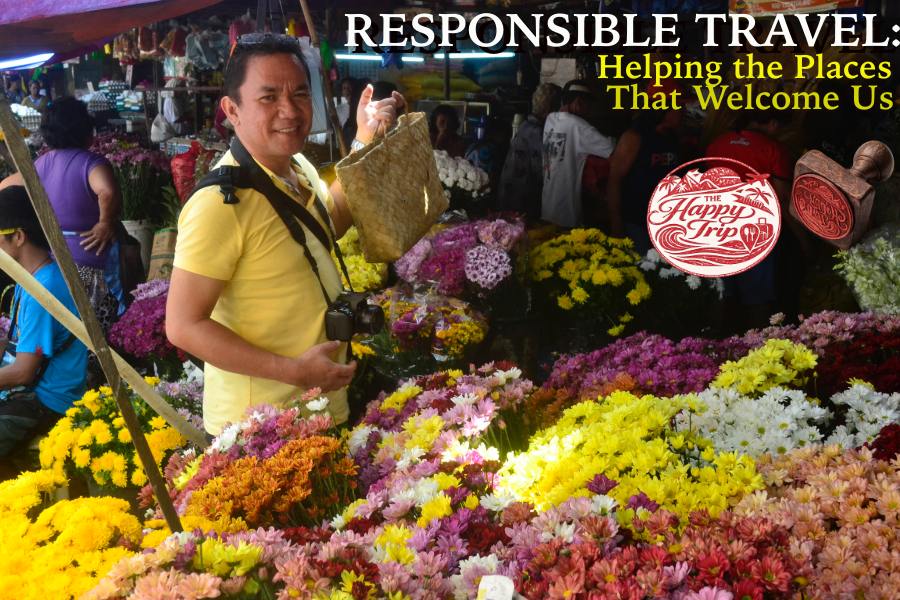
Responsible Travel | Public market in Davao City
Responsible Travel Starts With Small Acts: Supporting the Places and People We Visit
Contents
Travel is often associated with adventure, relaxation, beautiful scenery, and memorable experiences. But beyond the photos, reels, and itineraries, there is another side of travel that many people rarely talk about — responsibility.
As someone who has been traveling and blogging since 2010, I have slowly realized that responsible travel is not only about keeping places clean or reducing plastic waste. It is also about understanding that behind every destination are people, livelihoods, businesses, and communities trying to survive and sustain the places we enjoy.
Today, many travelers visit destinations mainly for content. Sometimes people arrive only to take photos, use the facilities, enjoy the scenery, and leave without even supporting the local community in the simplest way possible.
And perhaps this is one thing we need to reflect on more deeply as travelers.
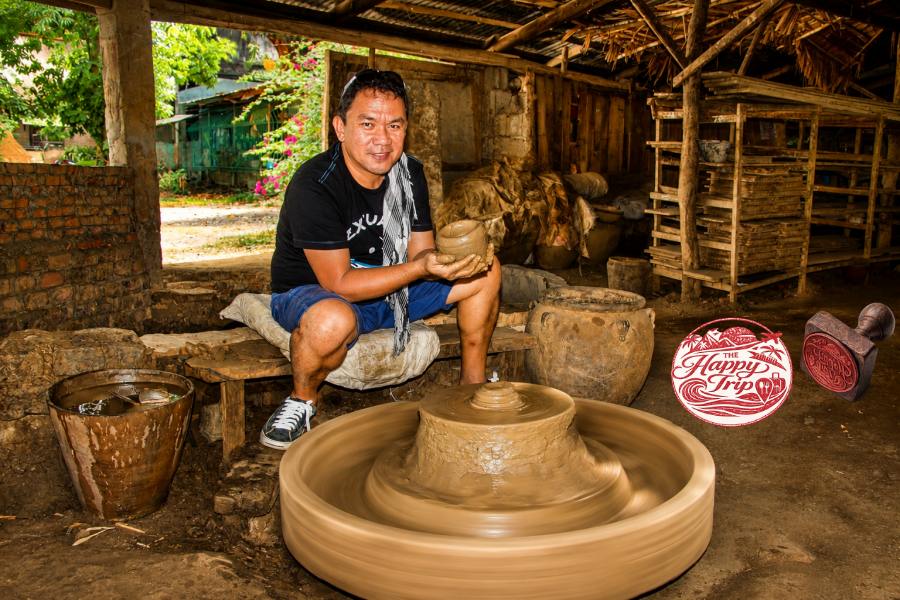
Pottery in Vigan
Tourism Is Also About Livelihood
Behind every beautiful destination are people working quietly every day:
- local vendors,
- guides,
- drivers,
- fishermen,
- caretakers,
- cooks,
- resort workers,
- and small entrepreneurs.
Some tourist spots charge entrance fees to help maintain cleanliness, operations, electricity, water supply, comfort rooms, landscaping, and sustainability efforts. Of course, these fees help preserve the place for future visitors.
But there are also many destinations, cafés, roadside attractions, farms, beach areas, and scenic stops that do not charge entrance fees at all.
Yet tourists still:
- use their restrooms,
- consume water,
- use electricity,
- occupy cottages,
- enjoy the ambiance,
- and take countless photos for social media.
Sometimes they leave without buying even the simplest item being sold by the place.
And honestly, perhaps this is something many travelers unintentionally overlook.
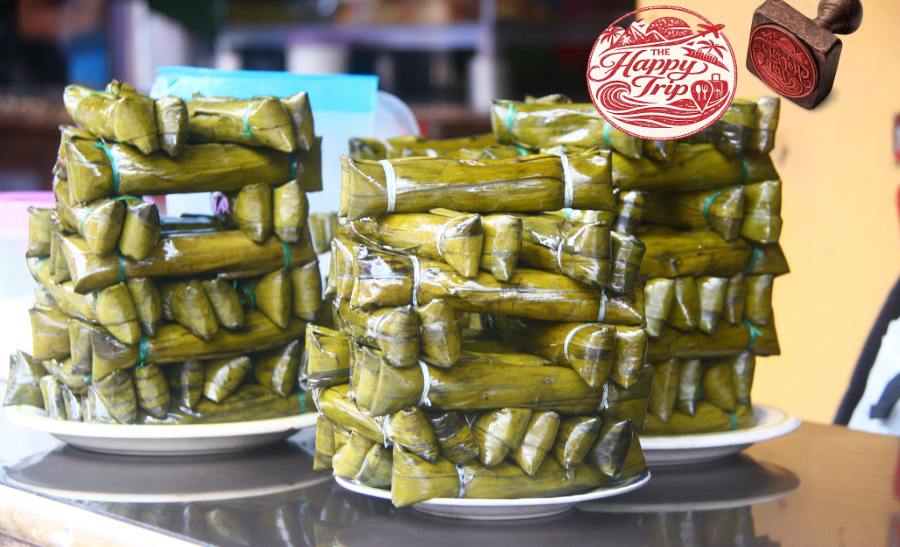
Budbod in Dumaguete
Supporting Local Businesses Matters [ Responsible Travel ]
Not every act of support needs to be expensive.
Sometimes buying the cheapest snack, drink, souvenir, local delicacy, or product already helps the place continue operating.
We have to remember that many of these destinations became attractive because local people invested:
- time,
- money,
- effort,
- maintenance,
- creativity,
- and labor
to make the place enjoyable for visitors.
The least we can do as travelers is support them in return whenever possible.
A photo posted online may generate likes and engagement for us.
But buying from local businesses may help a family survive another day.
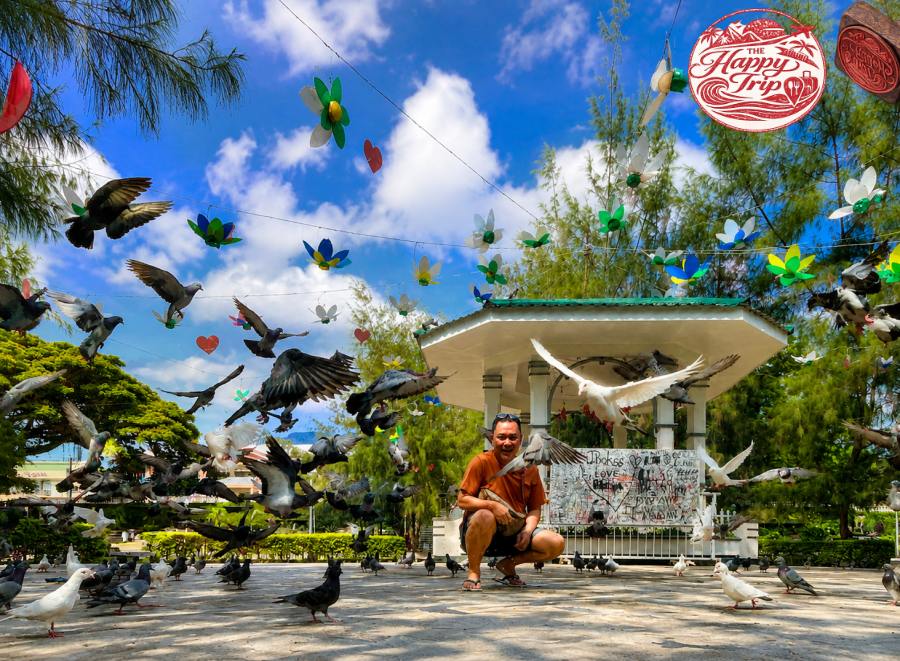
Valencia , Negros Oriental
Content Creators Should Also Learn to Give Back [ Responsible Travel ]
This is something I personally think content creators and travel bloggers should reflect on more deeply — especially those already earning from their travel content.
At the end of the day, the communities, locals, workers, and ordinary people we feature are also the ones giving us stories, visuals, experiences, and content opportunities.
I remember one experience in the plaza of Valencia, Negros Oriental.
There was a young boy selling bird feeds for tourists so pigeons would gather for photos. He was trying his best to entertain visitors while proudly telling us that he too was already a “content creator” with his own small page and a few followers online.
It was both amusing and touching at the same time.
We somehow felt that whatever little income he earned from selling feeds might also help support his schooling or family. Of course, this is not about promoting child labor — that is another conversation altogether.
But in that moment, we realized something very simple:
sometimes small support can already mean a lot to people.
So instead of merely paying for the feeds, we intentionally gave a little extra.
Not because we were wealthy.
But because we knew that for some families, even a small additional amount could already go a long way.
And perhaps this is one thing many content creators forget:
behind the “aesthetic,” “viral,” or “heartwarming” content are real people trying to survive everyday life.
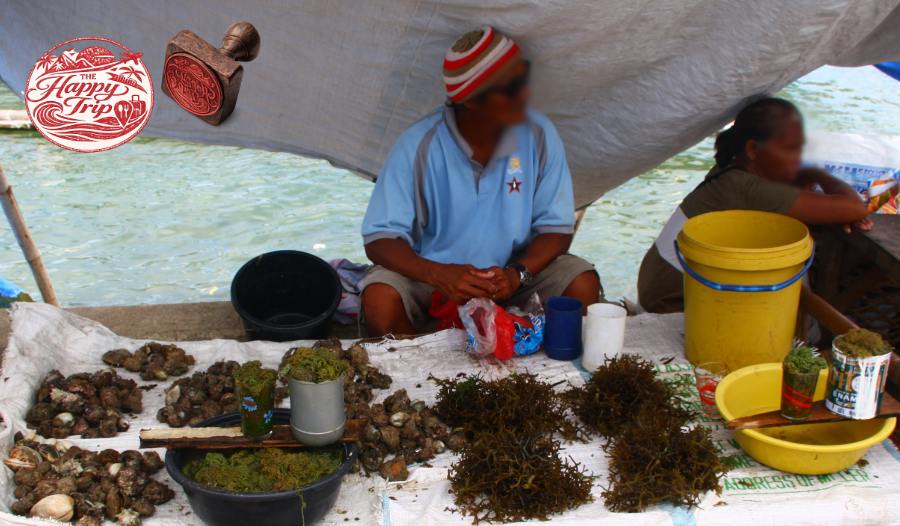
Vendors | Brgy Vito, Sagay
Responsible Spending Helps Communities Grow
One thing I learned through the years of traveling around Negros and other places is that tourism can significantly help local economies when travelers become more mindful with spending.
During the pandemic, I remember traveling around different towns in Negros. Whenever we passed roadside vendors selling fruits, vegetables, native delicacies, or local products, we would intentionally stop and buy something.
Not because we desperately needed everything.
But because we understood how difficult life became for many communities during that time.
Sometimes small purchases already become meaningful support to local families.
Responsible travel is not always about spending large amounts.
Sometimes it is simply about choosing where your money goes.
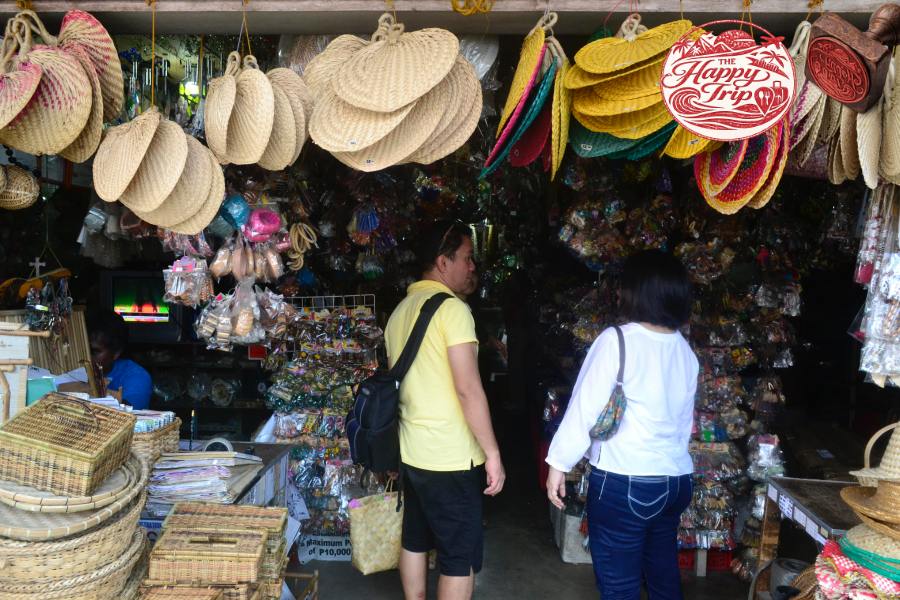
Davao City
Learn How to Haggle With Sensitivity [ Responsible Travel ]
In many places, bargaining is part of local culture. There is nothing entirely wrong with negotiating prices reasonably.
But sometimes travelers unknowingly become too aggressive in trying to get the lowest possible price from small vendors, fishermen, or local sellers whose businesses are already operating with very small margins.
I have seen tourists who spend comfortably on hotels, resorts, flights, and cafés suddenly bargain excessively with fishermen selling fresh catch or vendors selling local products.
In some coastal communities, tourists become excited buying fresh seafood because they want an “authentic island experience.” Yet some negotiate prices too harshly, sometimes asking for almost half the original amount despite already knowing the value is fair.
We have to remember:
for many locals, these are not side hustles.
These are livelihoods.
These are what feed their families daily.
Responsible travel also means understanding the dignity behind people’s labor.
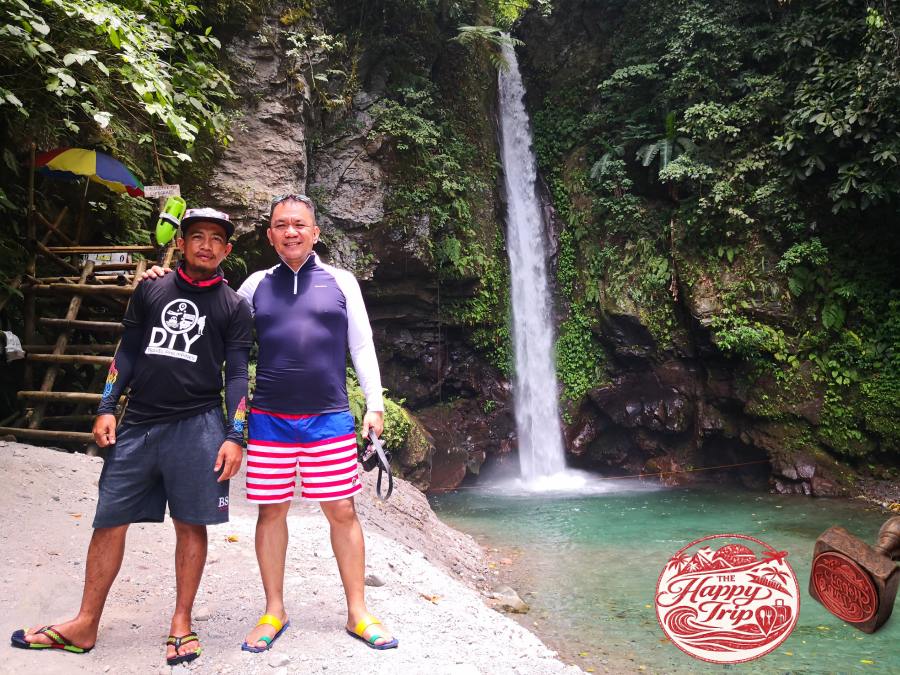
With my Habal-habal Driver / Guide in Camiguin Island
Support Local Guides and Transportation Providers [ Responsible Travel ]
In less-traveled destinations especially, hiring local guides, drivers, or boat operators directly helps communities benefit from tourism.
These people do not simply provide transportation or directions.
Many of them:
- wait long hours,
- endure extreme heat,
- assist tourists patiently,
- and help visitors navigate unfamiliar places safely.
Sometimes travelers forget that drivers and guides also need meals and rest.
I have personally observed situations where tourists ate comfortably while their drivers waited outside without even being considered during meal time.
Thankfully, many tourist-oriented restaurants today already provide complimentary meals for drivers and guides. But beyond policies, sensitivity should still come naturally from travelers themselves.
If we are financially capable, treating drivers or guides to meals, snacks, drinks, or even giving small tips can already mean a lot.
These are not obligations.
These are simply acts of kindness and gratitude.

Kapehan in Escalante, Negros Occidental
Travel Should Not Be Pure Consumption
One uncomfortable reality today is that travel sometimes became too centered on consumption and content creation.
People visit places mainly to:
- take photos,
- create reels,
- collect content,
- and gain online engagement.
Meanwhile, the communities maintaining these places often receive very little support from the same visitors benefiting from them.
Responsible travel asks us to shift perspective.
Instead of asking only:
“What can this place give me?”
Perhaps we should also ask:
“How can my visit help this place survive and grow?”
Because sustainability is not only environmental.
It is also economic and human.

Floating Resto | Escalante City
Supporting Local Tourism Helps Everyone [ Responsible Travel ]
There are actually so many beautiful local destinations that people can enjoy without leaving the country.
For many Filipinos, local travel is the only type of travel realistically accessible because not everyone can afford international trips.
This is why supporting local tourism matters deeply.
When local destinations become sustainable:
- operators become encouraged to improve facilities,
- workers gain stable livelihood,
- communities benefit economically,
- and more tourists become attracted to visit.
Tourism, when done responsibly, creates opportunities not only for travelers, but also for entire communities.
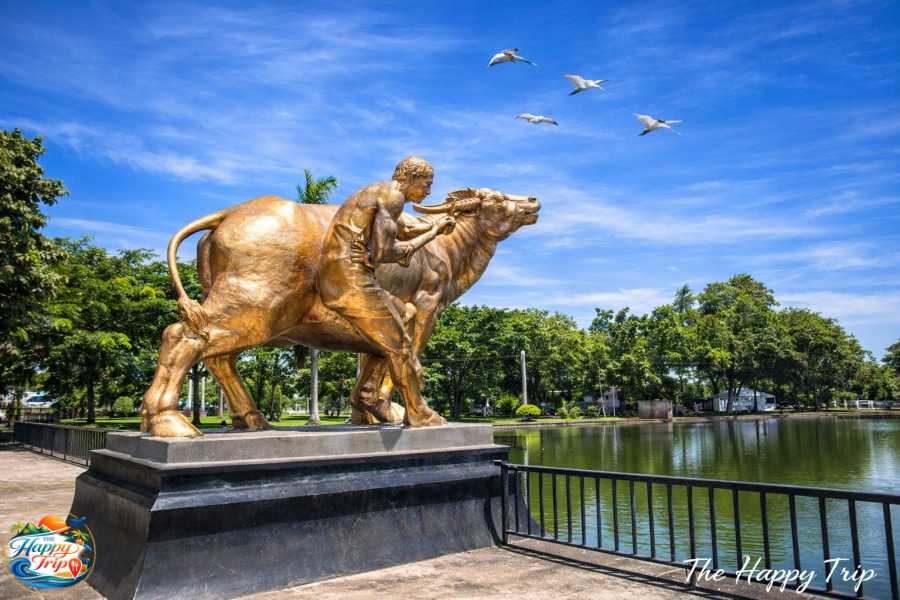
Provincial Capitol Lagoon, Negros Occidetnal
Responsible Travel Begins With Awareness
As I continue traveling and blogging through the years, I slowly realized that the best travelers are not always the wealthiest, the loudest, or the most adventurous.
Sometimes the best travelers are simply the most mindful.
The ones who:
- support local businesses,
- respect communities,
- spend with sensitivity,
- appreciate labor,
- and understand that destinations do not survive through photos alone.
At the end of the day, helping local destinations survive also allows more people to continue enjoying them in the future.
Because travel should not only create memories for tourists.
It should also create opportunities, dignity, and sustainability for the people who make those places worth visiting in the first place.

Patag, Silay City
More Stories
- NEGROS OCCIDENTAL TRAVEL GUIDE + TOURIST ATTRACTIONS
- MUST TRY! NO SUGAR ADDED GOODIES BY QUAN DELICACIES
- FILIPINO KAKANIN IN ONE PARTY BILAO | QUAN DELICACIES
- NO-SUGAR-ADDED DELIGHTS IN BACOLOD CITY | QUAN DELICACIES
- Merci, Team Burbucks Summer Fun
- Jin Long Hotpot in Bacolod City: Is It Worth the Price?
- How Local Art, Food, and Music Became the New Travel Luxury
- Best Places to Beat the Heat in Negros + Things to Do
- Travel Up Close: Discovering Hidden Beauty with a Pocket Microscope Camera
- Stay Active While Traveling | Fun Ways
- Yakimix SM City Bacolod Review (2026)
